 F2P · Live
Lineage 2 Essence
Lineage 2 Essence is NCSoft's free-to-play take on the classic Korean MMORPG Lineage II, built around faster…
R2 Online: Reign of Revolution sets its fantasy world in the middle of a permanent guild war, with PvP active everywhere outside the game's handful of safe-zone towns. Webzen's veteran MMORPG built it...
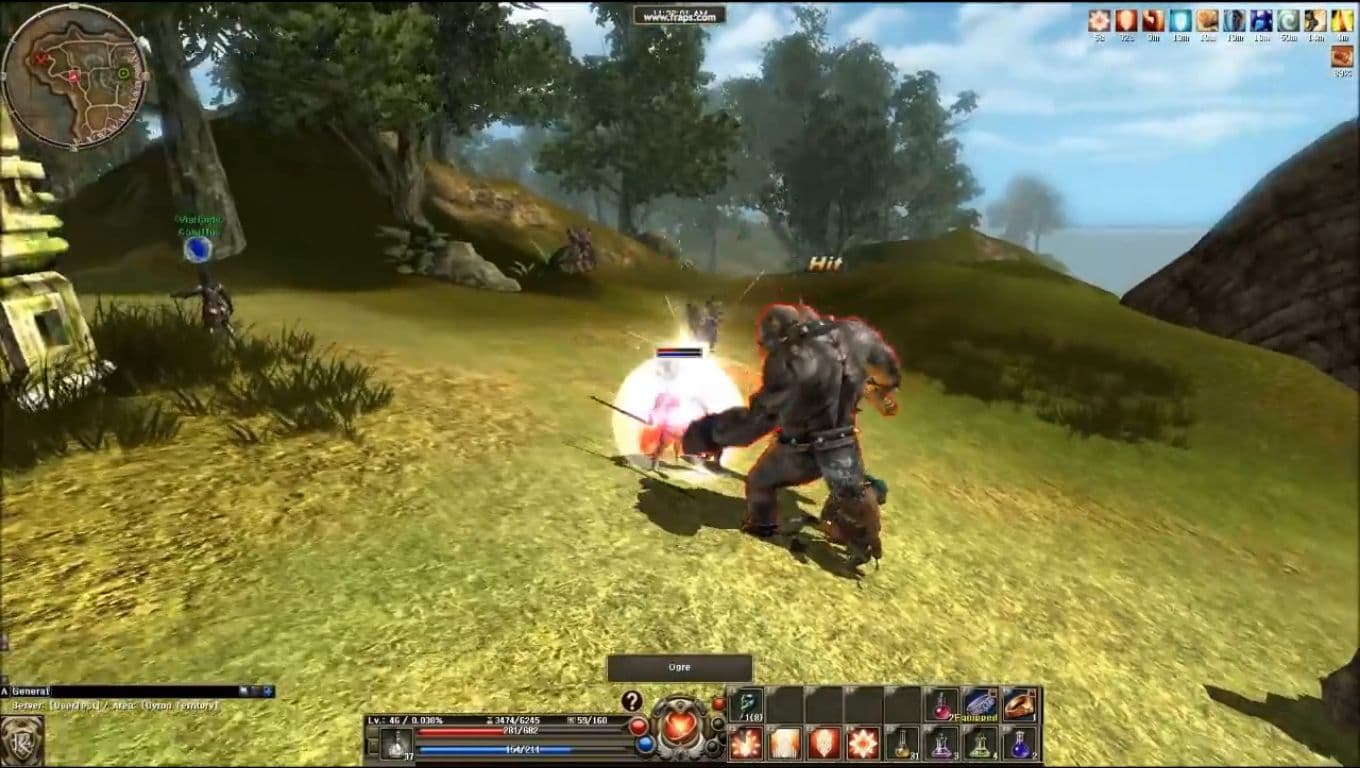
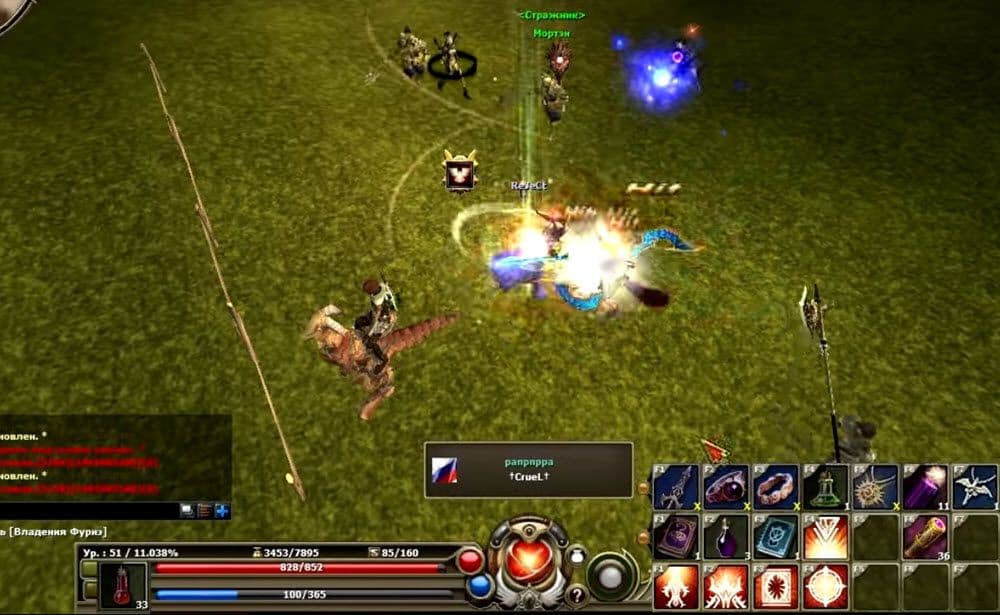
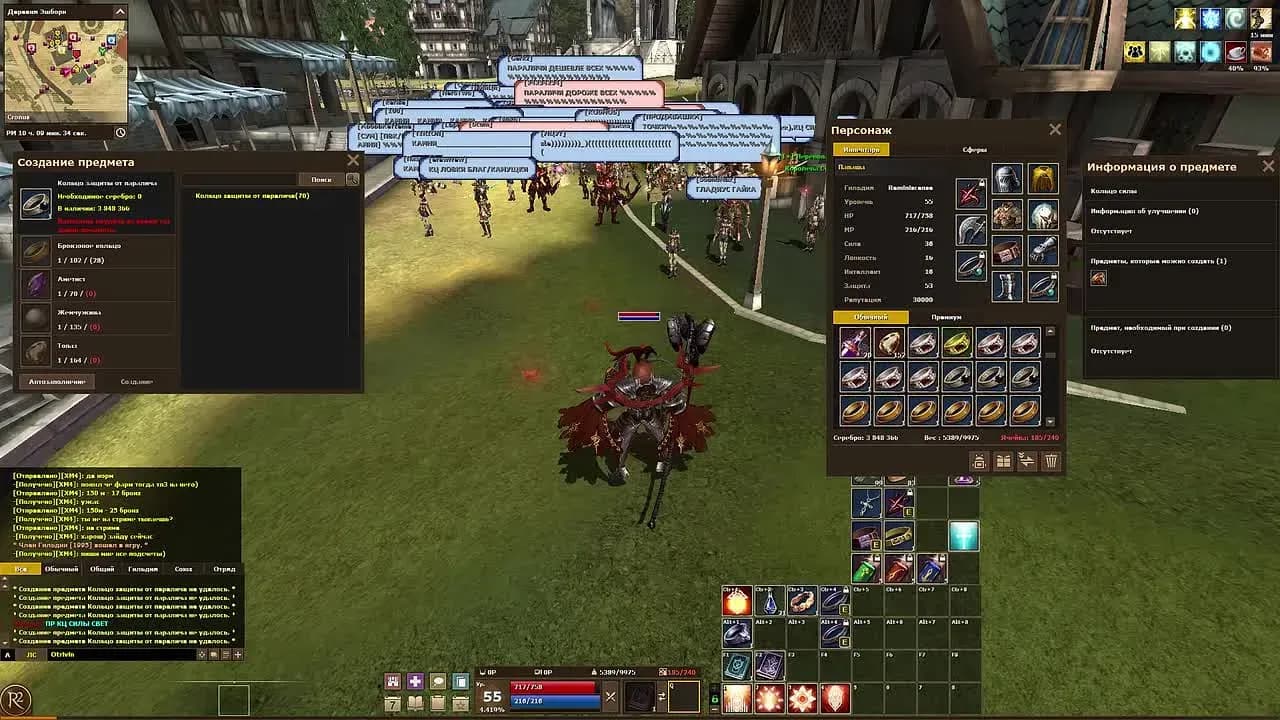
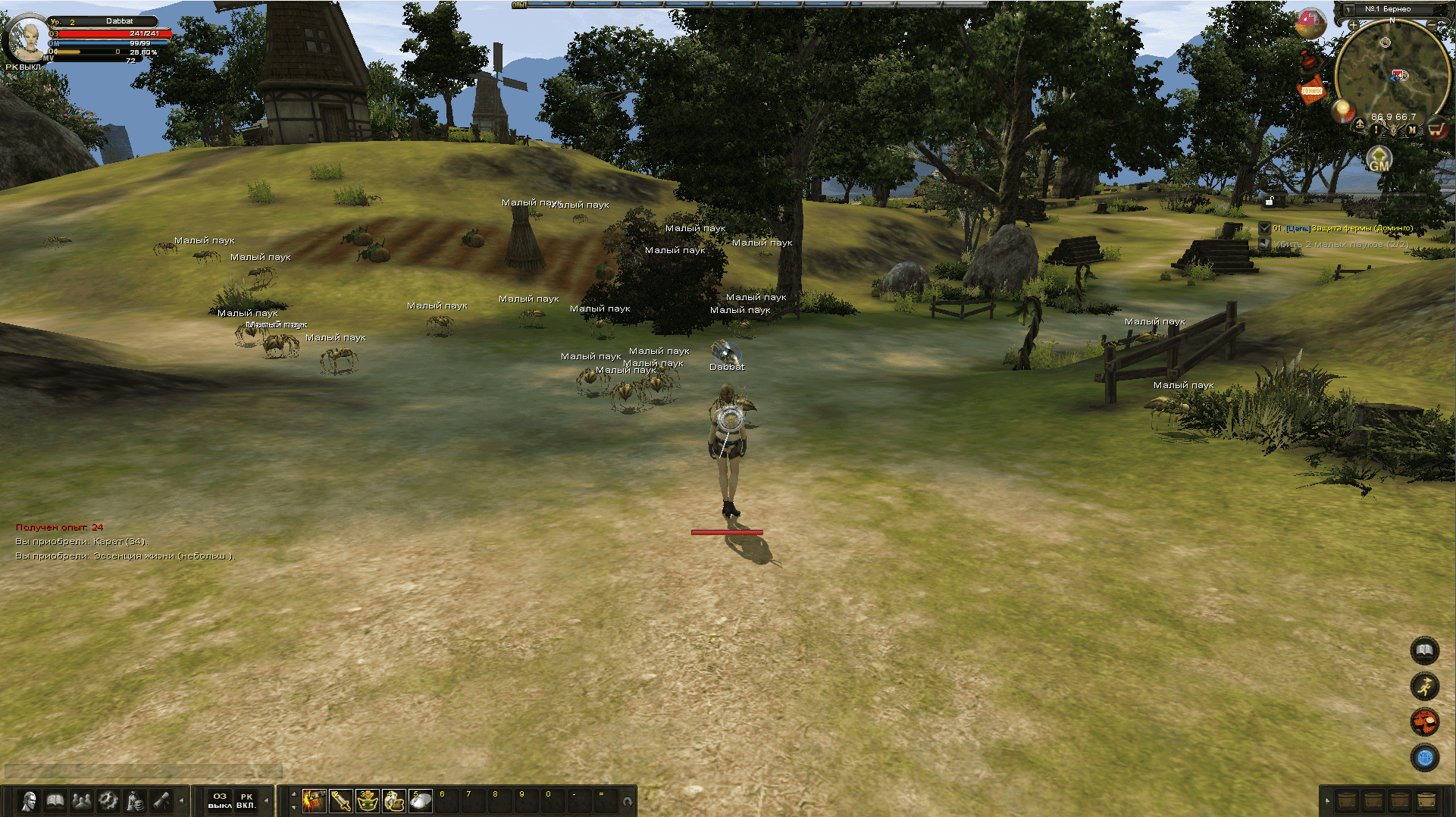
R2 Online: Reign of Revolution is a 3D fantasy MMORPG originally built by Rainbow Studio and now developed and operated by South Korean publisher Webzen, with its European and Russian localization reaching players on May 21, 2008. Where most MMORPGs from that era eventually softened their edges, R2 doubled down: it is a game built almost entirely around unrestricted, unconsenting open-world PvP, and Webzen is still patching it in 2026, with a major content update called "The New Journey Part 1 – Departure" landing on July 16 and a rebooted server line drawing in fresh characters that same month. Whether that's a reason to install it or a reason to run depends heavily on what kind of player you are, which makes this one of those reviews best read from two angles at once.
The setting is Colfort, a fractured fantasy continent where mercenary guilds fight for territory instead of any single kingdom holding the map together. There's no elaborate lore campaign pulling you through cutscenes here — R2 sketches its world in broad strokes and lets the fighting fill in the rest. Towns function as the only truce zones on the continent; step past the gate and the game's core rule kicks in immediately: anyone can attack anyone, no duel request required, no warning given. It's a design philosophy from an older, meaner generation of Korean MMORPGs, closer in spirit to Lineage than to anything built in the last decade, and R2 has never walked it back.
For a new character, the early hours look deceptively ordinary. You pick a class, land on one of Colfort's starting islands, and work through the usual quest-and-grind loop: kill things, turn in objectives, level up, buy gear from an NPC vendor. Webzen has clearly noticed how intimidating that on-ramp can be for anyone arriving fresh — the current client includes a "recruit training camp" specifically pitched at players who find R2's systems confusing, and the new Adventure Log system added in July hands out stat bonuses just for logging monster kills and item pickups, smoothing out what used to be a much colder start.
A veteran reads that same opening differently. To someone who's played R2 for years, the training camp and Adventure Log are quality-of-life patches layered on top of a game whose bones haven't changed: character death still carries a real chance of dropping items from your inventory and even your equipped gear, and a kill-rating system quietly punishes players who kill too indiscriminately, dropping their rating in a way that can only be earned back by farming monsters instead of people. None of that gets explained to a newcomer up front. It's the kind of detail a player only internalizes after losing something they cared about, which is very on-brand for the genre R2 comes from and very off-putting to anyone used to modern MMOs cushioning failure.
Character building runs through five classes: Warrior, Ranger, Mage, Assassin, and Summoner, the last of which arrived well after launch as a way to give the roster a proper pet-based playstyle. Warriors anchor melee fights in heavy armor, Rangers and Assassins trade range for burst, Mages lean on prepared spellbooks that need periodic recharging rather than a simple mana bar, and Summoners fight through conjured creatures that take hits and dish out damage on their own initiative. None of these are radical reinventions of genre archetypes, and R2 doesn't pretend otherwise — the class kit exists to support the PvP, not the other way around.
The system that actually defines a fight is the morph mechanic: activate it and your character transforms into a monster form, trading your usual skill set for altered stats, new abilities, and — as a side effect — a truce with the wildlife, since aggressive mobs stop noticing you while you're wearing a monster's shape. It's used for disguise, for a burst combat cooldown, and sometimes just because turning into something with claws is more fun than not. Two decades after launch it's still the one mechanic nobody else in the genre has quite copied, and it's the detail longtime players bring up first when asked what makes R2 different from every other Korean import that tried and failed to find a Western audience.
Everything smaller in R2 builds toward Colfort's Castle Sieges, and this is where the newcomer/veteran gap widens the most. A new player might stumble into a siege out of curiosity and see chaos: dozens of characters clashing around a fortress, morphs going off, a defense structure slowly cracking under sustained pressure. A veteran sees a scheduled economic event. Winning a siege means collecting taxes from the players operating inside your controlled territory, unlocking guild-shop access, and picking up stat bonuses that carry outside the siege window entirely — a siege win in R2 isn't a trophy, it's a recurring source of power for the whole guild. The World Guild Battle System extends the same logic outward, letting entire guilds face off in structured confrontations rather than the free-for-all chaos of open-world skirmishing, giving organized clans a second track to fight for standing on the server.
Guild membership in R2 isn't a social nicety, it's closer to a survival requirement. Sieges, territory taxation, and coordinated defense against roaming attackers all assume you're backed by a group, and a solo character wandering Colfort is, by design, easy prey. That said, R2's social layer is deliberately unglamorous — there's no elaborate guild-hall housing system or ceremony to any of it, just a shared banner, a shared treasury, and a shared reason to log in when a siege window opens. For veterans, that's the entire appeal: a guild in R2 functions the way a guild functioned in the genre's rougher early days, before most MMOs turned guild systems into cosmetic clubhouses.
R2 is free-to-play, and yes — by any honest reading, it leans pay-to-win. The in-game cash shop sells gear enhancement scrolls, growth packages, and time-limited "sales period" bundles that stack directly onto combat power, the exact currency that decides sieges and open-world fights. Webzen runs these promotions regularly rather than sparingly; a recent growth-package sale advertised on the official site is typical of the rhythm, not an exception to it. There's no separate cosmetics-only track shielding the shop from actual stat progression the way some modern F2P titles manage it.
The mitigating factor is how old and how PvP-native this economy is. R2's player base has spent close to two decades adapting around exactly this monetization model, and organized guilds — not individual wallets — are usually what decides siege outcomes, since a well-drilled group of moderately geared players can out-position a handful of heavy spenders. It won't satisfy anyone hoping for a fair fight against a top-tier account, but it's an honest continuation of the free-to-play item-mall economy R2 was built on from the start, not a bait-and-switch grafted onto a game that used to be fairer.
Webzen doesn't publish concurrent player counts for R2, so there's no clean population figure to cite either way — treat any specific number you see elsewhere with skepticism. What's verifiable is the pace of support: an "Open Reboot" server relaunched in June with fresh-start incentives aimed at drawing lapsed players back, and the July "Departure" update added a full new progression layer rather than a cosmetic refresh. That's not the profile of a game coasting on nostalgia. It's also worth noting that R2's official Russian servers, once run by publisher Innova, were shut down in 2021; Webzen's Korean-run servers are now the sole official access point, which has left a visible gap that private-server operators have filled with their own "official-adjacent" branding. Approach any server claiming official status outside Webzen's own domain with real caution.
R2 Online was never trying to be everyone's MMORPG, and in 2026 it still isn't. If you want a game where towns are the only safe harbor, where dying can cost you the gear on your back, and where a guild's worth is measured in castles held rather than achievement points, R2 is one of the last actively maintained titles still playing that game completely straight — and Webzen's 2026 updates suggest it isn't going anywhere soon. If you're coming from a decade of MMORPGs that ease you in, flag PvP as optional, and protect your inventory on death, almost everything about R2's defaults will read as hostile rather than hardcore. The morph system and the siege economy are genuinely worth seeing for anyone curious about where this design lineage led, provided you go in through an official Webzen server, accept the Korean or Russian client as the price of entry, and understand exactly what kind of world you're walking into the moment you leave a town gate.