 Buy To Play
SpiritVale
MMORPGEarly access
SpiritVale is a class-based action MMORPG from Australian indie studio Baikun Interactive, set in the fractured world of Nevaris. Choose from seven cl...
Minimum and recommended PC specs to run the game
← Back to game reviewIf your PC can run this game, you'll also be able to play these:
Buy To PlaySpiritVale is a class-based action MMORPG from Australian indie studio Baikun Interactive, set in the fractured world of Nevaris. Choose from seven cl...
 Free To Play
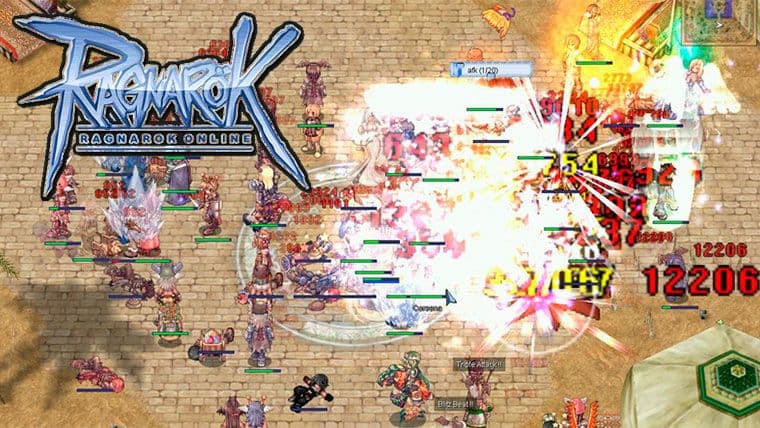
Ragnarok Online has been running since 2002, and the card system it introduced — socketing monster drops into weapons and armor — is still one of the ...
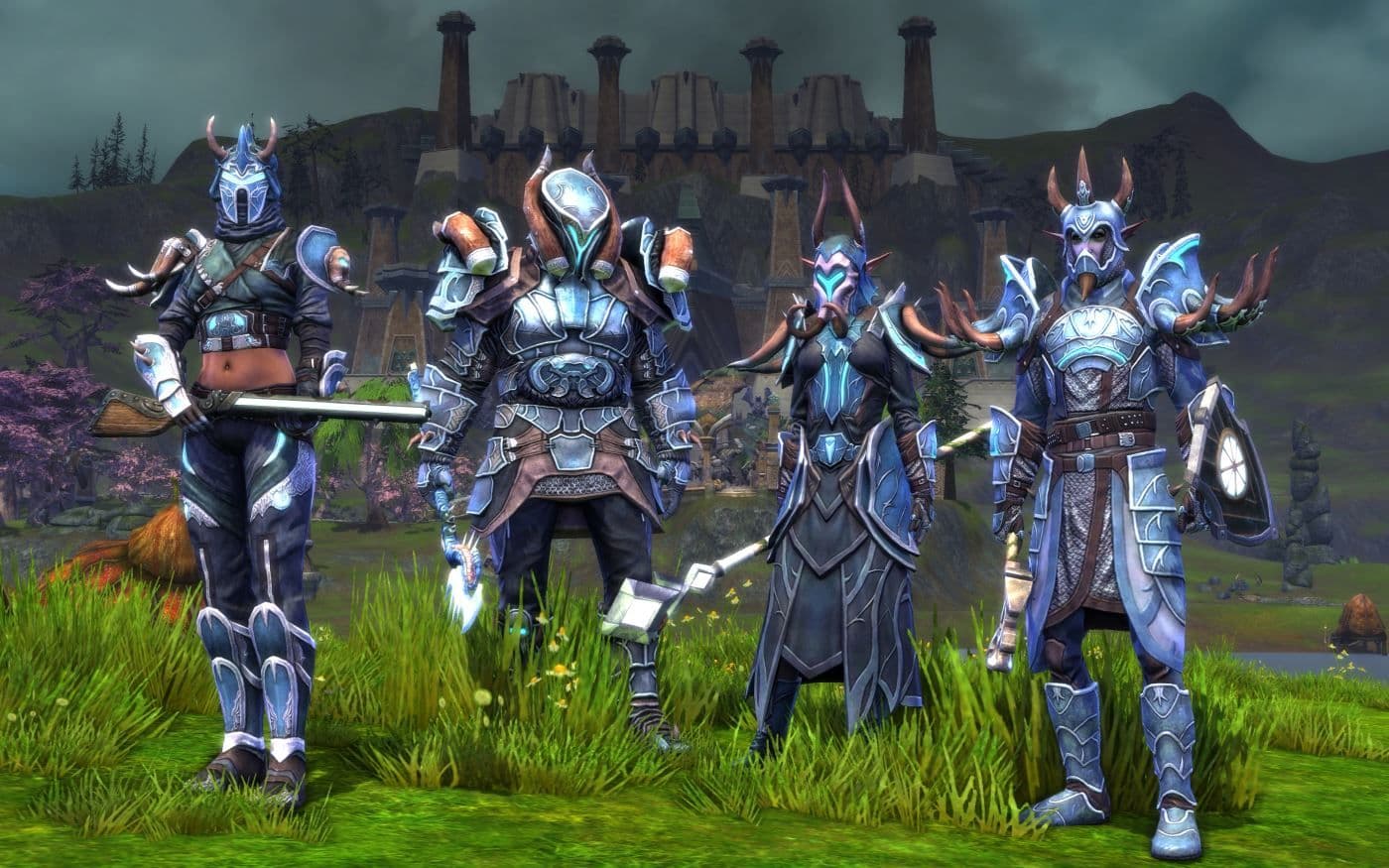
Rifts tear open across the sky at random, spilling elemental invaders into Telara and forcing nearby players to drop what they're doing and fight them...
Tree of Savior runs on a proprietary 2.5D engine engineered by IMC Games, which underwent a foundational technical overhaul migrating the client to a native 64-bit architecture and DirectX 11. The official hardware specifications reflect a deliberate balance between hand-drawn watercolor aesthetic sensibilities and the relentless computational throughput demanded by high-octane Korean action RPGs.
First, the Central Processing Unit (CPU). The minimum specification calls for a 4-core processor such as an Intel Core i5 or AMD Ryzen 3, while the recommended tier highlights multi-threaded 8-core CPUs like the Intel Core i7 and AMD Ryzen 5. While the modern client utilizes auxiliary threads for asset decompression and background networking, raw single-core clock frequency and instruction throughput (IPC) remain paramount. Tree of Savior revolves around annihilating dense packs containing dozens of swarming monsters simultaneously. In real time, the main simulation thread must compute hundreds of collision hitboxes, directional area-of-effect (AoE) skill cones, damage over time (DoT) ticks, and character animation frames. Computational headroom is vital during high-tier end-game challenges like Division Singularity and 50-player Guild Territory Wars, where instantaneous skill activations per square meter peak dramatically.
Second, Graphics Processing and Video Memory (VRAM). The baseline configuration requires a dedicated GPU with 2 GB of VRAM (such as a GeForce GTX 860 or Radeon HD 7850), whereas peak stability demands 4–6 GB of VRAM delivered by cards like the GeForce GTX 1060 or Radeon RX 580. The title's visual composition marries fully 3D terrain geometry with multi-layered hand-painted sprites and intricate character models. The steep jump in recommended VRAM is dictated by draw calls. During multi-phase Goddess Raids against deities like Giltine and Vasilisa, or within the bustling trade hub of Klaipeda, dedicated video memory buffers elaborate costume ensembles, animated wings, luminescent Vaivora weapon glows, active combat mounts, and cascades of high-density particle emitters, eliminating frame hitching as the camera sweeps across the battlefield.
Third, System Memory (RAM). A solid baseline of 8 GB of RAM is mandated across both minimum and recommended tiers, with 64-bit systems readily taking advantage of 16 GB. The migration away from legacy 32-bit memory boundaries unlocked aggressive asset pre-caching within system memory. Ample RAM buffers eliminate loading bottlenecks between vast regional maps and protect long play sessions against fragmentation crashes as Revelators journey across dozens of Kingdom zones.
Finally, the 32 GB storage footprint. For an isometric title, this substantial footprint mirrors years of continuous live-service world building: over 18 episodic narrative chapters, hundreds of meticulously detailed regional biomes, an expansive bestiary with custom attack choreographies, and an enormous uncompressed musical library mastered by legendary collective SoundTeMP, Sevin, and Symphonix. While a Solid State Drive (SSD) is not strictly mandatory, it is strongly advised by the development team to ensure seamless streaming of textures and audio banks when warping via Vakarine goddess statues.