 F2P · Live
Lineage 2 Essence
Lineage 2 Essence is NCSoft's free-to-play take on the classic Korean MMORPG Lineage II, built around faster…
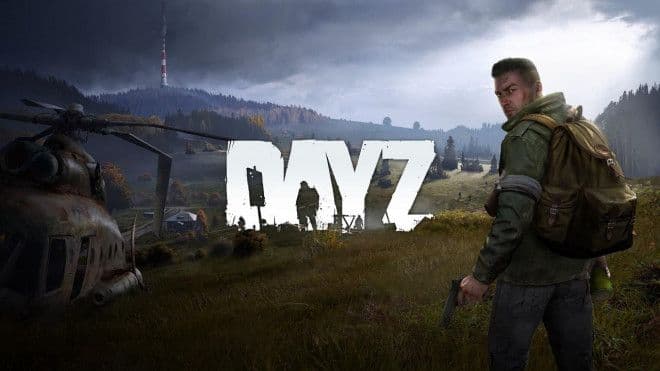
A hardcore multiplayer open-world survival sandbox from Bohemia Interactive. Navigate 225 square kilometers of post-Soviet Chernarus, battling lethal diseases, ravenous infected, and harsh weather con...
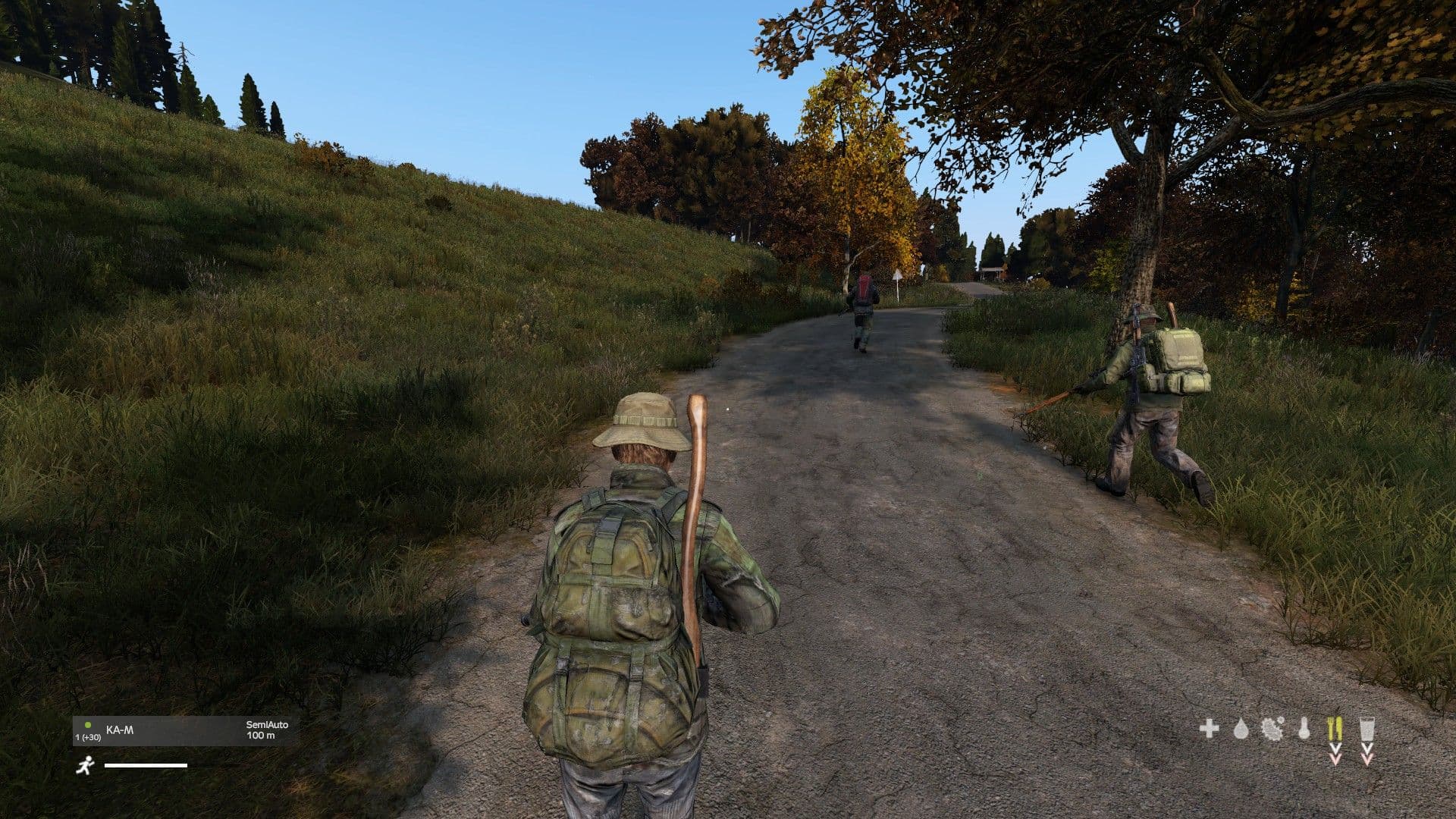
Few events in modern gaming history have altered the multiplayer landscape as fundamentally as the accidental genesis of DayZ. In 2012, a gritty passion project built atop the tactical military simulator Arma 2 by New Zealand officer and game designer Dean Hall exploded across the internet. Its premise was uncompromising: a massive seamless terrain, ravenous undead, extreme scarcity of basic provisions, and an absolute zero-tolerance policy toward death. The unprecedented viral sensation prompted Czech studio Bohemia Interactive to greenlight a standalone release. However, the subsequent journey through Steam Early Access became an infamous decade-long saga of development hell, broken roadmaps, and an exhaustive engine rewrite.
While most multiplayer ventures wither and die under the weight of protracted overhauls, DayZ exhibited astonishing resilience. Shrugging off the technical stagnation of legacy build 0.62 and transitioning onto the hybrid Enfusion architecture, the game orchestrated one of the most remarkable comebacks in online gaming. By 2025–2026, the title reached all-time high player counts, consistently drawing over 70,000 concurrent survivors on Steam alone. Steady systemic patches, major expansions like the frozen archipelago of Sakhal in Frostline, and the impending arid wastes of Nasdara in the Badlands expansion proved that raw, authentic survival appeals far beyond fleeting battle royale fads.
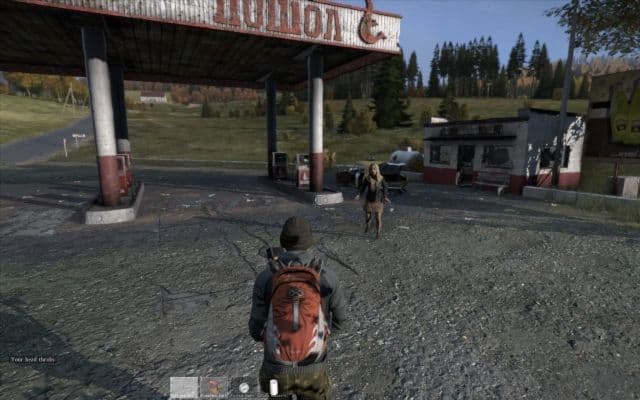
At its core, DayZ's signature feature is an outright refusal to baby the player. You will find no objective markers, no narrative hand-holding, no artificial safe zones, and zero stat-based character progression. The sole metric of success is the duration of your current life and whatever gear fits inside your canvas backpack. Death in DayZ is permanent and absolute: a distant sniper round cracking through tree cover or a careless sip of tainted stream water instantly erases dozens of hours of scavenging, dumping you back on the coast with soaked sneakers, empty pockets, and a solitary road flare.
This staggering price of failure unlocks an emotional spectrum unmatched by traditional MMORPGs. Every journey inland becomes an authentic psychological operation where the snap of a twig spikes your heart rate and a distant silhouette transforms a quiet scavenge run into a tense standoff. DayZ does not entertain through scripted theme-park rides; it offers an austere, high-stakes sandbox where unscripted drama emerges organically from human instinct, greed, and the primal urge to survive.
While generic multiplayer survival games reduce human biology to simplistic hunger timers and occasional water sips, DayZ deploys an intricate physiological simulator under the hood. The lower right HUD corner displays an unassuming cluster of vital icons: health, blood volume, hydration, caloric energy, and core body temperature. Yet these visual bars represent only the visible fringe of deep mathematical calculations. The engine actively tracks metabolic burn rates, thousands of stored kilocalories, exhaustion curves from heavy encumbrance, and a comprehensive immunity rating calculated directly from your overall physical equilibrium.
Microbiology and airborne contagion act as silent, ruthless executioners far deadlier than the roaming infected. Dehydration routinely lures fresh spawns into drinking from stagnant ponds, drainage ditches, or rusted village pumps, but the punishment for carelessness is catastrophic. Open water sources harbor microscopic cholera bacteria: within twenty minutes, severe involuntary vomiting sets in, violently purging fluids and vital energy down to fatal dehydration. To survive, water must be boiled in a cooking pot over an open campfire or purified using Chlorine Tablets. Equally treacherous is salmonella: skinning a wild chicken with bare hands and subsequently eating canned peaches with bloody fingers triggers acute intestinal trauma that can only be countered with courses of Charcoal Tablets.
Environmental thermodynamics strictly govern gear selection. Torrential downpours rapidly saturate cotton jackets and denim trousers, multiplying their inventory weight by 1.5 and leeching core body warmth. As your temperature gauge plunges into deep blue hypothermia, your character contracts influenza. Audible sneezing and coughing echo across quiet forests, alerting predatory stalkers from hundreds of meters away while cross-infecting squadmates in close proximity. Surviving the elements requires deliberate firecraft: splitting firewood with a hatchet, stripping dry birch bark for kindling, manually wringing out soaked garments, and drying clothes beside warming hearths.
Medical intervention extends into genuine transfusion science and sepsis management. Ragged slashes from infected claws or shrapnel bursts inflict arterial bleeding. Bandaging wounds with dirty rags harvested from decomposing corpses triggers localized wound infection; failing to disinfect the laceration with Alcohol Tincture or Iodine within twenty minutes invites systemic septic shock curable only by scarce Tetracycline Antibiotics. Massive hemorrhaging plunges survivors into protracted unconsciousness. Blood volume can be replenished via sterile Saline Bags or direct whole blood transfusions using an IV Kit. Here, Bohemia lays a lethal trap: the game simulates eight realistic blood types with Rh factors. Administering an incompatible blood type precipitates immediate hemolytic shock and agonizing cardiac arrest.
This ruthless biological web catches newcomers completely off guard. Roughly eighty percent of fresh-spawn casualties occur not during high-caliber firefights, but along desolate coastlines—succumbing to damp hypothermia or desperately battering canned tuna against asphalt because they lack a basic pocket knife to open it cleanly.
Firefights in DayZ share almost nothing with arcade shooters, carrying the unyielding DNA of tactical military simulation. Bohemia's engine calculates authentic exterior ballistics for every individual projectile: muzzle velocities, gravitational bullet drop across range, air resistance, barrier penetration, and ricochet angles off hard surfaces. Taking a shot with an iconic Mosin 91/30 bolt-action rifle or a sniper platform like the VSD against a moving target at four hundred meters requires deliberate rangefinder estimation and manual optic adjustment—the meticulous discipline of Zeroing.
Weapon handling is marked by unvarnished procedural realism. Stumbling upon an assault rifle like an M4A1 or a KA-74 in an abandoned barracks represents merely a fraction of combat readiness. Guns spawn unloaded, matching magazines must be scavenged separately, and ammunition is fed into magazines round by individual round by holding down the interaction key. Lacking a box magazine turns a modern rifle into a single-shot firearm, requiring you to manually breach-load each loose cartridge between shots. Furthermore, mechanical durability degrades with every trigger pull. Firing with a firearm in Damaged condition or cycling corroded ammo invites disastrous misfires—the dread mechanic of a Weapon Jam, demanding frantic manual bolt clearing while incoming rounds tear through nearby drywall.
Terminal damage is divided into structural damage and biological incapacitation. Every bullet inflicts distinct physical trauma while accumulating hidden shock damage. A high-velocity 7.62x54mm round striking an armored Plate Carrier may not penetrate the ceramic ballistic insert, but the immense kinetic impact knocks the wind out of the combatant, triggering immediate unconsciousness. Your screen fades to black; you lie limp and paralyzed on the floor, listening to the crunch of enemy boots over broken glass, desperately praying your shock meter recovers before the shooter delivers an execution round to your temple.
Combat ergonomics amplify this sensory pressure. Sprinting through thick pine underbrush with heavy tactical gear depletes stamina, inducing violent weapon sway and ragged breathing. Stabilizing crosshairs requires holding your breath, yet lung capacity burns out in mere seconds. Explosive concussion from grenades or fractures from steep drops break leg bones: your character collapses onto all fours with an agonizing groan, completely unable to stand upright. Your only hope of continuing the fight is improvising a Splint from wooden sticks and bandages or administering emergency morphine to chemically numb the agony.
In DayZ, an unsuppressed gunshot serves as an open invitation to your funeral. The crack of high-powered rifles echoes across river valleys for upwards of 3.5 kilometers, agitating every infected swarm and attracting seasoned predators across the grid. Consequently, military suppressors and makeshift silencers crafted from plastic bottles and duct tape represent priceless currency. Engagements here are not prolonged attrition battles behind waist-high cover; they are split-second explosions of violence decided by stealth, trigger discipline, and the cold reality of a single well-placed bullet.
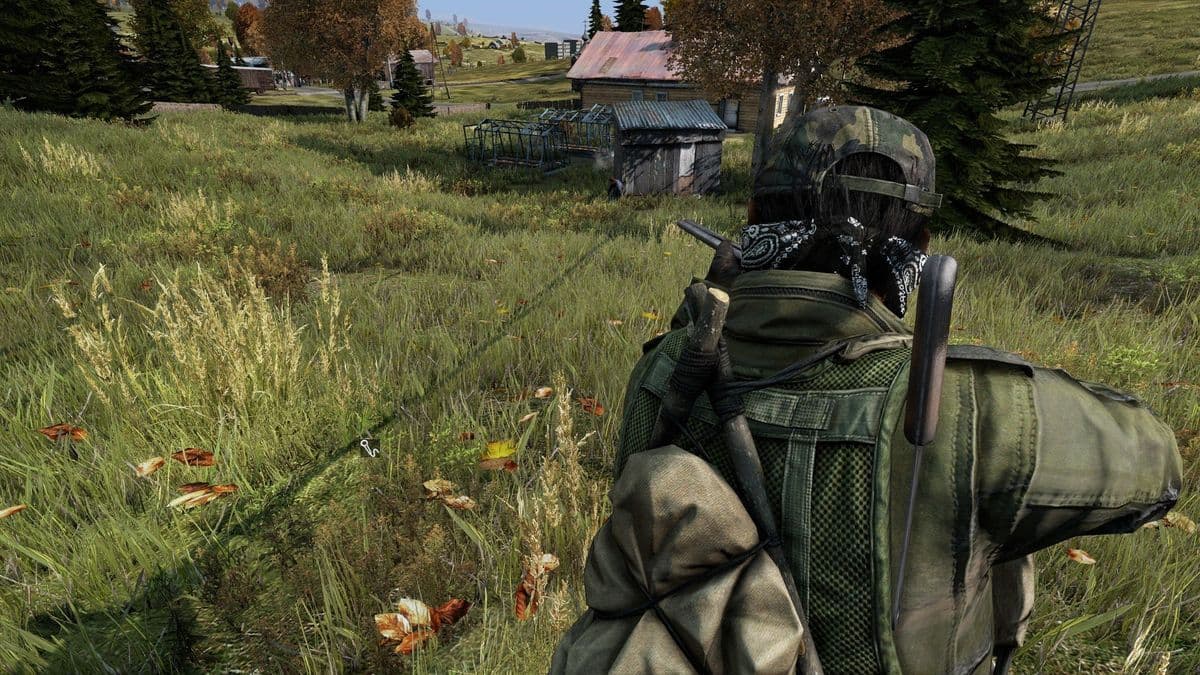
The beating heart of the DayZ experience remains the legendary landmass of Chernarus—a fictional post-Soviet republic fronting the Green Sea, spanning an immense 225 square kilometers. Rather than a contrived arena, it is a monolithic geographical tapestry directly inspired by the real topography of the Central Bohemian Uplands. Rusted combine harvesters abandoned across collective farmsteads, crumbling brutalist apartment blocks, dilapidated dacha cooperatives, and sprawling taiga forests evoke a palpable melancholy. Cyrillic road signs and weathered billboards line every crossroads: navigation demands orienting yourself with tourist maps, magnetic pocket compasses, and nighttime celestial constellations.
Movement across this terrain is regulated by an invisible, ruthless mathematical hierarchy: the Loot Tiers (Tier 1–4) framework. Equipment spawn tables are strictly tethered to geographic latitude and longitude. The southern and eastern coastlines represent Tier 1 territory: fresh-spawn "bambis" wash ashore here, yet the residential blocks of coastal port cities like Elektrozavodsk, Chernogorsk, and Berezino yield little beyond rotten fruit, kitchen knives, worn athletic shoes, and low-caliber pistols. The shoreline is chronically picked clean; lingering here past your first thirty minutes guarantees a slow demise from starvation.
The survival vector inexorably drives survivors northwest, pushing through Tier 2 and Tier 3 zones deeper into rural hamlets like Zelenogorsk and Stary Sobor. As you journey further inland, rewards scale substantially: farming junk gives way to hunting rifles, warm outdoor camouflage, and combat medicine. This pilgrimage culminates at Tier 4—the forbidden apex military installations. The infamous North-West Airfield (NWAF), with its sprawling concrete runway, radar domes, and air traffic control tower, has served for over a decade as the proving ground for long-range sniper ambushes and squad skirmishes. Farther still, concealed in the foggy northwestern ridge lines, lies the heavily fortified Tisy Military Base—the premier source for plate carriers, heavy armor-piercing munitions, and top-tier assault weaponry.
Yet Chernarus is no longer the sole theater of operations. For veterans seeking distinct challenges, Bohemia expanded the atlas with diverse official topographies:
Through this geographical grandeur, DayZ enforces its cardinal design rule: the open world is never mere window dressing. It is an active, hostile ecosystem where traversing distance on foot demands substantial calorie reserves, grinds boot leather to shreds, and transforms every expedition between towns into an authentic tactical expedition.
The wilderness of DayZ maintains zero neutrality—the environment is aggressive, autonomous, and thoroughly hostile toward careless trespassers. The infected themselves bear little resemblance to shambling pop-culture zombies. They are victims of an uncontained rabies-like neurotoxin: agile, wiry sprinters retaining formidable physical strength and keen auditory reflexes. The infected aggressively track the rustle of grass beneath combat boots, the squeak of a rusted barn latch, and especially the concussive crack of gunfire, converging in frenzied packs. Finding yourself cornered by three infected inside a narrow rural vestibule is routinely lethal: a rapid barrage of flailing claws drains stamina, shreds protective vests, and inflicts compounding arterial lacerations.
Stealth discipline is an absolute prerequisite during urban scavenge runs. Crouching through overgrown alleys, breaking line of sight behind stone walls, and executing silent takedowns from behind with a hunting knife conserve irreplaceable rounds. Yet amidst the civilian mobs in stained tracksuits lurk severe threats: armored military infected sporting ballistic helmets and tactical vests that shrug off headshots, alongside screamer variants whose piercing distress whistles instantly mobilize entire base garrisons.
Deeper in the primeval forests, nature mounts an even deadlier challenge. Beyond the timid red deer, wild boars, and stray roosters harvested for protein, grey wolf packs actively hunt the hillsides. Their arrival is heralded by bone-chilling howls echoing across foggy valleys; wolves flank lone travelers with eerie tactical coordination, darting into blind spots to bite at hamstrings. Worse still is the Eurasian brown bear—the undisputed apex predator of the continent. Capable of outrunning passenger cars and absorbing multiple rifle magazines, a charging bear can knock a fully armored survivor unconscious in a single swipe. The only reliable survival maneuver when caught off-guard in the open is going completely prone, staying motionless, and praying the beast loses interest after administering a severe beating.
The zenith of environmental peril lies in the Contaminated Areas, split into dynamic artillery barrages and static exclusion zones:
Infiltrating a static contaminated zone without specialized gear is fatal within ninety seconds. To secure the legendary Tier 4 armaments sequestered within—such as the M4A1, the suppressed VSS, or military plastic explosive—veteran scavengers spend weeks assembling a full airtight NBC Suit (jacket, pants, hood, boots, and chemical gloves) along with a military Gas Mask and fresh charcoal filters. Inside the toxic mist, gameplay transforms into suffocating psychological horror: ragged breathing echoing against rubber respirators, condensation fogging your visor, a ticking filter timer, and distorted infected prowling the vapor create one of the tensest raiding experiences in modern multiplayer gaming.
Every long-lived survivor in DayZ eventually accumulates more wealth than can be carried on a single back: crates of spare cartridges, pristine suppressors, jerrycans of gasoline, and surgical kits require permanent shelter. At this crossroad, players diverge into two opposing schools of asset security: engineering sprawling, fortified compound bases or embracing the covert mastery of subterranean stashes.
Base construction is an immense logistical undertaking demanding hundreds of hours of raw manual labor. The process begins with rope and wooden pegs to plot out foundations. Heavy tools do the rest: felling mature pines with wood axes, sawing logs into lumber, and hammering fence posts into earth using a shovel. Framed wooden walls are reinforced with corrugated metal sheets, rigged with metal wire into functional gates, and locked using mechanical three- or four-digit Combination Locks. Barbed wire is strung along top rims, multi-tier watchtowers are constructed for elevated sniper sightlines, and portable generators are wired to illuminate perimeter walls with floodlights. Survivors erect these compounds inside aircraft hangars, abandoned livestock barns, factories, or deep within secluded valleys.
Yet under vanilla DayZ rules, large-scale bases represent glittering beacons offering fragile security. Raiding mechanics are thoroughly asymmetric and destructive. Walls have no artificial invulnerability: six fragmentation grenades wired together, a brick of Plastic Explosive (C4) with an electronic detonator, or half an hour of sustained high-caliber armor-piercing gunfire will disintegrate a wooden gate into splinters. The enduring curse of compound builders is the dreaded offline raid. A group can spend three weeks cutting timber and hauling sheet metal, only to log in on a Friday evening to find cut locks, gutted tents, and an insulting note scrawled on paper. In the apocalypse, fortified walls do not protect your loot; they merely buy you time while you are online to defend them with a loaded rifle.
For this reason, solitary survivalists and tight duos favor covert concealment over overt architecture. Equipping an entrenching shovel enables players to dig concealment holes beneath the sprawling skirts of pine trees, burying waterproof Drybags or handcrafted Wooden Crates below ground. Stashes are submerged beneath muddy creek beds, slotted into rocky cliff crevices, or concealed within peripheral marshlands. A buried stash is invisible to passing scouts and presents no profile on the horizon, safeguarding critical backup gear for when your next life begins back on the coast.
The pinnacle of settled infrastructure involves resurrecting civilian vehicular transport—from the compact Olga 24 and Sarka 120 sedans to the four-wheel-drive Ada 4x4 or heavy industrial M3S Truck. Finding an abandoned frame in a town is just the opening chapter. You must rebuild it component by component: hauling four matching wheels, bolting them on with a lug wrench, sourcing a functional car battery, threading a spark plug, pouring motor oil, and, above all, filling the engine radiator with clean well water. Neglecting the radiator blows the cylinder head within two hundred meters, billowing white smoke from the hood. Even when fully serviced, vehicles carry distinct hazards: whenever network packet desync spikes between client and server at high speeds, a five-ton vehicle can hit an invisible physics hitch, hurtling through a roadside grove and wiping out the entire squad instantly.
Strip DayZ of its infected, diseases, and tactical firearms, and it remains a tour de force of social psychology. The title features no universal text chat and no floating nameplates above characters: all communication relies on directional, proximity-based Voice over IP (VoIP). The acoustic engine models real-world physics: quiet whispers stay confined within a log cabin, shouts carry a hundred meters down rain-slicked asphalt, and handheld transceivers facilitate squad coordination across tuned radio frequencies powered by 9V batteries. In a wasteland where every stranger is potentially lethal, the sound of an unknown human voice crackling through your headset provokes far more adrenaline than the snarl of an infected.
This atmosphere of paranoia breeds the pervasive phenomenon of Kill on Sight (KOS). Newcomers who suffer multiple knives in the back from deceitful travelers frequently harden their hearts, choosing to open fire on distant silhouettes without warning. Yet the true genius of DayZ emerges when players deliberately choose non-lethal de-escalation, exploiting the game's expansive hostage mechanics.
Restraint systems are engineered with eerie detail. Survivors knocked unconscious by non-lethal rubber shotgun slugs or caught at gunpoint can have their hands bound behind their backs using steel Handcuffs, zip ties, or metal wire. Placing a coarse Burlap Sack over a captive's head plunges their screen into pitch darkness while muting ambient audio. Blindfolded and helpless, victims can be stripped of firearms and ammo, interrogated, or used as human collateral during negotiations with hostile factions. Breaking free from handcuffs independently requires uninterrupted physical struggling over several minutes, carrying the risk of cutting wrists to ribbons.
The darker fringes of the survival sandbox border on psychological horror. Renegade groups conduct kangaroo courts, force hostages to perform musical routines over voice chat in exchange for their lives, or forcibly administer gasoline and chemical disinfectant. The most infamous cruelty remains forced cannibalism. By butchering a fallen player's corpse, marauders can harvest human steaks and secretly feed them to an unwitting prisoner. The consequences of cannibalism in DayZ are irreversible: the character contracts Brain Infection (Kuru). Soon after, the carrier develops severe neurological tremors that disrupt weapon aiming, punctuated by uncontrollable, manic bursts of hysterical laughter and weeping that broadcast their location across the forest.
Yet on the other side of this cruelty lie some of the most profound friendships in gaming. An impromptu truce between two starving vagabonds sheltering from torrential rain around a barn stove near Berezino, splitting a cold tin of sardines and fending off a wolf pack together, regularly evolves into years of real-world camaraderie. On dedicated roleplay (RP) servers, entire civilian factions coalesce: traveling merchant caravans, armed combat medic squads wearing white armbands, apocalyptic cults, and organized bandit syndicates. DayZ does not script moral outcomes; it simply strips away modern societal safeguards, exposing human nature in its purest, most vulnerable form.
To evaluate DayZ without acknowledging its vibrant modding ecosystem is to ignore half of its cultural vitality. The game was born from user modification, and the integration of Steam Workshop alongside comprehensive developer toolkits ultimately rescued the project during its most turbulent transitional periods. Today, community creators have split the ecosystem into two distinct operational paradigms: purist vanilla survival and radically overhauled custom sandboxes.
Official vanilla servers run by Bohemia Interactive deliver the uncompromising auteur experience: acute supply scarcity, slow tactical pacing, no map markers, and complete radio silence. Here, finding an unopened can of pork stew feels like a minor miracle, and freezing to death during an autumn drizzle is an accepted rite of passage. However, this stoic realism demands significant leisure time: on official servers, one can trek through forested highlands for three hours without seeing another living soul or firing a single shot.
Community modded servers offer a diametric alternative, converting the methodical survival crawl into high-octane military skirmishes or narrative roleplay odysseys. The most popular workshop suites fundamentally rewrite the game's core economic loops:
Beyond gear packs, custom community maps rival official DLC expansions in scope and artistry. The undisputed crown jewel is Namalsk—a frozen sub-polar archipelago engineered by Bohemia's own senior designer Adam Franců, featuring subterranean research complexes, dimensional anomalies, teleporters, and blizzard survival rules. Equally revered are sprawling exclusion zones like Pripyat and the lore-dense island of Deer Isle, packed with puzzle dungeons and subterranean vault complexes.
Yet unbridled modding introduces tangible downsides. Servers burdened with fifty gigabytes of community assets suffer heavy memory leaks, protracted client load times, and the dilution of authentic tension. When every survivor charges past in high-tier ballistic armor firing light machine guns on infinite stamina, the fragile human drama that defines DayZ evaporates. Nevertheless, this dual reality ensures the game's longevity: survivors can seamlessly alternate between an austere, lonely taiga trek and high-stakes mechanized clan warfare with a single server click.
The technical chronicles of DayZ recount one of the most drastic architectural renovations in multiplayer network history. The initial Early Access alpha operated upon the antiquated Real Virtuality simulation framework, where character animations, UI rendering, and network tick rates choked within a single processor thread. Salvation arrived via the proprietary Enfusion engine, whose modular rendering and scripting components were transplanted into the live game over several years. Migrating to a modern DirectX 11 pipeline and decoupling physics from rendering elevated urban performance from single-digit slideshows into fluid, triple-digit frame rates on contemporary hardware.
By 2025–2026 and the arrival of milestones 1.27 through 1.29, the simulation achieved peak technological maturity. Bohemia enacted a total soundscape overhaul: realistic acoustic occlusion in river ravines, supersonic bullet snaps overhead, echoing indoor gunfire, and tactile mechanical reloads elevate immersion to cinematic fidelity. Server tick stability on sixty-player hosts shows marked refinement, while modern asset streaming algorithms drastically reduce micro-stutters during high-speed vehicle approaches.
Yet completely exorcising the simulation's legacy ghosts proved impossible:
On current-generation consoles—PlayStation 5 and Xbox Series X|S—DayZ performs with surprising competence. Native builds sustain a solid sixty frames per second in high resolution, with internal SSD architecture slashing terrain asset load times. The chief operational compromise remains user input: navigating multi-tiered inventories, cycling ammunition boxes, and arranging gear attachments was fundamentally designed around cursor mechanics, making controller navigation cumbersome during split-second firefights (mitigated entirely by plug-and-play keyboard and mouse support). On the portable Steam Deck, the title runs impressively via Proton, though long-range optic engagement on compact displays benefits immensely from fine-tuned gyro aiming profiles.
In 2026, DayZ stands firmly as the uncontested sovereign of hardcore multiplayer survival. It is an uncompromising, slow-burning, austere, and profoundly detailed masterpiece that refuses to forgive mistakes. If you seek frictionless arcade gunplay with instant gratification and seasonal cosmetic passes, turn back now. But if you yearn for authentic adrenaline, tangible stakes where every hour lived carries genuine weight, and emergent social drama that burns into memory, gaming still offers nothing quite like DayZ.