 F2P · Live
Lineage 2
Aden's castles never stay in the same hands for long, and Lineage II has built an entire twenty-three-year…
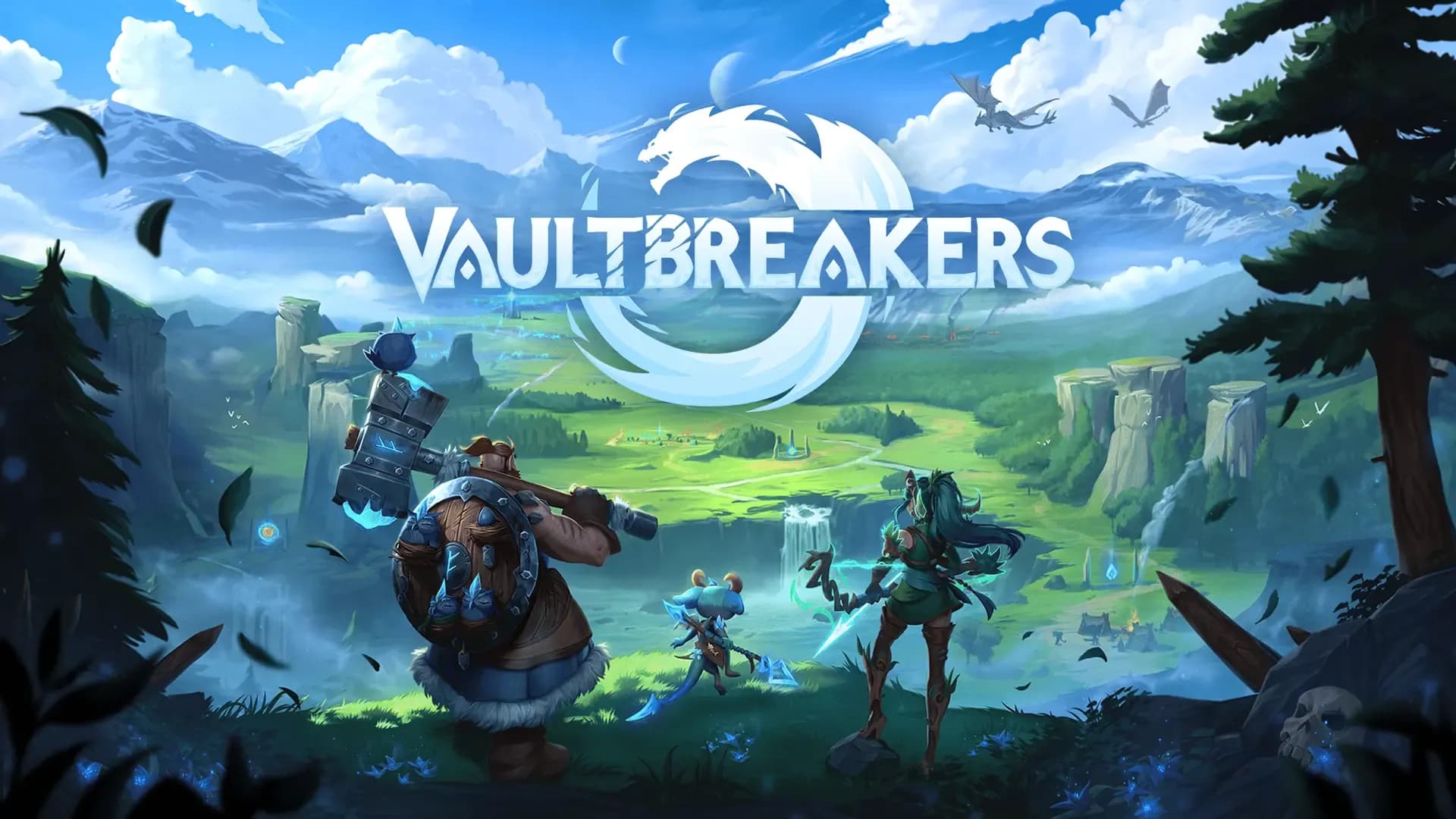
A fast-paced isometric extraction action RPG set in a dark, corrupted fantasy universe, merging the high-octane combat of classic ARPGs with the unrelenting stakes of full-loot extraction. Players ste...

Quick take:Vaultbreakers is a fast-paced isometric extraction action RPG that bridges adrenaline-fueled ARPG combat with the unrelenting stakes of full-loot survival. Developed by Danish studio BetaDwarf and published in partnership with Square Enix Collective, the game reimagines session-based looter mechanics through top-down, non-target brawler gameplay. Featuring solo and three-player expeditions, persistent Haven sanctuary development, and ability-altering artifacts, it challenges players to balance the lure of ancient sky-citadel relics against the ever-present threat of deadly corruption and rival hunters.
For years, the extraction subgenre remained almost entirely tethered to methodical, mil-sim first-person shooters. Yet the recent wave of hardcore dungeon crawlers proved that the sheer terror of losing hard-earned loot thrives just as effectively in dark fantasy realms. Danish developer BetaDwarf—veterans of the cooperative arena brawler Forced and the competitive hybrid battler Minion Masters—approached the formula from a distinctly fresh angle. Teaming up with the Square Enix Collective publishing label, they distilled the suspense of extraction into a responsive isometric hack-and-slash brawler defined by skillshot precision and razor-sharp evasive maneuvers.
The narrative foundation of Vaultbreakers begins with a celestial catastrophe. High above the fractured continents once drifted an immortal sky-citadel: the Dragonvault. For uncounted ages, this soaring monolith housed ancient relics and lost primordial magics. Without warning, the stronghold shattered, raining colossal burning fragments across the wilderness like a cataclysmic meteor shower. Along with shattered vaults and glittering treasures came the Corruption—a toxic, reality-warping blight that twisted indigenous fauna into rabid beasts, raised forgotten dead, and drove clockwork defense automata into berserk frenzies.
In the wake of this disaster, surviving outposts rallied around an elite caste of daring mercenaries known as Vaultbreakers. Stepping into the boots of these champions, players embark on an overarching expedition: to fight their way through infected biomes, establish footholds beneath the floating ruins, breach the shattered gates of the Dragonvault, and vanquish Maldrakor—the ancient, corrupted dragon lord whose will drives the relentless monstrosities below.
Yet reaching this final showdown is not a matter of traversing linear story corridors; it requires surviving dozens of lethal, high-stakes deployments. Unlike traditional isometric ARPGs where players passively hoover up hundreds of trash items while running through mobs on autopilot, every excursion into the wilderness in Vaultbreakers is governed by strict time limits and acute spatial awareness. In these condensed session runs, every second matters: locating cracked vault capsules, cutting down elite guardians, dodging ambushes from rival squads, and defending extraction beacons against swarming hordes. The game establishes its ground rules immediately: a relic is only as valuable as your ability to carry it back across the threshold alive.
The defining design pillar of Vaultbreakers lies in transposing the tension of modern extraction shooters into an agile isometric action RPG. In traditional tactical shooters, survival frequently boils down to slow corner-camping and audio triage. Here, the overhead vantage point and focus on kinetic mobility turn every raid into a high-tempo dance of death, where a single positional misstep or mistimed cooldown punishes players with the instantaneous forfeiture of their entire haul.
Each expedition begins with a tactical drop into an instanced corrupted region—either as a lone operative or within a coordinated trio. Once boots hit the ground, the clock begins ticking against an escalating danger meter. The Corruption sweeping across the map is dynamic: lingering too long on resource nodes empowers local monsters with hardened shields, enraged attack speed, and toxic mutation affixes. As players navigate the wilderness, they crack open fallen vault caches, neutralize cultist enclaves, and hunt down premier rewards: ancient Artifacts and rare building catalysts needed for base development.
The true psychological crucible manifests when deciding when to call it quits. Vaultbreakers enforces the golden rule of the extraction genre: death wipes your backpack clean. Should your champion fall in combat before reaching an extraction gate, all unbanked blueprints, raw materials, and in-run relics vanish permanently. You return to your hub empty-handed, having squandered valuable consumables and time. This omnipresent jeopardy forces squads into constant tactical triage: do you extract right now with three solid rare relics, or gamble your lives on a wandering world boss guarding a legendary chest?
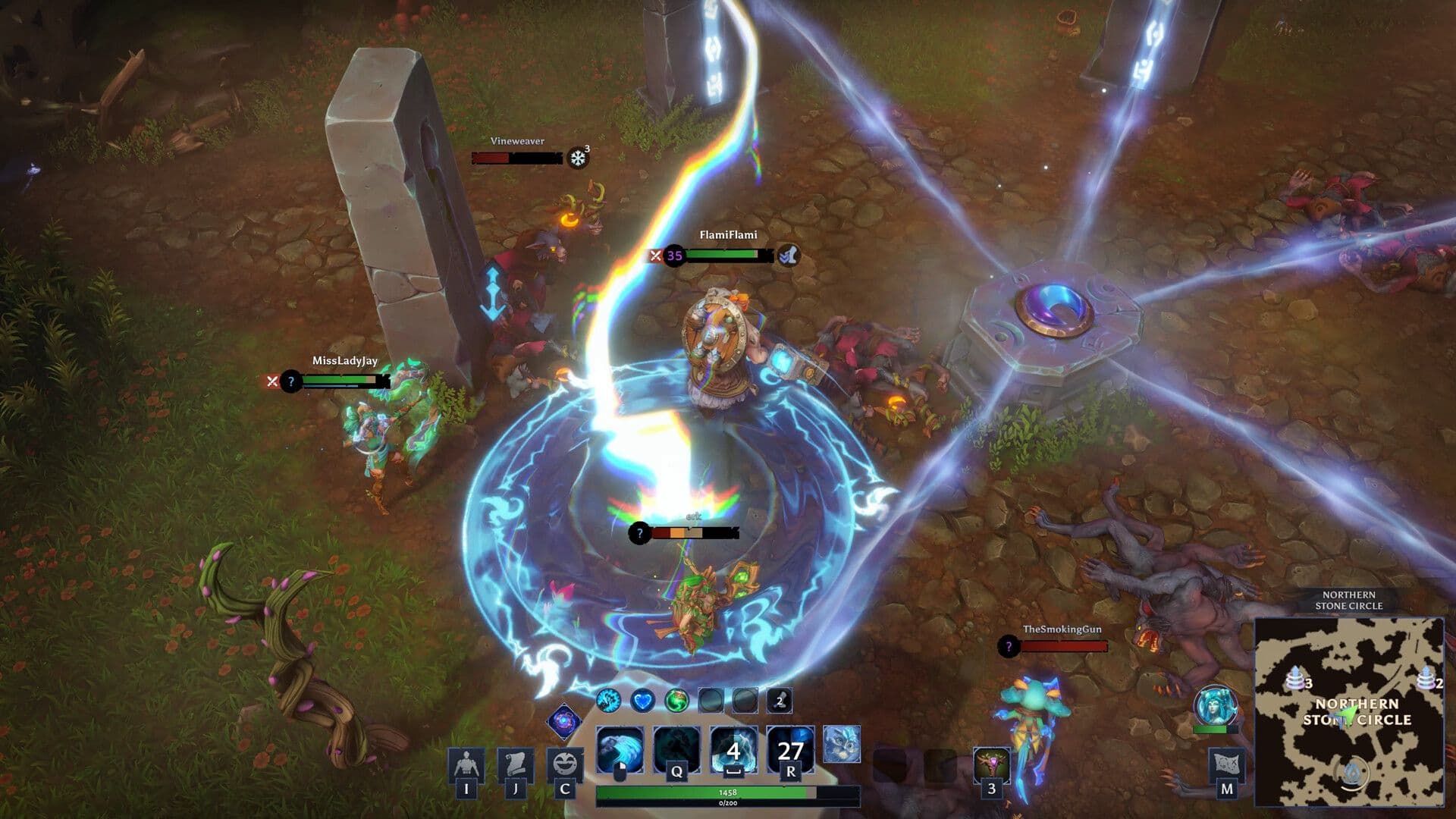
Even with pockets bulging with pristine loot, extraction is never a free ticket home. Exit points take the form of ancient Extraction Beacons and teleporation gates scattered across the perimeter. Activating a beacon initiates a lengthy channeling sequence: the device groans to life, projecting a blinding vertical beacon into the sky while broadcasting an ominous acoustic siren across the surrounding area. This alarm acts as an irresistible dinner bell. Corrupted beasts surge out of the foliage, while competing players across the sector pivot toward your location. For dozens of agonizing seconds, your squad must defend a claustrophobic perimeter, parrying waves of adds while vigilantly screening chokepoints for player flanks.
To accommodate diverse playstyles and let newcomers learn ability synergies without constant heartbreak, the developers instituted two core deployment modes. The first is a dedicated cooperative PvE Mode, populated solely by AI monsters and roaming bosses. This serves as a vital proving ground for stress-testing untested builds, mastering map geometry, and steadily stockpiling base construction materials. The second is the ruthless Breaker Mode (PvPvE). In this cutthroat environment, the game reveals its full competitive depth: rival player squads actively stalk contested objectives, bait extractions, and launch opportunistic strikes on teams weakened by boss encounters. Emerging victorious from a contested extraction yields an unmatched adrenaline high, while wiping seconds before the portal triggers delivers a bitter lesson that only sharpens your resolve for the next drop.
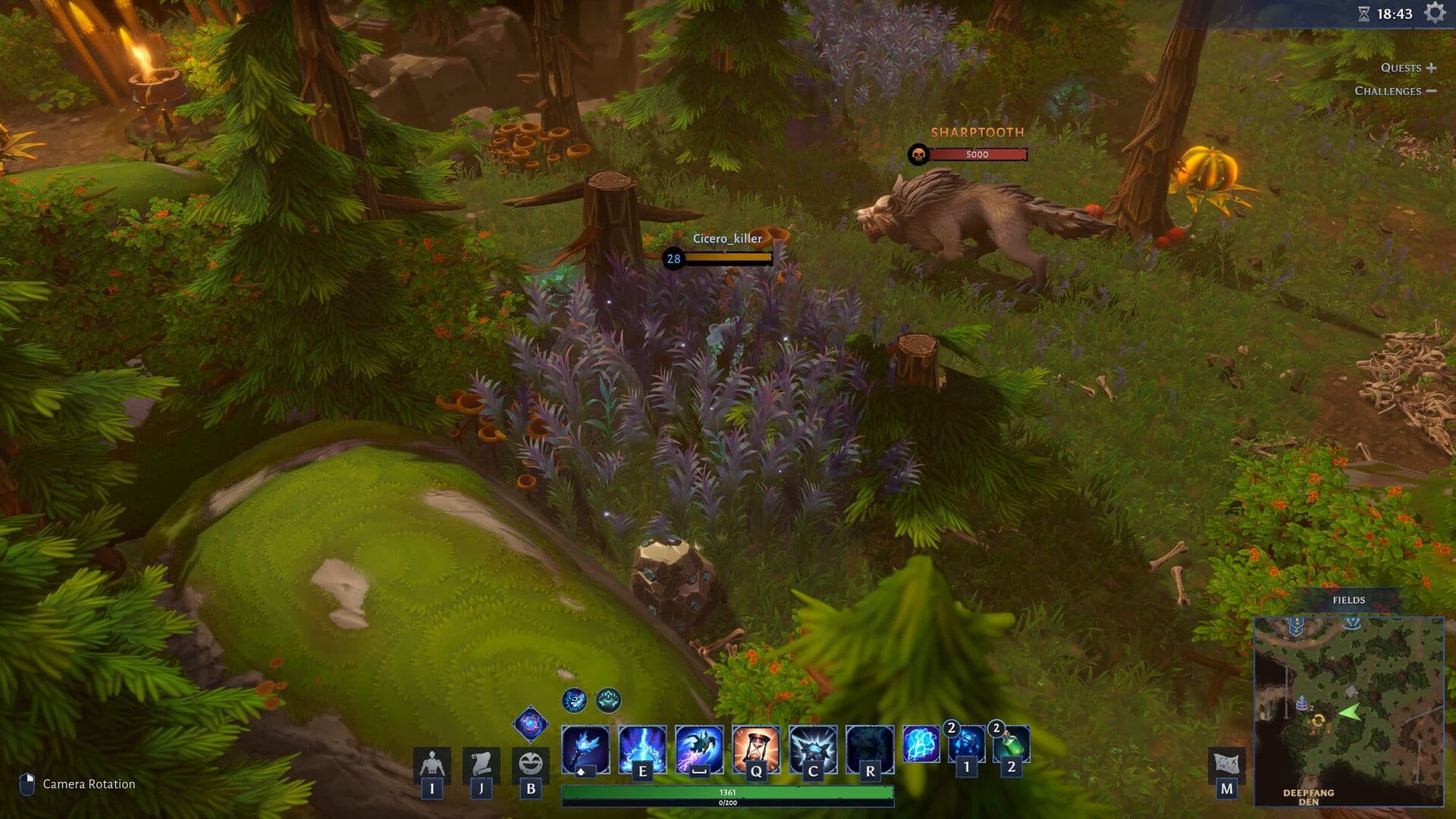
Combat in Vaultbreakers decisively rejects tab-target automation in favor of high-precision non-target action, where every strike and spell requires intentional cursor aiming. The layout draws immediately from established MOBA and ARPG ergonomics: basic attacks are tethered to the left mouse button, two core tactical abilities map to the right mouse button and the Q key, a game-changing Heroic ultimate triggers on R, and active evasions reside on the spacebar.
That spacebar roll serves as the cornerstone of every duel. Tapping it grants a razor-thin window of invulnerability frames (i-frames). Rolling through an incoming dragon breath cone or phasing cleanly under an elite golem's hammer swing separates tactical veterans from players who find themselves waiting on the revive screen. Because ability animations carry tangible weight and recovery delays, reckless button-mashing commits your champion to extended wind-ups that leave you entirely exposed to enemy counter-attacks.
Rather than relying on blank-slate avatar creators, BetaDwarf implemented a bespoke roster of Champions, each fulfilling distinct battlefield roles through specialized resource systems and ability kits:
Compositional balance and team synergy dictate the outcome of high-tier engagements. A squad combining a durable frontline anchor, a nimble ranged damage dealer, and a zone-control specialist easily dismantles high-difficulty Corruption waves and efficiently isolates disorganized opponents in tense PvPvE skirmishes.
Had the itemization in Vaultbreakers merely chased incremental statistical increases—like stacking percentage armor or raw attack damage—the combat loop would have quickly grown stale for seasoned ARPG veterans. The true triumph of its progression model lies in qualitative skill metamorphosis: a champion's baseline ability kit is merely an uncarved foundation, designed to be radically warped and redefined by ancient Artifacts.
Artifacts are discovered dynamically in the field. Players unearth them from cracked vault chambers, scavenge them from secret caches, or rip them from the corpses of sector bosses. Once slotted into active equipment sockets during an expedition, an artifact instantly mutates the mechanical properties of a corresponding ability. For instance, equipping a frostbound relic to Bjornir causes his standard downward chop to propagate a jagged glacier fissure along the terrain, damaging and slowing enemies at mid-range. When Nymera slots a tempest shard, her single-target charged arrows split on impact into three homing lightning bolts, while Lumiri's automated flora can be transformed into corrosive spore pods that reduce enemy physical damage resistance.
This dynamic architecture demands mid-run improvisation. Unlike traditional MMORPGs with rigid talent trees locked in stone for dozens of hours, expeditions present unpredictable relic drops ranging from tarnished uncommon gems to incandescent legendary vault cores. Players must constantly pivot their combat style: a morning run as Bjornir might lean into full defensive crowd control, whereas an early blazing artifact drop in an afternoon match forces you to pivot into an aggressive, burn-stacking DPS powerhouse.
The complementary pillar of character design is configured within the sanctuary of your hub through Perks. As you level up champion mastery, you unlock persistent passive modifiers: bonus cooldown reduction on your evasive roll, expanded pickup radius for vitality orbs, elemental damage conversion, or initial resource generation upon entering combat. These perks provide a consistent baseline, cushioning your champion against early-match fragility before your inventory fills with top-tier loot.
The critical dilemma hinges on brutal inventory restrictions and gear slot management. Throughout an expedition, players face excruciating trade-offs: do you equip a newly scavenged artifact to secure an immediate survival spike against a nearby roaming titan, or do you stash it safely into your backpack to guarantee its extraction for crafting and deconstruction back in Haven? Overconfidence in Vaultbreakers carries a heavy toll: hoarding unequipped treasures for future glory often leaves your champion underpowered, leading to a tragic demise just corridors away from an active extraction gate.
The adrenaline-fueled chaos of expeditions in Vaultbreakers finds its structural purpose within the peaceful walls of the central operations hub—the Haven. If high-stakes deployments test your reflexes, mechanical execution, and split-second spatial awareness, the Haven rewards long-term strategic planning. Every salvaged scrap metal crate, refined Corruption crystal, and extracted blueprint successfully carried through the extraction portal becomes a permanent brick in fortifying your settlement against the dying world.
When you first arrive, the Haven is little more than a bleak, ramshackle campsite populated by scattered refugees gathered around a flickering campfire. However, as players reinvest hard-won spoils, the sanctuary expands visually and mechanically. Constructing a blacksmith forge enables the smelting of salvaged junk into durable armor and dependable baseline weaponry. An alchemist's laboratory allows for brewing vitality tinctures, detox antidotes, and warding elixirs prior to descending into noxious caverns. Expanding the research workshop unlocks extra passive perk slots for your Champions, turning raw recruits into battle-hardened specialists.
At the center of hub life lies your personal Stash. A sacred repository for extraction enthusiasts, the Stash houses your reserve armory, pristine legendary artifacts, and valuable building materials that you dare not risk during routine reconnaissance runs. Stash management is an art form in itself: players constantly evaluate deployment economics. Do you venture out in disposable uncommon gear to minimize risk upon sudden death, or do you deploy your prized epic broadsword to overpower a quest boss, knowing that an ambush could gift your crowning jewel to an opportunistic looter?
The settlement is anchored by a colorful cast of non-player characters (NPCs), each offering interlocking faction contracts and lore-rich assignments. The master weaponsmith requests salvaged servomotors from clockwork automatons, the field apothecary sends you deep into spore-choked thickets for virulent botanical samples, and the enigmatic archivist pieces together fragmented celestial tablets. Completing these directives yields more than mere gold and experience: advancing your faction standing rewards essential gateway keys required to unlock portal pathways into the upper tiers of the Dragonvault.
The catch in this metagame architecture is the uncompromising link between base growth and successful extractions. Unlike conventional role-playing games where failed missions still grant consolation experience, a string of catastrophic runs in Vaultbreakers brings settlement development to an absolute halt. Late-tier facility upgrades demand rare catalyst ores that are fundamentally absent from casual PvE zones. The game intentionally coaxes players out of their comfort zones, funneling them straight into the high-risk crucible of competitive PvPvE sectors where progression must be defended with steel and blood.
The fractured landscape of Vaultbreakers makes no pretense of being a welcoming high-fantasy kingdom. This is a ruined, convulsing continent scarred by celestial impact. Procedural map generation reconfigures sector layouts, chest locations, patrol corridors, and extraction beacons with every fresh deployment. Memorizing static "optimal farming routes" is impossible: survival depends on reading mini-map radar telemetry, maintaining sharp spatial reflexes, and adapting to dynamic environmental hazards.
During current playtests, expeditions primarily venture across two high-contrast biomes, each demanding a distinct tactical cadence:
Enemy behavioral AI leans heavily into aggressive positional pressure. Rather than standing still as stationary targets, monsters actively contest positioning: agile skirmishers attempt to flank your rear line, cultist sharpshooters fire from behind heavily armored vanguard units, and virulent Corruption kamikazes charge blindly, threatening to coat your entire squad in corrosive slag. Elite monstrosities come equipped with elemental resistance auras, layered energy barriers, and wide-arc cleaves that mandate flawless i-frame dodge rolls.
The crescendo of any deep excursion into the wild is the sector boss encounter—towering cosmic abominations and ancient citadel custodians. These battles unfold across structured, multi-phase engagements: bosses paint the arena with telegraphed ground markers, summon defensive waves of adds, unleash shockwaves, and enter lethal enrage states at low health pools. Defeating these titans showers the area in a glittering fountain of epic artifacts, rare crafting ores, and progression keys needed to breach the gates of the Dragonvault and confront the corrupted dragon lord Maldrakor.
Yet in competitive PvPvE play, felling a boss is also the most perilous moment of the match. A protracted boss fight drains squad resources—depleting healing tinctures, exhausting heroic ultimate cooldowns, and taxing player stamina. The acoustic roar of a dying titan and the immediate objective beacon flare visible on the shared map act as an unmistakable beacon for rival hunters. Too often, the triumphant euphoria of downing an elite guardian ends in tragedy when a rested enemy squad pounces from the shadows, executing wounded survivors to claim the spoils without breaking a sweat.
The multiplayer architecture of Vaultbreakers is deliberately tuned for high social density and fierce competitive friction. While the developers preserved the capacity for lone wolves to explore corrupted sectors independently, the true depth of tactical synergy emerges within three-player squads (Trios). The game naturally cultivates class interdependence: while Bjornir anchors aggro and freezes charging bruisers, and Lumiri seals escape corridors with razor brambles, Nymera is free to deliver devastating armor-piercing volleys from uncontested vantage points.
Operating solo provides a fundamentally distinct gameplay experience compared to squad deployment. In solo play, you become a ghost: cracking a single high-tier chest requires intense paranoia, and tangling with even two elite sentinels simultaneously invites an abrupt trip back to the main menu. In trios, squads gain vital forgiveness through in-combat revives, allowing coordinated teams to recover from sudden positional mistakes. Yet the scale of combat escalates accordingly: hostile teams coordinate target-focusing, rotate defensive shields, and chain ultimate abilities to turn narrow ravines into blazing abattoirs.
Long-term retention for hardcore players is anchored by robust ranked structures and seasonal trials. The Leaderboards in Vaultbreakers evaluate genuine combat efficiency and bold extraction play rather than mere time investment. Ladder scores are tabulated through difficulty multipliers, sector clear times, the number of defeated Vault guardians, and the net economic appraisal of extracted artifacts per single deployment. Reaching the upper echelons of the ladder unlocks prestigious cosmetic titles, exclusive champion skins, and masterwork base schematics that showcase your status as an elite hunter of the season.
The economic model balances on a delicate fulcrum of continuous scarcity and material sinks. Mastercrafting and enhancing high-tier artifacts consume vast quantities of refined materials, ensuring that player inventories never stagnate with useless junk. Every salvaged gear and refined crystalline shard is either melted down at the forge for enhancement catalysts or traded to Haven merchants for gold bullion. Furthermore, ongoing playtests continue to iterate on player-to-player trade posts and market board infrastructure, allowing god-roll artifacts and rare crafting blueprints to circulate dynamically across the player community.
The primary friction point in the competitive loop during current testing remains matchmaking parity between solo operators and organized premades. A solo player queueing into unrestricted matchmaking pools inevitably collides with disciplined three-stacks communicating via external voice channels with pre-planned ability rotations. Overcoming such synchronized squads alone is an astronomical challenge, making finding reliable teammates for high-tier Breaker Mode excursions an essential prerequisite for sustained endgame success.
The technical foundation of Vaultbreakers is built upon the Unity engine. Choosing this architecture allowed BetaDwarf to focus heavily on expressive art direction and clean combat readability. In stark contrast to hyper-realistic visual styles cluttered with excessive post-processing noise, the aesthetic here emphasizes sharp character silhouettes, high-contrast telegraph cones, and vibrant elemental spell flares. In an isometric brawler where survival hinges on split-second spatial decisions, visual clarity is a fundamental gameplay mechanic in its own right.
Despite its stylized presentation, current public playtests demonstrate that the client demands modern hardware to sustain competitive framerates:
Netcode throughout ongoing test phases demonstrates impressive baseline stability: input latency is minimal, skillshot hit registration for Nymera and Sparkwing feels crisp and deterministic, and desynchronization between clients is rare. Nonetheless, the development team must continue optimizing server scaling to ensure regional stability under full release loads and prevent transient ping spikes during critical PvPvE engagements.
Final verdict from current playtests: Vaultbreakers carves out an enticing niche at the intersection of two beloved genres. It is an absolute must-play for hardcore ARPG fans starved of genuine mechanical risk, as well as extraction veterans seeking a kinetic alternative to methodical military shooters. Conversely, casual players expecting a relaxed, brainless loot vacuum experience will find little comfort here: the Corruption does not forgive mistakes, and the Dragonvault only yields its treasures to those daring enough to stake their entire haul on a single triumphant step through the extraction gate.