 Buy To Play
SpiritVale
MMORPGEarly access
SpiritVale is a class-based action MMORPG from Australian indie studio Baikun Interactive, set in the fractured world of Nevaris. Choose from seven cl...
Minimum and recommended PC specs to run the game
← Back to game reviewIf your PC can run this game, you'll also be able to play these:
Buy To PlaySpiritVale is a class-based action MMORPG from Australian indie studio Baikun Interactive, set in the fractured world of Nevaris. Choose from seven cl...
 Free To Play
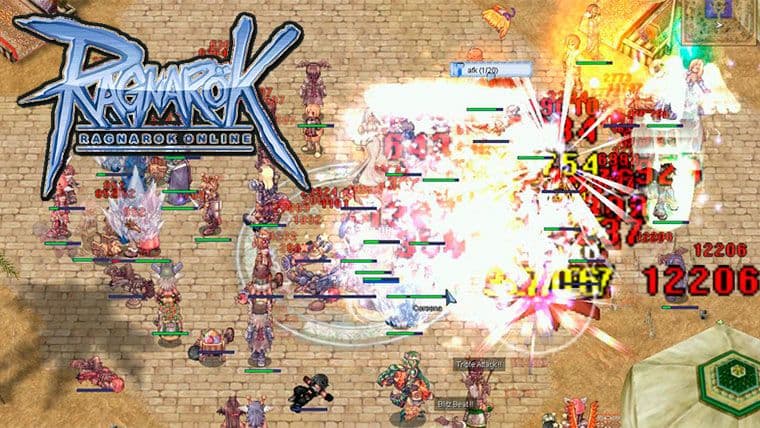
Ragnarok Online has been running since 2002, and the card system it introduced — socketing monster drops into weapons and armor — is still one of the ...
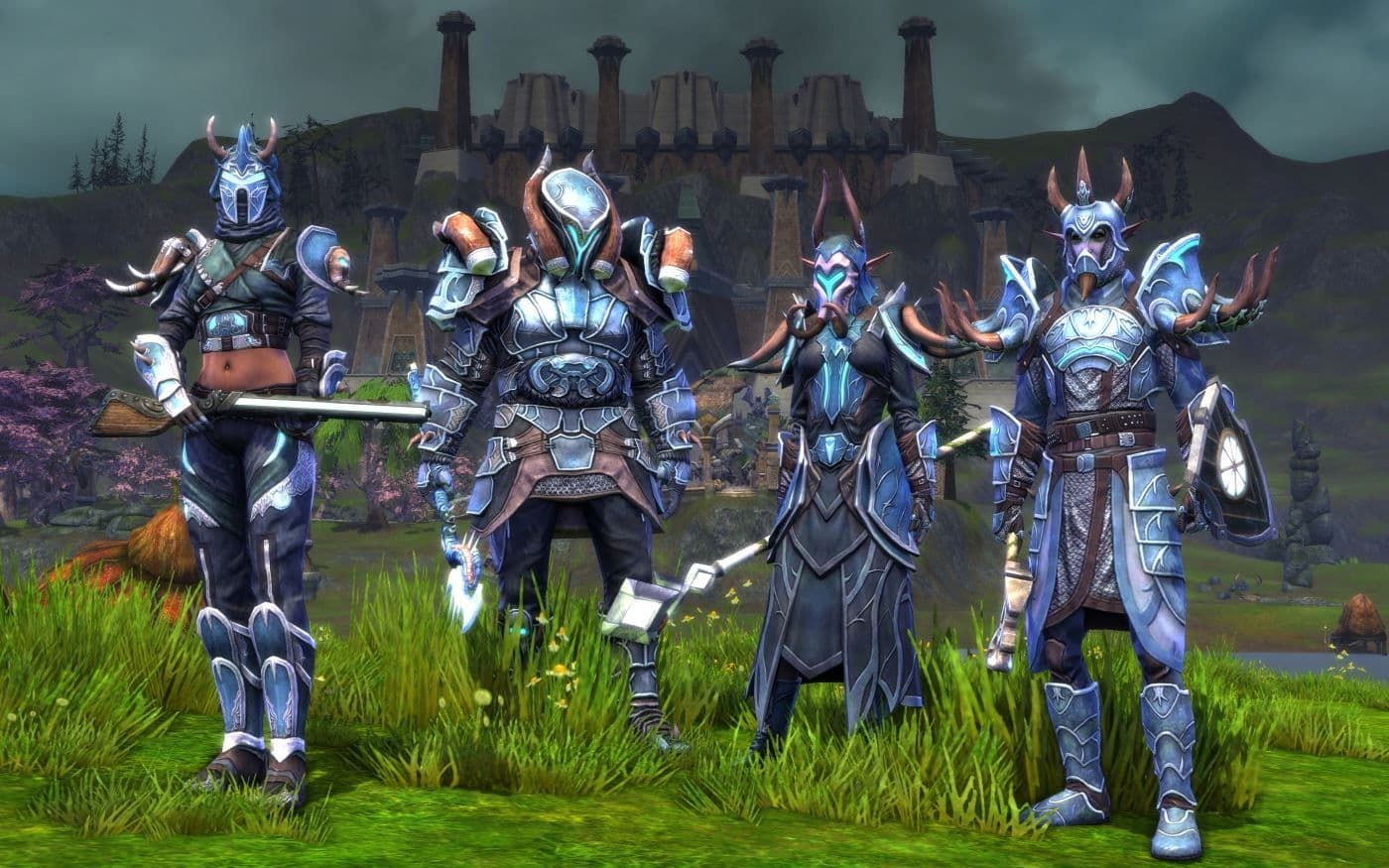
Rifts tear open across the sky at random, spilling elemental invaders into Telara and forcing nearby players to drop what they're doing and fight them...
World of Warcraft: Forever runs on a heavily modernized 64-bit iteration of the Classic engine, compiled against modern graphics APIs including DirectX 12 and Apple Metal. While the game faithfully preserves the handcrafted, low-polygon art direction of the 2004 original, its underlying rendering pipeline and network architecture have been re-engineered to leverage multithreaded geometry draw calls, volumetric lighting shaders, and dynamic regional realm-less server infrastructure.
First, the Central Processing Unit (CPU) and core topology. While an entry-level quad-core processor meets baseline requirements, real-world smoothness depends overwhelmingly on single-core instruction throughput (IPC) and clock speed. The simulation loop, server packet processing, and actor state coordination are bound primarily to a single critical thread. During 40-player raids or massive open-world clashes between Southshore and Tarren Mill, the CPU continuously computes complex threat tables, spell collision matrices, aura calculations, and area-of-effect crowd control timers. High IPC and generous L3 cache pools prevent severe frame drops during intense spell rotations.
Second, Graphics Processing and Video Memory (VRAM). Thanks to optimized geometry and stylized hand-painted textures, graphics demands remain exceptionally reasonable: a baseline of 2 GB of VRAM (GeForce GTX 960 or Radeon R9 280) is sufficient for 1080p play. However, maxing out visual settings at high resolutions calls for 4 GB of dedicated VRAM (GeForce GTX 1660 or Radeon RX 5500 XT). The extra video memory acts as a dedicated buffer for extended terrain view distances, dense ground foliage, and overlapping particle effects generated by dozens of spellcasters in Blackrock Mountain raid zones.
Third, System Memory (RAM). An 8 GB RAM footprint handles leveling zones and basic dungeons adequately. However, 16 GB of RAM is strongly advised for dedicated adventurers. The seamless world spanning two continents without loading screens demands aggressive background caching of sound banks, character models, mount assets, and environmental textures. Ample system memory eliminates hitching during high-speed transit between regions and provides comfortable headroom for complex user interface addons.
Finally, Disk Footprint and Storage Media. The complete client footprint occupies approximately 30 GB of storage space. While the game can physically launch from a mechanical hard drive (HDD), installing the client on a Solid State Drive (SSD) is practically mandatory for a hitch-free experience. Solid-state storage virtually eliminates texture streaming delays, dramatically accelerates dungeon gateway transitions, and prevents visual pop-in when entering bustling capital cities during peak hours.