 F2P · Live
Lineage 2 Essence
Lineage 2 Essence is NCSoft's free-to-play take on the classic Korean MMORPG Lineage II, built around faster…
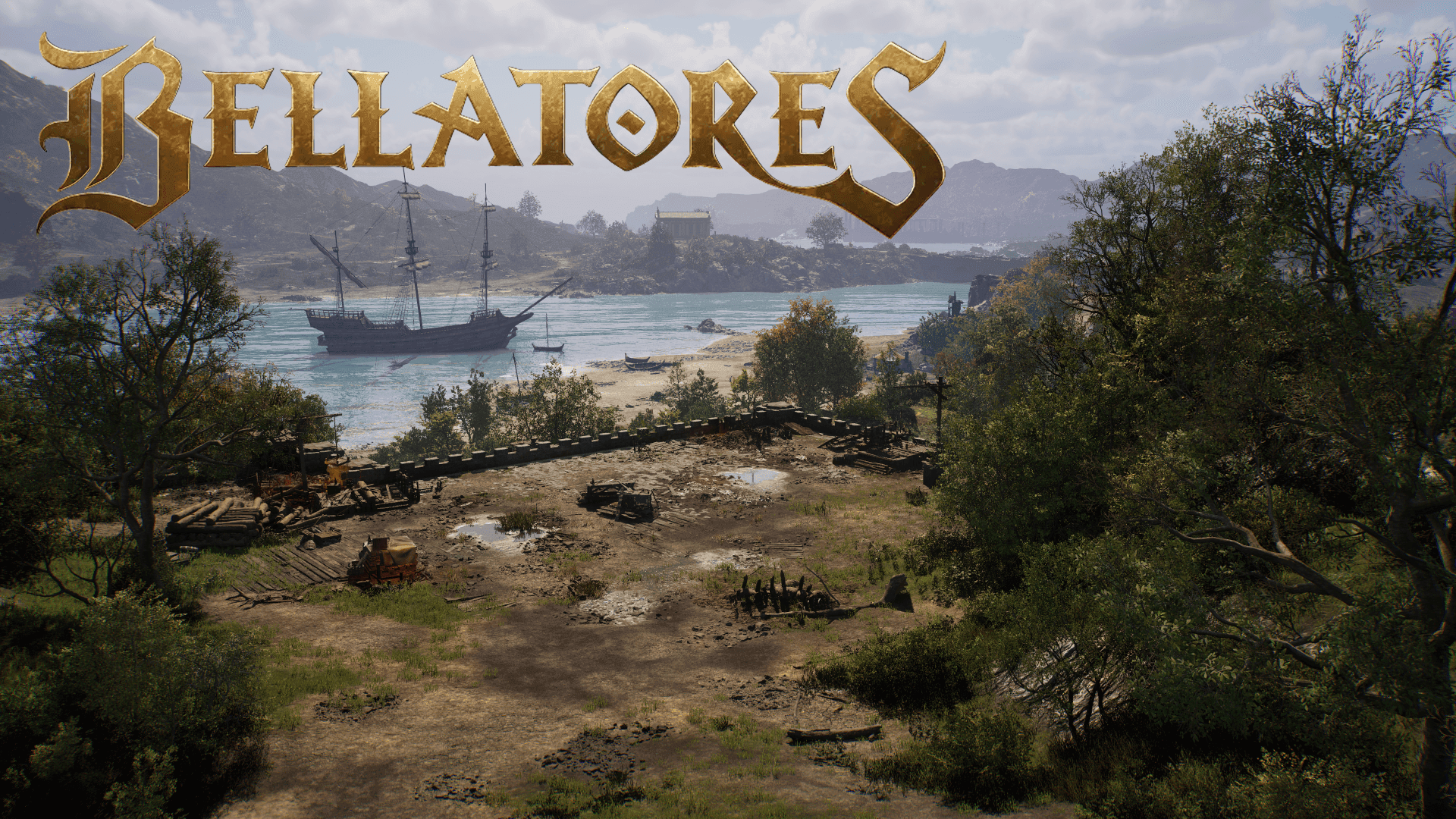
Five great houses are locked in a struggle for land, power, and wealth in Bellatores, a classless medieval fantasy sandbox MMORPG from South Korean developer NYOU. Built on Unreal Engine 5, the game l...
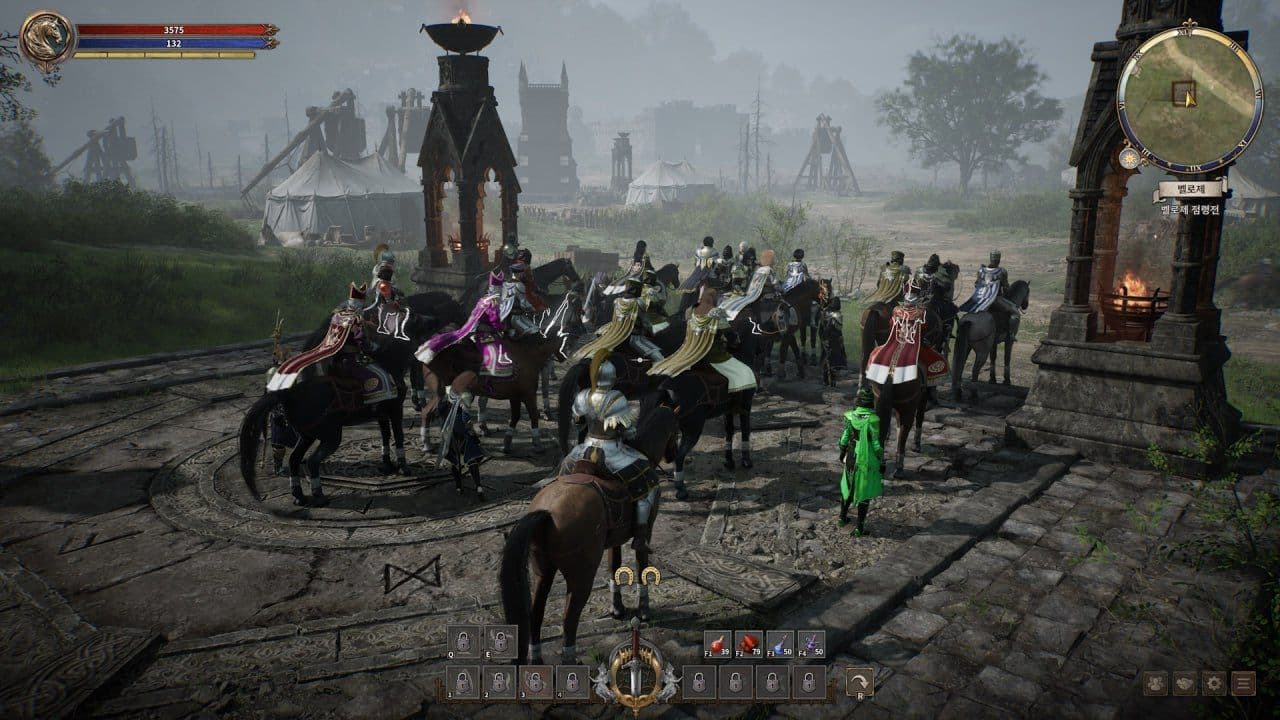
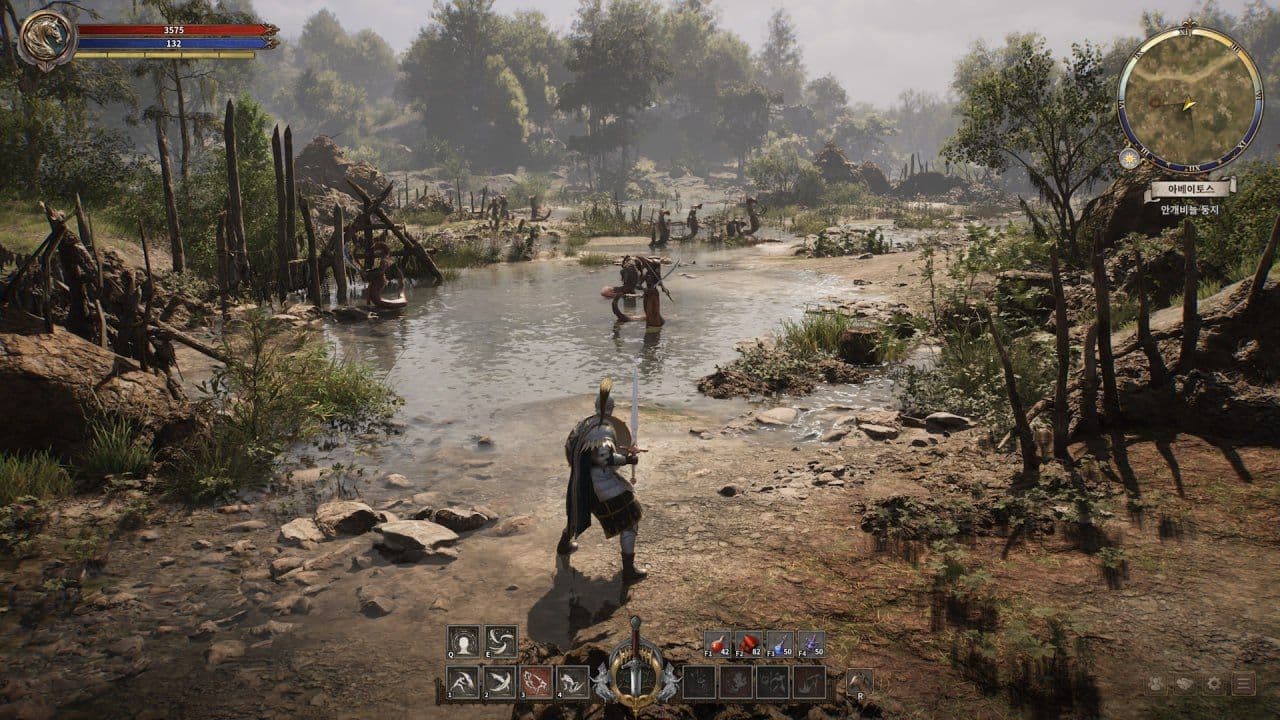
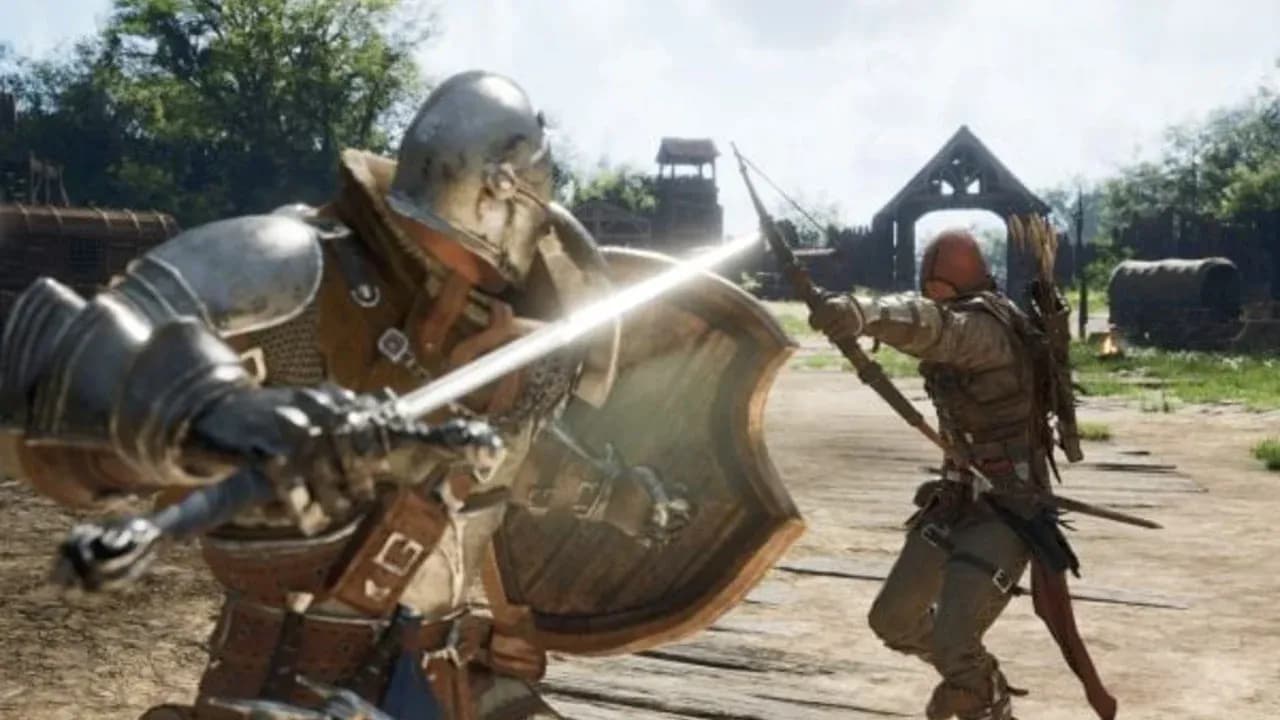
Bellatores is an open-world RvR sandbox MMORPG developed and published by South Korean studio NYOU, first revealed in 2022 under the working title Project N1 and rebuilt from the ground up in the years since. It's the studio's first fully self-owned PC title after a decade of mobile releases, and it's chasing a specific, unfashionable ambition: a medieval world where five noble houses fight for territory, where every piece of equipment is player-crafted rather than looted, and where politics matters as much as combat. The game has not launched. It has run closed beta tests in Korea and is still hunting a Western publisher, so this Bellatores preview covers what NYOU has shown so far and what still needs proving before anyone should treat it as a sure thing.
That caution is worth stating up front because Bellatores has a track record of slipping. It was pitched to investors as a 2022 project, raised a substantial funding round the following year, and quietly missed an initially floated 2024 release window before a single public test had even run. None of that makes the concept less interesting — it just means the gap between what NYOU is promising and what NYOU has actually shipped remains wide, and this preview treats that gap as the central question rather than an afterthought.
Aetheria is a fantasy kingdom left leaderless after the death of a tyrannical monarch, and into that vacuum step five noble houses — Grendal, Guntfell, Collin, Aindal, and Erhard — each with its own culture, territorial claims, and reasons to distrust the other four. Choosing a house at character creation isn't cosmetic: it sets your starting allegiance, your battlefield role in the game's realm-versus-realm structure, and your access to that house's crafting and political systems. NYOU has been explicit that this framing is deliberate; the studio wants players to feel the weight of belonging to something bigger than a guild tag, closer to swearing fealty than joining a clan. The tested builds have so far only unlocked two of the five houses, so the full shape of that five-way rivalry — and whether the game can balance it without one house simply dominating the map — remains unverified.
Two Korean closed beta tests have run so far, the first in the summer of 2025 and a second, broader one roughly a year later, each opening on Steam to Korean IPs and each capped at a handful of days. New characters dropped straight into house territory with a starting weapon and were pushed toward the game's three core content pillars: Occupation War, faction-versus-faction assaults on enemy castles; Territory War, a guild-scored mode where groups compete to control a contested zone while fighting off a boss; and open Boss Raids, available to anyone regardless of house. Later test days included an NPC that fast-tracked characters to higher-level content, a tacit admission from NYOU that the early leveling curve wasn't the point of the test — the sieges and raids were.
That NPC shortcut says something honest about where Bellatores stands. This isn't a polished onboarding experience yet; it's a studio stress-testing its endgame systems on a small, willing audience and openly asking for the rough edges to be reported. Community feedback from the first test described the early build as stiff — awkward hit registration, a combat feel that hadn't caught up to its own ambitions — and NYOU's own public statements between tests acknowledged reworking "rigid" gameplay based on exactly that criticism.
Bellatores is pitching itself at two different players at once, and the beta builds so far read very differently depending on which one you are.
If you came for the RvR — the sieges, the house wars, the promise of a real Realm-versus-Realm structure instead of a themepark's optional PvP flag — the appeal is the combat's mid-development identity crisis. Bellatores began life on Unreal Engine 4 with a tab-targeting system pitched as a throwback to EverQuest and classic World of Warcraft. Somewhere in development, NYOU tore that up: the current build runs on Unreal Engine 5 with full action combat, stamina-managed dodges, telegraphed enemy attacks, and the ability to swap between two equipped weapons mid-fight, each with its own rhythm and skill set. Later developer statements describe a hybrid that keeps some tab-target-style targeting assistance layered under that active-combat skeleton, which suggests NYOU is still calibrating exactly how twitch-based it wants the game to feel. For a PvP-focused player, that's the central open question: sieges built around a still-shifting combat model are a harder sell than sieges built on a system the studio has already committed to.
If you came for the sandbox economy, the pitch is cleaner. There is no gear looted from monster corpses in Bellatores — every weapon, piece of armor, and tool has to be crafted or traded, and the appearance and stats of what gets made depend on the crafting Mastery of whoever made it. That's the game's central progression idea: instead of classes and levels, characters accumulate Mastery in whatever they actually do, whether that's swinging a specific weapon, gathering a specific resource, or refining a specific material. Expert-tier Masteries are deliberately scarce, which is meant to push players into specializing and trading rather than each person becoming self-sufficient. On paper, it's a genuinely interesting rebuttal to the "solo-craft-everything" problem that hollows out player economies in other MMOs — a blacksmith who's actually good at blacksmithing should matter, and matter to people outside their own guild.
Every house's endgame runs through the same funnel: control territory, hold it, and take it from someone else. Occupation War puts one house's assault force against another's castle defenses in a scheduled, large-scale fight; Territory War layers a guild-versus-guild scoring race with a shared PvE boss threat on top, forcing groups to decide whether to fight each other or the monster first. NYOU has said the intended focus is Realm-versus-Realm rather than open free-for-all ganking, with PvP against individuals or rival guilds possible but secondary to the house-level conflict — closer in spirit to Dark Age of Camelot's three-realm structure than to a full-loot open-world sandbox. Mounts exist, though mounted combat is still described as something the studio is only exploring rather than shipping. None of this has been tested at anything like a live server's population or duration; a five-day beta with two of five houses active can show whether a siege is fun in isolation, but not whether the faction balance holds up once thousands of players and a real economy are involved.
The Mastery system is Bellatores' clearest departure from genre convention. There's no class select screen and no fixed leveling path — combat Masteries unlock new effects for whatever weapon you're using, while non-combat Masteries improve gathering yields and crafting success rates. Because you can freely swap between two equipped weapons, a character's identity ends up defined less by a class label and more by which weapon pairing and which Masteries they've actually invested time into. It's a system with obvious potential and an equally obvious risk: without classes to anchor group roles, NYOU has to make sure healing, tanking, and ranged damage all remain distinct and desirable through weapon choice alone, and that's exactly the kind of balance question a short beta test can flag but never fully answer.
Is Bellatores pay to win? Nobody can honestly answer that yet, and that's worth saying plainly rather than guessing. The beta builds tested so far haven't included a cash shop, and players who went hands-on with the Korean tests reported nothing resembling one. NYOU hasn't announced a business model — free-to-play, buy-to-play, and subscription are all still on the table, and a publisher hasn't been locked in for most territories that would typically dictate that choice. Astrum Entertainment has confirmed it will publish Bellatores in Russia and the CIS in 2026, and NYOU has signed a localization deal with the Gamania Group covering Taiwan, Hong Kong, and Macau, but no Western publisher or pricing model has been announced as of this writing. Given how central player-crafted equipment is to the design, a monetization scheme that lets money buy crafting materials or finished gear directly would undercut the entire economic premise — that tension is worth watching once a business model actually gets revealed.
The testing cadence matters here as much as any single system. NYOU didn't run a public test until its first Korean closed beta in the summer of 2025, three years after the initial reveal and a reported $33.3 million funding round. A second Korean beta followed roughly a year later with an expanded content slate — Occupation War, Territory War, and Boss Raids all playable rather than the narrower combat-and-progression sandbox of the first test — alongside confirmation that a global release is still being targeted for 2026, with unofficial reporting pointing to a possible fourth-quarter window. NYOU has been transparent that it's iterating on player feedback between tests rather than rushing to ship, which is the right instinct for a game this systems-heavy, but it also means the studio has spent four years getting to "still testing in one region," and the gap between announced ambition and shipped content that opened this preview hasn't closed much since.
What NYOU is attempting with Bellatores is more interesting than most medieval MMORPG pitches this generation — a Mastery system that replaces classes with what you actually spend your time doing, an economy that refuses to let loot drops replace player labor, and an RvR structure built around five houses instead of a generic PvP flag. None of that is proven yet. The studio is still mid-rebuild on its own combat system, has only shown a fraction of its promised content in testing, and hasn't said a word about how it plans to make money. That combination of real design ambition and real unanswered questions is exactly what a preview, rather than a review, is for. If you're the kind of player who tracks a game through years of beta cycles because the concept alone is worth the wait, Bellatores has earned a spot on that watchlist. If you're looking for something to actually play, there's nothing here yet — check back when NYOU announces a Western publisher and a business model, because both of those will tell you more about the finished game than anything a five-day Korean beta can.