 Buy To Play
SpiritVale
MMORPGEarly access
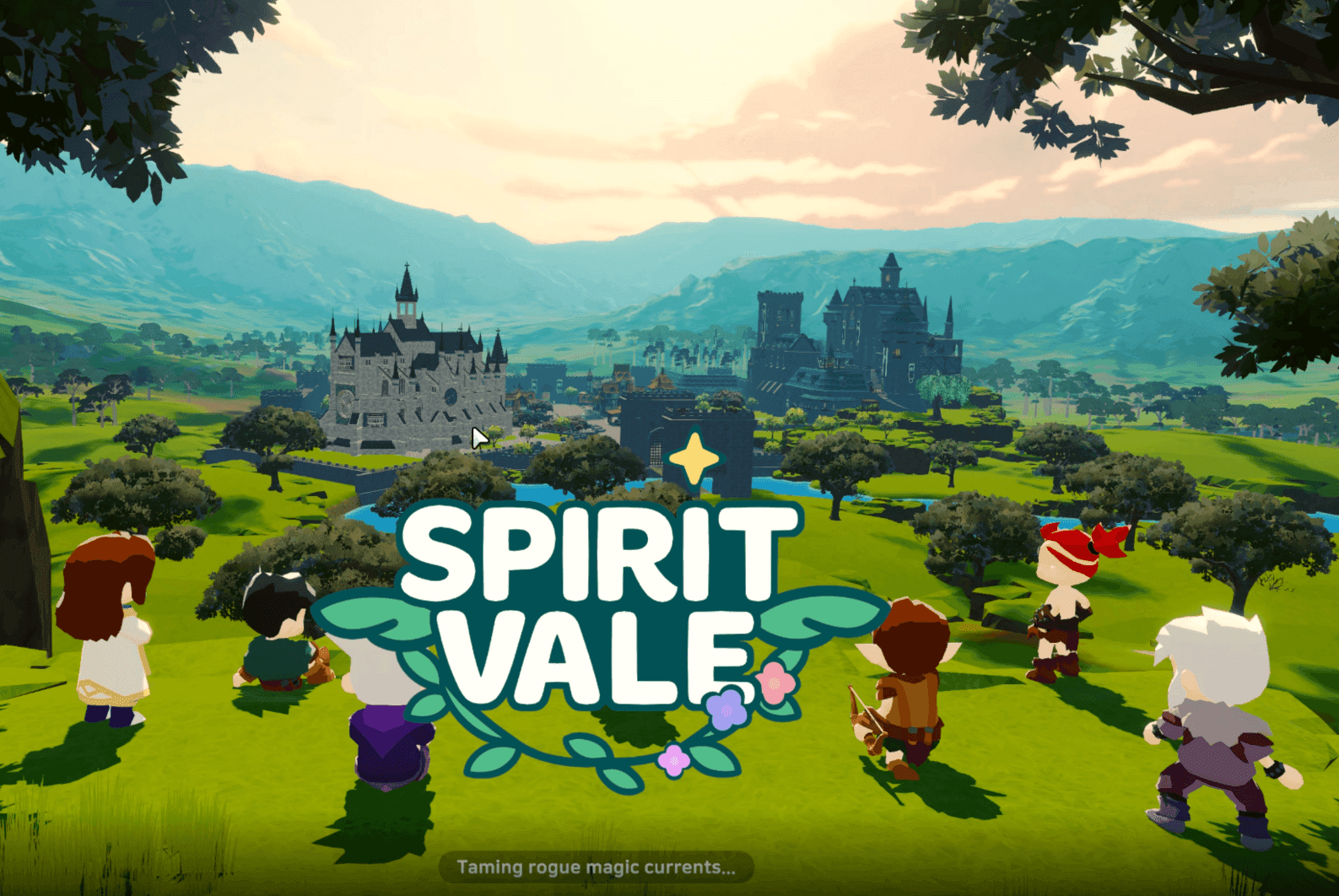
SpiritVale is a class-based action MMORPG from Australian indie studio Baikun Interactive, set in the fractured world of Nevaris. Choose from seven cl...
Minimum and recommended PC specs to run the game
← Back to game reviewIf your PC can run this game, you'll also be able to play these:
Buy To PlaySpiritVale is a class-based action MMORPG from Australian indie studio Baikun Interactive, set in the fractured world of Nevaris. Choose from seven cl...
 Free To Play
MapleStory is a free-to-play 2D side-scrolling MMORPG from Nexon that has run continuously since 2003, now home to more than 260 million registered ac...
 Free To Play
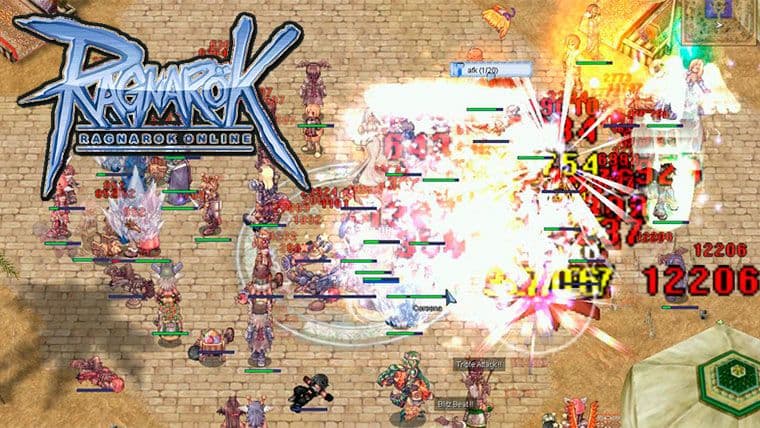
Ragnarok Online has been running since 2002, and the card system it introduced — socketing monster drops into weapons and armor — is still one of the ...
Blade & Soul Live runs on a heavily customized Unreal Engine 4 pipeline, having completed a comprehensive engine migration in September 2021 as part of the massive "Revival" update. Transitioning from the legacy 32-bit Unreal Engine 3 client to a modern 64-bit DirectX 11 architecture enabled physically based rendering (PBR), dynamic volumetric lighting, and advanced particle effects. However, the architectural nature of Epic Games' engine in a massively multiplayer environment preserves a heavy reliance on balanced PC hardware, requiring sustained synchronization between the rendering thread and the game's high-frequency combat simulation modules.
The Central Processing Unit (CPU) remains the primary hardware component dictating overall gaming performance. The game's intricate action combat loop—performing dozens of hit-registration checks per second, calculating physics-based knockbacks, validating defensive i-frames, and synchronizing multi-segment joint crowd-control mechanics—places immense load on the primary game thread. The engine is exceptionally sensitive to single-core IPC and clock speed: processors with strong single-thread performance deliver consistent frame pacing, whereas older multi-core architectures with lower operating clocks experience noticeable stuttering during coordinated raid bursts in 12-player encounters.
The Graphics Processing Unit (GPU) and Video Memory (VRAM) manage the game's heightened geometric density and intricate multi-layered assets. Blade & Soul's signature aesthetic—highly detailed designer outfits featuring flowing silks, translucency shaders, and elaborate weapon particle effects—generates substantial draw calls in crowded spaces. A dedicated GPU with at least 4 GB of VRAM is essential for fluid Full HD gameplay, while targeting 1440p or 4K resolutions in world boss encounters demands hardware in the class of a GeForce RTX 3060 or Radeon RX 6600 XT with 8–12 GB of VRAM to handle simultaneous Awakening spell effects without sudden frame rate drops.
System Memory (RAM) serves as the indispensable stability buffer for the 64-bit client during extended play sessions. While an absolute minimum of 8 GB RAM allows for basic questing and isolated leveling content, engaging in current endgame activities demands a robust 16 GB RAM configuration operating in high-frequency dual-channel mode. Ample memory headroom prevents catastrophic out-of-memory crashes when transitioning between asset-heavy capital hubs like Kangdo, faction encampments, and raid instances where the engine concurrently caches hundreds of distinct player models and combat animations.
Storage subsystem performance plays a pivotal role in eliminating streaming micro-stutters across open landscapes. The fully patched Live installation occupies approximately 60–70 GB of disk space. Installing the client on a high-speed Solid-State Drive (NVMe or SATA III SSD) is practically mandatory: traversing zones at breakneck speeds via the Windwalk sprint requires rapid asset streaming, and traditional mechanical hard drives (HDD) inevitably trigger jarring hitching at zone boundaries and unacceptably long loading transitions between cross-server dungeon lobbies.