 F2P · Live
Lineage 2
Aden's castles never stay in the same hands for long, and Lineage II has built an entire twenty-three-year…
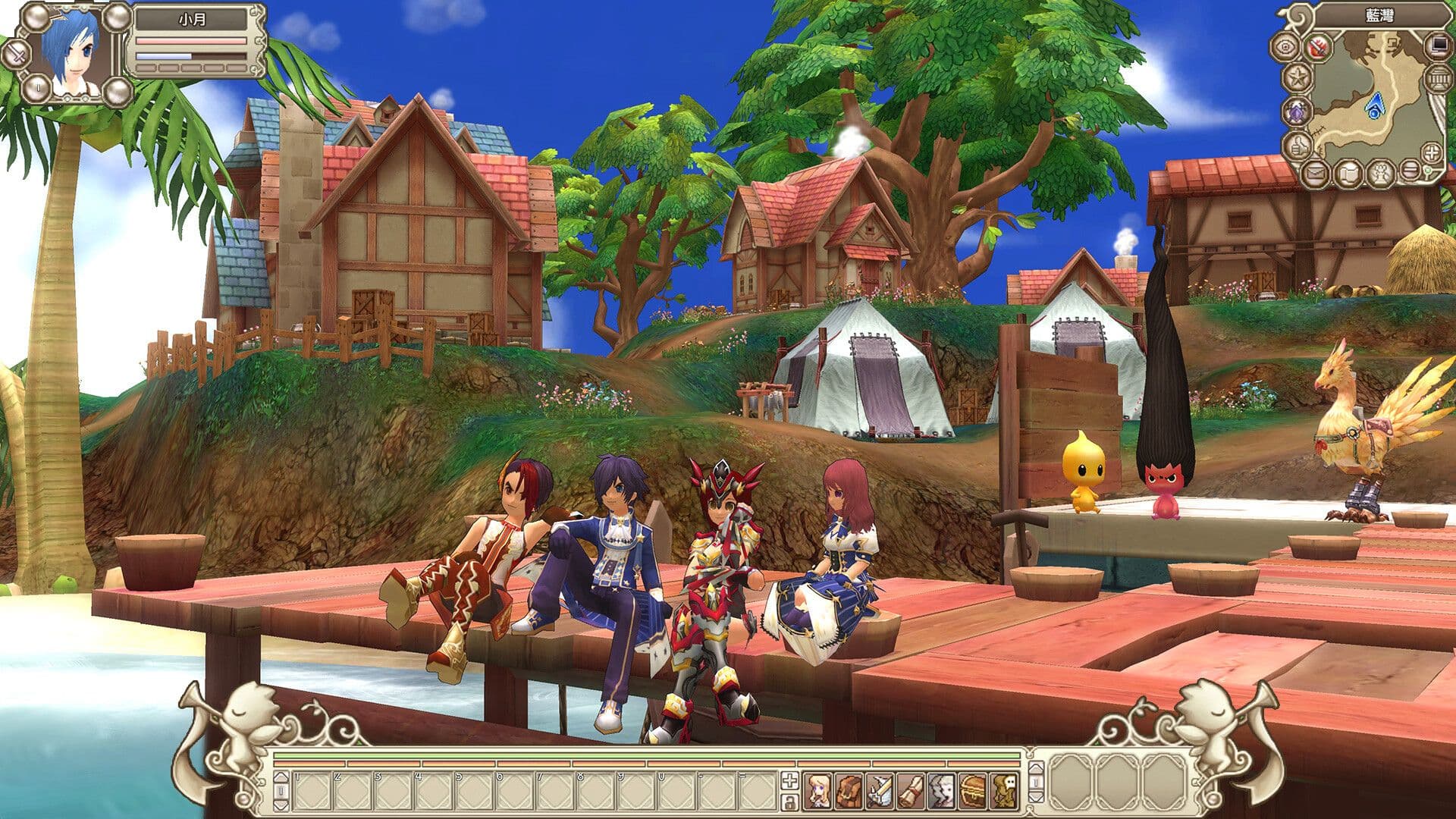
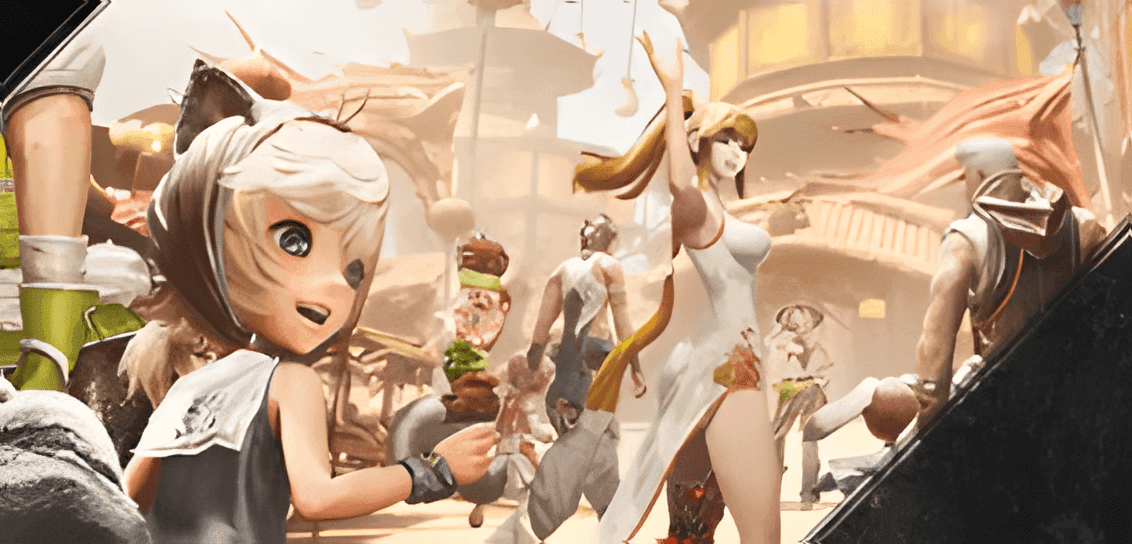
Grand Fantasia is a free-to-play anime-style fantasy MMORPG built around Sprite companions — small creatures that gather materials, craft gear, and fight alongside players through the world of Saphael...
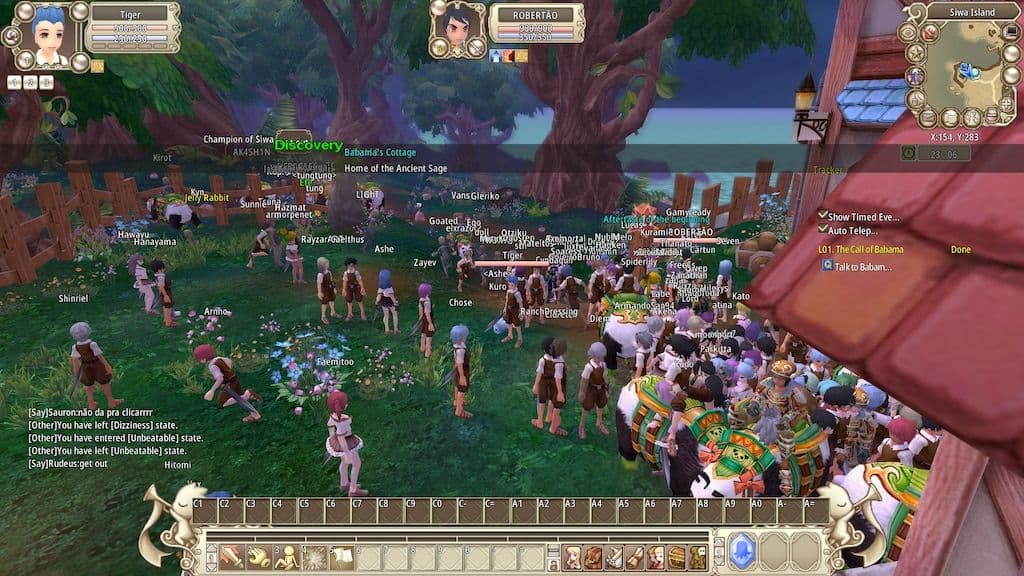
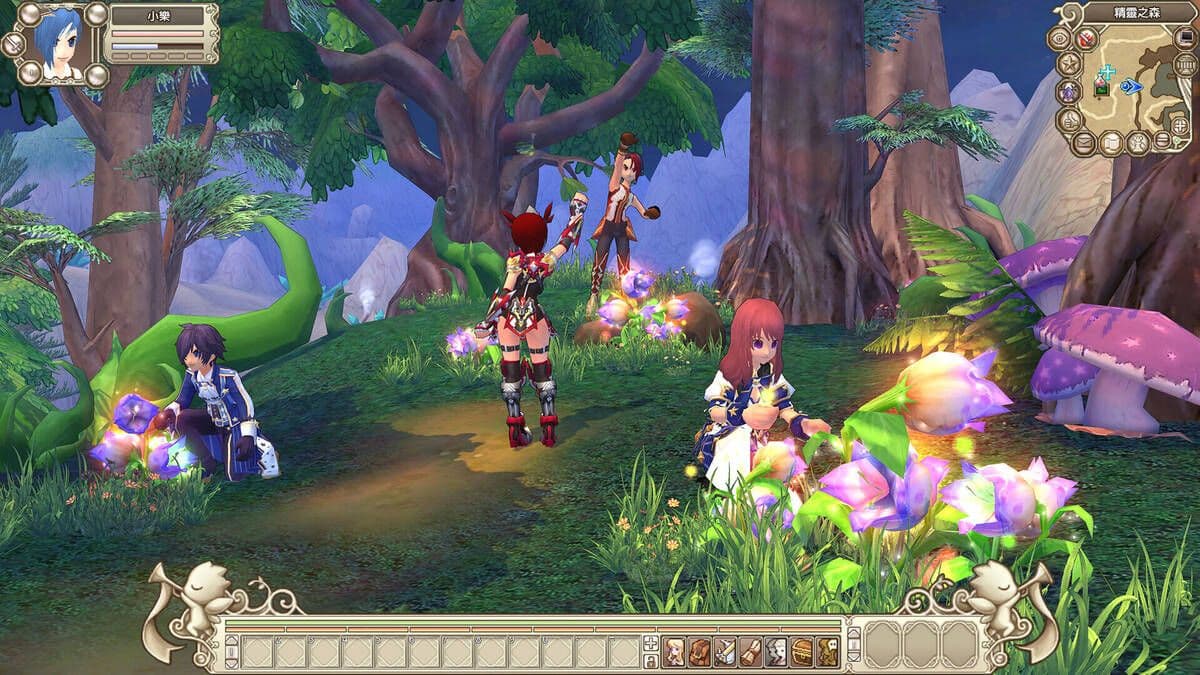
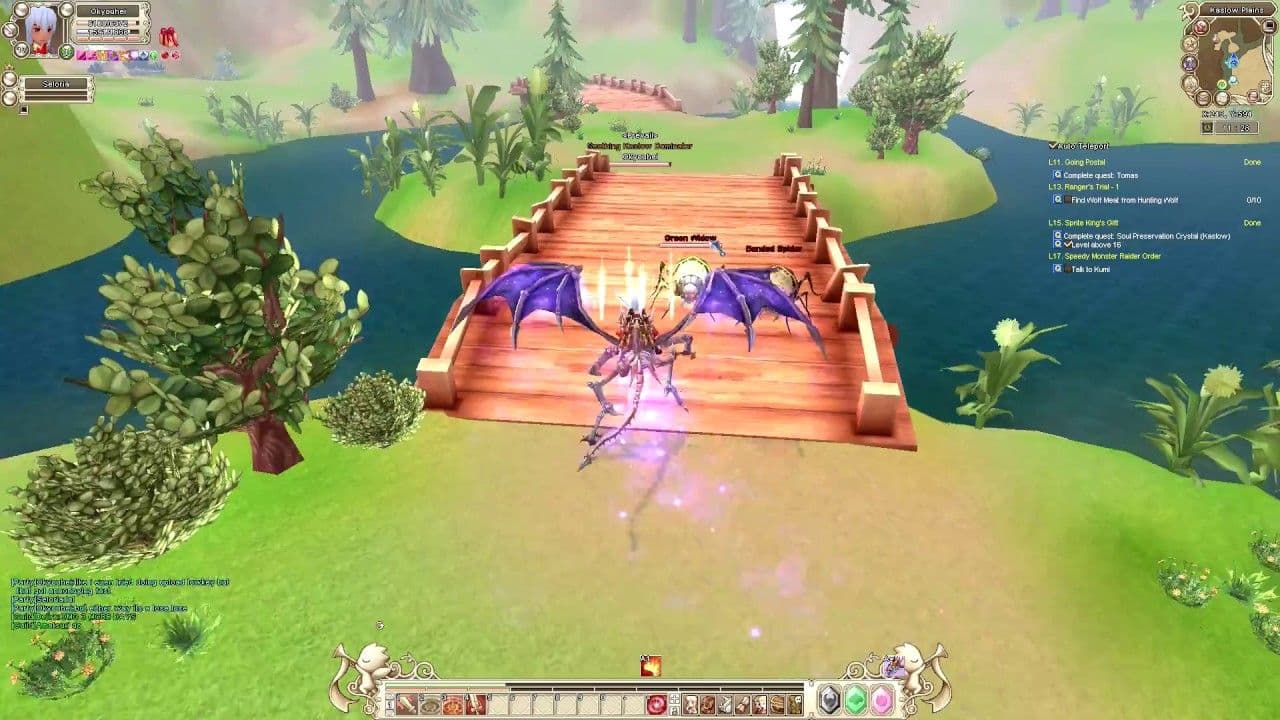
Grand Fantasia is a free-to-play fantasy MMORPG developed by Taiwanese studio X-Legend Entertainment, originally launched in the late 2000s and published in the West by Aeria Games before passing through gamigo and, since 2023, back into X-Legend's own hands. In September 2024, X-Legend relaunched the game globally on Steam as Grand Fantasia: ORIGIN — a graphically overhauled, freshly-served version running on new servers with no connection to the long-running original client. Both versions are technically live in 2026, which makes this less a straightforward review than a question of which Grand Fantasia you're actually asking about.
The world of Saphael has been through a war and is still picking up the pieces, which is about as much plot as the average player will ever need to know. You play a Sprite Messenger, someone able to commune with small magical companions called Sprites who once helped hold the world's balance together, and the story exists mostly as scaffolding to get you from Siwa Island — the starting zone every veteran remembers fondly — out into the wider continent, through forests, rivers, and coastal towns rebuilt on the edges of old battlefields. Nobody logs into Grand Fantasia for the narrative. There's no voice acting, no cinematic staging, and the community itself will tell you as much within the first few minutes of any Steam forum thread. What people log in for is the character-building loop underneath it, and that loop has aged into something genuinely distinctive.
A brand-new account starts as a classless Novice on Siwa Island, working through a short cutscene and a comprehensive tutorial that hands you your first Sprite almost immediately — a small creature that, unlike a cosmetic pet in most MMOs, actually gathers materials and crafts gear for you while you're out fighting. Reach level 5 and you pick your first archetype from four options: Fighter, Hunter, Acolyte, or Spellcaster. That choice branches again at 15 into a second-tier job, and again at 30, where each archetype splits into two specialized paths — a Spellcaster, for instance, forks into an Archmage or a Demonologist. By the time a character is fully specialized, the eight classic classes (Archmage, Demonologist, Prophet, Mystic, Darkstalker, Sharpshooter, Templar, Warlord) cover the usual tank/healer/DPS spread, and ORIGIN adds a ninth: the Ninja, a global-exclusive class that later branches into Secret Agent or Imperial Guard and leans on shuriken techniques and mid-range disruption rather than a fixed melee or caster role. A separate Master system layers a handful of unique passive skills onto any build at later levels, which is less about defining a playstyle and more about smoothing its rough edges.
For a newcomer walking in through ORIGIN in 2026, this opening stretch feels unusually generous by modern gacha-adjacent standards: no energy timers, no login-gated currency, just quests and dungeon runs at your own pace, with standard quests alone providing enough experience to stay near the level cap without hunting down side content. For a veteran who quit sometime around the Aeria Games years and is peeking back in out of curiosity, the early levels look almost identical to what they remember — X-Legend was explicit that ORIGIN reverts several class rebalances from the game's later live years specifically to give returning players their old, familiar builds back. Community threads celebrating the relaunch's anniversary lean hard on that nostalgia: players trade memories of grinding down the "Ancient Giant Baron" on Siwa Island or finally crafting their first legendary yellow weapon, the same landmarks a player from the original launch would recognize instantly. That's a rare move in an industry that usually treats a relaunch as an excuse to redesign everything, and it's the detail longtime players bring up most often when the subject comes up. ORIGIN did make a handful of quieter adjustments alongside the visual overhaul — the "Soul Link" bond between married couples, the "Safe Return" teleport, and the old "Life Drain" effect were all trimmed or reworked, and repeatable quests that let veterans stockpile resources indefinitely were removed in favor of dungeon entry limits, a deliberate attempt to keep the new economy from inflating the way the old one eventually did.
Combat itself is unremarkable to describe and genuinely satisfying to tune. It's tab-target, class-based, and nothing about the animation-canceling or combo depth will impress anyone coming from an action RPG. The actual game is happening in your inventory and skill tree: gear enhancement runs on the familiar +1, +2, +3 ladder, legendary "yellow" weapons and armor carry unique bonus effects worth chasing, and empty gem slots on high-tier gear turn every upgrade into a small resource-allocation puzzle. Skills themselves aren't handed out for free, either — they unlock as you hit the level requirement, but you still have to buy them outright with gold, and at the higher tiers that bill adds up fast enough that budgeting which one or two skills to afford this week becomes its own small game of triage. Layer Talent Cards on top — modular passive bonuses you slot in and swap out to answer a specific fight or a specific PvP matchup — and a fully built endgame character ends up being less a fixed build than an ongoing spreadsheet exercise, not unlike watching a stat sheet in an idle game slowly bend to your will.
The Sprite system is where the game earns its identity, though. You can own up to three Sprites at once, and each one leans toward different gathering and crafting specialties, so picking sprites for your class and your professions matters more than the tutorial lets on — a common new-player mistake is pairing a spellcaster with a sprite built for smithing swords, which produces almost nothing useful for that character. Veterans describe raising a Sprite in near-tamagotchi terms: you feed it, level it alongside you, and eventually decorate a small house for it in ORIGIN's new housing feature, dressing it in its own cosmetic outfits and picking out furniture for its room. A recurring piece of community feedback calls this the game's best-designed system precisely because building even a semi-optimized Sprite takes real effort without ever feeling arbitrary — every hour spent on it visibly pays off in gathering speed or crafting quality later. It's a slower, gentler system than most MMO companion mechanics, and it's aged better than the combat has. ORIGIN's fresh coat of paint helps here more than anywhere else in the game — water ripples, foliage, and lighting were singled out specifically in patch notes as overhauled, and a Sprite's little furnished house is exactly the kind of detail that benefits from it.
Sprite crafting feeds directly into the auction house, and the auction house is where a returning veteran will notice the biggest shift in tone. Ask around the Steam discussions and you'll get two contradictory answers about spending: newer voices point to a heavily monetized cash shop with plenty to buy outright, while veterans counter that almost anything purchasable can also be farmed and sold for gold on the open market — the game rewards patience the way a farming sim rewards patience, not the way a shooter rewards a wallet. Both answers are true simultaneously, which is a more honest description of a decade-old free-to-play economy than either camp gives it credit for.
Guilds add a second economic layer through Guild Farms, small plots where members plant seeds looted from field drops. Some yield buff fruit or dungeon teleports, others sprout monsters that drop currency for guild-exclusive vendors. It's a slow-burn system, closer to a chore list than a minigame, but it gives a guild's economy a reason to function as a unit instead of forty separate wallets.
Instanced dungeons scale from solo-friendly to full ten-player groups, and a well-geared character can solo a surprising amount of what used to require a party — a point of pride for veterans and a genuine accessibility win for anyone without a regular group. The honest caveat, one that comes up constantly in player feedback threads, is that most dungeons exist to feed the crafting and gold economy rather than to test coordination; don't walk in expecting the kind of scripted boss mechanics a raid-focused MMO would build a season around. Community wish-lists tend to circle the same two requests: dungeon drops that reward something beyond raw materials, and a proper duo mode, since the game's marriage and pairing features already encourage couples to play together but the current five- and ten-player structures leave a two-person party either undertuned for a full instance or badly outleveling their partner if one half carries the run.
PvP is where the two audiences split hardest. Duels and multi-team Battlefields have been a series staple since the original release, and Guild-versus-Guild combat gives organized communities a reason to log in together on a schedule rather than drift apart into solo questing. A new ORIGIN player can jump into low-level Battlefields on a level playing field with everyone else on a fresh server, and several longtime players openly treat that fresh start as the real draw of ORIGIN over the classic client — a rare second chance to build a top-tier account without a decade of catch-up first. A veteran chasing the same content on an older, more established server runs straight into the game's oldest and most persistent criticism: gear enhancement has no hard ceiling, and a handful of long-invested or heavily-spending accounts can outscale everyone else by a wide enough margin that a fair fight simply isn't on the table. It's a problem that predates ORIGIN by over a decade and one the relaunch, so far, hasn't solved so much as reset the clock on. Give it another few years of live updates and there's little reason to think the gap won't widen the same way it did the first time.
Guild tools cover the expected ground — customizable ranks, shared guild skills, and Guild Dungeons that unlock for members at level 61, a soft signal that a guild is meant to be a mid-to-late-game institution rather than something you join on day one and forget about. The Guild Farm layers a light bit of communal upkeep onto that: members plant seeds looted out in the field, some of which sprout combat-enhancing fruit or dungeon teleports and others of which spawn monsters guarding currency for a guild-exclusive merchant, turning the guild base into something closer to a shared garden than a lobby screen. Grand Fantasia has also always carried a few social features that most Western MMOs quietly dropped years ago. There's a full in-game marriage system between players, complete with its own bonded skills for couples, and a player statue feature that lets top performers get memorialized in the world itself. None of it is essential to progression, and none of it shows up in a feature-list screenshot the way combat does, but it's the kind of small-world texture that explains why a decade-plus-old MMO still has a community defending it in Steam discussions rather than just farming quietly and logging off.
Yes, with an asterisk the game has earned honestly over sixteen years. The cash shop sells convenience, cosmetics, and enhancement materials directly, and the game's earlier Aeria-published years built it a lasting reputation — fair or not — as one of the more aggressively monetized F2P titles of its generation. What tempers that reputation in 2026 is that nearly everything in the shop can also be earned through in-game gold and sold on the auction house, so a patient free player is never mathematically locked out of an item, only out of the speed at which a spender can reach it. That distinction matters less in casual PvE, where a slower grind is just a slower grind, and matters a great deal in high-end PvP, where speed of gearing is functionally the whole competition. ORIGIN hasn't changed this model; it's simply running it on a fresh server where the gap between whales and everyone else hasn't had sixteen years to compound yet.
The population conversation split the community almost as soon as X-Legend took over publishing directly in 2023, and it hasn't fully settled since. Losing Aeria's Western distribution machinery briefly looked like the beginning of the end, and a handful of long-running Steam and forum threads titled some version of "state of the game" spent much of the following year debating whether the drop in active players was terminal or just a rough transition. Exact concurrent-player figures aren't published for either version, but ORIGIN's Steam review activity gives a rough read: a lifetime score sitting at Mixed across just over 1,200 reviews, with recent 30-day sentiment hovering in similar territory on a much smaller sample. That's not a thriving blockbuster's numbers, but it's also not the review pattern of an abandoned game — it's a modest, dedicated audience that shows up, argues about balance in the forums, and keeps playing anyway. For a genre this crowded, staying power without a marketing budget behind it says something on its own, and the classic client running in parallel outside Steam suggests X-Legend still sees enough of an audience in the old client to justify keeping both alive rather than forcing a single migration.
Picture two players logging in on the same night. One is brand new, rolling a Ninja on ORIGIN's fresh servers, gear score at zero, everyone around them starting from the same line. The other is a veteran who quit a decade ago, poking their head back into a classic-client guild they haven't spoken to in years, half-expecting the game to have moved on without them. Both of them, oddly, find something worth staying for — the newcomer because the class system and Sprite loop are still quietly better-built than most of what's replaced them, the veteran because X-Legend went out of its way to hand old playstyles back instead of erasing them. Grand Fantasia was never going to win anyone over on combat feel or production values, and it isn't trying to now. It's a slow-burn character sheet with a small, stubborn continent wrapped around it, and sixteen years in, it's still finding people willing to sit down and fill that sheet out.