 Free To Play
APB Reloaded
MMOFPSReleased
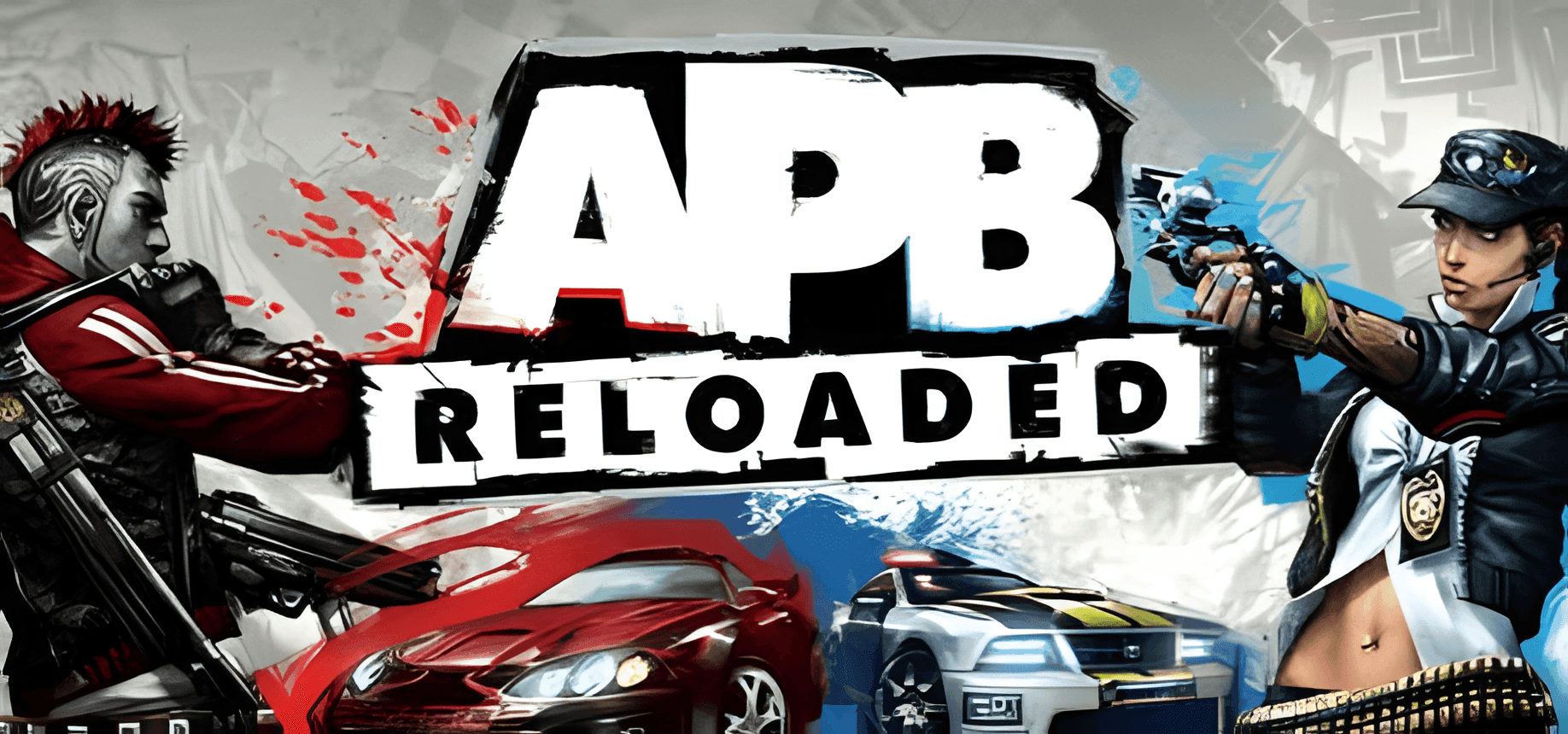
APB Reloaded is a legendary third-person urban MMO action shooter depicting a vicious war between street criminals and licensed enforcers across the o...
If your PC can run this game, you'll also be able to play these:
Free To PlayAPB Reloaded is a legendary third-person urban MMO action shooter depicting a vicious war between street criminals and licensed enforcers across the o...
 Free To Play, Pay To Play
A legendary classless sandbox MMORPG delivering uncompromising progression, rich handcrafted narrative quests, and a fully player-driven economy. In t...
 Free To Play
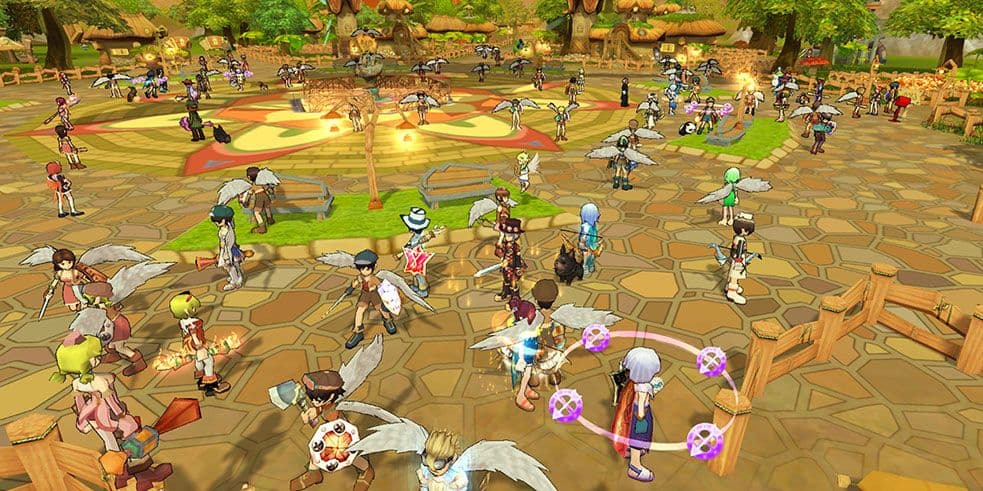
A browser-based rebirth of the legendary classic MMORPG featuring instantaneous launch with zero client downloads. Set in the floating skies of Madrig...
GrandChase Classic runs on KOG's proprietary in-house 2D engine utilizing the DirectX 9.0 graphical API. The technical architecture relies on a hybrid blend of multi-layered 2D backgrounds, sprite particle systems, and 3D cel-shaded character models. Networking operates via a session-based lobby framework utilizing a P2P (Peer-to-Peer) protocol, where combat physics, hitbox collision detection, and enemy behavior routines are calculated locally on the lobby host's machine. This lightweight architecture delivers remarkable optimization across budget PC setups, maintaining a locked and fluid 60 FPS framerate cap.
The Central Processing Unit (CPU) bears the primary operational workload during frantic multi-character dungeon runs. The game engine is heavily tuned for single-thread throughput (Single-Core IPC), managing complex polygonal hitboxes, platform collision geometry, invincibility window calculations (i-frames), and physics trajectories for dozens of juggled mobs simultaneously. While an entry-level dual-core processor such as an Intel Core i3 handles basic story quests effortlessly, a modern quad-core CPU like an Intel Core i5 or AMD Ryzen 3 is strongly recommended to eliminate micro-stutters during screen-wide four-player awakening bursts.
The Graphical Processing Unit (GPU) encounters negligible texture memory overhead due to the sprite-based environments, but faces substantial burst loads when high-density particle effects flood the screen. Simultaneous execution of fourth-tier mana skills (MP4) and cinematic awakening abilities causes sharp spikes in draw call frequency. An entry-level NVIDIA GeForce 510 satisfies basic display needs, but an NVIDIA GeForce GTX 1050 with 2 GB VRAM ensures uncompromising framerate stability during chaotic six-player endgame raids.
System Memory (RAM) serves a critical role in pre-caching hero resources and combat assets. A standard dungeon instance regularly loads four distinct characters featuring specialized job advancement skill sets, animated cosmetics from the Coordi System, summoned gacha pets, and extensive sound libraries. A baseline of 4 GB RAM is sufficient for bootup, but 8 GB RAM configured in dual-channel mode completely eliminates asset hitching when transitioning between dungeon rooms.
Storage architecture imposes modest physical demands, requiring approximately 20 GB of available disk space. While the client functions stably on conventional Hard Disk Drives (HDD), installing the game on a Solid-State Drive (SSD) is strongly recommended. Solid-state storage dramatically reduces room loading screen transitions, ensuring players never lag behind the party when speedrunning timed trials and raid chambers.