 F2P · Live
Lineage 2
Aden's castles never stay in the same hands for long, and Lineage II has built an entire twenty-three-year…
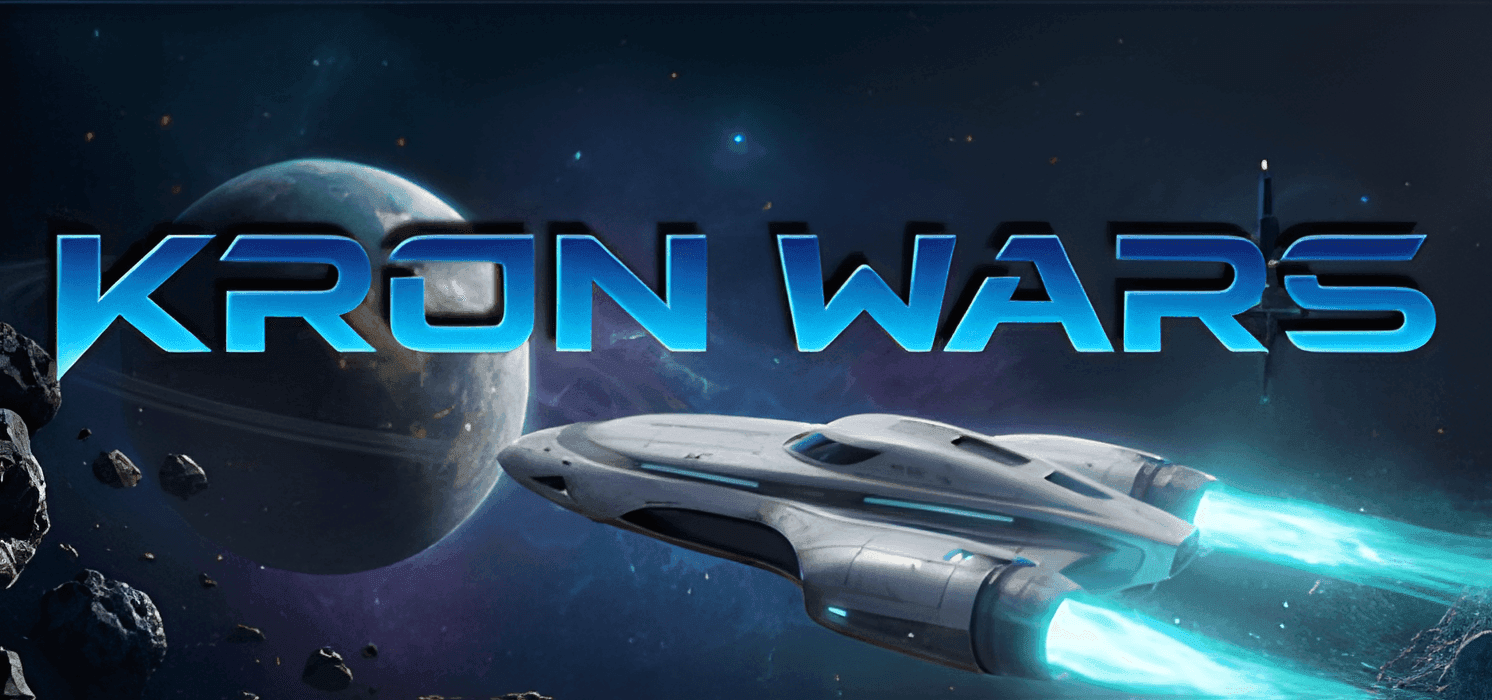
A hardcore browser-based sci-fi sandbox MMO inspired by the 1987 classic TradeWars. Set across a living Frontier of thousands of interconnected sectors, Kron Wars features a player-driven economy, ope...
Quick take:Kron Wars is a hardcore space sandbox MMO developed by independent studio Alien Bulb Studios, currently running in active Closed Beta and accessible directly through standard web browser tabs without client downloads. Reimagining the foundational ethos of the 1987 BBS classic TradeWars through a cutting-edge web stack, the title delivers a persistent universe spanning thousands of interconnected sectors, a player-driven economy, high-stakes open-world PvP, and a groundbreaking signature meta-mechanic where major conflicts physically rewrite the galactic map.
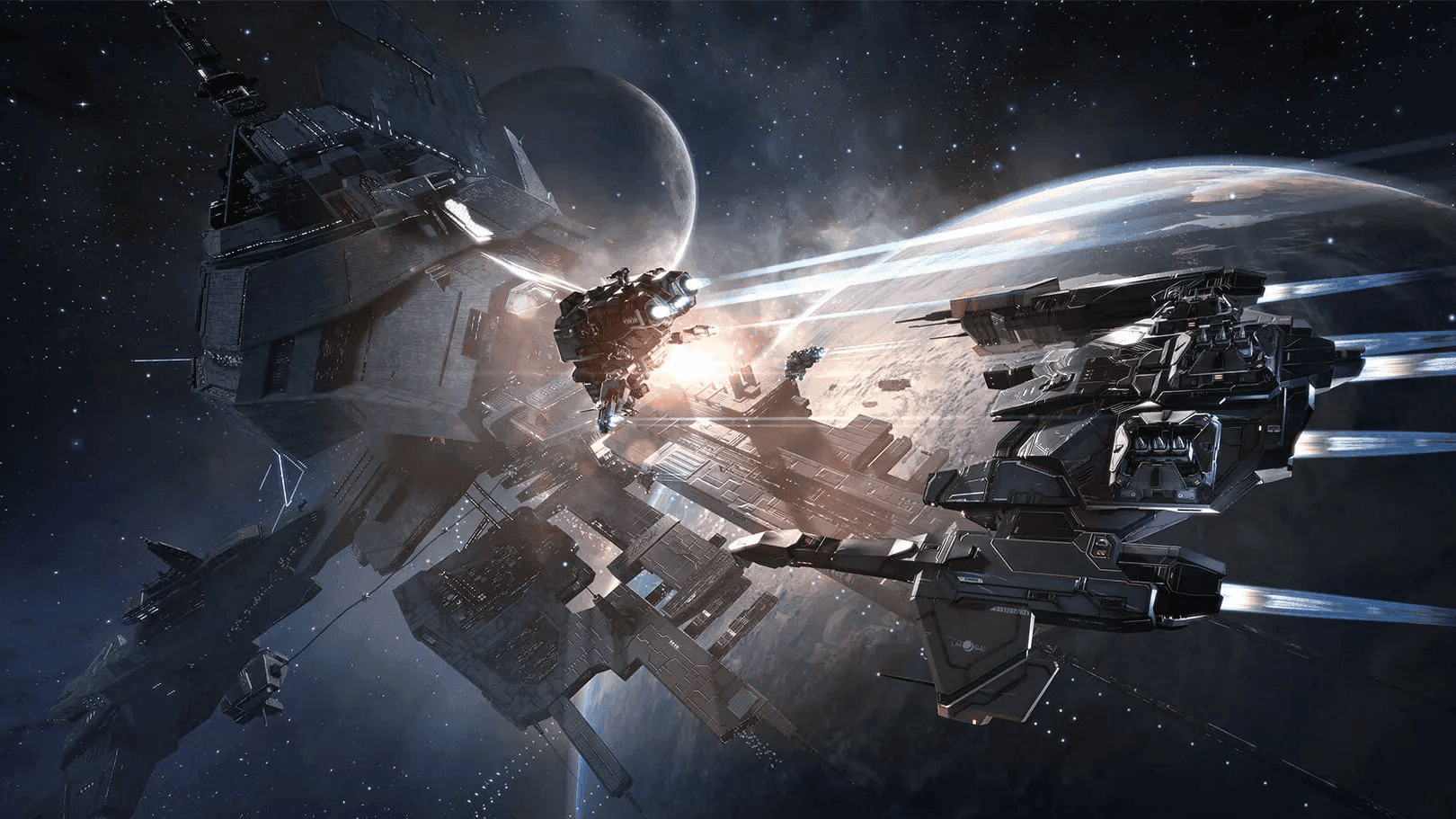
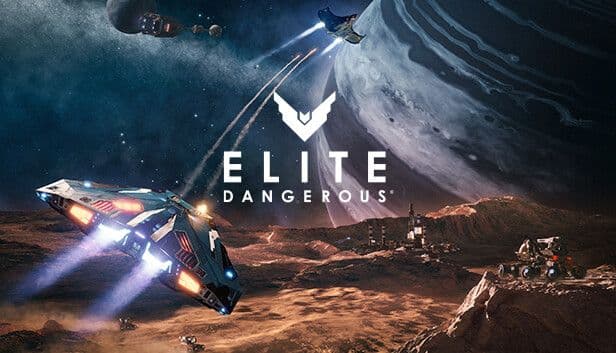
The contemporary space multiplayer simulation scene has long been fractured into two uncompromising extremes. On one side loom towering monolithic institutions like EVE Online, demanding that newcomers digest labyrinthine spreadsheet interfaces, endure months of passive real-time skill queues, and submit to the grueling bureaucratic grind of null-sec coalitions. On the other stand direct-flight epics such as Elite Dangerous and Star Citizen, devouring hundreds of gigabytes of solid-state storage and punishing high-end graphics cards merely to stage meditative cruises between silent asteroid belts. Against this landscape of industrial bloat, the emergence of Kron Wars from indie developer Alien Bulb Studios arrives as a bold, refreshing antithesis to modern genre excess.
Rather than erecting heavyweight launchers, imposing day-one gigabyte downloads, or wrestling with erratic GPU display drivers, the project champions a radical delivery model: a full-scale, persistent space MMO launching instantaneously inside a standard web browser tab. Entering your credentials opens up the vast expanse of The Frontier, a living universe running continuously twenty-four hours a day, seven days a week. When your work laptop is snapped shut or your home desktop powered down, production lines on orbital outposts continue refining rare minerals, automated logistics haulers navigate jump conduits, and rival corporate scouts probe the perimeter lines of your sovereign territory.
The primary inspiration behind the project traces back not to modern live-service trends, but to the golden era of late-1980s terminal computing — specifically the seminal TradeWars 1987 (and its beloved evolution, Trade Wars 2002), which enthusiasts devoured over dial-up modems via Bulletin Board Systems (BBS). That old-school paradigm never relied on cinematic cutscenes or pre-baked lighting; its magic flourished through pristine systemic integrity, ruthless competition over scarce raw materials, tactical territorial blockades, and electrifying social friction, where every hyperjump into an unexplored sector promised either immense commercial profit or instant vaporisation by a pirate ambush.
Kron Wars painstakingly transplants this uncompromising design philosophy into a modern technological ecosystem. Here, you will find no mobile clicker gimmicks, no premium energy bars gated behind microtransactions, and no segregated instanced battlegrounds. Built as a unified global shard, the game convenes traders, asteroid miners, empire architects, opportunistic privateers, and mercenary fleet commanders inside an open crucible of galactic competition where every commander's tactical decision ripples across the wider frontier network.
The central structural flaw haunting nearly all traditional MMO sandboxes is their architectural immobility. No matter how cataclysmic an inter-alliance conflict becomes, and regardless of how many star systems are engulfed in fire, the underlying physical geography of the universe remains forever carved in stone: sector coordinates never budge, jump gates occupy immutable waypoints, and trade routes traverse identical jump lanes year after year. Kron Wars fundamentally shatters this dogma through its signature design pillar: here, war physically rewrites the galactic map.
This dynamic reality is governed by an overarching galactic metric known as The Kron. Every single action carried out across the universe — whether running industrial freight, establishing planetary outposts, intercepting security patrols, blockading trade hubs, or clashing in multi-fleet fleet actions — generates systemic entropy, progressively filling this meta-indicator. Once local tension inside a quadrant reaches critical mass, the region erupts into an epoch of unrestricted war. The aftermath is far more radical than merely flipping a territorial sovereignty flag above a space station: hyperspace corridors destabilize, established jump lines collapse, and sector linkages dynamically recombine across the coordinate grid. An isolated, secure dead-end system where a mining corporation quietly extracted rare isotopes for months can abruptly find itself turned into a high-traffic transit corridor right in the crosshairs of an invading strike armada. Alliances are forced to radically overhaul their supply lines, chart newly minted pathways through the dark, and rebuild defensive bastions on the fly.
Orchestrating such a fluid, ever-shifting spatial topology inside a standard downloadable client would present a daunting engineering challenge, yet Alien Bulb Studios achieved this feat entirely within a browser runtime. The backend infrastructure is architected atop .NET 10, leveraging the distributed virtual actor model provided by Microsoft Orleans. Every individual sector, planetary outpost, player vessel, and drifting cargo container functions as an isolated, high-performance in-memory actor distributed across cloud clusters. The client runtime combines Blazor WebAssembly with a Three.js / WebGL graphics pipeline, executing precompiled C# code at near-native speeds directly inside web browser sandboxes with full hardware GPU acceleration.
What is the catch of deploying such high-concept ambition to web technologies? Fleet scale. Browser-based titles historically collapse into slideshows the moment hundreds of entities converge within a single viewport, each continuously broadcasting positional deltas, weapon discharges, and shield states. To neutralize this bottleneck, the development team engineered an adaptive Area of Interest (AoI) networking protocol. Rather than broadcasting global sector updates indiscriminately, the server dynamically tiers data streams based on proximity, vector velocities, and tactical engagement status. This algorithmic optimization slashes redundant network traffic by 97% in scenes exceeding 500 active vessels, unlocking smooth real-time fleet engagements scaling up to two thousand ships inside an open sector without blowing up the browser tab.
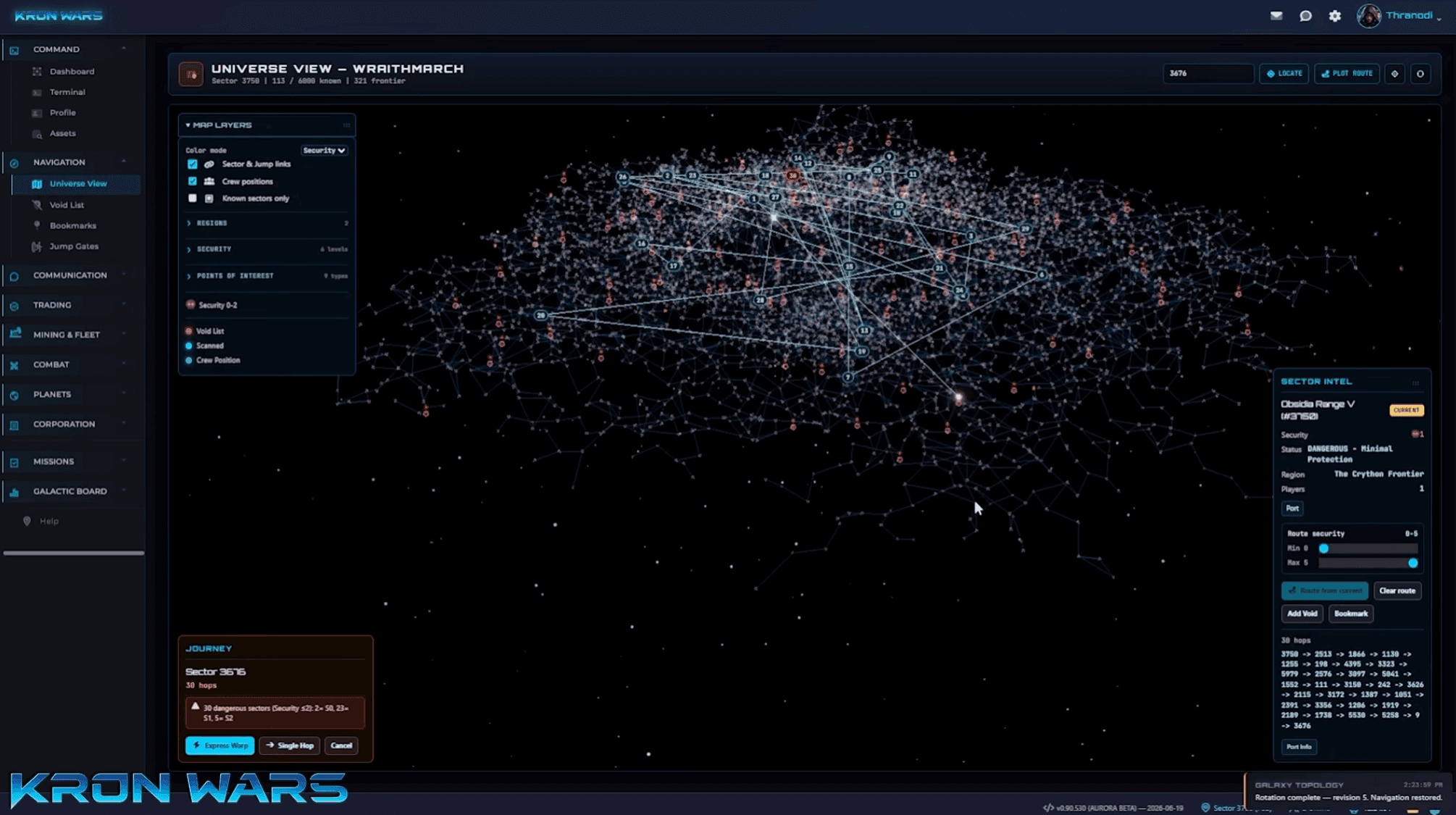
The stellar expanse of Kron Wars makes no attempt to present a flat coordinate grid or a simplified planar board. The universe of The Frontier is architected as an intricate multi-dimensional graph comprising between 5,000 and 12,000 discrete sector nodes spread across The Nine Original Universes. Each individual universe maintains its own geopolitical volatility and security profile. While the core expanse of Hollowspire Prime functions as a civilised high-security heartland governed by vigilant patrol fleets, mature station marketplaces, and manageable operational risks, the perilous fringes of Wraithmarch plunge commanders into raw anarchy, irradiated nebulae, treacherous gravity anomalies, and relentless pirate wolfpacks.
Navigating this colossal web is facilitated by Express Warp — an optimized server protocol engineered to deliver low-latency, seamless sub-light hops between adjacent sector waypoints. Plotting an interstellar course, however, involves far more than simply selecting a distant waypoint and engaging an automated travel pilot. Flight computers evaluate trajectories using a proprietary weighted A* Pathfinding algorithm. Node weights are calculated continuously by the server cluster in real time: the algorithm dynamically balances raw jump distances against route trade density, corporate transit tolls, reported raider ambushes, and active regional war states. Shrewd haulers can configure their navigation computers to run high-risk express vectors straight through contested corridors or designate wider circumnavigation routes through silent backwaters to protect valuable industrial cargo.
Yet even the most sophisticated pathfinding computer remains fundamentally constrained by the structural reach of the local hyperlane network. Here enters one of the most coveted, strategically vital commodities in the cosmos: NAVEX (Navigation Extension). These specialized, tradable navigation modules serve as a functional range currency across the Frontier. Standard ship drives are hard-locked to local jump gates and cannot cross sparse voids or battle-severed hyperlanes under conventional propulsion. By expending NAVEX units, commanders can artificially override standard drive limitations, burning through distance constraints to bypass dozens of intermediate systems and perform surgical long-range strikes behind hostile chokepoints.
The strategic catch of this mechanic lies in its unyielding economic scarcity. NAVEX cannot simply be conjured out of thin air: fabricating units requires rare catalyst isotopes harvested from deep space anomalies, ensuring sustained marketplace demand. Whenever galactic hostilities escalate into full-scale coalition campaigns, major alliances aggressively corner and stockpile NAVEX reserves. A military conglomerate armed with an extensive NAVEX inventory can instantly project an armada of dreadnoughts directly into the unguarded rear of an enemy industrial cradle, while under-supplied defenders remain trapped hopping through fortified chokepoints one gruelling jump at a time.
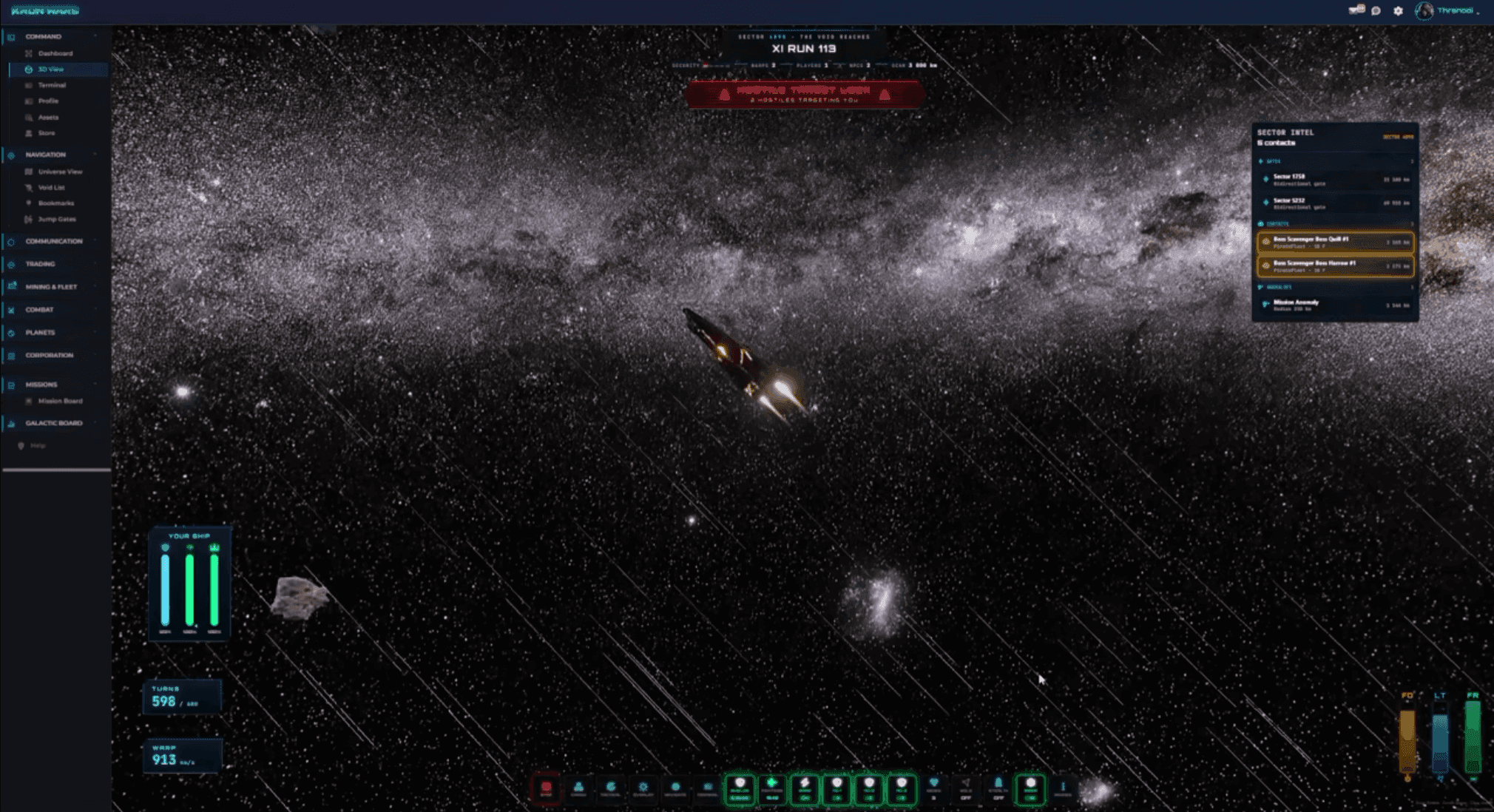
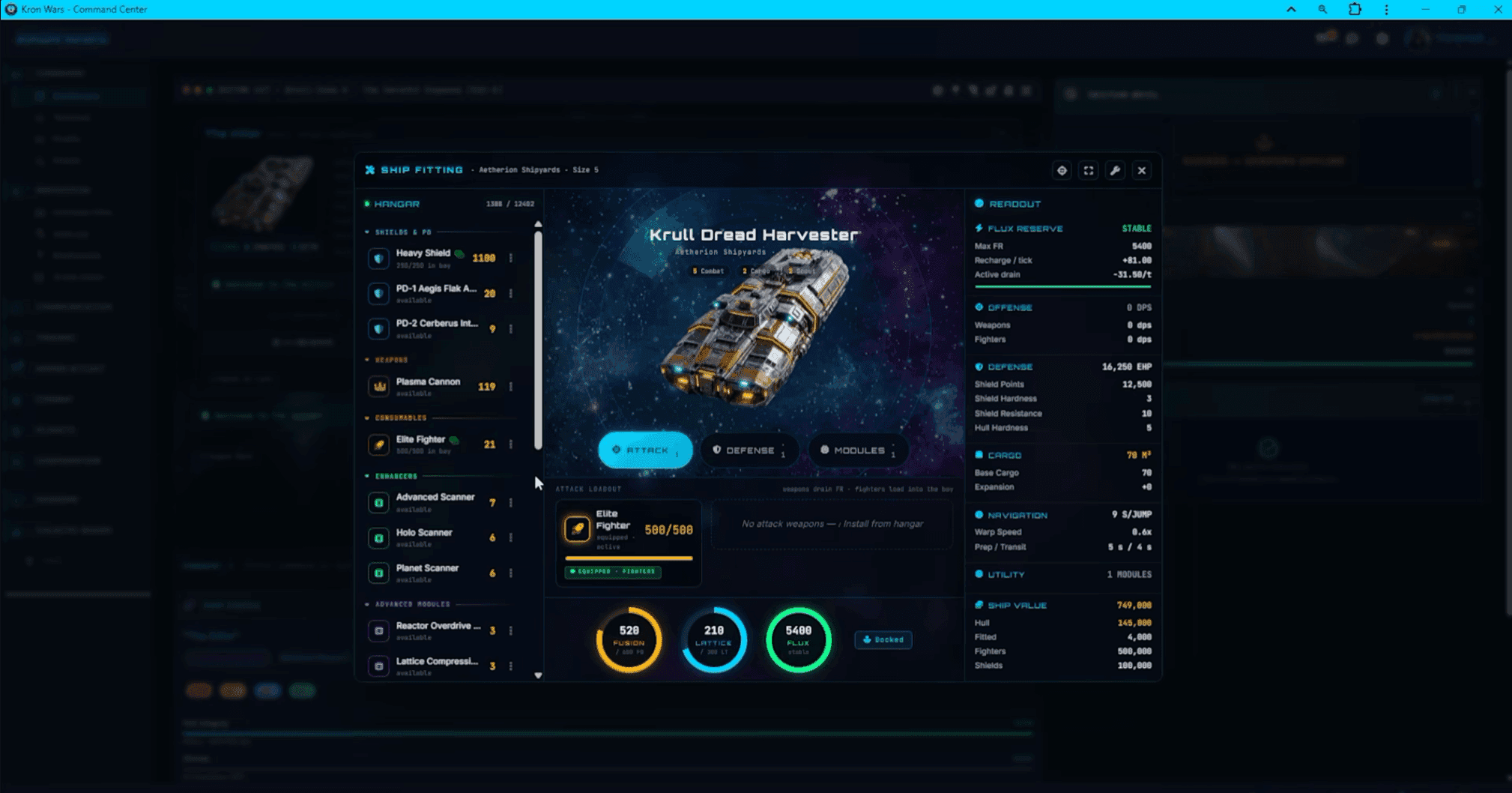
In deep space sandbox simulations, a commander's vessel is far more than a simple vehicle — it acts as their physical embodiment, their virtual persona, and their ultimate survival apparatus. In Kron Wars, traditional fixed character classes are completely non-existent: your operational role, offensive capability, and economic utility are determined solely by your chosen hull and the modules fitted within its hardpoints. During the current Closed Beta phase, the game features a diverse roster of 47 unique ships spanning six distinct size categories, ranging from agile scout skiffs and strike interceptors up to heavy destroyers, versatile combat cruisers, dreadnoughts, and colossal super-capital flagships.
At the apex of naval engineering sits the legendary Archon-Class Titan — a massive super-capital warship functioning as a self-sustaining mobile battlestation. Constructing a single Archon demands weeks of coordinated alliance logistics, continuous shipments of high-grade composite alloys, and the fabrication of specialized Tier VI orbital drydocks. On the field of battle, a solitary Titan can obliterate light attack squadrons with its spinal mount batteries while serving as a strategic command hub for allied wings. Nevertheless, every commander begins their journey at the helm of modest utilitarian shuttles, where every cubic meter of cargo volume and every kilowatt of reactor output must be scrupulously managed.
The ship configuration framework (fitting) follows the celebrated traditions of complex space simulations. Every hull possesses rigid hardpoint layouts, CPU thresholds, and power grid limitations. Pilots must carefully balance kinetic autocannons, pulse lasers, guided missile racks, directional shield generators, composite armor plating, and electronic warfare (EWAR) modules designed to jam hostile targeting sensors. Overclocking a shield matrix starves thrusters of vital power required for defensive evasive burns, while over-allocating capacity to mineral extraction suites turns a vessel into an immobile target for opportunistic raiders.
Tactical depth is magnified by an intricate crew hire system paired with Pilot Engagement Doctrines. In Kron Wars, commanders need never fly completely unsupported, even when operating as solo captains. By contracting veteran AI officers and purchasing escort escadrilles, players can deploy personalized task forces. Through engagement doctrines, you program the combat behavior of your wingmen with granular precision: ordering interceptors to aggressively swat enemy strike craft, maintaining optimal standoff orbits around heavy dreadnoughts, prioritizing shield disruption fire, or establishing an emergency defensive perimeter around your flagship when hull integrity hits catastrophic thresholds.
The inherent catch of this naval progression system is the unforgiving reality of ship loss. Ship destruction is not treated as a minor inconvenience mitigated by cheap respawns. When a hull collapses under enemy fire, it detonates into a field of drifting wreckage: fitted modules permanently incinerate or drop into space as salvageable loot claimed by the victor. Flying an expensive capital hull without sufficient wing escorts or liquid credit reserves is the fastest route to bankruptcy, stranding haughty fleet admirals back in the cockpit of a rookie shuttle.
While planetary bodies in most space MMOs serve as little more than static scenic skyboxes, in Kron Wars they form the bedrock of territorial supremacy and industrial fabrication. The celestial expanse of the Frontier is populated by thousands of orbital spheres strictly cataloged across an astrometric scale spanning Class A through Class I. Frozen nitrogen barrens, volcanic proto-worlds, hyper-dense gas giants, and rare temperate biomes differ by far more than cosmetic surface shaders: each planetary classification dictates a distinct mineral extraction profile, atmospheric density, and environmental radiation burden exerted upon surface facilities.
The ultimate crown jewel for deep-space cartographers and industrial syndicates is the anomalous Void Nexus. These exceptionally rare spatial singularities and shattered proto-planets are saturated with primordial dark matter and exotic isotopes. Uncovering an unclaimed Void Nexus instantly commands the attention of leading galactic coalitions: securing sovereignty over one guarantees a staggering influx of proprietary advanced manufacturing components, yet inevitably turns the parent system into a bloody crucible of uninterrupted siege warfare.
Planetary colonization initiates with deploying a standard Tier 0 expeditionary payload to the surface. Almost immediately, colony directors face a defining strategic crossroads that seals the operational trajectory of the installation:
Through sustained capital investment involving millions of tons of refined alloys, industrial ceramics, and power cores, an outpost progressively scales its technological tier, culminating in a monumental masterpiece of off-world civil engineering: a Tier VI Spire Citadel. Only a fully upgraded Spire Citadel generates the tremendous reactor output required to power and sustain permanent, cross-universe Jump Gates. Erecting a stable gate bridge between two friendly Citadels situated across distant realms — such as linking a fortified redoubt in Hollowspire Prime to an untamed resource nexus in Wraithmarch — unlocks an instantaneous logistics expressway. An alliance armed with active Jump Gates enjoys unprecedented strategic mobility, projecting battlegroups across galaxies in seconds while lone pilots spend days navigating perilous hyperlane gauntlets.
What is the vulnerability underpinning this planetary grandeur? The sheer exposure of fixed assets. Citadels cannot be safely packed away into inventory vaults or warped to safety when danger looms. Erecting one is an overt provocation thrown down before the entire server. To dismantle an enemy citadel, opposing coalitions initiate multi-stage siege timers: attackers must systematically hammer exterior shield generators, sever reactor cooling spires, and execute targeted orbital bombardments over consecutive days, forcing the defending alliance to maintain continuous live defensive fleet vigils to prevent complete destruction.
Economic architecture is the Achilles' heel of ninety percent of online multiplayer games. Most developers flood their virtual realms with endless NPC quests generating boundless torrents of unbacked gold, inevitably triggering catastrophic hyperinflation, trivializing early-game progression, and transforming public auction houses into multi-billion-credit spectacles. The creators of Kron Wars approached financial modeling with the mathematical rigor of classic sandbox simulations: the universe operates as a closed, entirely player-driven market governed by an automated internal anti-inflation ledger.
Core commercial circulation centers on moving raw commodities across thousands of sector markets. Orbital colonies clinging to frozen planets suffocate without steady imports of refined agricultural goods and hydroponics, smelting complexes nested in dense asteroid belts require continuous consignments of rare isotopes to keep arc furnaces burning, and shipyards in Hollowspire Prime consume staggering quantities of carbon composites and superconductors to construct cruisers. Terminal commodity valuations are not artificially pegged by static scripts: they float dynamically based on real-time local supply deficits and regional gluts. A freighter captain who fills their cargo bays with cheap unrefined ore in deep frontier space and successfully steers a sluggish logistics convoy through fifty perilous sectors into the industrial core captures net profit margins exceeding hundreds of percent.
A foundational pillar of this financial ecosystem is its dual-currency circulation framework:
To eliminate systemic currency devaluation, the developers instituted a multi-layered capital sink. The galactic ledger continuously drains surplus liquidity through station maintenance upkeep, hyperlane transit levies, NAVEX activation charges, and, most crucially, ship destruction in combat. Unlike titles where destroyed hulls are painlessly reimbursed via subsidized insurance programs, Kron Wars permanently erases up to half the material value of an obliterated warship from the server database. Conflict functions as the ultimate market regulator, continuously stoking industrial demand for fresh consignments of raw metals and manufactured components.
What is the treacherous underbelly of this financial framework? Total exposure to ruthless market manipulation and cartel monopolies. Dominant mega-alliances can readily coordinate synthetic resource famines: cornering the total supply of rare ores across an entire quadrant, deploying military blockades across the sole access hyperlane, and tripling shipyard repair tariffs overnight. An independent trader oblivious to shifting territorial heatmaps risks docking at their destination with holds packed with cargo that cratered in value mid-flight due to an unexpected dump by an alliance logistics fleet.
The combat architecture of Kron Wars decisively abandons both arcade cockpit dogfighting and instanced arena matchmaking. Battles operate strictly through Shared-Sector Combat: all tactical engagements take place directly in the open physical space of a sector, fully visible to every passing civilian hauler. Jumping into an active combat zone does not present an artificial «player in duel» barrier — you emerge immediately amidst crossfires of thermal lances, pick up distress transmissions, and can intervene on behalf of either fleet or coldly finish off a crippled flagship to scavenge its burning wreckage.
Ship-to-ship gunnery is built around rigorous mathematical modeling of angular velocities, kinetic penetration, and modular damage. The primary survivability threshold is governed by Hull Hardness. This is not a simplistic hitpoint bar, but a structural deflection rating: the higher a hull's hardness coefficient, the greater the percentage of incoming kinetic shells and thermal charges absorbed without penetrating internal bulkheads. A frigate's rapid-fire autocannons can empty thousands of rounds into the armored belt of a heavy cruiser, but if their armor-penetration index fails to beat the cruiser's Hull Hardness, incoming damage is completely negated, glancing harmlessly off composite plating.
Conversely, capital-grade spinal mounts and dreadnought artillery batteries are bounded by physical turret traverse limits (Tracking Speed). When a lumbering battleship attempts to track an agile interceptor orbiting tightly at high angular velocity, massive weapon mounts physically cannot traverse fast enough to match the firing solution. High-caliber volleys sail wide into the void, while the light strike craft systematically overheats the capital ship's cooling manifolds and erodes its directional shields. Shield mechanics operate hierarchically: the energy matrix absorbs incoming kinetic and thermal stress until depleted, triggering an abrupt phase of shield collapse (Shield Collapse) that leaves internal electronics completely exposed to disruptive electromagnetic strikes.
The pinnacle of operational maneuvering arrives in the form of deployable spatial fractures — tactical wormholes (Tactical Wormholes). Specialized electronic warfare vessels can tear temporary conduits connecting disparate coordinates across a sector, allowing an allied strike wing to bypass perimeter minefields and emerge directly into an enemy formation's rear flank. However, wormholes are physical and fully destructible: should vigilant defenders focus fire onto the unstable singularity before an entire fleet crosses over, the conduit collapses mid-transit, annihilating trailing hulls in a catastrophic spatial shockwave.
Following every tactical engagement, participating commanders receive a comprehensive, per-tick Battle Report. This analytical document dissects every second of the engagement: firing angles, relative angular velocities at the exact tick of discharge, shield absorption deltas, armor deflection counts, and the precise moment specific cooling conduits burned out. Reviewing these telemetry logs is an essential discipline for fleet commanders, transforming combat preparation into a high-stakes chess match.
What is the harsh reality of this combat paradigm? Zero forgiveness for positional blunders. Kron Wars features no panic teleport buttons or temporary invulnerability buffs if you miscalculate an orbital radius or overestimate shield capacitance. A single misjudged approach vector leaves your vessel dead in space, where hull breach results in an immediate ejection into the freezing void.
The social architecture of Kron Wars is deliberately engineered to prevent commanders from retreating into isolated, self-contained bubbles. The game relentlessly nudges pilots toward cooperative organization, diplomatic maneuvering, and cutthroat corporate competition. Forming a corporation is no mere cosmetic guild tag; it is an indispensable survival mechanism: only a unified organization can amass the staggering capital required to secure sector sovereignty, field perimeter fleets, and fund monumental Spire Citadels. Corporate leaders fine-tune granular access tiers to shared hangars, disburse mining dividends, and set automated customs tariffs on civilian freight traversing corporate space.
The defining innovation of the Frontier's political theatre, however, is that players do not inhabit an empty vacuum alongside static mob spawns. The universe is co-inhabited by Nine Autonomous NPC Factions. Operating on sophisticated server-side behavior trees, each faction exercises distinct economic imperatives, sphere-of-influence borders, and military doctrines. Rather than standing tethered to fixed quest hubs, these factions dispatch prospecting expeditions into unclaimed systems, colonize planets, commission combat flotillas, and actively respond to shifting geopolitical tides across the cosmos.
Should a player alliance aggressively exploit mineral deposits along the borders of an influential NPC mercantile conglomerate, the faction will not remain passive. It will slap the offending alliance with comprehensive economic embargoes, deny docking clearances across its starports, reclassify alliance pilots as hostile hostiles, and deploy combat interdiction task forces across shared jump lines. Furthermore, the nine autonomous factions regularly wage full-scale wars against one another entirely independent of human intervention: commanders frequently witness rival NPC armadas assaulting neighboring sector bastions, fundamentally redrawing regional spheres of control.
Concurrently, the Frontier thrives with illicit enterprise. Pilots fatigued by lawful shipping contracts can embrace outlaw privateering. Raiding unarmed transports beyond protected sectors immediately tanks a pilot's security rating, turning them into wanted criminals across civilized hubs like Hollowspire Prime while unlocking the berths of lawless pirate citadels. Bereaved victims can post lucrative credit bounties on offending raiders, fueling a dedicated caste of Bounty Hunters stalking sector gates in search of marked targets.
Every combat engagement, sector duel, and fleet slaughter is inscribed permanently into an open galactic register: the Killboard. This telemetry service automatically records the spatial coordinates of every hull breach, involved participants, damage distributions, destroyed module loadouts, and the total financial value lost in credits. For corporations, the Killboard serves as the definitive scoreboard of martial dominance or humiliation, where every destroyed capital ship shifts an alliance's standing across galactic leaderboards.
What is the harsh downside of this hyper-dense geopolitical climate? Tremendous pressure exerted upon solo pilots and modest squadrons. Maintaining strict neutrality in militarized sectors is virtually impossible. Wandering into an escalating inter-corporate skirmish or stumbling across an autonomous faction's patrol corridor leaves little room for explanation: neutral haulers are routinely vaporized simply as suspected enemy reconnaissance scouts.
In an era dominated by predatory live-service practices, battle passes locking away gameplay advantages, and insidious pay-to-win mechanics, the publishing philosophy of Alien Bulb Studios arrives as an invigorating breath of fresh air. Kron Wars operates on a completely transparent Free-to-Play framework: there are strictly no cash-shop stat boosts, no premium ammo, no invulnerability shields, and no exclusive capital ships sold for real-world currency. Tactical triumph and commercial dominance across the Frontier depend entirely on your strategic forethought, logistical precision, diplomatic acumen, and squadron coordination.
The definitive competitive advantage the game wields over its genre peers is its remarkable frictionless accessibility. Entering the Frontier requires no massive multi-gigabyte hard drive partitions, no invasive kernel-level anti-cheat software, and no administrator installation privileges. The simulation initializes instantaneously inside a standard web browser tab — supporting Google Chrome, Mozilla Firefox, Microsoft Edge, and Safari. You can inspect your refining pipelines and marketplace orders on an office laptop over lunch, then seamlessly resume fleet command from your home battle-station in the evening, picking up from the exact spatial coordinates without a single synchronization hitch.
From an engineering perspective, the project delivers a tour de force of modern web optimization. Its graphics pipeline, built upon Three.js and hardware-accelerated WebGL, leverages system graphics processors with surprising efficiency. The developers even provide technical documentation assisting Windows players in ensuring browser processes leverage discrete GPUs rather than sluggish integrated motherboard graphics during massive fleet battles. Planetary textures, dynamic stellar illumination, and energetic shield-flare shaders render smoothly, sustaining a solid 60 frames per second on mainstream PC hardware half a decade old.
Alongside its core browser runtime, the studio is preparing a full release on Steam, scheduled for the fourth quarter of 2026. The developers have pledged that this storefront rollout will not fragment the player base: Steam players and browser captains will inhabit the exact same unified persistent universe on one single shard. The Steam client simply functions as a streamlined alternative wrapper for commanders who prefer centralized platform library management, community overlay integration, and friend list invites.
What is the operational downside of relying on a web-native foundation? The inherent limitations of browser execution environments. Running inside a browser sandbox binds the game to allocated tab memory quotas and JavaScript/Wasm garbage collection cycles. During prolonged multi-hour sessions spanning dozens of sector warps on low-memory systems, the client can accumulate texture cache debt, eventually benefiting from a quick page refresh. Furthermore, players who demand cinematic visual fidelity on par with big-budget Unreal Engine spectacles must recognize that Kron Wars intentionally champions tactical readability and technical minimalism over lavish polycounts.
Kron Wars stands as a rare and unapologetic example of old-school space sim craftsmanship that refuses to compromise its complex systemic integrity for casual accessibility. The project delivers authentic frontier grit, ruthless competition for galactic sovereignty, and the thrilling tension of deep-space danger, all packaged within an extraordinarily frictionless web runtime.
Kron Wars delivers an uncompromising, meticulously engineered triumph for space MMO veterans who have long yearned for the authentic frontier danger of TradeWars 1987 and early-era EVE Online. The game proves that modern web architectures leveraging .NET 10, Microsoft Orleans, and Blazor WebAssembly can support monumental simulation depth rivaling client-heavy giants while shedding hundreds of gigabytes of bloat. If you appreciate hardcore logistics, living market dynamics, and high-stakes territorial fleet warfare — and desire the ability to direct an interstellar corporate empire in a single click from any computer — the Frontier awaits your command.