 Free To Play
Ragnarok Online
MMORPGReleased
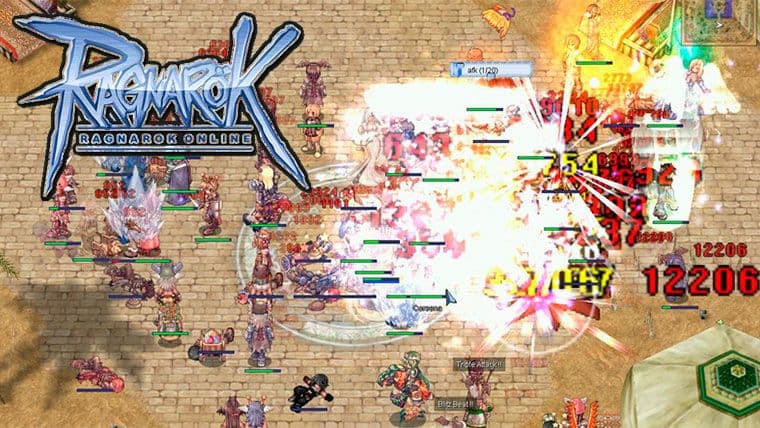
Ragnarok Online has been running since 2002, and the card system it introduced — socketing monster drops into weapons and armor — is still one of the ...
If your PC can run this game, you'll also be able to play these:
Free To PlayRagnarok Online has been running since 2002, and the card system it introduced — socketing monster drops into weapons and armor — is still one of the ...
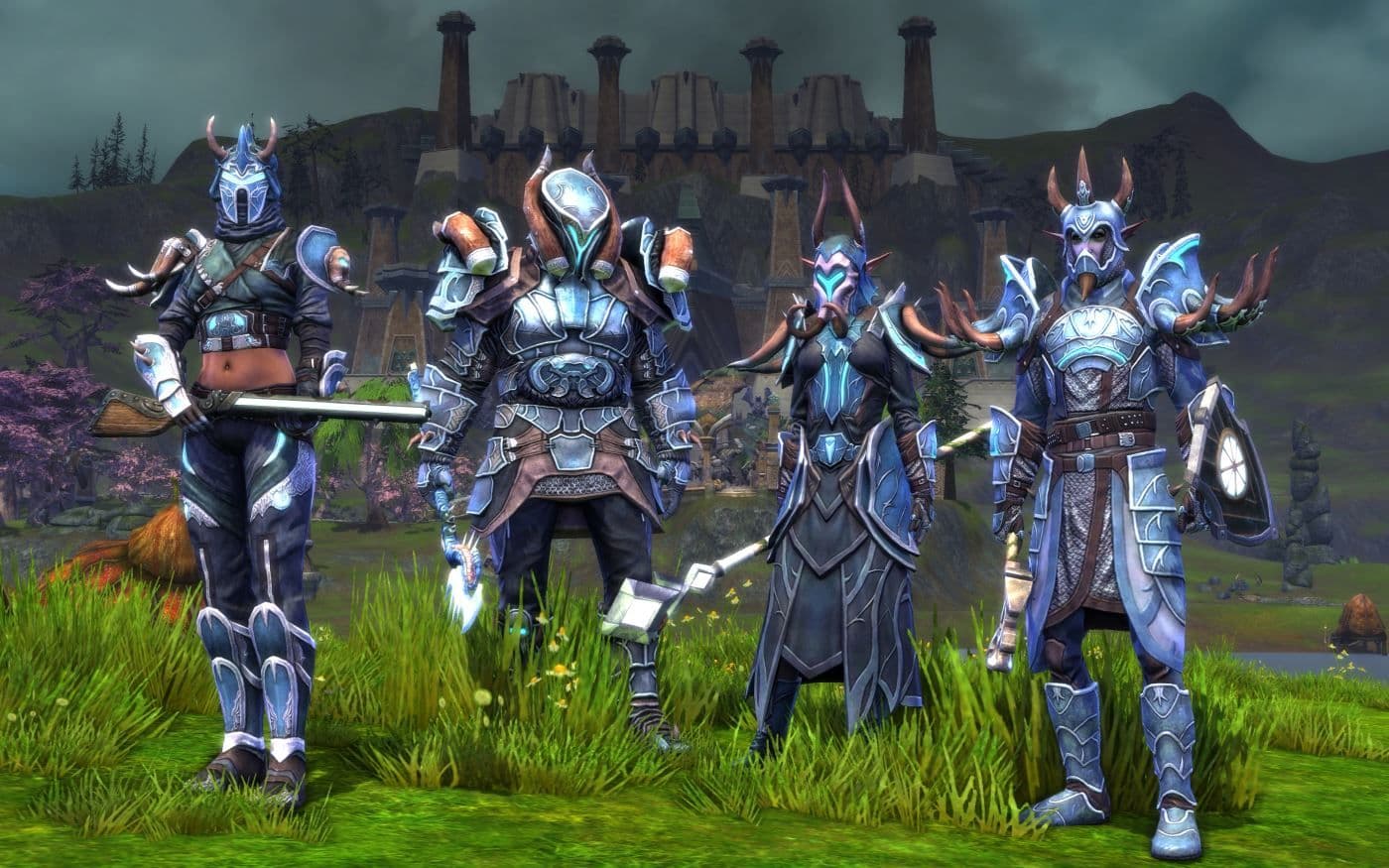
Rifts tear open across the sky at random, spilling elemental invaders into Telara and forcing nearby players to drop what they're doing and fight them...
 Free To Play
Tibia is the 1997 fantasy MMORPG that never stopped shipping updates — nearly 29 years in and still adding new classes, new bosses, and new content. F...
Lineage II's official spec sheet still lists Windows 7 and a 2010-era quad-core as the recommended tier, and that's not an outdated oversight — it's an honest reflection of what the game actually does under the hood. Built on Unreal Engine 2/2.5 in 2003 and never fully re-engineered since, Lineage II renders comparatively simple geometry and reused texture work even after two decades of visual patches. The one place that logic breaks down is exactly where the game matters most: a hundred-plus player castle siege puts far more strain on the CPU and the network than on the GPU, which the numbers below don't fully capture on their own.
Lineage II's world isn't demanding to render. Character models, terrain, and most environmental assets were built for hardware from the mid-2000s, and while textures and some effects have been reworked over the years, the underlying geometry budget per scene never grew to match modern open-world MMOs. A card like the GeForce 7600 GT (roughly 256 MB VRAM) was already enough to hold the minimum bar in 2007, and it still is, because nothing about the rendering pipeline has fundamentally changed since. Where the GPU does get tested is during castle sieges, when dozens of skill effects and particle bursts overlap on screen at once — but even there, the load is closer to overdraw from stacked 2D effects than genuine geometric complexity.
The recommended Intel Core i7-920 (4 cores / 8 threads) reads oddly high next to a GPU requirement from the same era, and that mismatch is the point: Lineage II's CPU load doesn't come from physics or advanced AI, it comes from tracking dozens to well over a hundred characters simultaneously casting, moving, and dying in the same siege zone. Each of those characters carries buffs, animation states, and skill cooldowns the client has to calculate and display in real time, and that workload scales with player count far more than with anything the GPU renders. A single-player dungeon run barely touches a modern CPU; a contested siege on a populated server is a different problem entirely, and it's the scenario the recommended spec is quietly built around.
Officially, Lineage II asks only for "a broadband internet connection" with no minimum speed listed, and that's accurate — the game streams almost nothing during normal play, since assets are installed locally rather than pulled from a server on demand. What actually matters is latency and packet stability rather than raw throughput: during a siege, the client and server exchange a constant stream of small position, targeting, and skill-cast updates from every participant, and a connection that drops or delays even a few of those packets shows up immediately as rubber-banding or missed inputs in a fight where a half-second delay can be the difference between landing a stun and eating one. A fast connection with unstable routing will perform worse in Lineage II's endgame than a slower, more stable one.
The 4 GB RAM figure, identical across both minimum and recommended tiers in the official listing, reflects a client built in an era before 64-bit memory addressing was standard for consumer games — Lineage II simply was never designed to ask for more, and later content additions haven't pushed it past that ceiling in any official update. Storage sits at roughly 30 GB, which is less about any single asset and more about two decades of accumulated chronicles, zones, and character models that were added rather than replaced along the way.