 Buy To Play
SpiritVale
MMORPGEarly access
SpiritVale is a class-based action MMORPG from Australian indie studio Baikun Interactive, set in the fractured world of Nevaris. Choose from seven cl...
Minimum and recommended PC specs to run the game
← Back to game reviewIf your PC can run this game, you'll also be able to play these:
Buy To PlaySpiritVale is a class-based action MMORPG from Australian indie studio Baikun Interactive, set in the fractured world of Nevaris. Choose from seven cl...
 Free To Play
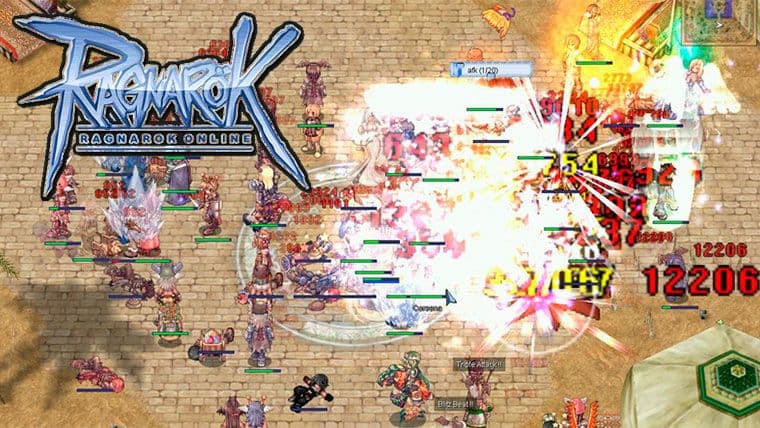
Ragnarok Online has been running since 2002, and the card system it introduced — socketing monster drops into weapons and armor — is still one of the ...
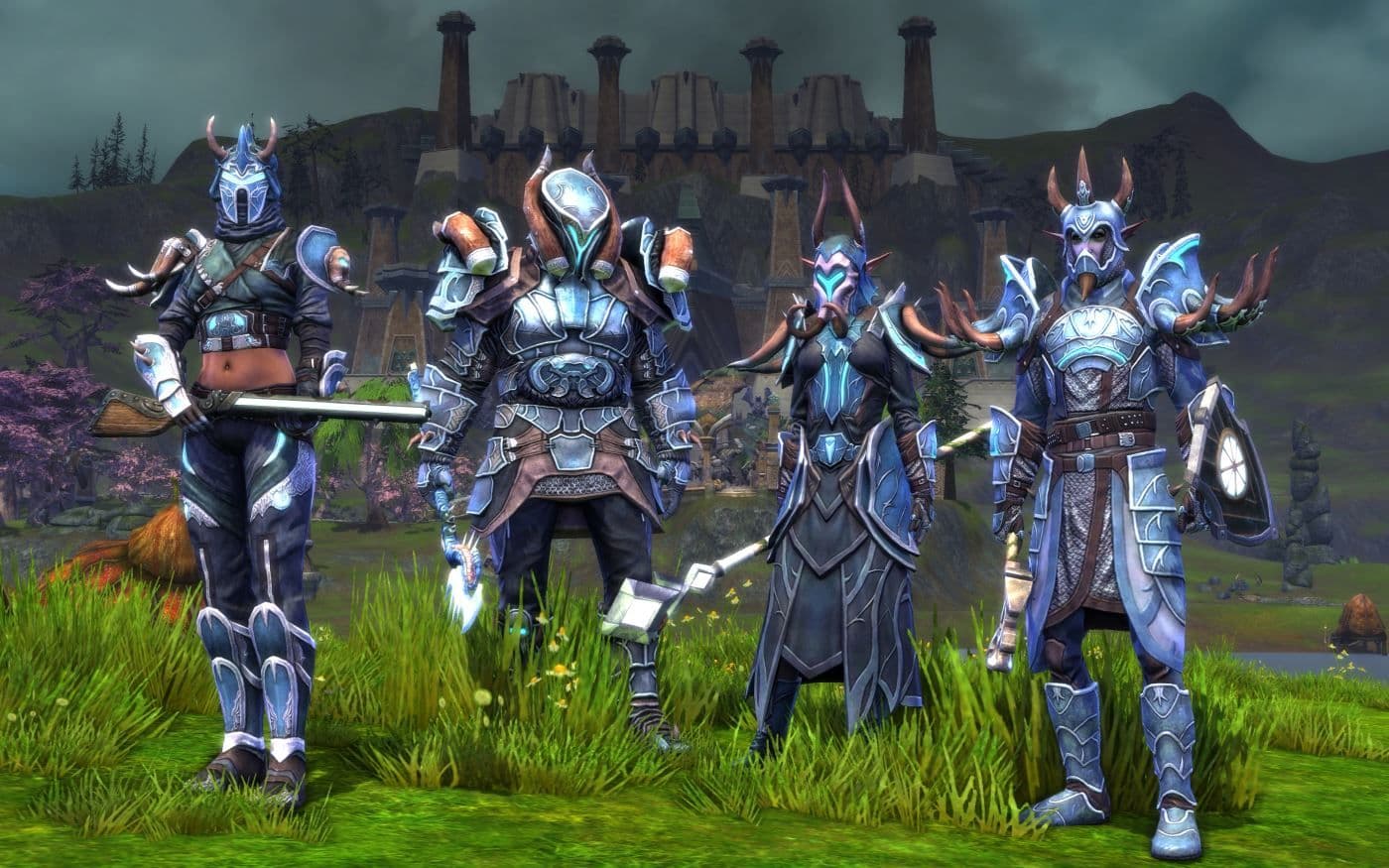
Rifts tear open across the sky at random, spilling elemental invaders into Telara and forcing nearby players to drop what they're doing and fight them...
PUBG: BATTLEGROUNDS runs on a heavily customized iteration of Unreal Engine 4, structurally re-engineered to simulate hundred-player warfare across massive seamless terrains spanning up to 64 square kilometers. Unlike conventional arena shooters, the engine places immense computational load on the host machine, simultaneously synchronizing high-frequency projectile physics, dynamic volumetric smoke propagation, and real-time destructible terrain.
The Central Processing Unit (CPU) represents the primary architectural bottleneck. While minimum specifications cite an entry-level quad-core processor such as the Intel Core i5-4430 or AMD FX-6300, competitive parity demands a modern 6-core or 8-core CPU (Core i5-6600K, Ryzen 5 3600 or higher). The engine relies heavily on single-thread instruction throughput (IPC) and large L3 cache reserves (such as AMD's 3D V-Cache architecture) to continuously calculate bullet trajectories, terrain displacement craters, and vehicular physics without stuttering the render thread during congested parachute landings.
Graphics Processing and Video Memory (VRAM) govern long-range visibility and environmental rendering. A baseline buffer of 2 GB VRAM (GeForce GTX 960 / Radeon R7 370) can boot the client at lowered render scales, but the recommended baseline of 4 GB VRAM (GeForce GTX 1060 / Radeon RX 580) is paramount for sharp foliage anti-aliasing and anisotropic filtering. Spotting an enemy helmet peeking over a ridgeline 400 meters away requires uncompromised image clarity and stable frame pacing free from texture thrashing.
System Memory (RAM) dictates smoothness across expansive map rotations. While 8 GB RAM is listed as the bare minimum, the recommended 16 GB configuration running in dual-channel mode with tight sub-timings is essential. The client aggressively caches hundreds of unique cosmetic models, customized weapon attachments, and audio banks to prevent hitching. Insufficient memory bandwidth directly induces frame-time spikes whenever unbuffered player squads enter weapon draw distance.
Finally, the 50 GB storage footprint highlights the critical necessity of a solid-state drive (SSD). While mechanical hard drives can technically store the installation files, streaming high-resolution textures, building collisions, and item spawn tables during high-speed parachute descents requires SSD throughput. Installing PUBG on an NVMe or SATA SSD guarantees immediate asset streaming, eliminating unrendered geometry during the vital initial seconds of looting.