Getting Started in Neverwinter: A Complete Beginner's Guide
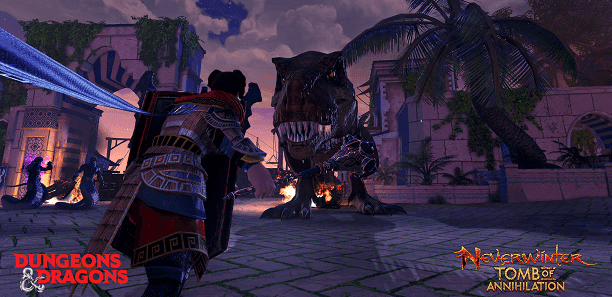
Neverwinter is a free-to-play MMORPG built on the Dungeons & Dragons ruleset, developed by Cryptic Studios and published by Arc Games (with DECA Games now handling live operations). It launched in 2013 and has since grown through more than thirty major content updates called modules. As of early 2026, the current module is Red Harvest Part II – The Soul Collector, which sends adventurers into the land of Thay to stop the lich Szass Tam and the Red Wizards from completing a dark ritual.
If you grew up on the Forgotten Realms, love the Dungeons & Dragons setting, or just want a PvE-focused MMORPG with fast, hands-on combat, Neverwinter is worth your time. It's free on PC (through Steam or the Arc Games launcher), PlayStation, and Xbox, with no subscription required. The core gameplay loop revolves around clearing dungeons (five-player instances) and trials (ten-player boss raids), with your character's entire progression aimed at surviving increasingly demanding versions of that content.
This guide walks you through everything from your first character creation screen to a solid understanding of the endgame systems, so you can jump into group content without feeling lost. We'll cover classes, combat, currencies, companions, mounts, and the daily habits that actually move your character forward. Even if you've never touched an MMORPG before, you'll come out of this with a clear picture of where to go next.
Character Creation: Choosing a Race
Your first real decision is your race. Neverwinter offers a set of free playable races out of the gate — Human, Dwarf, Wood Elf, Sun Elf, Half-Elf, Half-Orc, Halfling, Tiefling, and Drow — with several more, such as Dragonborn, Metallic Dragonborn, Aasimar, Gith, Moon Elf, and Renegade Drow, unlockable through the Zen store or special packs. Every race carries a passive racial trait that nudges your combat stats in a particular direction.
Here's a rundown of what each race actually gives you. Human characters get Versatile Defense, which adds 1% to all rating stats at once — a flat, class-agnostic bonus that works for any build. Wood Elf gets Elven Accuracy for +5% Critical Strike plus Wild Step, +20% resistance to Slow effects. Half-Orc brings Furious Assault (+5% Critical Severity) and Swift Charge, a burst of +10% movement speed for three seconds on entering combat. Tiefling deals bonus damage through Bloodhunt (+5% damage to targets under half health) and shrugs off hits with Infernal Wrath, a chance to cut incoming damage by 5%. Dwarf leans defensive with Cast-Iron (+5% Defense) and Stand Your Ground, +20% resistance to Knock and Push effects. Drow weakens enemies on hit with Darkfire (a chance to reduce target defense by 5%) alongside Honed Defenses for +5% Deflect Severity.
In practice, none of this should keep you up at night. The gap between races amounts to a handful of percentage points and rarely matters outside the most demanding endgame content. Pick whatever looks and feels right — you'll be staring at this character for a long time. If you do want to min-max, Half-Orc and Wood Elf suit damage dealers well, Dwarf is a solid pick for tanks, and Human works everywhere thanks to its universal bonus.
After locking in your race, you'll move into the appearance editor to adjust facial features, hairstyle, and build, then choose a background and a patron deity. These are flavor choices — they shape your character's story tags but have zero mechanical effect on gameplay.
Classes and Roles: Picking Your Path
Neverwinter currently has nine classes, and each one fills one or two roles within a group. There are three roles total: DPS (damage dealers, who take down enemies), Tank (the one who holds enemy attention and absorbs hits), and Healer (who keeps the party's health bars up and hands out buffs). A standard dungeon party is five players — one tank, one healer, three DPS. Trials, run with ten players, typically call for two tanks, two healers, and six DPS.
Every class has two paragon paths — specializations you pick at level 30 that lock in your skill set and your role in the group. You can freely switch paragon paths outside of combat, which lets a single character cover more than one job. Here's the full lineup.
Fighter
Fighter (formerly known as Guardian Fighter, before the class rework) wields a sword and shield and is the game's go-to tank. Choosing the Vanguard paragon path turns you into a durable, reliable frontline tank who pulls enemy attention and blocks incoming hits with a raised shield. The Dreadnought path instead makes the Fighter a melee damage dealer with respectable control tools. If you like being the anchor a group builds its strategy around, Fighter delivers that in spades.
Barbarian
Barbarian (previously called Great Weapon Fighter) swings a massive two-handed weapon and hits hard. The Blademaster paragon path is a strong DPS option, capable of both sudden burst damage and sustained pressure over a fight. Sentinel lets the Barbarian tank instead, though it's generally considered less forgiving than a dedicated Fighter tank. Barbarian DPS brings powerful at-will attacks and useful group buffs, but as a melee class it's exposed whenever a fight demands dodging area attacks. It's not the easiest class to pick up, but it's a rewarding one.
Wizard
Wizard is a pure ranged damage dealer who commands elemental magic. Both paragon paths point at damage: Thaumaturge channels fire, ice, and lightning, while Arcanist draws on raw arcane force. Most players lean toward Thaumaturge for its punchy area spells and comparatively straightforward rotation. Wizard is one of the most consistently strong DPS classes in the game — hold the dodge key and your character teleports, briefly turning invulnerable, which makes it surprisingly tough to kill for a class with no armor to speak of. If you want to deal damage from a safe distance, Wizard is the obvious pick.
Cleric
Cleric is Neverwinter's flagship healer. The Devout paragon path is a classic support build, restoring party health, applying buffs, and refilling allies' action points. Arbiter turns the Cleric into a ranged DPS with some healing and debuffing utility on the side. Devout is the most forgiving healer in the game to learn — its strong direct heals cover for a lot of party mistakes, which makes it a great entry point if you want to try support.
Paladin
Paladin is a hybrid of tank and healer wielding a shield and mace. The Justicar paragon path is a reliable tank who also provides some incidental healing on top of holding the line. Oathkeeper makes the Paladin a different kind of healer — rather than restoring health directly, it hands out temporary hit points (a shield effect) that absorb damage before it lands. Paladin is easy to pick up and forgives mistakes thanks to its sheer durability.
Rogue
Rogue is a pure melee damage dealer built around single-target burst. Both paragon paths, Assassin and Whisperknife, are geared toward maximizing damage output. Rogue dodges through rolls, can turn invisible, and delivers devastating critical hits. It's one of the harder classes to master, demanding good positioning and quick reactions, but a well-played Rogue puts up some of the most impressive damage numbers in the game.
Ranger
Ranger (Hunter Ranger) is a flexible damage dealer that switches between a bow at range and dual blades up close. That stance switch is the class's signature mechanic. The Hunter and Warden paragon paths offer different flavors of the same DPS role. Ranger suits new players well because of how self-sufficient it is: you can safely pepper enemies from range, then switch to blades whenever a fight calls for it.
Warlock
Warlock (Scourge Warlock) draws power from otherworldly patrons. Hellbringer is a strong ranged DPS path, while Soulweaver turns the Warlock into a healer. Soulweaver is one of the most well-rounded support builds in the game — it doesn't out-heal a Cleric, doesn't hand out as many temporary hit points as a Paladin, and doesn't buff quite like a Bard, but it does a competent job of all three at once. It's a bit trickier to play than Cleric, but far more varied.
Bard
Bard is a relatively recent addition, a musician who fights with a blade and a lute. Songblade is a melee DPS path, while Minstrel is widely regarded as the best buffer in the game. Both paths share the class's core mechanic, Performance Mode: you play songs by triggering a sequence of notes, drawing down a Performance Gauge that refills as you fight. Minstrel's healing rotation is more involved than Cleric's, since it means chaining together heals and buffs correctly, but the payoff is a support character who dramatically boosts the whole party's output.
For new players looking for a DPS role, Wizard or Ranger are both easy to pick up and reliably effective. If tanking appeals to you, start with Fighter or Paladin. If you're drawn to healing, Cleric is the smoothest introduction. That said, every class is viable at every level of content — the best class is the one you actually enjoy playing.
Combat Basics
Neverwinter's combat is unusually action-oriented for an MMORPG. Instead of targeting an enemy and clicking through a rotation, you aim your attacks, dodge incoming hits, and stay constantly on the move — it plays closer to an action-RPG than a traditional tab-target MMO. Movement uses WASD, your left mouse button fires your primary attack, and your right mouse button triggers a secondary one. Your remaining abilities sit on the Q, E, and R keys, plus two additional slots.
Every class draws from the same broad categories of powers. At-Will powers are your bread-and-butter attacks on the left and right mouse buttons — no cooldown, used constantly. Encounter powers are your hard-hitting abilities on Q, E, and R, each with its own cooldown; they form the backbone of your combat rotation. Daily powers are your ultimate abilities, fueled by Action Points. Action Points fill as you deal or take damage, and once the gauge is full, you can unleash your Daily power by pressing 1 or 2.
Each class also has a unique class feature triggered with Tab. Fighters use it to raise their shield and block, Wizards teleport out of danger, Barbarians charge across the battlefield, and Rogues vanish into stealth. Learning to use your class feature well is often the difference between surviving a fight and wiping.
The other pillar of combat is dodging (Shift). Holding Shift makes your character roll, dash, or otherwise move out of harm's way, depending on your class — and it draws from a limited stamina pool that regenerates over time. Learning to read enemy tells and dodge at the right moment is one of the single most important skills in Neverwinter, especially once you're facing bosses capable of one-shotting an unprepared player.
As you level up, you'll unlock new powers and get to spend points shaping how they work. Don't be afraid to experiment — respeccing your power points is free and available at any time. Early levels are forgiving, so use that window to test different loadouts. The real depth of the combat system shows up in endgame content, where the right rotation, well-timed dodges, and tight group coordination separate a clean run from a wipe.
Leveling: 1 to 20
The level cap in Neverwinter is 20. This threshold dates back to the Jewel of the North module, which overhauled the leveling system to make it faster and easier to follow — the level cap used to sit at 80. These days, the entire trip from level 1 to 20 takes just a few hours and mostly functions as a tutorial for the game's core mechanics.
The most efficient way to level is to simply follow the main story quest line, marked with its own distinct icon and leading you through Neverwinter's starting zones in a clear sequence. Sergeant Knox, your first quest-giver in Protector's Enclave (the game's central hub city), hands out a chain of introductory story missions. By the time you finish that chain, your character will sit around level 15–20 and every core game system will already be unlocked.
While leveling, don't get distracted by side content — the interesting part of Neverwinter really starts once you hit the level cap. The gear you pick up along the story is more than enough for this stretch. Pick up everything that drops and sell what you don't need to vendors — every bit of gold helps early on. Also keep an eye on the tutorial pop-ups; the game includes "Learn More" buttons throughout that explain systems in more depth.
Character Stats and Item Level
Once you hit level 20, your character's power is measured almost entirely by Item Level (commonly abbreviated IL), a single number that sums the levels of your gear, companions, mounts, and every other equippable component. Item Level gates which dungeons and trials you can queue for — every instance has a minimum IL requirement. From here on, growing your Item Level is essentially your character's main job.
Alongside Item Level, your character has a set of combat stats that directly shape your effectiveness in a fight. Each one is expressed as a percentage, and most have a practical cap beyond which further investment stops paying off. The core stats that matter across every role are Power (a flat multiplier to damage or healing), Critical Strike (your chance to land a critical hit), Critical Severity (bonus damage on a crit), Combat Advantage (bonus damage for attacking from a flank), Accuracy (your chance to bypass enemy defense), and Defense (a reduction to incoming damage).
For damage dealers, the usual stat priority runs Power → Critical Strike → Critical Severity → Combat Advantage → Accuracy. Tanks lean on Defense, maximum Hit Points, and threat-related stats. Healers care most about Power, since it scales the size of their heals, along with stats that boost their group buffs. Early on, don't overthink this — just equip whatever has the highest Item Level and roughly matches your role, and refine your stat priorities once you're closer to endgame.
Currency and Economy
Neverwinter runs on several distinct currencies, and understanding what each one is for makes the whole economy click. The main one is Astral Diamonds (AD) — you'll use them for nearly everything: gear on the Auction House, training your companions, and purchases from vendors. AD doesn't drop from monsters directly, though. What you actually earn from dungeons, dailies, and other activities is Rough Astral Diamonds (RAD), which you then convert into usable AD through the currency tab of your inventory. There's a hard limit on this: you can refine no more than 100,000 Rough Astral Diamonds per day, per account.
Zen is the premium currency, bought with real money. The Zen store sells mounts, companions, cosmetics, and various progress boosters. Here's the useful part: Zen and Astral Diamonds can be traded for each other on the Astral Diamond Exchange, which means anything sold for Zen is, in theory, reachable by free-to-play players too — it just takes time farming AD. The exchange rate floats with player supply and demand.
Gold covers the basics: health potions, crafting supplies, cheap mounts, and consumables. You earn it by selling items to vendors and completing quests. It feels valuable in the early game, but by the time you're geared for endgame you'll typically have far more than you need. On top of these three, most campaigns introduce their own campaign currency — tokens earned in a specific adventure zone and spent on gear and rewards tied to that same zone.
Companions: Your Loyal Allies
Companions are one of the most important progression systems in Neverwinter. These are NPC allies that fight alongside you, grant passive stat bonuses, and meaningfully add to your overall power. You can have one active companion summoned to fight at your side, plus several more sitting in reserve, each still contributing a passive bonus.
Companions come in a range of rarities, from Common (white) up through Legendary (orange) and Mythic. The higher a companion's quality, the bigger the bonus it provides. A legendary active companion contributes 16% of its own stats to your character, the second companion in your bonus slots adds 8%, the third 4%, and so on — which means upgrading your companions is a direct upgrade to your own character.
For your active companion specifically, pay close attention to its player bonus — a unique passive that only kicks in while that companion is summoned. Different companions grant different bonuses: some boost damage, others survivability or healing. Choosing the right active companion is a real decision point in your build. Companions also equip their own gear across three slots, which adds stats and enchantment slots on top of what the companion already provides.
Your whole companion collection also feeds into a separate stat called Companion Bolster, which scales up your active companion's own damage output the more companions you've collected and upgraded overall. It's a slow, long-term investment rather than something you max out early, but it's worth keeping in mind as a reason to hang onto companions you're not actively using rather than selling them off.
Early on, don't sink significant resources into companions — just run with whatever you got for free from quests. As you get closer to endgame, start looking at companions whose player bonus actually helps your role; the Tamed Velociraptor is a popular pick for damage dealers thanks to its strong offensive bonus. Look up build guides for your specific class and role for more targeted recommendations.
There's also a faster path to growing your Item Level right after hitting level 20 that has nothing to do with a companion's actual abilities. Completing campaigns rewards you with two free epic-quality companions, and it's worth filling their bonus slots with the cheapest companions you can find on the Auction House — their powers don't matter for this purpose, only their raw Item Level does. Five reserve companions is enough to fill every bonus slot available, and even rock-bottom auction listings will noticeably bump your total Item Level for very little AD. It's an efficient way to pad your numbers early, before you've settled on which companions are worth actually investing in.
Mounts
The mount system in Neverwinter goes well beyond faster travel. Mounts grant combat abilities, stat bonuses, and meaningfully affect how well your character performs in a fight. You'll get your first mount early through quests, and it'll speed up your movement by 50%. Over time you can build up a whole mount collection, with each one adding to your character's overall strength.
Speed and Quality
Mounts come in three speed tiers: common mounts give a 50% movement boost, rare mounts jump to 80%, and epic or legendary mounts hit 110%. Speed tracks a mount's quality, which ranges from common (white) all the way up to mythic. That said, speed is far from the most important stat on a mount — its combat power and the equip bonuses it grants your character matter a great deal more.
Mount Combat Powers
Every mount has a combat power — an active ability usable in battle. These split into two categories: offensive powers that hit nearby enemies, and defensive powers that heal or shield you. You can pick one combat power from your whole collection to keep active at a time. Some mount combat powers buff your entire group, which makes those mounts particularly valued in group content.
On top of the active combat power, mounts grant passive bonuses to your stats. Once a mount joins your collection, that passive bonus applies permanently, even while you're riding a completely different mount. That's what makes mount collecting worthwhile beyond aesthetics — it's a genuine power investment, not just a cosmetic one. Collecting and upgrading mounts also raises a separate stat called Mount Bolster, which strengthens both your mount's combat power and its equip powers — another long-term reason to hang onto mounts even after you've moved on to a flashier one for actual riding.
Insignias
Each mount has slots for insignias — special stones that grant stat bonuses. The number and type of slots depend on the mount's quality. Insignias come in several types — Enlightenment, Courage, Power, Aggression, and others — and each one grants a distinct set of stats, so choosing the right combination noticeably strengthens your build.
Pay particular attention to insignia bonuses. Slotting a specific combination of insignia types into a single mount unlocks an additional bonus on top of the individual insignias — for example, one combination might boost damage, while another improves survivability. These set bonuses apply from every mount in your collection simultaneously, which is why experienced players seek out mounts with the right slot layouts.
Mount Tips for New Players
Early on, don't overspend on mounts — you'll pick up a handful of decent ones for free through quests, events, and rewards. Focus first on filling every available slot with even cheap insignias. Later, once you understand the economy better, you can deliberately hunt for mounts with specific combat powers and bonuses. High-quality mounts cost a serious amount of resources, but the gap between a mediocre mount and a great one is noticeable once you hit endgame content.
The same math applies to whole mounts, not just their insignias: a cheap listing from the Auction House bumps your Item Level about as well as an expensive one does, and a flashy combat power or striking look isn't worth chasing this early. Fill every open insignia slot with the cheapest options right away rather than waiting to save up for rare ones — even a low-cost insignia gives a real, immediate stat bump.
Enchantments and Artifacts
The enchantment and artifact systems are among the most impactful ways to strengthen your character in Neverwinter. Both slot into your gear and provide substantial stat bonuses, and some artifacts grant powerful active abilities on top of that. Understanding these systems becomes essential once you start pushing into endgame content.
Enchantments
Enchantments are gemstones that slot into dedicated sockets on your gear. Different types boost different stats — Power, Critical Strike, Accuracy, Combat Advantage, and more. Quality runs from common up to mythic, with the bonus scaling alongside quality. You upgrade enchantments by merging several of the same type and quality into one higher-tier enchantment, which also consumes additional crafting materials.
The September 2026 Monoliths of Madness update reworked this system significantly: your gear's combined enchantment socket, which used to hold a single enchantment, now splits into two separate sockets, letting you slot two enchantments into the same piece of gear at once. To keep this from throwing stat totals out of balance, each individual enchantment's Item Level was cut roughly in half compared to the old single-socket system — the net effect on your character's total Item Level from this change alone is minimal.
Which enchantments to chase depends on your role. DPS characters want Power, Critical Strike, and Combat Advantage first. Tanks should prioritize Hit Points, Defense, and Awareness. Healers benefit most from Power, Critical Strike, and Outgoing Healing. Don't rush to max out every enchantment's quality — that gets expensive fast, and the price curve on the Auction House is steep: a green-quality enchantment might run you a few thousand AD, while the same enchantment at blue quality can easily cost ten times as much. Fill every socket with green-quality enchantments first to get the slots covered cheaply, then upgrade them gradually as resources allow.
Artifacts
The artifact system splits into two parts: artifact equipment and active artifacts. Artifact equipment is a special gear category occupying its own slots (neck, waist, and two artifact slots). These pieces grant passive stat bonuses and often belong to a set — a matched group of items that gives an extra bonus for equipping all of them together.
Active artifacts sit in separate slots and provide abilities with long cooldowns. One artifact is designated active at a time — its ability can actually be triggered in combat. The rest contribute passive stat bonuses only. Many artifacts grant party-wide buffs or debuffs on enemies, which makes them a real factor in how a group coordinates its strategy for tough content.
Like enchantments, artifacts can be upgraded through their quality tiers. Doing so requires refinement stones (for artifact equipment) or dedicated consumables (for active artifacts), plus a healthy chunk of Astral Diamonds. Pushing artifacts to legendary or mythic quality is one of the most expensive investments you'll make in your character, so figure out which artifacts you actually want before pouring resources into them.
Getting Started With Enchantments and Artifacts
Early on, just use whatever enchantments and artifacts drop from enemies or come as quest rewards. Hold off on heavy upgrade investment until you've settled on a build. Once your Item Level clears the threshold for your first endgame dungeons, look up current guides for your class and role — they'll point you toward the artifact combinations that are actually worth building around. Several useful artifacts are handed out for free through campaigns, which makes them a solid starting point for a new character.
Dungeons, Trials, and Skirmishes
Group PvE content is the heart of Neverwinter — it's where your build, your skills, and your ability to work as a team all get tested at once. The game splits this into three main instance types: dungeons, trials, and skirmishes. Each has its own scale and its own demands.
Dungeons
Dungeons are five-player instances built around one tank, one healer, and three DPS. The standard layout is a sequence of rooms filled with enemy packs, mini-bosses, and a final boss encounter. Most bosses come with mechanics you'll need to know ahead of time — telegraphed red circles followed by a heavy hit, invulnerability phases, adds spawning mid-fight, and so on. Lower difficulty tiers are forgiving of mistakes, but in the higher-tier and mastery versions, a single mistimed dodge can wipe the party.
Access to a dungeon is gated by your Item Level, with every dungeon setting its own minimum threshold. Basic dungeons open up right at level 20, while mastery-tier dungeons demand a well-coordinated group and substantially higher IL. Dungeons come in multiple difficulty settings — normal, heroic, and master — and the rewards scale up with the difficulty. The queue will technically let you into a heroic or master dungeon the moment you clear its posted minimum, but experienced players generally recommend sitting well above that floor before queuing — going in underpowered doesn't just slow your own run down, it can tank the whole group's chances of finishing.
Trials
Trials are large-scale ten-player raid encounters. A typical trial group runs two tanks, two healers, and six DPS, though the exact split can shift depending on the fight. Trials represent the top of Neverwinter's PvE content — bosses here run through complex, multi-phase mechanics that demand full-group coordination. Fights like the Cradle of the Death God are the kind of content that requires experience, preparation, and a well-geared team.
Trials also come in multiple difficulty tiers. Master-tier trials are considered the hardest content in the game — even seasoned groups can spend hours working through one. Rewards include unique gear, rare crafting materials, and items you simply can't get any other way.
Skirmishes
Skirmishes are lighter five-player group content. They tend to run shorter and simpler than dungeons, often built around waves of enemies or a defense-style objective across a handful of arenas. Skirmishes are great for daily farming and for easing new players into group content, since many of them don't strictly require the tank-and-healer setup that dungeons demand.
Finding a Group and Queues
Neverwinter's random queue system is the standard way to find a group for dungeons, trials, and skirmishes. Open the queue menu (K), pick your content, and join the queue — the system automatically matches you into a group with the right role mix. Tanks and healers get matched noticeably faster than DPS, simply because of demand. For tougher content, you can also build a group manually through chat or your guild, which is generally the preferred route once things get harder.
Every day, clearing a random dungeon and a random skirmish through the queue grants bonus Astral Diamonds. These daily rewards are one of your main sources of currency, so make a habit of running them every day.
Campaigns and Adventure Zones
Once you're past level 20, the bulk of your progress in Neverwinter runs through the campaign system. Each campaign is a self-contained storyline tied to its own adventure zone, tasks, and rewards. After more than a decade of updates, the game has accumulated a lot of campaigns, and it's easy for a new player to feel overwhelmed by the sheer number of them. Don't worry — you don't need to run them all at once, and plenty of them can wait.
How Campaigns Work
Every campaign is tied to a specific module — a major content update. A campaign gives you a new adventure zone, a quest chain, daily and weekly tasks, and a campaign tree — a set of unlocks you purchase with that campaign's currency. Many of these unlocks are boons — permanent stat bonuses applied directly to your character sheet — while others open up dungeon access or hand out useful items. Boons are also handed out for completing story lines under your Adventures tab: Roth Valley is a short, easy one worth clearing early, and Tyranny of Dragons (which takes you into the Well of Dragons) is a bigger investment that pays out a solid handful of boon points on completion. Since boons stack up across every campaign and adventure you finish, it's worth clearing the quick, easy ones for their boon rewards even if you don't care about the rest of what that content offers.
You earn campaign currency by completing tasks in that zone. Most campaigns cap how much currency you can earn per week, which means fully completing one realistically takes several weeks of daily play. That's normal — don't try to rush it. Just fold the campaign's daily tasks into your regular routine.
Which Campaigns to Tackle First
Campaign priority comes down to what each one actually rewards. Focus first on campaigns that grant meaningful stat bonuses or unlock access to current content. The campaign tied to the current module is always the top priority, since it offers the best gear and the biggest bonuses on offer. As of early 2026, that's Module 32, Red Harvest Part II – The Soul Collector, set in the land of Thay.
Older campaigns can be speed-run with special tokens that instantly complete every branch of the campaign tree. These tokens show up periodically in the Zen store or as event rewards. If you'd rather not spend weeks clearing out old content, that's a reasonable shortcut.
Adventure Zones
Each campaign typically adds one or more adventure zones — open areas where you complete quests, fight enemies, and gather resources. These zones feature heroic encounters, spontaneous group events that need several players working together. They're a good source of extra campaign currency and useful items, and a good place to bump into other players.
Zones from more recent modules tend to offer better rewards, but their enemies hit harder too. Match your zone to your current Item Level: a zone that's too tough wastes your time, and one that's too easy won't reward you meaningfully.
Guilds and Social Features
Neverwinter is a genuinely social MMO, and joining a guild is one of the single most useful things a new player can do. A guild gives you a community and access to experienced players, but it also comes with real, mechanical in-game benefits.
What a Guild Gives You
Every guild owns a stronghold — a zone filled with structures that each provide bonuses to guild members. The higher the stronghold's level, the stronger those bonuses get: a guild that has maxed out its stronghold at level 20 can hand its members roughly 3,000 Item Level worth of bonuses on top of access to special vendors and extra activities. Building up a stronghold is a shared guild effort, and your contributions of resources and completed tasks feed directly into that progress — which is exactly why picking an active, established guild over a brand-new one pays off early.
Beyond stronghold bonuses, your guild is also your main source of groups for tough content. The random queue is fine for casual dungeon runs, but master-tier dungeons and trials are usually cleared by organized guild groups. Experienced guildmates can also point you toward solid builds, walk you through hard content, and explain boss mechanics before you ever set foot in the fight.
Finding a Guild
You can find a guild several ways: the in-game guild finder (G), zone chat, forums, or Neverwinter Discord communities. When picking a guild, look at stronghold level, how active its members are, and the overall vibe. A large guild with a maxed stronghold gives bigger bonuses, but a smaller, tight-knit community can be more comfortable to play with day to day.
Alliances
Guilds in Neverwinter can band together into alliances. An alliance lets several guilds share access to each other's stronghold bonuses, which is especially valuable for smaller guilds looking to benefit from a larger ally's more developed stronghold. Alliances also widen your social circle and make finding a group that much easier.
Events and Communication
Neverwinter regularly runs events — time-limited activities with their own unique rewards. Past examples include the Summer Festival, Winter Festival, the Protector's Jubilee, and the Carnival of Prizes, among others. Events typically involve simple mini-games and tasks open to players of any level, with rewards ranging from rare companions and mounts to useful consumables. Keep an eye on the event calendar, since some rewards only come around once a year.
In-game communication runs through a set of chat channels: zone chat, trade chat, guild chat, and whispers. Don't hesitate to ask questions — the Neverwinter community is broadly welcoming to new players, especially ones who show they're willing to learn.
Endgame Progress and Your Daily Routine
Hitting level 20 in Neverwinter is just the starting line. The real depth of the game shows up in the endgame, where Item Level — not character level — becomes the true measure of progress. Getting from a fresh level 20 to comfortably clearing hard content can take weeks or months, but with the right approach, you'll feel that progress every single day.
Priorities Early On
Right after hitting the level cap, your Item Level will typically sit at just a few thousand. Your first goal is climbing to the threshold for your first heroic-tier dungeons. To get there, work several fronts at once: upgrade your gear from quest and early dungeon drops, fill your enchantment and artifact slots, and pick up a companion and a mount.
Your very first stop should be the Doom Vault, an area beneath Thay that Sergeant Knox opens up for you the moment you hit level 20 — no Item Level requirement to get started. Working through its introductory quest chain earns you a set of artifact weapons (a main-hand and an off-hand), which are among the strongest weapons available to most DPS builds, plus several solid armor pieces to fill out your early gear. The first upgrade tier, from green to blue quality, is free and simply shows you how the upgrade system works; getting further, up through purple and legendary, takes a grind of campaign currency and a crafting material called deep blossoms, found clustered in specific spots around the zone. Always upgrade both weapons together and keep them at the same quality tier — running them at mismatched tiers costs you a stat bonus tied to having a matched pair.
Once you clear that first threshold, start running the current module's campaigns — they provide bonuses and open the door to newer content. In parallel, keep upgrading your enchantments, artifacts, and companions. Remember that character power in Neverwinter comes from many overlapping systems, not one single source — everything contributes to your overall Item Level.
Daily Activities
A handful of daily habits keep your progress moving at a steady clip. Here's roughly what to prioritize:
- Random dungeon and random skirmish — through the queue system. Your main source of Rough Astral Diamonds for the day.
- Refining Astral Diamonds — don't forget to convert Rough Astral Diamonds into usable AD. The daily cap is 100,000 RAD.
- Campaign tasks — the daily and weekly quests for your active campaigns.
- The Reaper's Challenge — a short daily queue, capped at once per account per day. It pays out a currency you can spend on insignias, or save toward a free legendary companion further down the line.
- Events — if something's running, knock out its tasks.
That routine takes roughly an hour to ninety minutes a day and keeps a steady flow of resources coming in. As your Item Level climbs, start folding harder dungeons and trials into your daily list.
Spending Wisely
One of the most common new-player mistakes is pouring resources into gear and systems you'll replace a week later. A few principles help avoid wasted spending: don't push enchantments and artifacts past mid-tier quality until you've settled on a build; skip pricey Auction House purchases if a campaign is about to hand you a free equivalent; and keep an eye on events, which often hand out free upgrade materials.
A 100,000-per-day refining cap might sound small, but it adds up to roughly three million AD a month — plenty to fund the upgrades you actually need. Patience and consistency are your real tools for progress in Neverwinter.
Battle Pass
Neverwinter runs a battle pass system offering extra rewards for completing daily and weekly tasks. The free track is available to everyone and grants solid baseline rewards. The paid track (bought with Zen) unlocks a longer reward list and speeds up your progress. For a new player, the free track alone is genuinely worth running — it hands out useful consumables and resources that meaningfully speed up your early growth.
Tips for New Players
Before wrapping up, here are a handful of practical tips that will save you from the most common early mistakes.
Don't blow Zen on small stuff. It's a premium currency, and while you can get it by trading Astral Diamonds, the exchange rate isn't always kind. The best uses of Zen are bank expansions, extra character slots, and a VIP subscription. VIP grants a daily bonus chest key, boosted earnings, and a handful of other conveniences that pay for themselves over time.
Don't toss or sell items you don't recognize. Neverwinter has a lot of consumables, currencies, and crafting materials that turn out to be useful later. If you're not sure what something does, ask your guild or check the item's tooltip — plenty of things that look useless become valuable at a specific stage of progression.
Watch the ground for red circles and other visual warnings. Neverwinter is very upfront about danger zones — a red or orange circle on the floor means a heavy hit is coming in a second. Train yourself to move out of those zones immediately, even if it means cutting your own attack short. A living DPS deals more damage than a dead one.
Actually use your potions, food, and consumables. The game hands out plenty of health potions and stat-boosting consumables, and a lot of new players simply forget to use them. The right consumable loadout can meaningfully raise your effectiveness, especially in harder dungeons.
Useful Resources
A few outside resources are worth bookmarking as you dig deeper into Neverwinter. The official Neverwinter Wiki on Fandom has detailed pages on items, NPCs, zones, and mechanics. The community is active on Discord, with servers covering general discussion as well as class-specific build channels. You'll also find solid, up-to-date guides from experienced players on sites like Altar of Gaming and MMOKB, which regularly cover class tier lists and beginner walkthroughs.
Conclusion
Neverwinter is a game with deep, interlocking systems that reveal themselves gradually. First impressions can be overwhelming — the sheer number of menus, currencies, and systems is enough to throw off any newcomer. But underneath all of that complexity is an engaging action-MMORPG with satisfying combat, a rich Dungeons & Dragons setting, and content for pretty much every kind of player.
Don't try to absorb everything at once. Enjoy the story, try out different classes and abilities, join a guild, and don't be shy about asking questions. Every system here becomes second nature with time. Above all, remember this is a game meant to be fun — good luck out there in Neverwinter!