Best 10 MMORPG
Looking for the best MMORPG to dive into for hundreds of hours? We selected the top 10 online worlds on PC and consoles with active players and deep gameplay.
The MMORPG genre has long evolved beyond generic clones. Modern gamers can choose between lavish theme parks with mythic raiding challenges and unforgiving sandbox environments where every piece of gear drops upon death. This ranking brings together time-tested titans and modern blockbusters where your time investment translates into guild triumphs, economic power, and unforgettable memories.
Quick Take: If you seek high-end raiding and polished PvE, dive into World of Warcraft or Final Fantasy XIV; if you crave rich solo lore and questing, pick The Elder Scrolls Online; and if you thrive on full-loot PvP and player-driven economies, choose Albion Online, EVE Online, or Black Desert.
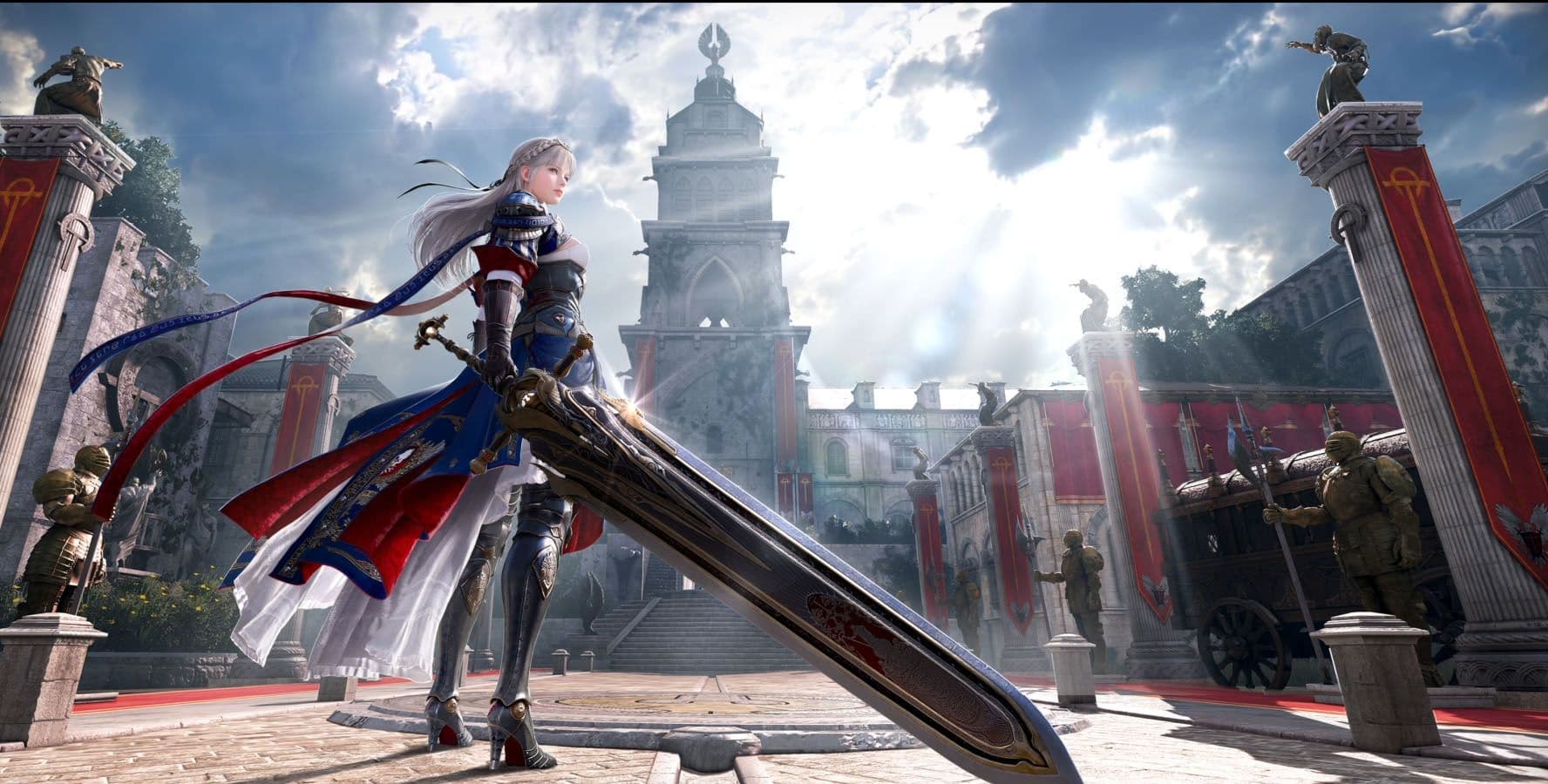
Black Desert Online
Pearl Abyss
Fast action combat and fluid combo strings turn spot grinding into an adrenaline rush for billions of silver and gear upgrades.
Best for: solo grinders wanting to master deep class combos and fund gear progression on contested spots
World of Warcraft
Blizzard Entertainment
Mythic raids and Mythic+ dungeons set the gold standard for PvE endgame, where tactic mastery and timing decide every encounter.
Best for: coordinated guilds and raiders aiming to conquer demanding team-oriented PvE endgame content
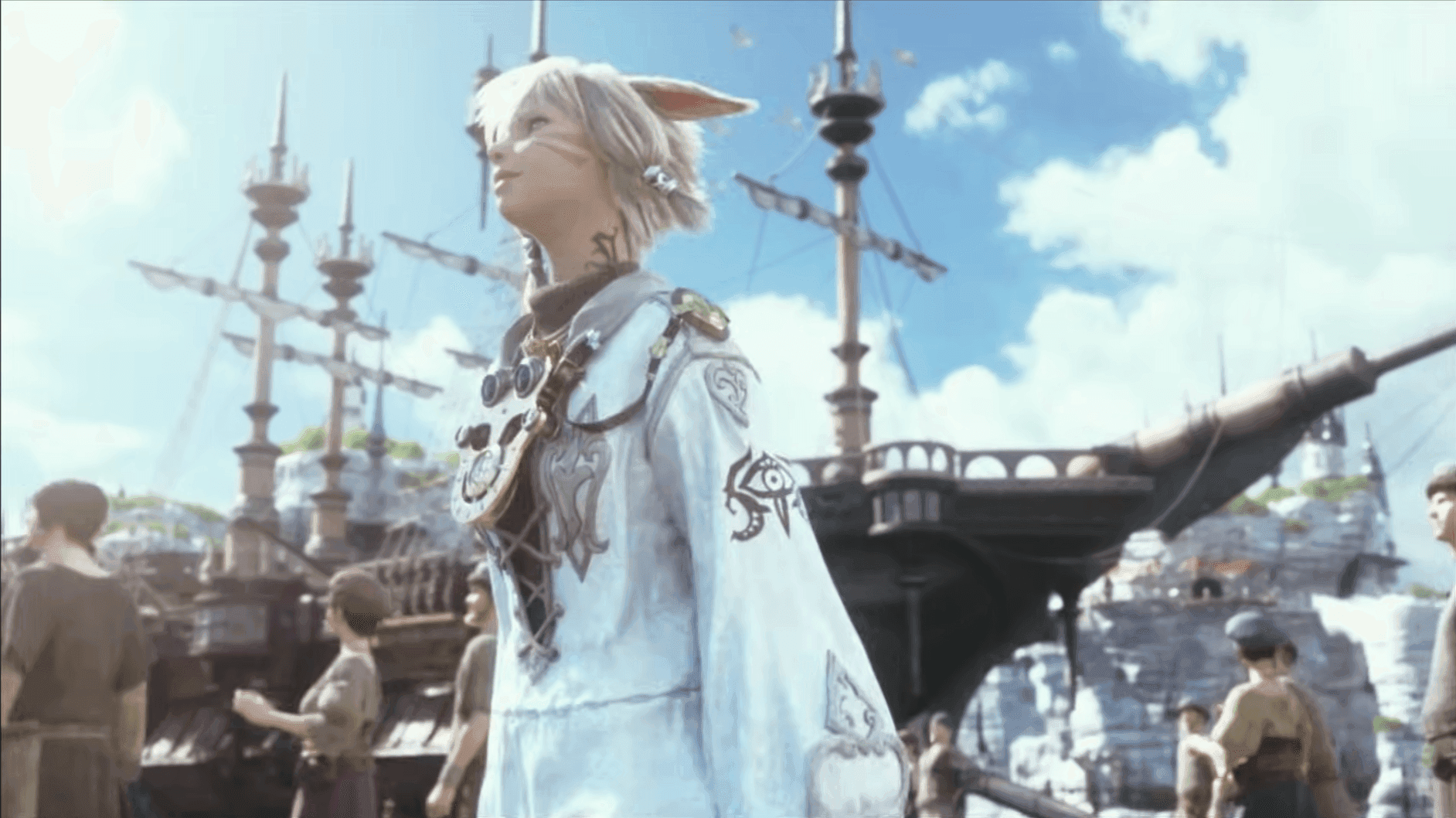
Final Fantasy XIV
Square Enix
A single-player-grade story connects hundreds of hours of quests, unlocking uncompromising Ultimate-tier raid encounters.
Best for: story-driven players and dedicated static groups ready to master complex boss encounter phases
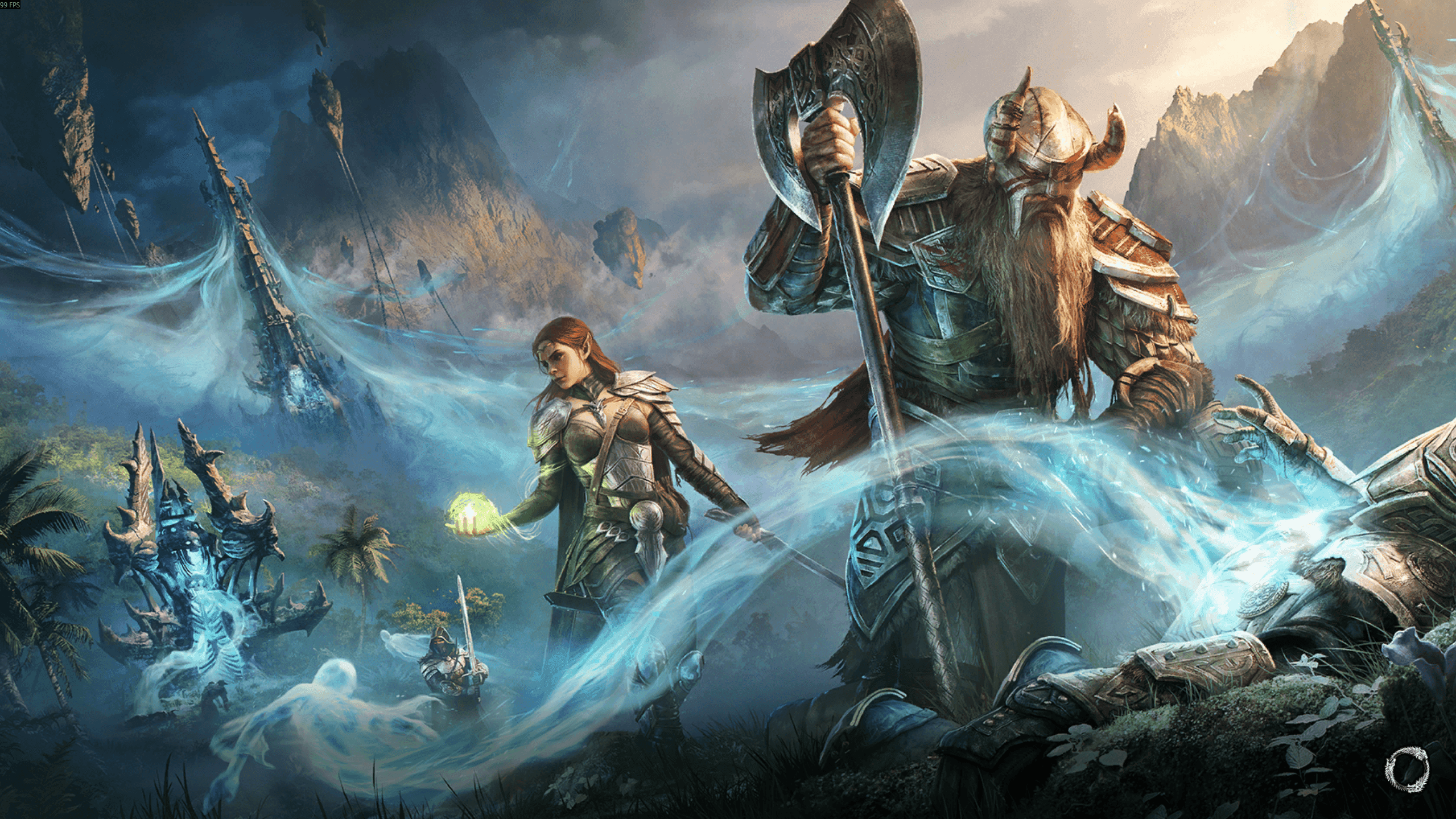
The Elder Scrolls Online
ZeniMax Online Studios
Full voice acting and open level-scaling allow you to explore any corner of Tamriel without level restrictions.
Best for: Elder Scrolls lore enthusiasts seeking an atmospheric, unhurried journey through a massive solo-friendly world
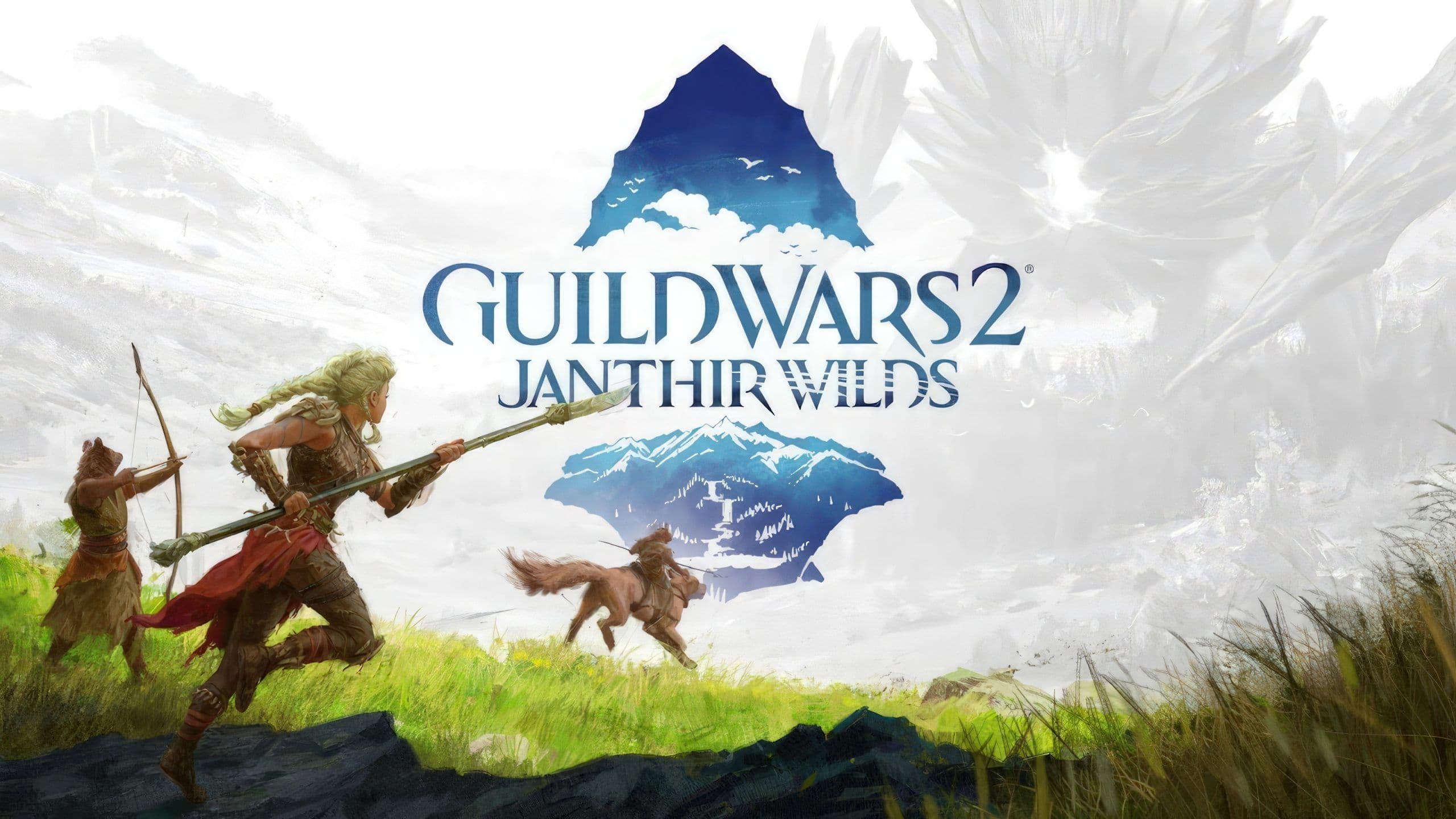
Guild Wars 2
ArenaNet
Top gear never becomes obsolete, and open-world meta-events bring dozens of players together without tedious group finding.
Best for: time-constrained players exhausted by the constant gear score treadmill of new seasonal expansions
Albion Online
Sandbox Interactive
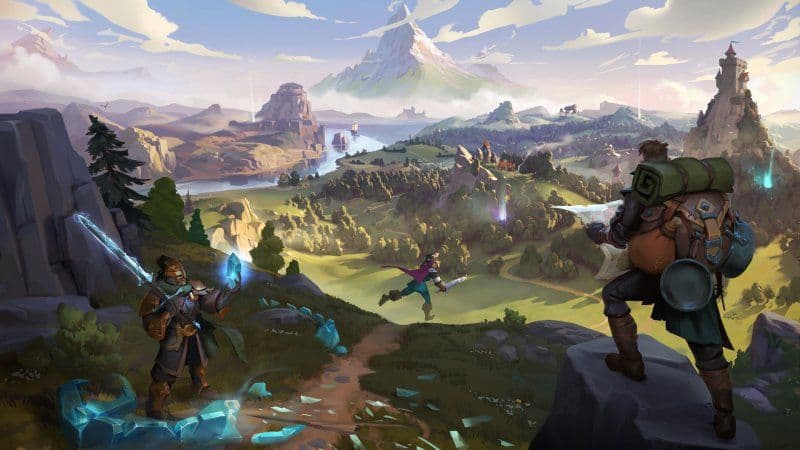
Full-loot PvP in deadly black zones keeps players on edge, driving guilds to wage continuous war over prime resource territories.
Best for: competitive PvP fighters and guilds willing to risk their equipped gear for territorial dominance
Old School RuneScape
Jagex
Leveling skills to 99 and solving witty quests make long-term character progression genuinely rewarding and enduring.
Best for: patient veterans and retro enthusiasts who enjoy steady solo skill training alongside videos or podcasts
EVE Online
CCP Games
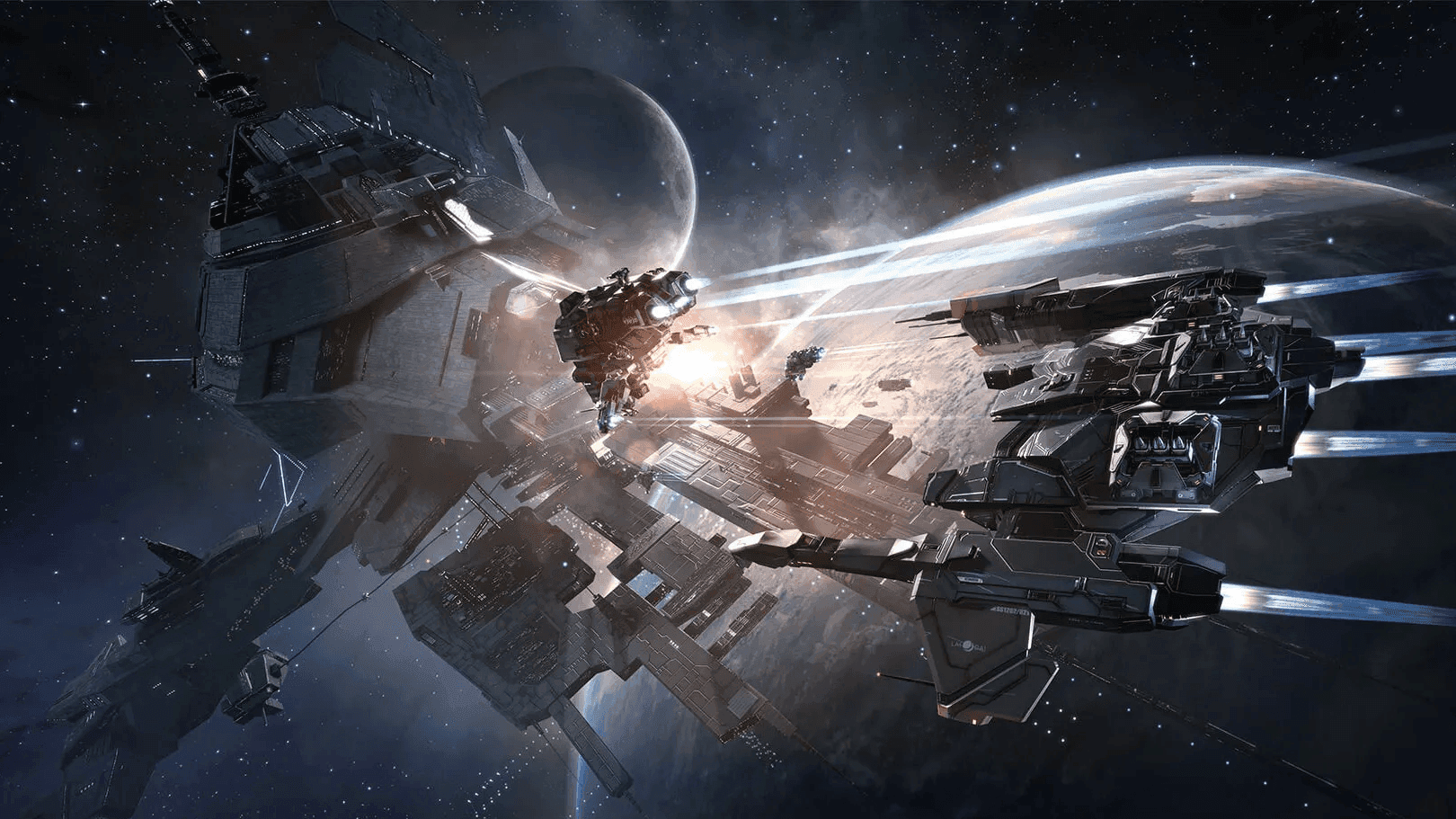
A single shared universe lives by ruthless free-market laws, where fleet destruction in alliance wars costs thousands of real dollars.
Best for: calculating strategists and market moguls prepared for irreversible ship losses in high-stakes space warfare
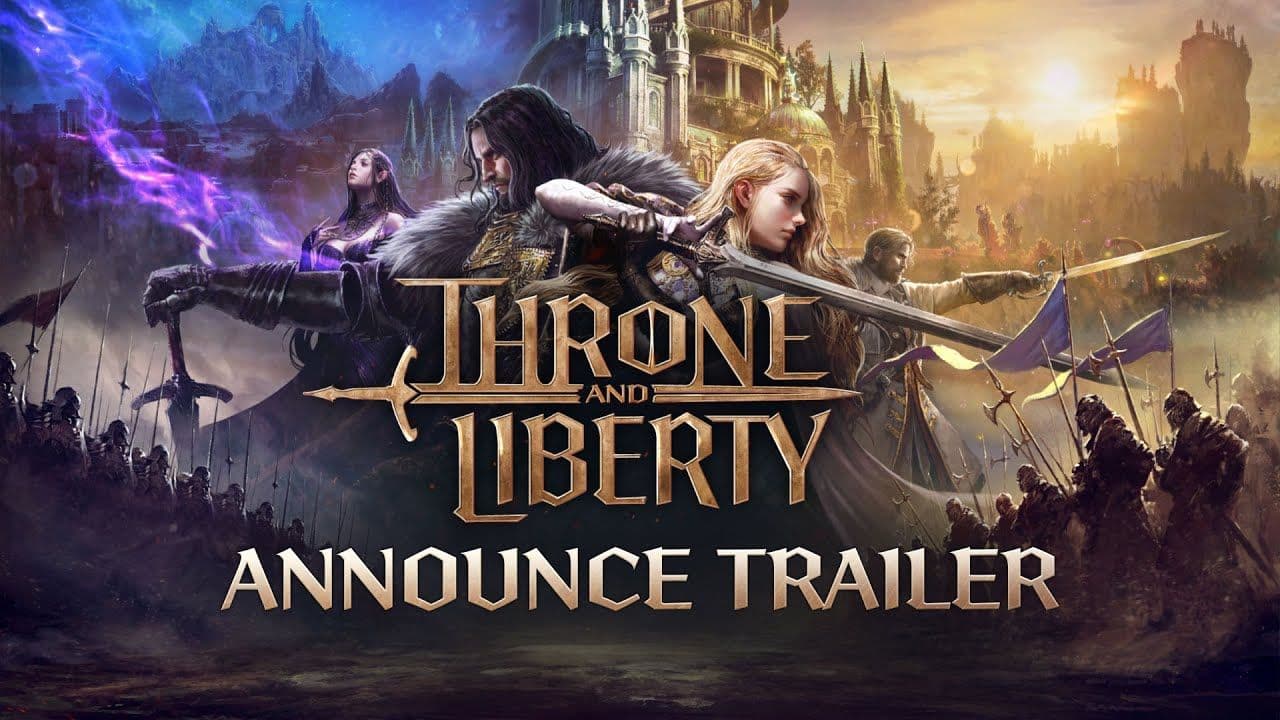
Throne and Liberty
NCSOFT
Massive castle sieges for hundreds of players and world boss contests revive old-school Korean warfare in crisp Unreal Engine 5 visuals.
Best for: active guilds and fans of large-scale open-world warfare seeking next-generation visual fidelity
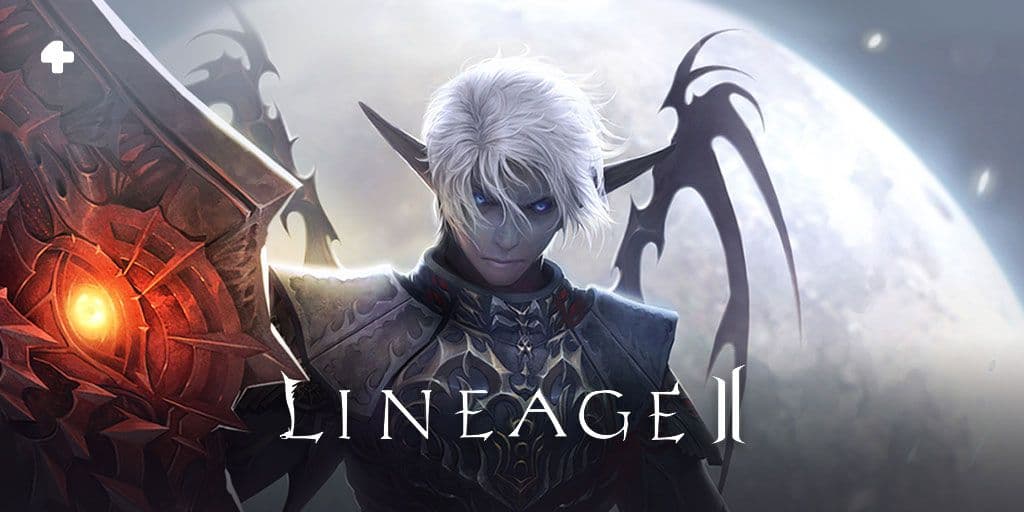
Lineage 2
NCSOFT
Catacomb spot wars, PK penalties, and fierce clashes for epic raid bosses forged this game into a hardcore PvP legend.
Best for: hardcore const-parties and clan veterans who prioritize open-world dominance over casual comfort
The Evolution of the MMORPG Genre: From Virtual Sandboxes to Theme Parks
The multiplayer online role-playing genre has walked a path unlike anything else in interactive entertainment. During the late 1990s and early 2000s, when foundational worlds like Ultima Online, EverQuest, and Lineage 2 emerged, developers were not merely making games—they were constructing living digital societies governed by unforgiving laws. In those early virtual frontiers, quest markers did not exist, safe zones were rare, and automated matchmaking was decades away. Losing hard-earned character experience or gear upon death was an accepted reality, and player cooperation was essential for survival. Resting around an open campfire to regenerate mana fostered genuine friendships, spawned the first gaming clans, and established unwritten codes of server conduct. This was the golden age of the Sandbox, where drama and content were generated entirely by players through rivalries, trade, and expeditions into the unknown.
The arrival of World of Warcraft in 2004 altered the gaming landscape permanently, marking the absolute triumph of the Theme-Park philosophy. Blizzard demonstrated that an MMO could captivate tens of millions: curated quest hubs replaced open-world mob grinding, instanced dungeons eliminated boss griefing from rival guilds, and death was reduced to a minor inconvenience. This unprecedented success triggered an industry gold rush, with every major publisher attempting to develop the next "WoW killer." Yet the widespread democratization of the genre brought an unintended consequence: the gradual erosion of the social fabric. The introduction of Dungeon Finders (LFG), cross-server phasing, and automated matchmaking transformed fellow world inhabitants into silent strangers who rarely typed a single greeting into chat.
Today, the MMORPG market has stabilized into two distinct poles. On one side stand high-budget Western theme parks prioritizing player convenience, respectful time management, and rich solo accessibility. On the other stand hardcore sandboxes and modern Korean titles revitalizing high-stakes open-world warfare, player-driven economies, and territorial conquest.
Economies and Monetization: From Subscriptions to Paying for Time
An MMO's financial model shapes every facet of its game design and economy. While single-player titles finish monetization at the retail counter, persistent online worlds demand substantial ongoing revenue to maintain server clusters and deliver major content expansions. Over twenty-five years, the industry has crystallized into three primary commercial models.
The traditional pay-to-play subscription model (P2P), preserved by World of Warcraft and Final Fantasy XIV, remains the cleanest and most balanced format. Players pay a fixed monthly fee, and in exchange, the game rewards skill and effort rather than wallet size: the most prestigious mounts, weapons, and titles can only be earned by defeating difficult raid bosses. Cash shops in subscription titles remain strictly confined to optional cosmetics. The buy-to-play model (B2P), championed by Guild Wars 2, offers similar fairness: purchasing the base box and expansions unlocks the entire experience without requiring an ongoing monthly toll.
The Free-to-Play (F2P) framework, prevalent across Asian productions and sandbox hits like Albion Online, Black Desert, and Throne and Liberty, lowers the barrier to entry but monetizes player time and convenience. Developers have largely abandoned blatant Pay-to-Win mechanics in favor of nuanced "Pay-to-Fast" systems: expanded inventory slots, auto-looting pets, crafting focus boosters, and failstack insurance gently incentivize regular microtransactions. A pivotal industry trend over the past decade has been the official integration of tradable game-time tokens (WoW Token, EVE's PLEX, Throne and Liberty's Lucent). This system allows dedicated grinders to finance their game time using earned in-game currency, while time-constrained professionals can legally buy gold directly from developers, effectively decimating unauthorized third-party black markets.
Anatomy of Modern Mechanics: Progression, Combat, and Longevity
The longevity of any MMORPG relies on three mechanical pillars: its progression style, its combat design, and its economic structure. Understanding these systems ensures you invest your time into a world that aligns with your gaming goals.
- Vertical vs. Horizontal Progression: In vertical progression structures (World of Warcraft, Final Fantasy XIV), every major seasonal tier or expansion invalidates prior gear. Item levels rise, new raid tiers open, and players return to the gear treadmill. This delivers the thrill of escalating power numbers, but missing a season can make catching up feel like a chore. Conversely, horizontal progression systems (Guild Wars 2, The Elder Scrolls Online) freeze maximum item stat ceilings. Expansions add new traversal tools (gliders, mounts), masteries, and elite specializations rather than higher stat caps. Logging into Guild Wars 2 after a three-year hiatus leaves your legendary gear just as viable as the day you forged it.
- Tab-Target vs. Action Combat: Classic tab-targeting forms the foundation of WoW and FFXIV, prioritizing tactical strategy, ability cooldown management, rotation optimization, and group positional awareness. In contrast, action combat systems (Black Desert, and hybrid systems like Throne and Liberty) operate like third-person action games: requiring manual reticle aim, evasive rolls, combo linking, and rapid reaction to boss telegraphs.
- Closed-Loop vs. Inflationary Economies: Most MMO economies suffer from hyperinflation as monsters endlessly spawn raw gold and loot. Closed-loop economies like those in Albion Online and EVE Online take the opposite route: every sword, ship, and consumable is crafted by players from player-harvested raw materials. Combined with full-loot rules in dangerous territories, constant item destruction fuels continuous market demand, sustaining the most realistic economic simulations in the gaming medium.
Comprehensive Comparison Matrix
Key gameplay and monetization attributes of the top 10 PC and console MMORPGs:
| Game | Business Model | Combat Style | Primary Focus | Barrier to Entry | Monetization Impact |
|---|---|---|---|---|---|
| World of Warcraft | Monthly Subscription + Expansions | Tab-Target with Addon Support | High-end Raids and Mythic+ Dungeons | Moderate (fast leveling, demanding endgame) | Cosmetics and legal gold trading via WoW Token |
| Final Fantasy XIV | Monthly Subscription + Expansions | Tab-Target (Story and Boss Dances) | Cinematic Main Scenario and Ultimate Raids | Low (guided leveling, heavy solo narrative) | Purely cosmetic outfits, mounts, and emotes |
| The Elder Scrolls Online | Buy-to-Play + Optional Subscription | Action-Hybrid (Aim + Hotbar) | World Exploration, Tamriel Lore, and Quests | Low (zone level-scaling, open world) | Subscription provides unlimited crafting material bag |
| Guild Wars 2 | Buy-to-Play (Free Base Game) | Hybrid Tab/Action with Active Dodges | Open-World Meta-Events and WvW Sieges | Low (no gear treadmill, persistent gear values) | Quality of life (bag slots, bank tabs, skins) |
| Black Desert Online | Buy-to-Play / Free-to-Play | Dynamic Combo Action Combat | Endless Mob Grinding Spots and Node Wars | High (complex key inputs, dense UI systems) | Loot pets, carry weight limits, premium Value Packs |
| Albion Online | Free-to-Play | Isometric Skillshot Action | Full-Loot PvP, Guild Wars, Player Crafting | High (gear loss upon death, slow mastery grind) | Premium subscription boosts fame and crafting focus |
| Old School RuneScape | Free-to-Play + Optional Membership | Tile-Based Point-and-Click | Skill Mastery, Intricate Quests, Retro Bosses | Moderate (simple mechanics, immense time investment) | Bonds allow trading real money for in-game membership |
| EVE Online | Free-to-Play (Alpha) + Omega Sub | Tactical Fleet Command Simulation | Corporate Politics, Logistics, Alliance War | Very High (steep learning curve, unforgiving losses) | Omega unlocks advanced ships and accelerated training |
| Throne and Liberty | Free-to-Play | Dynamic Hybrid Target with Active Blocks | Massive Castle Sieges and Co-op Dungeons | Moderate (fast progression, deep weapon gearing) | Premium Lucent currency powers the player auction house |
| Lineage 2 (Classic / Legacy) | Free-to-Play | Classic Point-and-Click Target | Party Spot Contests, Raid Bosses, Castle Sieges | High (group reliance, harsh death penalties) | Consumable buffs, XP boosters, gear enchantment kits |
Player Guide: Choosing Your Ideal MMO Adventure
To ensure your hundreds of invested hours deliver rewarding experiences, match your gaming personality with the right virtual world:
If you prioritize narrative, questing, and immersive solo world exploration: Your premier choices are The Elder Scrolls Online and Final Fantasy XIV. Both can be enjoyed entirely as extensive single-player RPGs with hundreds of hours of storyline before you ever feel compelled to join a group. ESO features complete voice acting across every quest, while FFXIV offers a dramatic narrative arc rivaling the best mainline Final Fantasy entries.
If you crave high-end PvE execution and raid coordination: Look no further than World of Warcraft or the savage raid tiers of Final Fantasy XIV. No other games match the meticulous encounter design, phase choreography, and mechanical precision required to overcome mythic bosses alongside a synchronized team of fellow raiders.
If you seek high-stakes risk, adrenaline, and full-loot territory wars: Plunge into the black zones of Albion Online or the null-sec expanse of EVE Online. In these player-driven realms, every loss carries genuine economic sting. For epic castle sieges featuring hundreds of simultaneous combatants, enlist in Throne and Liberty or relive classic clan warfare in Lineage 2.
If you play in short bursts and hate gear treadmills: Choose Guild Wars 2. Its horizontal progression ensures that whatever gear you acquire remains best-in-slot indefinitely, allowing you to hop in for a dynamic world boss event and log off without any obligation to maintain a daily chores list.
Frequently asked questions
Which MMORPG is best for a complete beginner with no online gaming experience?
The Elder Scrolls Online and Final Fantasy XIV are the best entry points for beginners.
Both games feature gentle learning curves, strong emphasis on solo-friendly story campaigns, and exceptionally welcoming player communities. You can explore rich fantasy worlds at your own pace without having to master complex clan systems or worry about open-world PvP attacks.
Which MMORPGs on this list have the fairest monetization without pay-to-win mechanics?
Final Fantasy XIV, Guild Wars 2, and World of Warcraft offer the cleanest and most transparent monetization models.
They rely on subscription or buy-to-play structures where cash shops sell purely cosmetic skins, mounts, and quality-of-life perks. Top-tier endgame gear cannot be bought with real money and must be earned through raiding, dungeon mastery, and competitive play.
What is the best MMORPG for playing solo without mandatory guild commitments?
The Elder Scrolls Online, Old School RuneScape, and Guild Wars 2 are ideal for solo adventurers.
The Elder Scrolls Online provides fully voice-acted quests tailored for single-player exploration, Old School RuneScape offers hundreds of hours of peaceful skill leveling, and Guild Wars 2 uses open-world dynamic events that naturally unite nearby players without forming pre-made groups.
Where should I go for intense, high-stakes PvP with meaningful consequences?
Albion Online, EVE Online, Throne and Liberty, and Lineage 2 deliver the ultimate PvP experiences.
Albion Online and EVE Online feature full-loot risk where defeated players permanently lose their equipment or spacecraft, while Throne and Liberty and Lineage 2 focus on massive, scheduled castle sieges involving hundreds of combatants fighting for territorial dominance.
Which MMORPGs can run smoothly on budget laptops and low-end PCs?
Old School RuneScape, Albion Online, and classic Lineage 2 run flawlessly on low-end hardware.
Old School RuneScape and Albion Online are lightweight and cross-platform, capable of running smoothly even on integrated graphics, while Lineage 2 features modest hardware requirements rooted in its classic engine architecture.