 F2P · Live
Lineage 2
Aden's castles never stay in the same hands for long, and Lineage II has built an entire twenty-three-year…
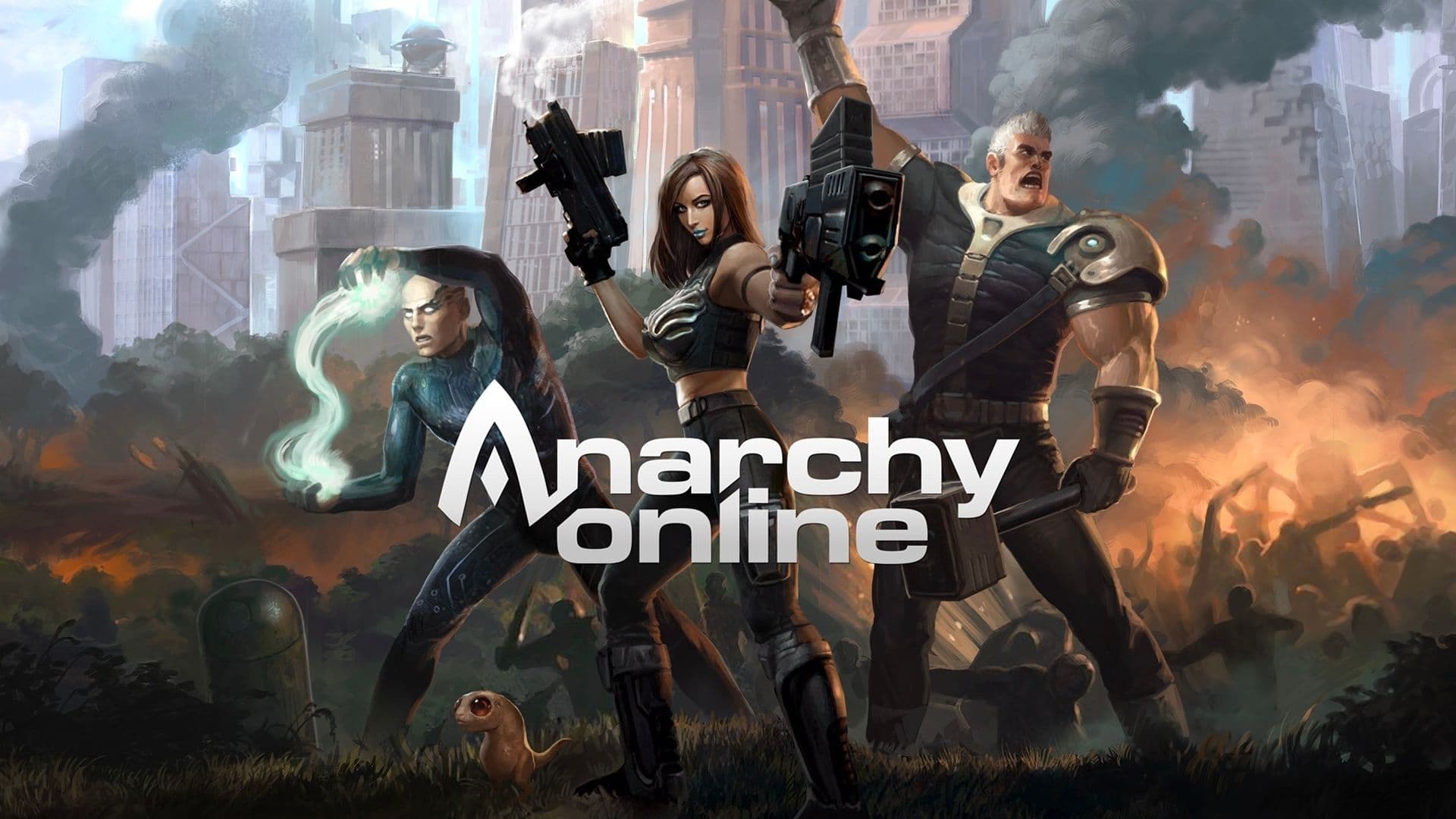
Released in 2001, Anarchy Online was the first science-fiction MMORPG, and it's still running a quarter-century later. Funcom's classic sends players to the alien world of Rubi-Ka, 30,000 years in the...
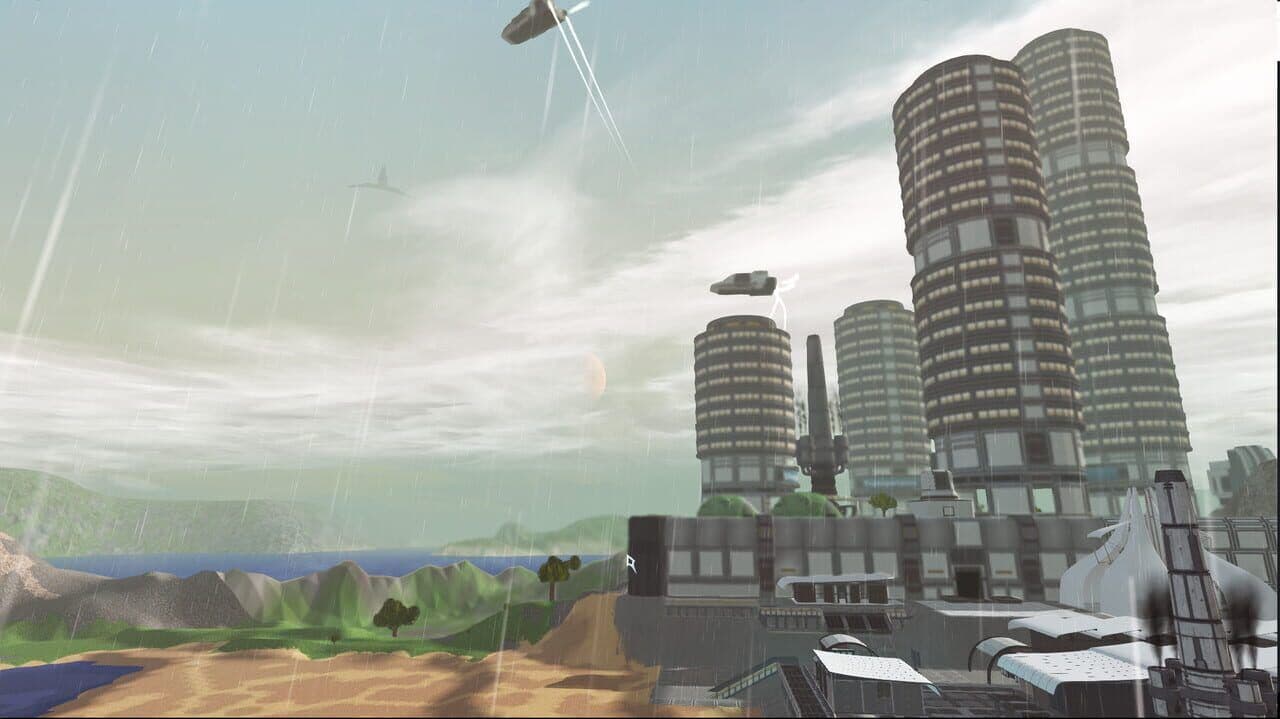
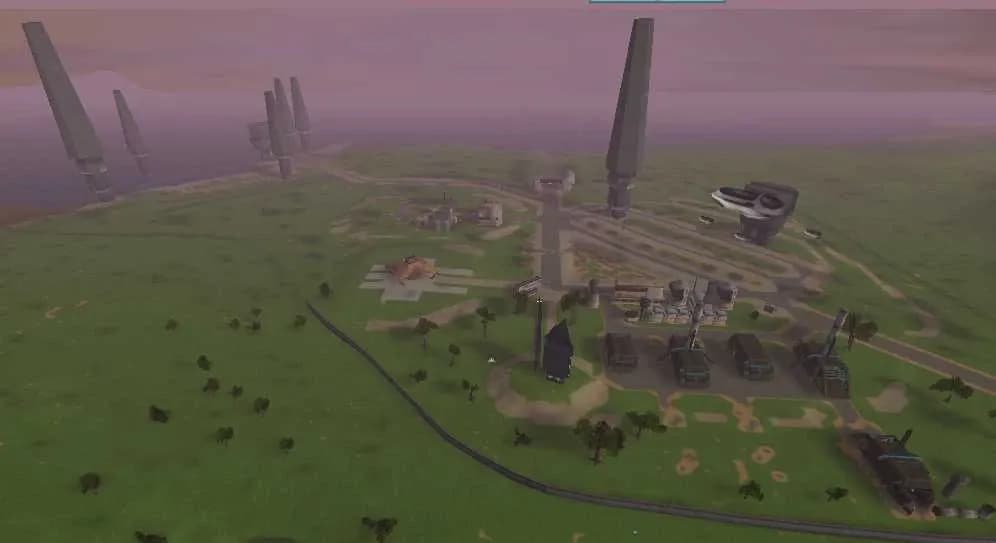
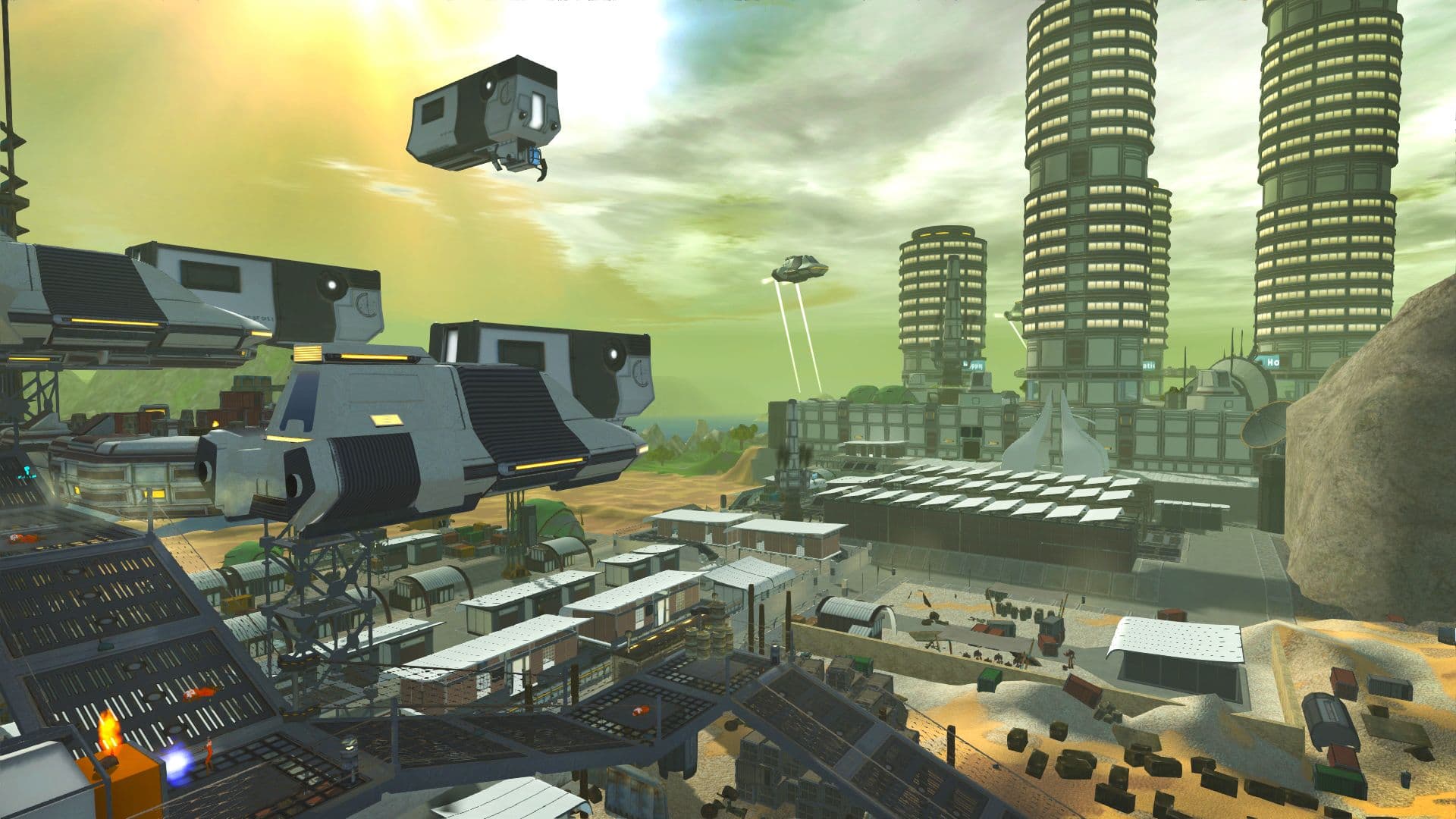
Anarchy Online is a science-fiction MMORPG developed and published by Norwegian studio Funcom, released on June 27, 2001, making it the genre's first true sci-fi entry and one of the earliest Western MMOs to use instancing at all. A quarter-century later it's still running on a single unified server, still charging a monthly subscription for its full feature set, and still adding the occasional patch even though its last real content expansion shipped in 2009. This Anarchy Online review is written for two audiences at once: veterans wondering if there's any reason to log back in, and newcomers curious what an MMORPG from before the genre had settled on its own conventions actually plays like.
The game is set almost 30,000 years in the future on Rubi-Ka, a desert planet whose soil is saturated with notum — a mineral that powers nanotechnology capable of rewriting matter, healing wounds, and turning ordinary colonists into walking weapons. Every player is dropped into the middle of an occupation already in progress: Omni-Tek, the megacorporation that legally owns the planet, versus the Clans, a coalition of rebel factions fighting to take it back, with a third option to stay Neutral and deal with both sides. Unusually for the genre, none of this locks you out of talking to or even grouping with the opposing faction — you can level, quest, and run instances alongside a Clan member as an Omni-Tek loyalist without either of you breaking a rule, which was a genuinely progressive choice for 2001 and still makes the world feel less like three separate games stitched together than most faction-based MMOs manage today.
The setting doesn't lean on cutscenes or voice acting to sell itself — there's very little of either. Instead the lore lives in mission text, notice boards, and years of accumulated community history: alien incursions that began tearing through the sky in 29478, a parallel dimension called the Shadowlands hiding under the planet's surface, and an ancient civilization called the Xan whose ruins gate some of the highest-level content in the game. It rewards patience rather than spectacle, and it's aged into something closer to a shared, half-forgotten mythology than a marketed narrative.
Rolling a character means picking three things that will shape everything downstream: a breed, a profession, and a faction. Four breeds are on offer — Solitus (balanced generalists), Opifex (agile, fragile), Atrox (tanky, resistant to nanoprograms), and Nanomage (fragile glass cannons built around casting) — and each one shifts how many Improvement Points a given stat costs to raise. Layered on top are 14 professions, from the pet-summoning Bureaucrat and the melee-tanking Enforcer to the stealthy rifle specialist Agent and the nano-slinging Nanotechnician, plus two profession are locked behind the Shadowlands expansion. None of this is cosmetic: an Atrox Enforcer and a Nanomage Nanotechnician play like different genres of game glued to the same engine.
Where the depth really shows up is in Improvement Points, or IP — the currency you spend every level to raise skills, and the system that makes Anarchy Online's character building closer to a spreadsheet puzzle than a talent tree. Every skill point you sink into, say, Rifle or Nano Pool competes with every other skill you might want, and a poorly planned IP spread can leave a character functional but mediocre at everything it does. Veteran players plan builds years in advance around specific implant and symbiant setups; new players mostly learn by making a character that works, then rerolling once they understand what "working" actually means.
The core gameplay loop runs on dynamically generated missions rather than a fixed quest chain. You walk up to a Mission Terminal, dial in preferences across a set of sliders — reward type, difficulty, whether you want a stealth approach or a straight fight — and the game procedurally builds an instanced building or compound to match, populated with enemies scaled to your level. Clear it, collect your reward, repeat. It's a system that was strikingly ahead of its time in 2001 and still holds up as a way to grind that doesn't feel like retreading the same three zones for two hundred hours, because technically you never are.
Combat itself runs on tab-targeting and auto-attack rather than manual aim, with the real decisions happening in the ability bar: nanoprograms to buff, debuff, or nuke; special attacks on cooldown; and, if your profession supports it, a summoned pet or a stealthed opening strike. It's not a twitch-combat game by any modern definition, and players coming from action-RPGs will need to recalibrate their expectations toward the tactical, cooldown-driven pacing that dominated MMO combat before real-time dodging became the norm. What it does offer is a genuinely enormous character-build space layered underneath that combat, which is where most of the game's long-term hook actually lives.
Anarchy Online doesn't have a traditional profession-based crafting loop with named recipes the way newer MMOs do, but it isn't without a build economy. Implants — cybernetic upgrades socketed into specific body slots — are assembled from clusters that boost individual stats, and building a strong implant set is a genuine minigame involving skill checks, specific NPC assistance, and a fair amount of trial and error. Symbiants, earned from raid and mission content, layer on top of implants for further stat gains, and higher-tier trade skills let dedicated players build weapons and armor from raw components rather than buying them outright. None of it will eat the hours a full player-driven crafting economy would in a game built around one, but it gives min-maxers a real project outside of straight leveling.
Above the mission grind sits a tier of hand-built dungeons and raid encounters that have anchored the game's endgame for two decades. Static dungeons like the Temple of Three Winds and the Sub-Ice Facility exist alongside open-world raid bosses such as Tarasque, a giant, non-instanced monster whose kill is claimed by whichever faction's raid force gets there first — a design choice that turns a boss fight into inter-faction competition rather than a scheduled queue pop. Pandemonium, by contrast, is a non-PvP raid that alternates ownership between Clan and Omni-Tek on a rotating basis, which keeps both sides invested without one faction simply locking the content out for the other permanently.
The game's five expansions — Notum Wars, Shadowlands, Alien Invasion, Lost Eden, and Legacy of the Xan — layered new zones, raid targets, and two additional professions onto this base between 2002 and 2009, and Shadowlands in particular is still considered close to mandatory by veterans for the implant and symbiant upgrades it unlocks. Raid organizing here still runs the old-fashioned way: player-appointed raid leaders coordinating fights that can run past ninety participants through public channels rather than an automated matchmaker, which is either a charming throwback or a genuine barrier to entry depending on how much patience you have for spreadsheet logistics and voice-chat herding.
Player-versus-player combat in Anarchy Online isn't confined to instanced arenas. Open PvP flags on in designated zones and city outskirts, and the game's signature large-scale system, Notum Wars, lets organizations lay siege to enemy-held towers and cities directly, fighting for control of territory that provides tangible in-game benefits to whoever holds it. It's slower and less polished than modern siege systems built two decades later with the benefit of hindsight, but it was one of the first MMOs to let player organizations physically fight over land rather than just farming a PvP rank, and that DNA is still recognizable in the genre today.
The honest caveat is that PvP participation now depends heavily on which server hours and regions still have an active population willing to fight, since Anarchy Online consolidated down to a single shard years ago. A quiet server means a quiet siege scene, and anyone coming in expecting the reliably populated battlegrounds of a live-service MMO should adjust expectations accordingly before committing.
Guilds here are called organizations, or orgs, and they're the backbone of everything above the solo mission grind — raids, Notum Wars, and city ownership all run through them. A well-run org can construct and upgrade its own city, complete with defensive structures that matter directly in siege combat, turning guild leadership into genuine city management rather than a Discord server with a shared bank tab. Outside of formal orgs, the community is unusually willing to help strangers; a volunteer game master corps called the Advisors of Rubi-Ka still runs in-character events and greets new players on the newbie islands, a tradition that has outlasted most of the studio support the game originally launched with.
Anarchy Online runs on a hybrid model that predates the free-to-play boom it's often credited with pioneering. A free account — nicknamed a "froob," short for free noob — grants access to the base game, the original Tower Wars PvP, and enough missions and zones to level for dozens of hours without paying anything. A full subscription, priced in the same rough $15-a-month range it has held for the better part of two decades, unlocks all five expansions, removes character-count and level restrictions, and opens the door to the level 220 cap and Shadowlands-tier gear. It's a straightforward, honestly labeled system with no loot boxes and no gacha mechanics layered on top — the closest thing to predatory pressure is simply that meaningful chunks of the endgame are permanently behind a recurring bill rather than a one-time purchase.
That limbo is worth sitting with rather than dressing up. This isn't a game coasting on hype it can't back up — it's a game that quietly stopped growing and kept running anyway, on a subscription model old enough to predate the phrase "live service." Whether that reads as neglect or as remarkable stability probably depends on how you feel about games that stop chasing trends entirely.
If what you want is a living museum piece where the exhibits still fight back — a game whose systems predate almost every convention the genre now takes for granted, run by a community that's been quietly maintaining its own culture for twenty-five years — Anarchy Online rewards the time it asks for. If what you want is a currently developing MMO with regular content drops and a populated server at every hour, this isn't that game, and no amount of nostalgia will make it one. The froob tier costs nothing to try, and an afternoon on Rubi-Ka will tell you within the hour which category you fall into.