 F2P · Live
Lineage 2
Aden's castles never stay in the same hands for long, and Lineage II has built an entire twenty-three-year…
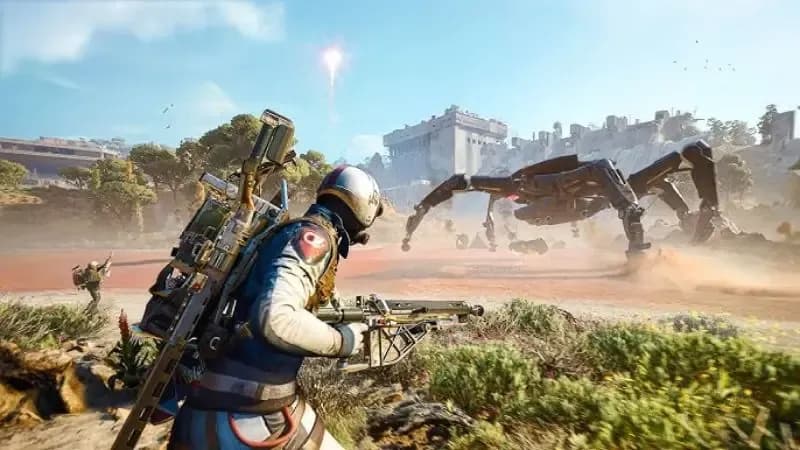
ARC Raiders is a third-person extraction shooter from Embark Studios, set on a near-future Earth overrun by a mechanized threat called ARC. Raiders scavenge a ruined, sun-bleached corner of Italy for ...
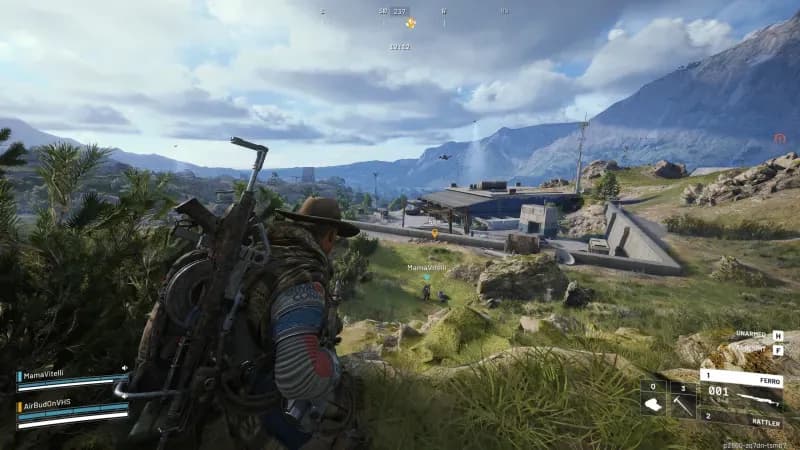
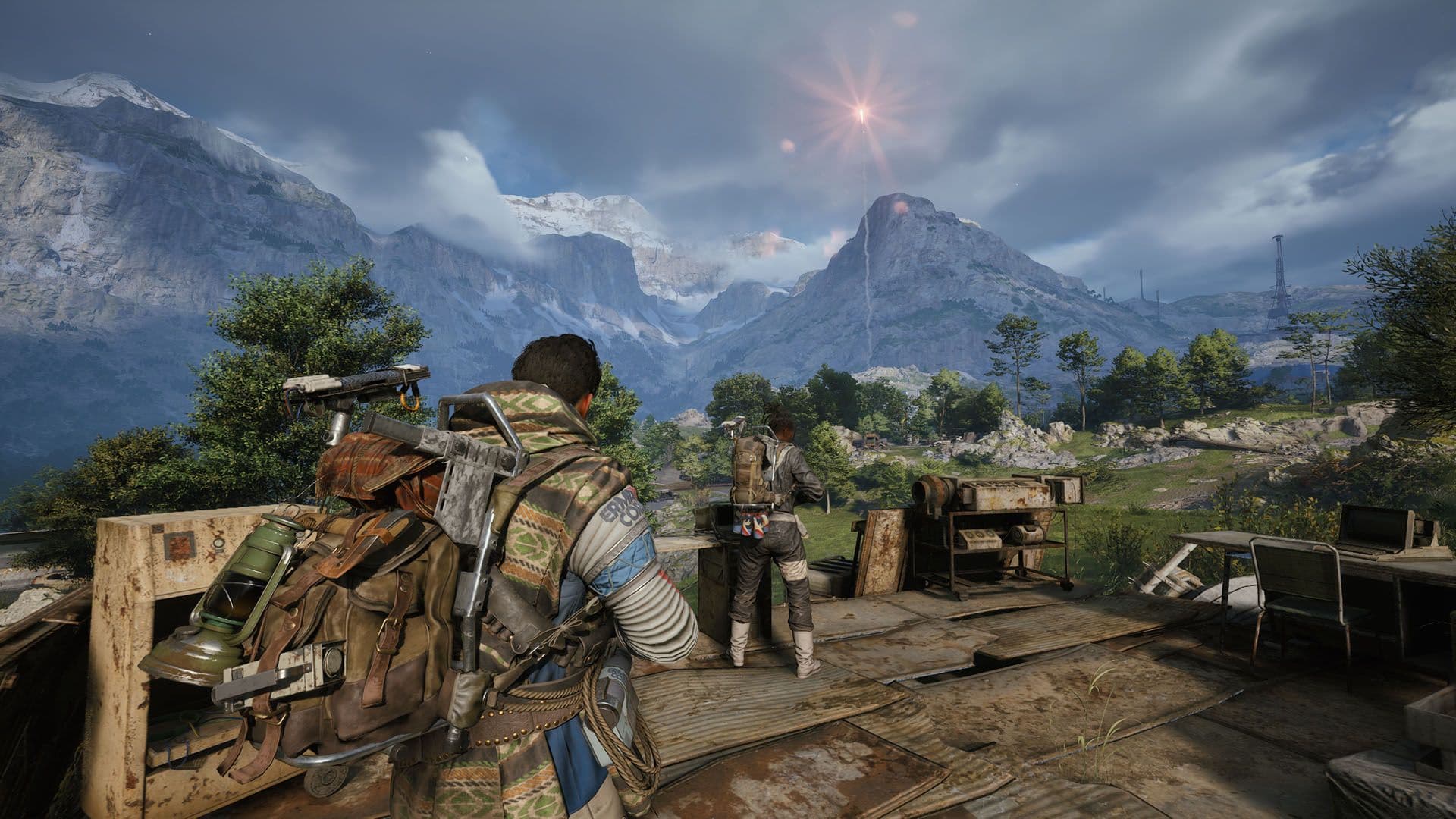
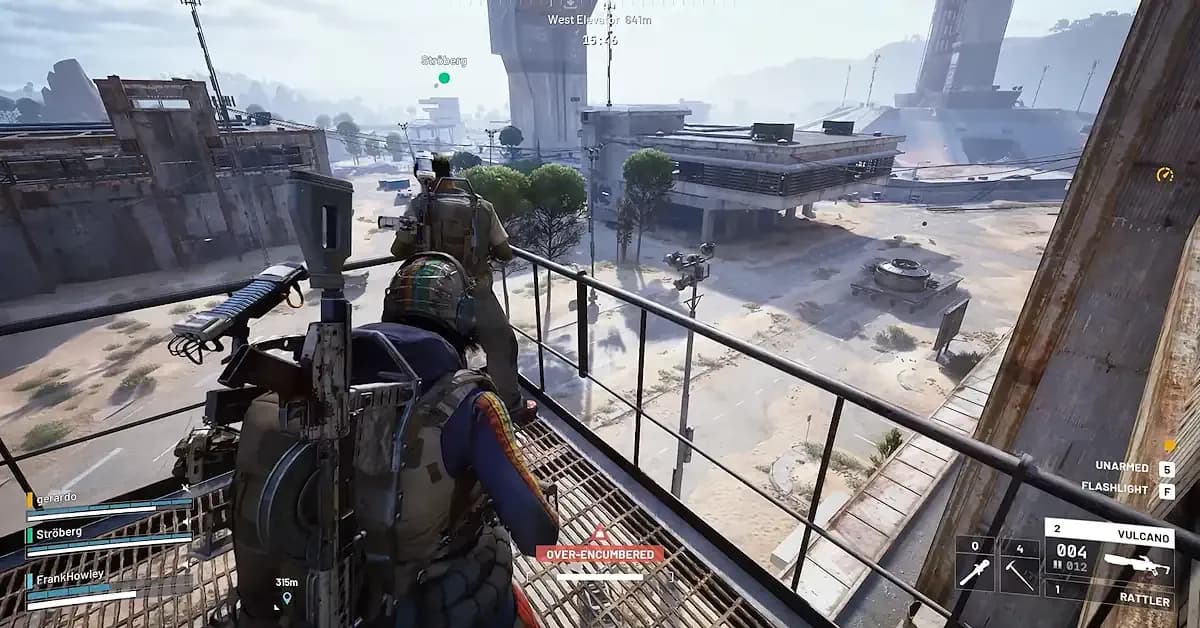
ARC Raiders is a third-person extraction shooter from Embark Studios, the Stockholm developer behind The Finals, released October 30, 2025 on PC, PlayStation 5, and Xbox Series X/S. Built on Unreal Engine 5, the game switched from a planned free-to-play model to a one-time purchase late in development. Set on a near-future Earth overrun by a mechanized threat called ARC, it drops players into the role of scavengers who risk everything they carry every time they step outside.
The map is modeled on the terrain of Tenerife, but the fiction places the action in a post-apocalyptic Italy. Survivors of ARC's invasion waves live in Toledo, an underground city split into self-governing communities called contradas. Players take on a Raider from the contrada Speranza — someone who climbs topside during lulls in ARC activity to strip parts from downed machines and salvage anything the old world left behind.
ARC's origin is never fully explained, and that's a deliberate choice. What little lore exists arrives through vendor dialogue and contract text rather than a single expository dump, so the world feels excavated rather than narrated. The surface itself avoids the grey-brown wasteland cliché: sun-bleached Mediterranean architecture, rusted infrastructure, and the occasional intact café sign sit alongside ARC wreckage, and that visual contrast does more storytelling than any of the actual dialogue.
A run starts in Speranza, where a Raider checks their loadout, picks a contract or two from one of several traders, and queues into a solo, duo, or trio lobby. Loadouts matter less than they would in a shooter with classes — there's no fixed role to lock into, just whatever weapon, shield, and consumables the player can currently craft or afford, which keeps early raids improvised out of necessity rather than choice.
The drop itself is quiet by design. Machines patrol on set routes, and the first real decision of a raid is whether to fight, sneak, or reroute around a cluster of enemies before they notice. Combat runs on manual aim with no lock-on, which puts ARC Raiders closer to a tactical shooter than an arcade one — cover, spacing, and recoil control matter as much as reflexes.
Extraction is the only goal that counts. Reach a lift, a train, or a hatch with your loot intact and everything you found is yours to keep; die or miss the window and it's all gone, full stop. That single rule shapes every other decision in the game, and new players tend to learn it the hard way in their first few runs rather than through a tutorial popup.
Sound carries an unusual amount of the tension here. Footsteps, the metallic whir of a distant machine, or a gunshot echoing off canyon walls all give away position long before anything comes into view, and good headphones do more for survival odds than any single piece of gear. That audio design is also why the extraction lift's approach — a slow rumble that builds as the timer counts down — has become one of the most recognizable sounds in the genre among players who've spent any real time with the game.
Back in Speranza, the Workshop is where raw scavenging turns into repeatable power. Seven specialized benches — weapons, gear, medical, and more — each upgrade through three tiers, and upgrading a bench doesn't buff stats directly; it unlocks blueprints. Learn one and it's craftable indefinitely, provided the materials hold out, which turns ARC Raiders from a pure loot lottery into something closer to a real production chain.
Five Metal Parts refine into a single Mechanical Component at the Refiner bench, a small but telling example of how deliberately the resource economy is tuned — nothing goes straight from pocket to trash pile without a reason to think about it first. A separate foraging layer runs alongside combat loot: mushrooms, sage, and berries scattered across the map feed medical crafting and Scrappy, an automated collector that quietly banks resources back at base while its owner is out on a raid.
Blueprints themselves have to be found before they can be farmed — in loot containers, off downed bosses, in locked rooms, or as contract rewards — so progression feels earned rather than handed out on a level-up screen. Loot is honestly split by purpose rather than dumped into a single pile: consumables like grenades and medkits, high-value trinkets that exist purely to sell, and the crafting materials and blueprints that actually build a loadout. Each category pulls in a different direction inside a backpack that's always too small, and deciding what to leave behind is its own running skill.
A few dozen hours in, players start unlocking Augments, permanent Raider upgrades that expand carry capacity or allow heavier shields, and by that point the map itself has opened up too: the flooded Dam, the sand-choked Spaceport, Buried City, and The Blue Gate's close-quarters mountain tunnels each demand a different playstyle. Blue Gate in particular rewards a different loadout than the open ground of the Dam — its tight corridors turn shotguns and shields into a real advantage where a sniper build would struggle to find sightlines.
Weapon variety leans practical rather than flashy: assault rifles, shotguns, sniper platforms, and a handful of energy weapons all get their own attachment trees at the Gunsmith bench, and unlocking a new sight or stock genuinely changes how a gun handles rather than nudging an invisible stat bar. Nothing here reinvents the shooter genre, but the crafting-first approach means a favorite loadout is something a Raider builds toward and can lose, not something bought outright and kept forever.
ARC fields dozens of enemy types organized loosely by role. Small ambushers like the exploding Pop and the ceiling-clinging Tick punish careless movement through interiors, while Wasps and Hornets keep constant pressure from the air — the rarer Rocketeer can one-shot an unprepared Raider unless its thrusters go down first. Snitches alert nearby machines the moment they spot a player, and heavier units like the Bastion and Bombardier turn open ground into a killzone with sustained gunfire, leaving cover as the only real answer.
At the top of that hierarchy sit two bosses: the spider-like Queen and her subordinate, the Matriarch, who summons reinforcements mid-fight and blankets the arena in homing rockets, flashbangs, and stamina-draining gas. These encounters function as unscripted world bosses — they aren't tied to any quest and can turn an ordinary raid into a full-blown siege with zero warning.
Weak-point targeting is consistent enough to feel like a real skill rather than trivia. Flying machines expose their thrusters, ground units hide theirs behind leg joints and rear armor that has to be stripped through sustained fire before the core underneath takes damage, and the two bosses layer that same idea across multiple stages — armor first, then a narrow window where the exposed core is actually vulnerable. Learning those patterns matters more than raw gear once a squad reaches mid-game content, and it's one of the few systems in the game that rewards study over grinding.
For most raiders, yes — machines are dangerous, but other squads on the same map are the genuinely unpredictable variable. ARC Raiders runs on an aggression-based reputation system that gradually sorts lobbies by playstyle: Raiders who avoid conflict and negotiate at range tend to keep meeting similarly cautious opponents, while players who start fights on sight get funneled toward more aggressive lobbies over time.
The system isn't perfect. Community feedback has pushed back on the fact that trio aggression and solo aggression are tracked as one combined score, and Embark has openly said matchmaking behavior will keep shifting as they tune it. Even so, the basic premise holds up in practice — trio queues run noticeably hotter than solo ones, and that's worth factoring in before picking a mode for the night.
Death at another Raider's hands empties your inventory on the spot — a genuine full-loot mechanic, and that pile of gear is just as valuable to the winner as anything dropped by a boss. It's this threat, not the machines, that keeps players thinking about their exit route from the moment they land.
Raising your hands signals a willingness to negotiate rather than fight, and plenty of veteran squads use it to avoid risking their loadout over a stranger's backpack. Nothing stops the other team from taking your gear and shooting you anyway, and that uncertainty is exactly what makes a peaceful encounter feel like a real gamble rather than a scripted truce. Occasional storm events strip everyone's loadout for the duration, forcing even map veterans to scavenge from zero and find new routes they'd otherwise never touch.
Speranza itself functions as the genre's usual safe zone — repair stations, crafting benches, and a handful of traders each running their own reputation track and reward chain. One deals almost exclusively in weapons and ammunition, another handles recon gear and information, and building reputation with each unlocks better stock rather than just cheaper prices, so the traders end up shaping a Raider's playstyle almost as much as the Workshop does. Contracts rarely boil down to a vague kill count; they're more likely to send a Raider to clear one specific location with a specific weapon, which nudges players toward experimenting instead of grinding the same loadout every run.
Matchmaking keeps solo, duo, and trio queues fully separate, and Embark has said explicitly that keeping lone players away from grouped squads is a priority rather than an afterthought. Solo play genuinely works here — dense sound design and a queue full of equally cautious strangers make it feel like its own experience rather than a stripped-down version of the squad game, closer to a survival-horror session than a typical shooter lobby. Crossplay between PC and console is on by default, and progress carries across platforms under a single Embark ID account.
Embark hasn't left ARC Raiders to coast on launch momentum. The studio ships quarterly roadmaps detailing new maps, machines, and weather conditions, and the game's current story beat — an arc called Escalation — follows directly from the Cold Snap update that landed in December 2025. Extreme weather and heavier ARC presence are the throughline for this period, and each major patch has arrived roughly on the schedule Embark laid out publicly rather than slipping quietly into the next quarter.
That cadence matters more in an extraction shooter than it would in most genres, since the entire loop depends on the map staying worth learning. A Raider who mastered the Dam in the first month still has new machine behaviors, new loot tables, and new storm conditions to account for months later, which is a big part of why the population curve flattened out instead of collapsing after the initial hype faded. Total sales have reportedly passed 16 million copies across all platforms as of this review, a figure that puts ARC Raiders comfortably ahead of most of its direct genre competitors less than a year after launch.
No — the monetization is entirely cosmetic. ARC Raiders sells for $39.99 (Standard) or $59.99 (Deluxe, with a cosmetic bundle), and both editions unlock identical access to every map and system with no content gated behind a second purchase. Progression runs on three currencies — trade coins, achievement points for the seasonal pass, and premium tokens for cosmetics — and none of them touch combat balance. The seasonal pass itself is split into separate tracks rather than one long ladder, which lets players spend their earned currency on the specific rewards they actually want instead of unlocking a fixed order they didn't ask for.
After a launch peak north of 480,000 concurrent Steam players in November 2025, the game lost a substantial chunk of its audience, which is standard for a live-service launch rather than a warning sign on its own. It has since settled at numbers that remain strong for the genre — typically over 20,000 concurrent players on Steam on an average day, with visible spikes around each major content update.
If the appeal of a run hinges on deciding whether to push forward with a full bag or cut losses and run for the exit, ARC Raiders delivers that tension about as well as anything currently on the market. It won't hold anyone's hand through the early hours, but it consistently rewards players willing to learn its systems rather than have them explained.
If you want a shooter with deep character builds and class fantasy, look elsewhere — there isn't one here, and the loadout freedom that replaces it takes some adjusting to. If what you're after is a tense, systems-driven loop where every scrap of loot is a decision and every other Raider on the map is a question mark, this is exactly that game, and the post-launch content cadence has kept it from stalling out the way plenty of extraction shooters do after their first few months.
Is ARC Raiders free to play? No. It's a one-time purchase — $39.99 for the Standard Edition or $59.99 for the Deluxe Edition — with no content locked behind a separate paywall.
Does ARC Raiders have solo play? Yes, and it's fully supported rather than tacked on. Solo matchmaking is kept separate from grouped squads, so lone Raiders shouldn't run into duos or trios.
Is ARC Raiders pay to win? No. Every purchasable currency in the game goes toward cosmetics or the seasonal pass, not combat power.
Does ARC Raiders have crossplay? Yes, crossplay between PC, PlayStation 5, and Xbox Series X/S is enabled by default, and progress carries across platforms on a single account.
What platforms is ARC Raiders on? PC via Steam and Epic Games Store, PlayStation 5, and Xbox Series X/S, with full crossplay and cross-progression across all three.
Is ARC Raiders worth playing in 2026? Yes for players who enjoy high-stakes loot decisions and don't mind a steep early learning curve — the game has kept a healthy population and a steady stream of content updates well past its launch window.