 F2P · Live
Lineage 2 Essence
Lineage 2 Essence is NCSoft's free-to-play take on the classic Korean MMORPG Lineage II, built around faster…
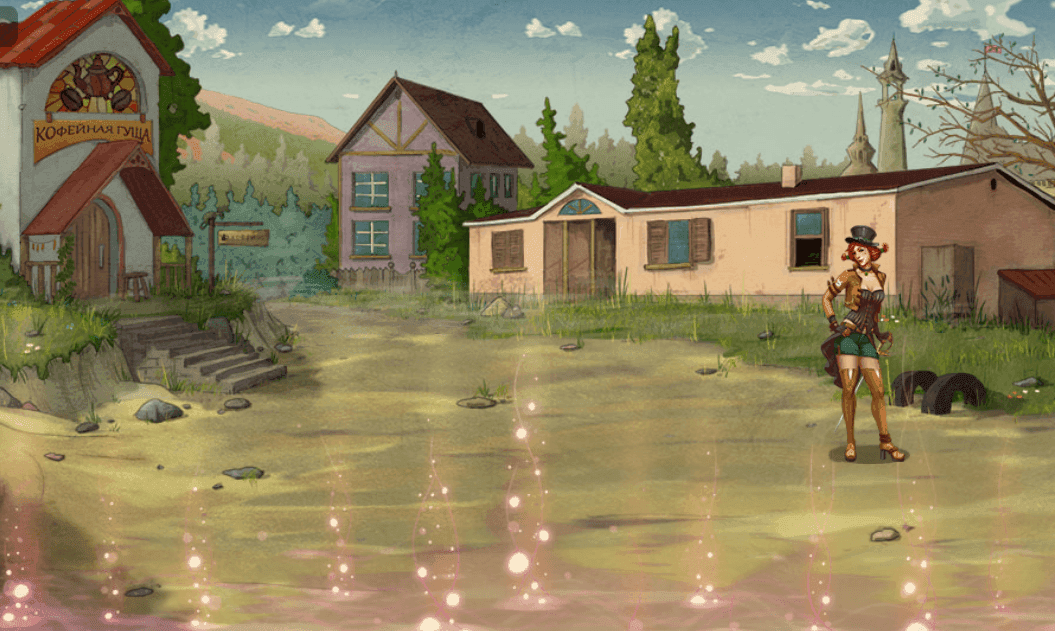
Arcane Afterfall drops you into a fantasy world stripped of its magic overnight, where humans, elves, and demons scramble to rebuild what a mysterious cataclysm took from them. With turn-based combat,...
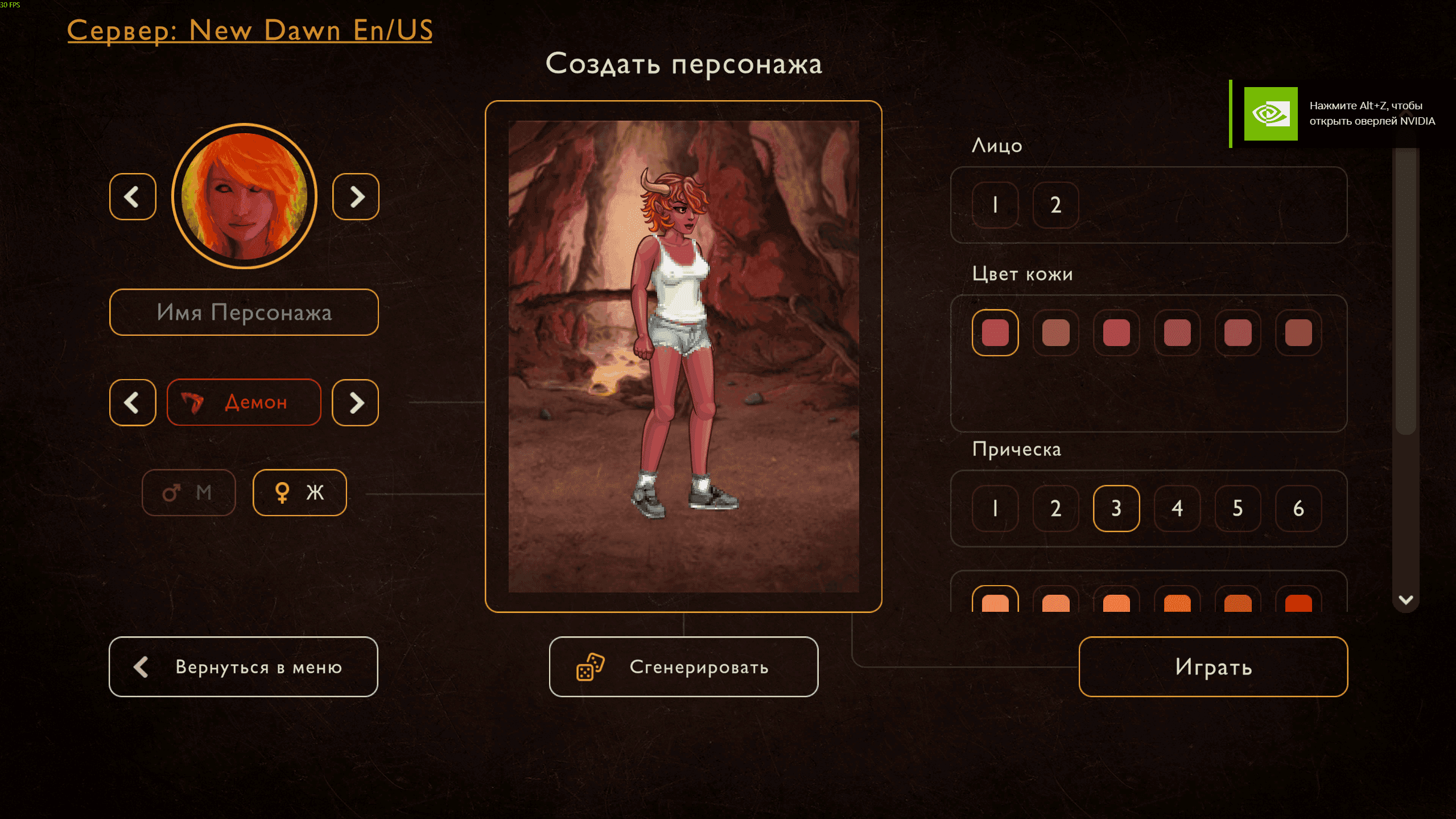
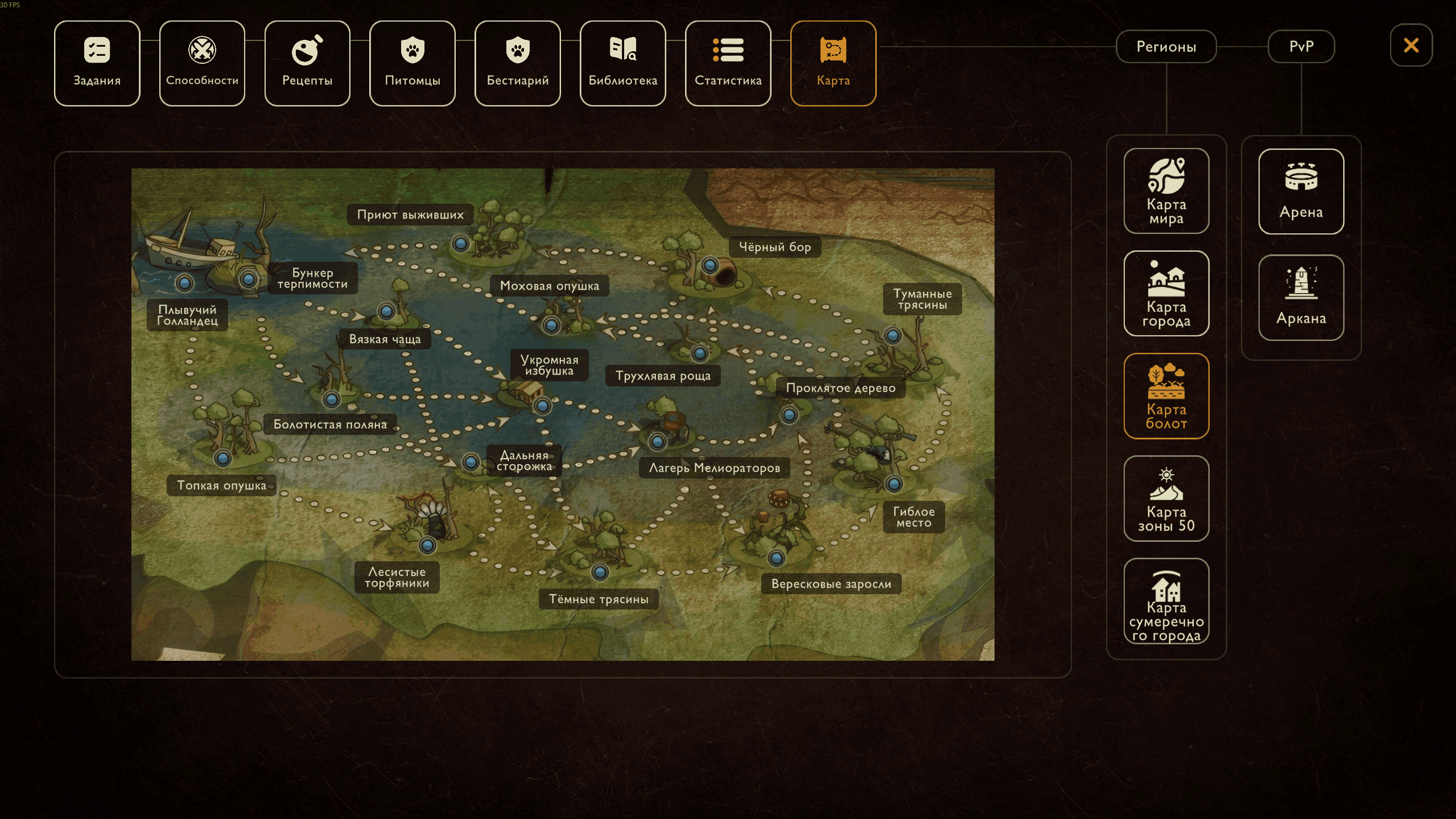
Arcane Afterfall is a 2D turn-based MMORPG developed by Nokhook Entertainment and published by Brightika, Inc., built entirely by a small team without the marketing budget or name recognition of the genre's bigger free-to-play releases. It entered Early Access on Steam on January 30, 2025, and hit its 1.0 launch on July 17, 2025, with cross-platform play extending to Android through Google Play. It sits in an unusual spot for an MMO in 2026: a handcrafted, story-driven fantasy world with a genuinely tiny population, kept alive by a developer who patches it constantly and a player base small enough that most of them probably recognize each other by name. This Arcane Afterfall review is written from that reality rather than around it.
The premise is a clean, workable hook for a low-budget fantasy MMO: a cataclysm strips the world of its magic overnight, alliances between humans, elves, and demons collapse without it, and the old power structures that depended on arcane energy are left scrambling to matter again. Nobody in Arcane Afterfall's world has fully figured out what caused the disappearance, and that mystery threads through the main quest line rather than sitting in a wiki entry nobody reads. The developers have been explicit that the roughly 300 handcrafted locations, characters, monsters, and quest text are made by human writers and artists, with AI tools limited to translation work and some background art for news posts — a distinction the team volunteers unprompted, which says something about how they expect to be judged.
Visually, this isn't chasing anything ambitious. Arcane Afterfall runs on 2D sprite art with a stylized, cartoony look closer to a browser RPG from a decade ago than to anything competing on production values. That's a fair trade for what the game actually is: a small studio's project, not a AAA pitch deck, and the art style reads as a deliberate scope decision rather than a compromise nobody wanted to make.
A new character starts with a short introduction to the cataclysm and drops straight into questing — talk to an NPC, kill a handful of weak monsters, turn in the quest, repeat with slightly harder enemies a zone over. Combat is entirely turn-based, closer in feel to a classic single-player RPG than to anything with reflexes involved: you and the enemy trade actions in sequence, choosing basic attacks and unlocked skills while watching cooldowns and resource costs. It's unhurried by design, and that's either a selling point or a dealbreaker depending on whether you came looking for something to think through or something to react to.
Character building runs on talent trees tied to combat style rather than a fixed class list. The "Path of Fox" tree, for instance, is what actually lets you dual-wield weapons — a mechanical gate that's easy to miss if you don't read your talent options carefully, and exactly the kind of small, unexplained system a first-hour player either stumbles into by luck or has to look up on the Steam forums. Professions open early too: grow an herb, learn the recipe from an NPC, and you're brewing your first infusions within the opening stretch rather than twenty hours later. It's a game that wants you touching most of its systems quickly, even if the tutorial doesn't always explain why they matter yet.
By the ten-hour mark, the loop has settled into something recognizable: quest through zones for experience and coin, fight monsters that scale in difficulty as you push into new areas, and start caring about gear quality. Equipment here carries a rarity tier, and modifiers — consumable items bought or found that add stat pools, raise level requirements, or slot in bonus effects — let you push a piece of gear beyond its base rarity. The system has real depth for a game this size, but it also has a sharp edge the FAQ warns about directly: apply the wrong modifier to a store-bought item with an already-generous stat pool, and you can make it worse, not better. That's an unusual amount of respect for player agency in a genre that often hides these decisions behind confirmation-free clicks.
The profession side of the economy grows alongside combat rather than trailing behind it. Gathering trades feed crafting ones in a fairly conventional chain — grow or harvest a raw ingredient, learn a recipe from the right NPC, and brew, forge, or enchant something a combat-focused player will actually want to buy from you. Gem-socketing opens around level five once you've talked to the right vendor in the Magicmarket district, adding another layer of gear customization that runs parallel to the modifier system rather than replacing it. None of this reinvents the crafting wheel, but it gives non-combat-minded players a real economic role in a game small enough that a dedicated crafter's output can matter to the handful of other people actually online.
Guilds unlock once you've got the coin and a leader willing to negotiate real estate with an NPC broker, and they matter more than cosmetic decoration — guild housing, shared goals, and access to some of the endgame group content all route through them. The mail system deserves a specific mention here, because it's one of the rougher edges a returning player will hit blind: items sent by mail disappear after three days if unclaimed, with only a warning icon as notice. It's a design choice with precedent in older MMOs, but it's also exactly the kind of friction a small team hasn't smoothed over yet, and new players lose genuinely valuable items to it more often than the FAQ's matter-of-fact tone suggests.
This is the section a fair review can't skip past, and the honest version of it is this: Arcane Afterfall's active population is small — third-party tracking sites report concurrent player counts typically in the single digits to low tens, a modest number for a game with an "MMO" in its genre tag. That's not a verdict on the game's quality; it's a fact about scale, and it changes what the experience actually is. Zones can feel empty outside of scheduled group content, trade with other players happens less often than the auction-house UI implies it should, and the promise of a living faction war between humans, elves, and demons plays out more as flavor text than as a server-wide event most players will witness.
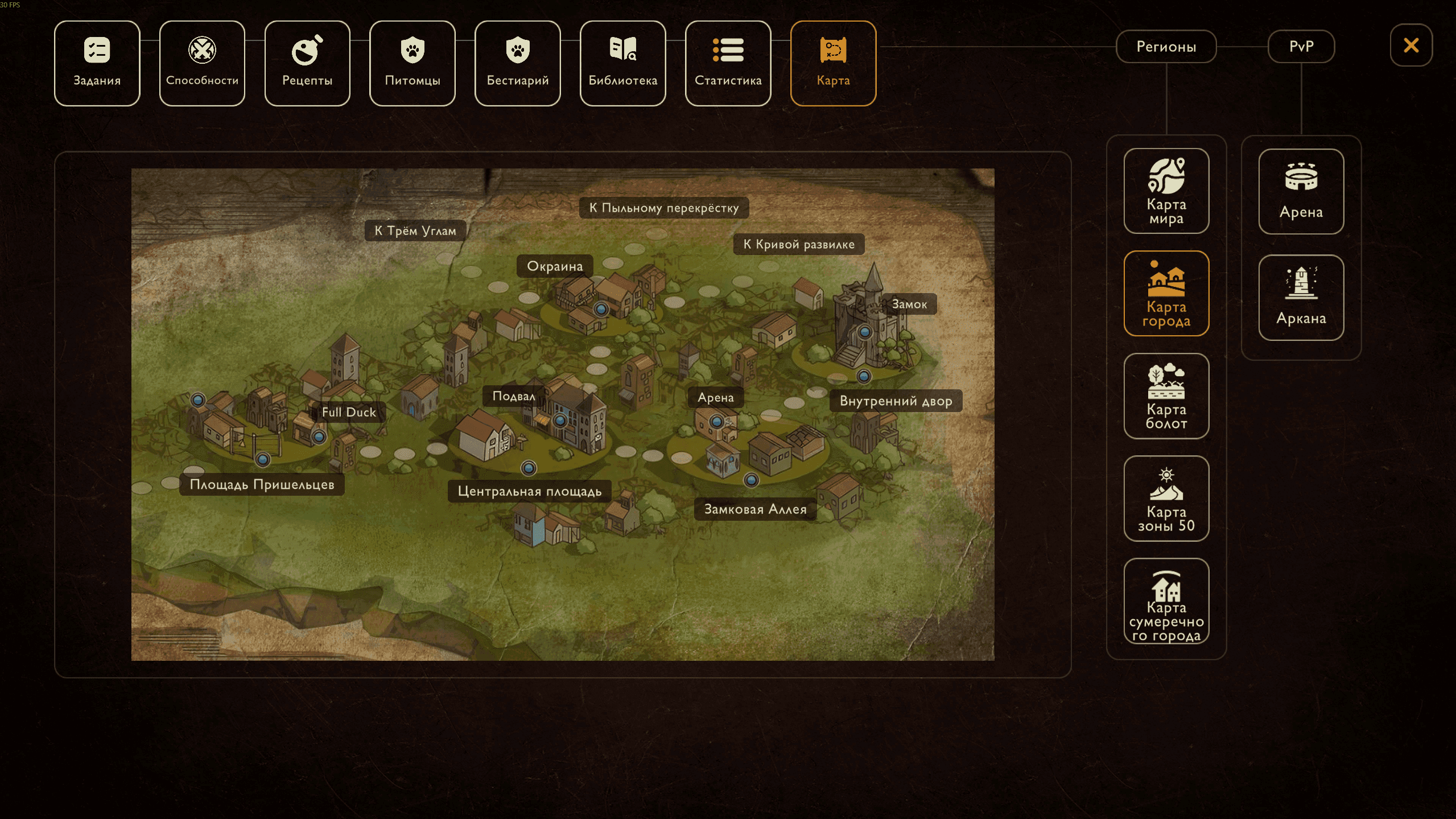
What keeps the game from feeling abandoned is the development pace. Patch notes have shipped regularly since launch — bug fixes, a location map addition, and a recent change removing faction restrictions from the level-gated Arcane Tower group content so players can find groups purely by level bracket instead of waiting on faction numbers that were never going to be there. That's a studio adjusting its own systems in real time to fit the size of audience it actually has, which is a more useful signal than population numbers alone. Steam's review score sits at roughly 68 to 71 percent positive across a few hundred reviews — Mixed to Mostly Positive depending on which snapshot you catch — with the negative side clustering around bugs, translation rough edges, and the mail-and-inventory friction points above, rather than around the core combat or the setting.
Group content centers on the Arcane Tower, a level-bracketed dungeon space that pools players by range (9–12, 13–16, 17–19, 20+) rather than by class composition, and on smaller dungeons scattered through the leveling zones for solo or group runs. Turn-based fights against tougher monsters introduce a mechanic worth knowing before you hit it blind: drag a fight past roughly 45 minutes and the enemy enrages, punishing players who were close to a win but too slow to finish it. It's an odd design decision to gate patience this specifically, but it does prevent the kind of stalemate grinding that can make turn-based MMO combat feel endless.
PvP runs through dedicated arenas and team battles rather than open-world ganking, which keeps the mode approachable for players who came for the story and dungeons rather than competitive combat. It's not the game's main draw, and the review copy doesn't oversell it as one — arenas exist as a side activity for players who want them, not as the thing the whole itemization system is secretly balanced around.
Arcane Afterfall is free-to-play, and its premium currency — internally called Labbits — buys cosmetics, modification boxes, and convenience items through the Premium Store. The developer's own framing, echoed by the community's more considered discussion threads, is that nothing behind the paywall is exclusive: donated-currency weapons can also drop from dungeons at later stages, potions bought with real money can be brewed at comparable quality through the alchemy system if your recipe and skill are good enough, and Labbits themselves can be earned through quests, occasional boss drops, and player-to-player trading rather than purchased outright. Three paid DLC packs on Steam — a consumables bundle, a starter kit, and a cosmetic customization pack — sit alongside the free premium currency loop rather than replacing it, and none of them are framed as a shortcut past content a free player can't otherwise reach.
Community debate on the game's own Steam forums about exactly this question is worth noting, because it's more nuanced than the usual F2P shouting match. One frequent counterpoint is that paying "saves time," and that saved time is itself a form of advantage — a fair philosophical objection that applies to nearly every free-to-play MMO ever made, not something unique to this one. What matters more practically is whether a free player hits a wall they can't clear without spending, and by most accounts they don't: gear ceilings, dungeon access, and PvP arena eligibility are all reachable through normal play, even if a paying player gets there faster. Sales data suggests most of the studio's revenue comes from small purchases rather than a handful of big spenders, which tracks with a monetization model built around convenience rather than exclusivity.
Where the store does deserve a wary eye is the modifier system covered earlier: buying modification boxes from the Premium Store is currently the most reliable way to get them, and the developers have said more free ways to earn modifiers are planned but not yet live. That's a real gap between intent and current implementation, and it's the closest the monetization gets to a legitimate pay-to-win complaint rather than a philosophical one.
The fairer answer to "is it pay to win" is that spending buys convenience and time savings, not a hard ceiling other players can't reach without paying. That's a genuinely more player-friendly stance than plenty of larger F2P MMOs manage, and it's worth crediting a small studio for holding that line rather than assuming good intentions nobody's verified.
Here's the question worth sitting with before you install it: are you looking for a bustling online world, or are you looking for a small, handcrafted RPG that happens to let you group up with the handful of other people who found it? Arcane Afterfall is unambiguously the second thing, and judging it against the first would be a category error. If a quiet, story-forward fantasy setting with turn-based combat and a monetization model that doesn't punish patience sounds appealing regardless of how many other players you'll actually run into, this is a low-risk, zero-cost way to find out. If what you want is the genre's usual promise of a living, populated world reacting to a faction war in real time, Arcane Afterfall doesn't have the numbers to deliver that yet — and won't pretend otherwise if you ask its own community.