 Free To Play
Ragnarok Online
MMORPGReleased
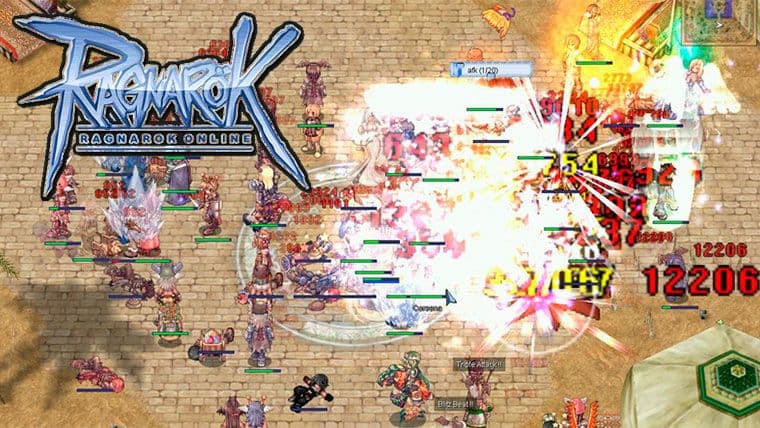
Ragnarok Online has been running since 2002, and the card system it introduced — socketing monster drops into weapons and armor — is still one of the ...
If your PC can run this game, you'll also be able to play these:
Free To PlayRagnarok Online has been running since 2002, and the card system it introduced — socketing monster drops into weapons and armor — is still one of the ...
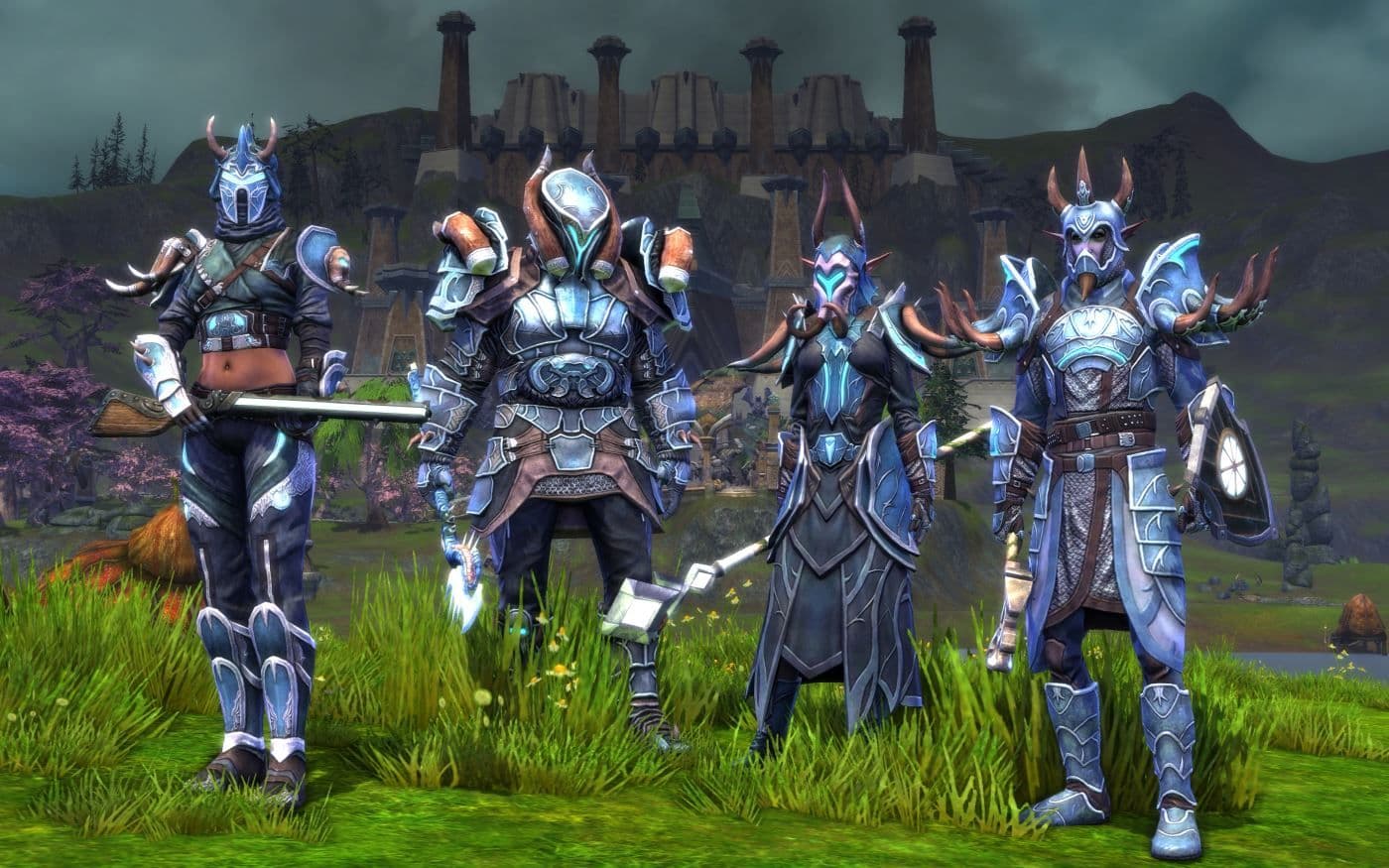
Rifts tear open across the sky at random, spilling elemental invaders into Telara and forcing nearby players to drop what they're doing and fight them...
 Free To Play
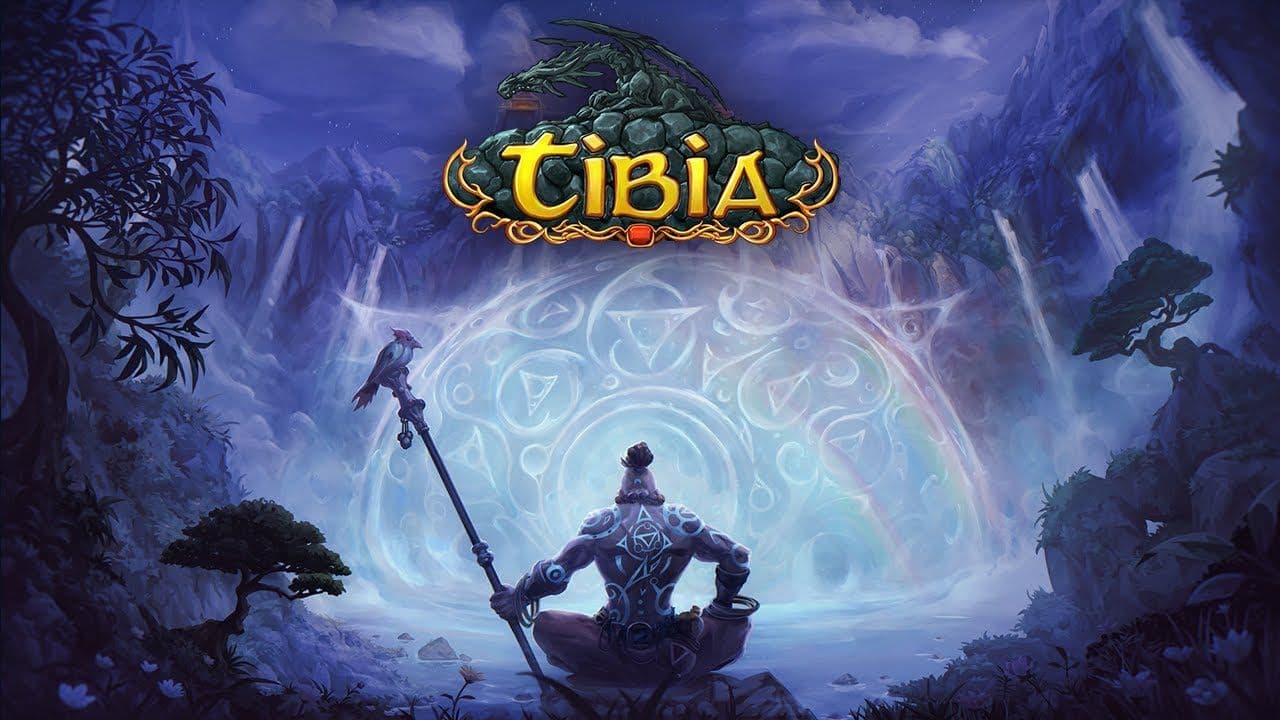
Tibia is the 1997 fantasy MMORPG that never stopped shipping updates — nearly 29 years in and still adding new classes, new bosses, and new content. F...
ArcheAge — это монументальная MMORPG-песочница, и её системные требования имеют под собой очень четкое техническое обоснование. Игра построена на базе знаменитого движка CryEngine 3, который исторически славится своей способностью отрисовывать масштабные открытые пространства, густую растительность и невероятно реалистичную воду.
Во-первых, визуальный стиль и графический движок. В отличие от многих MMO с закрытыми локациями-коридорами или инстансами, ArcheAge предлагает огромный бесшовный мир. Вы можете без загрузочных экранов пролететь на глайдере с вершины горы прямо в открытый океан. CryEngine 3 обеспечивает высокую дальность прорисовки, динамическую смену времени суток, погодные эффекты и сложнейшие шейдеры воды (что критически важно для игры, где морской контент — это половина геймплея). Именно для рендеринга этих гигантских пространств, теней от облаков на волнах и десятков детализированных галеонов требуются видеокарты уровня GTX 660 (с 2 ГБ видеопамяти). Память видеокарты активно расходуется на хранение текстур ландшафта, которые должны быстро сменять друг друга при быстром перемещении по миру, поэтому 512 МБ в минимальных требованиях — это порог абсолютного минимума, при котором текстуры будут мыльными.
Во-вторых, игровая механика и нагрузка на процессор (CPU). Обратите внимание на резкий скачок в рекомендуемых требованиях — от старенького двухъядерного Core2 Duo сразу до четырехъядерного Core i7. Зачем игре такой мощный (для своего времени) процессор? Дело в физике и песочнице. Игроки сами строят дома и фермы (это физические объекты в открытом мире), сажают деревья, управляют кораблями. Процессору необходимо обсчитывать сложнейшие коллизии в реальном времени: как ваш корабль качается на процедурно-генерируемых волнах, как он на скорости таранит вражескую шхуну, как снаряды из пушек летят по баллистической траектории с учетом гравитации. Когда в море сталкиваются две крупные гильдии, процессору нужно рассчитать векторы движения сотен объектов одновременно. Наличие 4 физических ядер спасает игру от "заиканий" во время таких тяжелых расчетов.
В-третьих, сетевая архитектура (Масс-PvP). ArcheAge использует клиент-серверную модель с жесткой синхронизацией. Во время осад замков на одном экране могут находиться сотни игроков. Ваш процессор должен непрерывно обрабатывать огромный поток сетевых пакетов: кто куда побежал, кто какой навык применил (с учетом AoE-эффектов по площади). Эта сетевая геометрия боя требует быстрого процессора для дешифровки и распределения пакетов данных без задержек.
Наконец, ОЗУ и накопитель. Требование в 76 ГБ на жестком диске с обязательной файловой системой NTFS продиктовано тем, что старая система FAT32 не поддерживает файлы объемом больше 4 ГБ (а крупные pak-архивы с текстурами бесшовного мира MMO весят куда больше). Что касается оперативной памяти, то 8 ГБ на рекомендуемых настройках необходимы для кэширования мира. При скачке на быстром ездовом питомце из одной локации в другую, игра должна моментально доставать модели деревьев, других игроков и их построек из ОЗУ. Если памяти будет мало (те самые минимальные 4 ГБ), игре придется подкачивать данные напрямую с медленного жесткого диска, что приведет к жутким микрофризам прямо в момент боя или перемещения.