 F2P · Live
Lineage 2 Essence
Lineage 2 Essence is NCSoft's free-to-play take on the classic Korean MMORPG Lineage II, built around faster…
Starting Grimrain and wondering where the class selection went? This guide walks through the systems a new player actually meets in the current build: how use-based skills replace classes and characte...
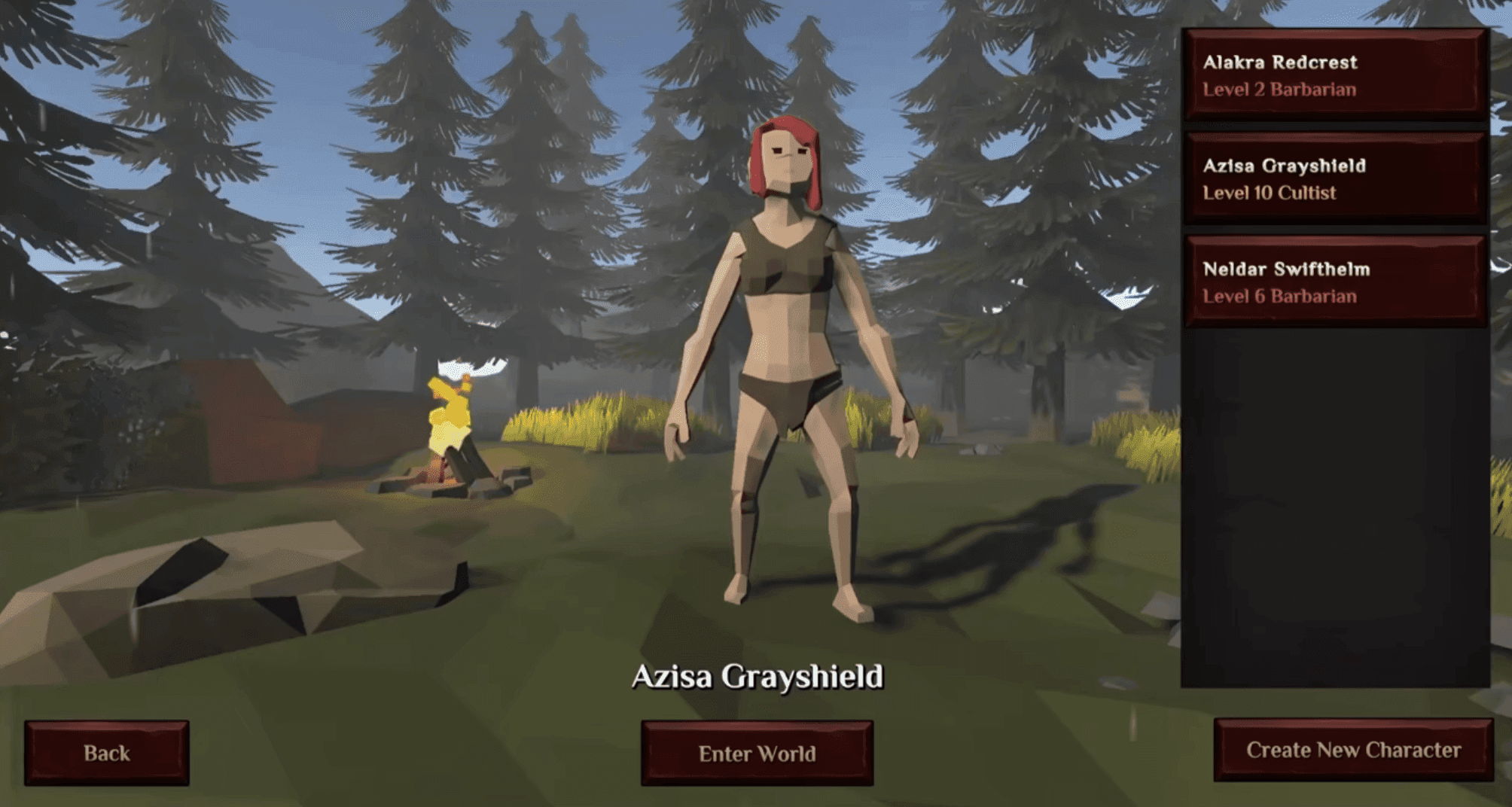
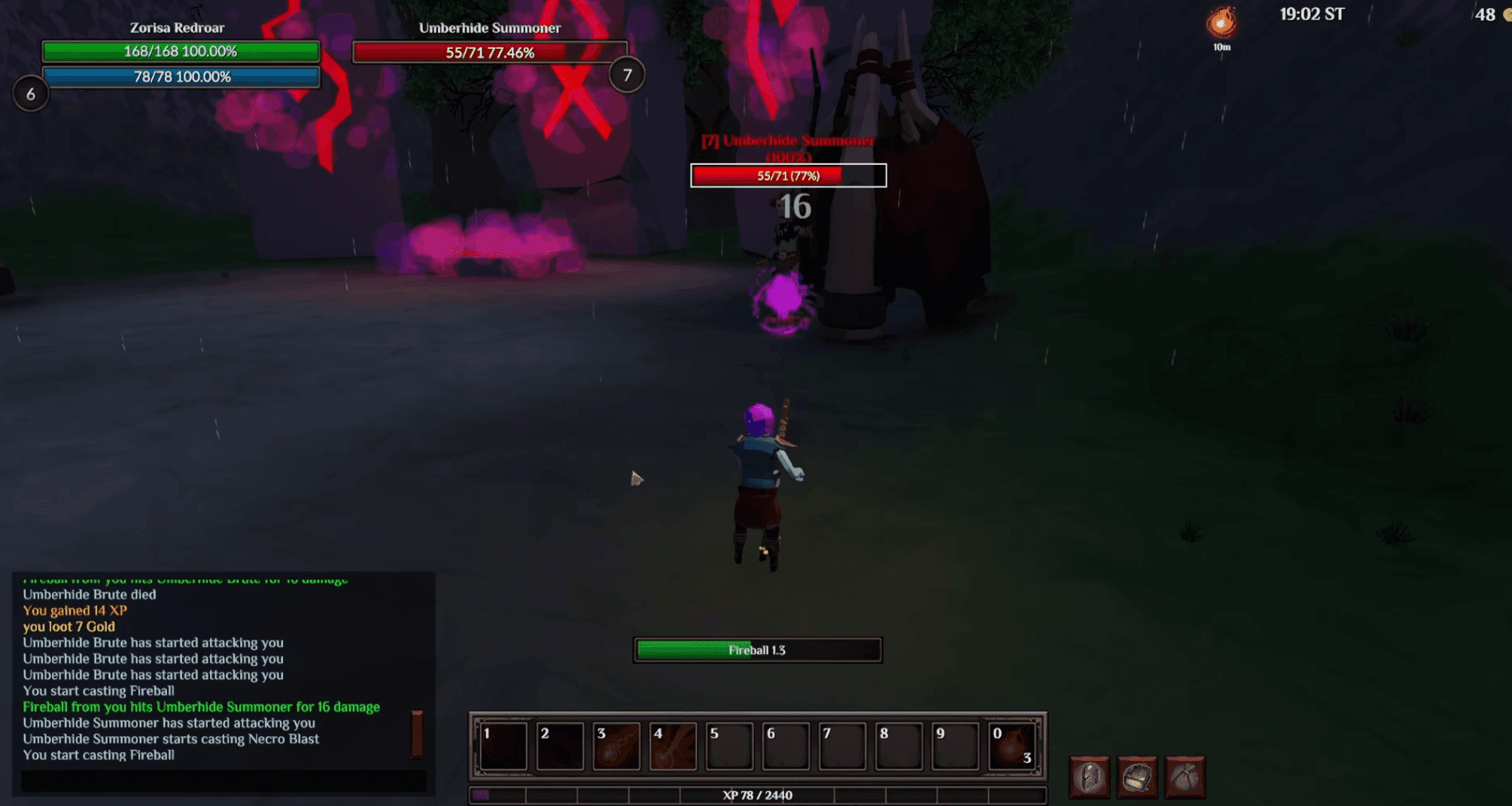
Grimrain is an indie MMORPG from BecauseMonsters with no classes and no character levels, which makes its opening hours unusual enough that a few pointers save real time. This guide covers what a new player needs in the current build: how to get an account and a client, how skills replace classes, what to gather and craft first, how fights are meant to be read, and where the game expects you to go once the starting zone runs out. Early access is scheduled for November 2026, and a free demo is playable right now.
You need a Grimrain account before the client will let you in — it isn't created in-game. Registration happens at account.grimrain.com, and the same account links to Steam later if you want it there. Download the client from itch.io for Windows or Linux; it's a small install, under half a gigabyte, and it will not tax a modern machine. The Steam store page lists a GTX 1070 and 8 GB of RAM as the minimum, with 4 GB of disk space.
Use the itch.io launcher rather than a manual download. Builds land almost weekly, and the launcher keeps you on the current one — a mismatched client version simply won't connect to the server. On the login screen, the server selector shows each server's version and whether it's online, which is the fastest way to tell whether a failed login is your problem or theirs.
The free version is described by the developers as full world access with three limits: skills are capped at level 20, global chat is unavailable, and trading through hubs is restricted. Direct player-to-player trading still works. Global chat and hub trading unlock through a game-time purchase, which is the game's only paid layer — no power is sold, and extra bank tabs cost in-game gold rather than money.
No. Grimrain removed player classes and character levels in December 2025, and nothing replaced them at character creation. You arrive in the starting zone with access to every combat, crafting and gathering skill in the game, and each one rises through use — swing a sword and melee climbs, cast a heal and nature magic climbs, mine a node and mining climbs.
Combat is divided into four schools: melee, elemental magic, arcane magic (the game's witchcraft line, covering diseases, curses, necromancy and void damage), and nature magic, which carries healing. Defensive abilities and stealth sit alongside them. Nothing stops you from raising all of them at once; the only real cost is time, since every hour spent on one is an hour not spent on another.
What actually shapes your character is gear. Items carry skill requirements — a staff wants a magic value, heavy armour wants defence, and the patch notes show requirements written as plainly as "Melee 10" or "Witchcraft 15". Some quests gate on skills the same way. Your role is defined by what you've earned the right to equip, so pick a direction early and let your equipment confirm it.
Pick one combat school and one gathering skill that feeds it, and leave the rest for later. Spreading effort evenly across four schools in the first few hours leaves you unable to equip anything meaningful in any of them, which is the most common way to stall out early.
A workable opening pair looks like this. If you want melee, take mining — copper ore feeds smelting, smelting feeds weapons and armour, and the gear you make carries the melee requirement you're already meeting. If you want any of the three magic schools, take botany instead: Dragonleaf is the early herb behind mana potions, and casters burn through them faster than they expect. Healing is the exception worth flagging — nature magic levels while you're helping other people, so it grows well in a party and slowly on your own.
Skills can be pinned to a progress bar under the action bar. Track the two you've chosen. Watching them move is the clearest feedback the game gives, since there's no character level ticking over to tell you the session went somewhere.
Erstesdorf is the starting zone, and its job is to hand you every basic system once. The early quests are deliberately small — collect firewood, take pelts off wolves, retrieve someone's lost belongings, deal with a crate or two — and they're worth doing in order rather than skipping toward the interesting-looking hills.
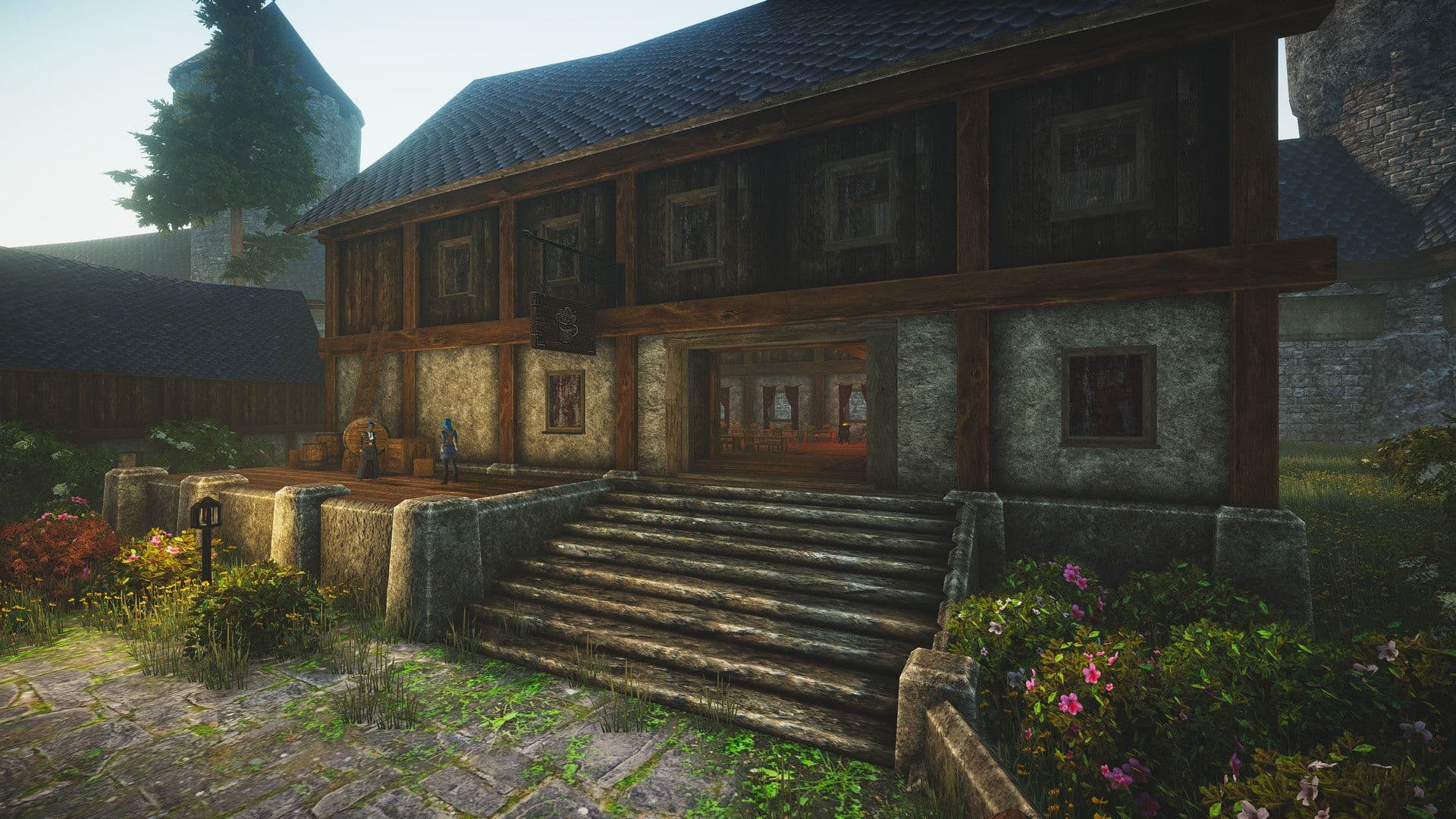
Three things in the starting zone deserve attention beyond the quest text. The pond can be fished, which is the cheapest introduction to a gathering skill that stays useful for the rest of the game. The forge and crafting areas are where you'll learn that recipes need the right workbench, not just materials. And the pub — the Cock and Bull — has a fireplace that works as a cooking station, which matters more than it sounds.
Once story quests thin out, quest boards take over. They hand out repeatable gathering, crafting and combat orders, and they're the intended answer to "my skill is behind and I don't want to grind mobs in silence." A board order gives the same skill progress with a reward attached.
Mounts arrive reasonably early rather than at the end of a long chain. Get yours as soon as it's offered. Grimrain has no teleports and no fast travel, and the map keeps growing.
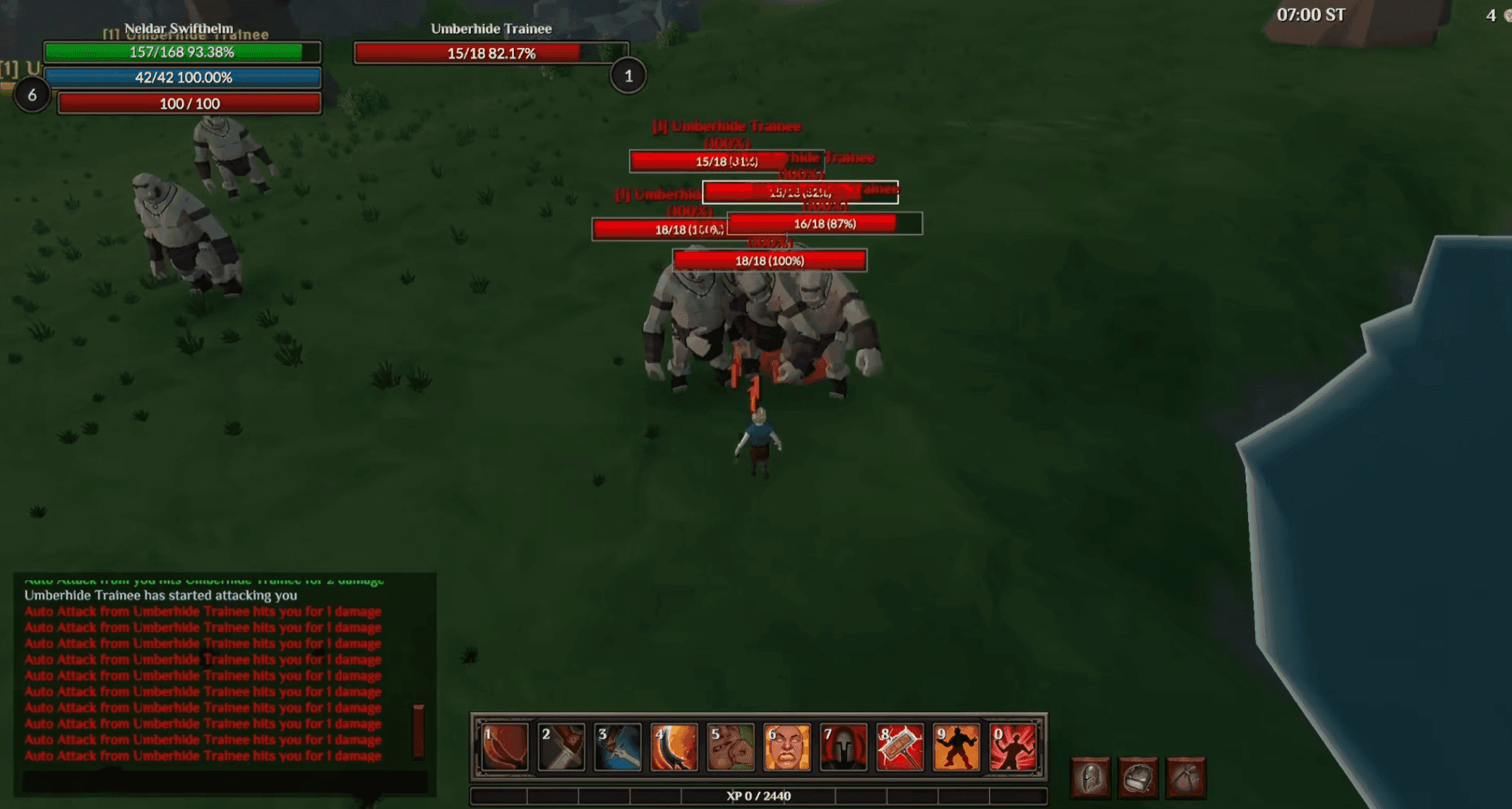
Grimrain uses target-based combat, but standing still and pressing buttons will get you killed, because enemies telegraph and expect you to move. Incoming attacks draw markers on the ground — frontal cones for directional strikes, circles for radius attacks. Step out. That's the whole mechanic, and it's the single biggest difference between a new player's death rate and a comfortable one.
Enemies carry no levels. Difficulty is expressed through what they can do: a simple mob has one or two attacks, a harder one adds stuns, bleeds and debuffs, and bosses bring group mechanics and multiple targets. Fights also escalate — enemies with several abilities start reaching for their stronger attacks and heals as the fight drags on, and they buff themselves and each other. A long fight is usually a fight you're losing.
Two practical warnings. Umberhide enemies are social: pull one near its friends and the friends will come. And enemies are tagged by genus — Wolf, Humanoid, Arachnid — which is groundwork for gear and abilities aimed at specific types, so read tooltips rather than assuming a weapon performs the same everywhere.
Before anything difficult, eat. Cooked food gives buffs, fish dishes restore health on top of their buff, and potions scale off percentages rather than flat amounts, which makes them better the deeper you go. Carry a poison-removal potion into anywhere underground.
Crafting in Grimrain is a chain of skills rather than a single button, and the fastest way to understand it is to walk one chain end to end. Gathering splits into mining (stone, ores, gems), woodcutting, botany and fishing. Processing splits into smelting, which turns ore into metals and magical alloys, and brewing for potions. Making things splits again into armoursmithing, tailoring, carpentry and cooking, each with its own workbench.
A worked example: fell an Ash sapling in Edenmar for logs, saw the logs into planks — a plank craft sometimes yields two instead of one — and turn a plank into a sword or axe handle. Separately, mine copper, smelt it into ingots, and combine the two into a finished weapon that carries a skill requirement of its own. Potions run shorter: two Dragonleaf make a small mana potion, and the craft occasionally rolls a superior version instead of the standard one.
Learn recipes from NPCs and stand close enough when you do — interaction range for learning recipes is tighter than it looks. Overworld dungeons also hide recipes, which is a real reason to explore rather than farm.
Attenmoors is the second zone and the natural next step: a quarry, a lake, marshland, fishing spots, and a mountain town under construction. Coldpeaks sits beyond it and is still being built out, so expect placeholder areas up there. Content in the current build splits into three kinds, and each wants a different approach.
Instanced dungeons close around your group and scale to party size and composition, which means a duo and a full group both get a legitimate run. Umber Pass is the introductory small-party dungeon, Atten Manor holds a Librarian boss, and Caverns of Peril adds poison damage and environmental hazards, rewarding two chests whose loot is shared across everyone present. Story and challenge modes let you take instances alone.
Overworld dungeons — Northern Pass and Lakeside Caves in Attenmoors — sit openly in the world and belong to whoever gets there. They hold recipes, spells, puzzles and hidden loot, and they're where you'll actually meet other players.
Gauntlet Caverns is a timed run against a stream of enemies who use their full ability sets. Treat it as a build test. If a skill combination only works on paper, the Gauntlet will tell you inside two minutes, and it pays out rewards for the trouble.
World bosses spawn rarely and on timers. Players on the Steam forums have flagged the wait as the game's most tedious stretch, so don't build an evening around catching one.
Your bank is per-character, and extra tabs are bought with in-game gold — the developers marked them explicitly as non-microtransaction. The Aetheric Chest is a portable container that reaches your storage in the field, which is worth prioritising if you gather seriously, since inventory pressure arrives fast once you're carrying ore, wood, herbs and fish at once.
Trading is direct: player to player, or with NPC vendors. Hub trading and global chat sit behind the game-time purchase, so on a free account you'll be organising through party chat, local chat and the Discord. Grouping is generous — parties run past four players, and when one member completes a quest step, it counts for everyone in the group, which makes questing together strictly better than questing alongside each other.
There's no PvP yet. Factions exist in the game, but the developers describe them as groundwork for PvP rather than a live system, and arenas and battlegrounds are roadmap items for late 2026. Guilds aren't in either. Anyone arriving for competitive play should wait.
Yes, and the developers have confirmed it stays free after early access ends. A game-time purchase unlocks global chat and hub trading; character power is not sold.
Yes. Instanced dungeons scale down and offer story and challenge modes built for one player, and gathering, crafting and questing are all viable alone. Overworld dungeons and world bosses are where a group starts to matter.
The developers list story quests as reaching the second zone, with the third still under construction, and the free client caps skills at level 20. There's no endgame to arrive at yet — the current build is a starting region and change, not a finished progression curve.
Neither is in the game right now. Factions have been added as preparation for PvP, and guilds, arenas and battlegrounds appear on the developers' public roadmap for the fourth quarter of 2026.
The developers have said a fresh-start server will be available when the game leaves early access, and that builds during the period will change abilities and recipes continuously. Anything you build now should be treated as time spent enjoying the game rather than banked.