 F2P · Live
Lineage 2 Essence
Lineage 2 Essence is NCSoft's free-to-play take on the classic Korean MMORPG Lineage II, built around faster…
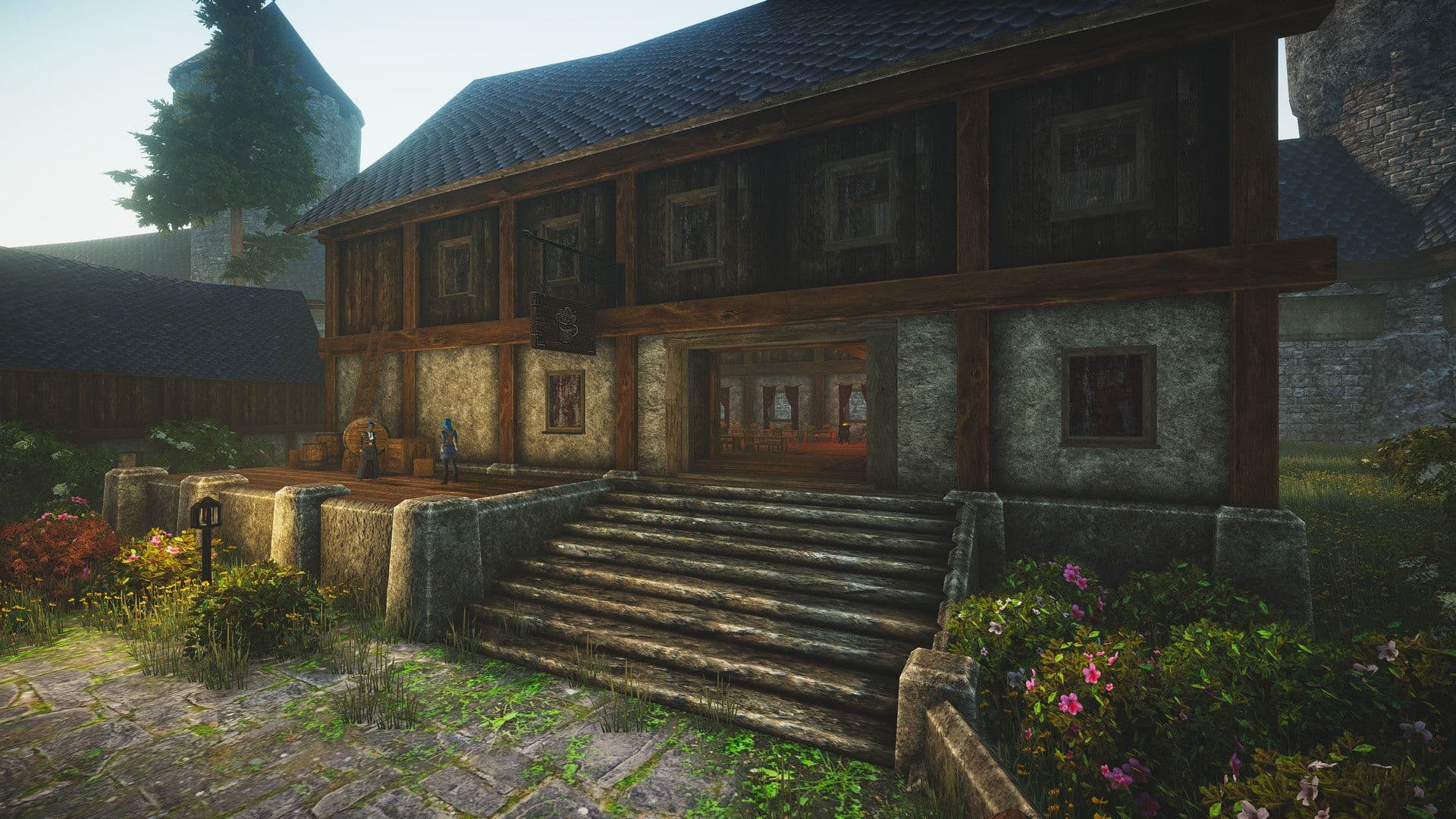
Project: Gorgon is an indie fantasy MMORPG from Elder Game that finally left Early Access in January 2026, after more than a decade of development by veterans of Asheron's Call and EverQuest II. It sw...
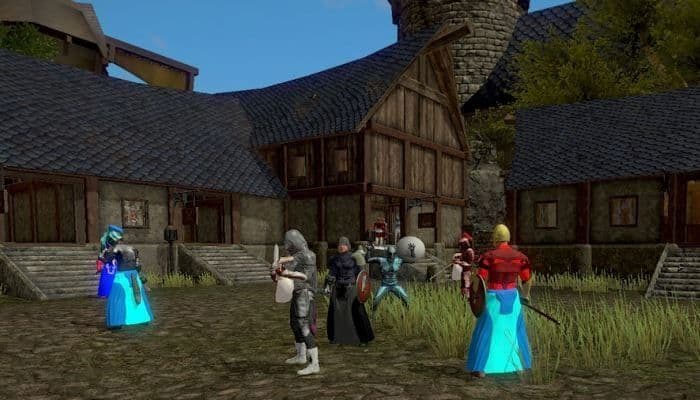
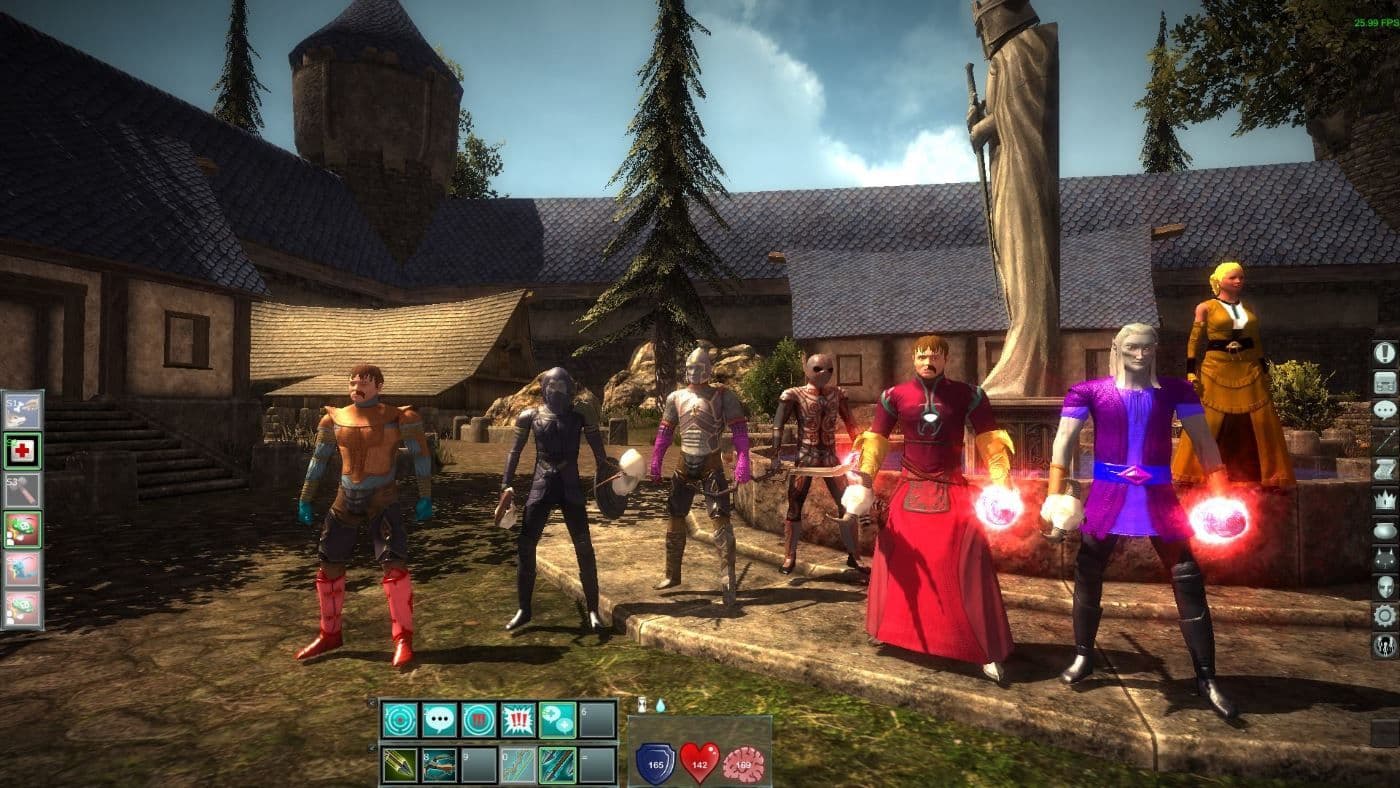
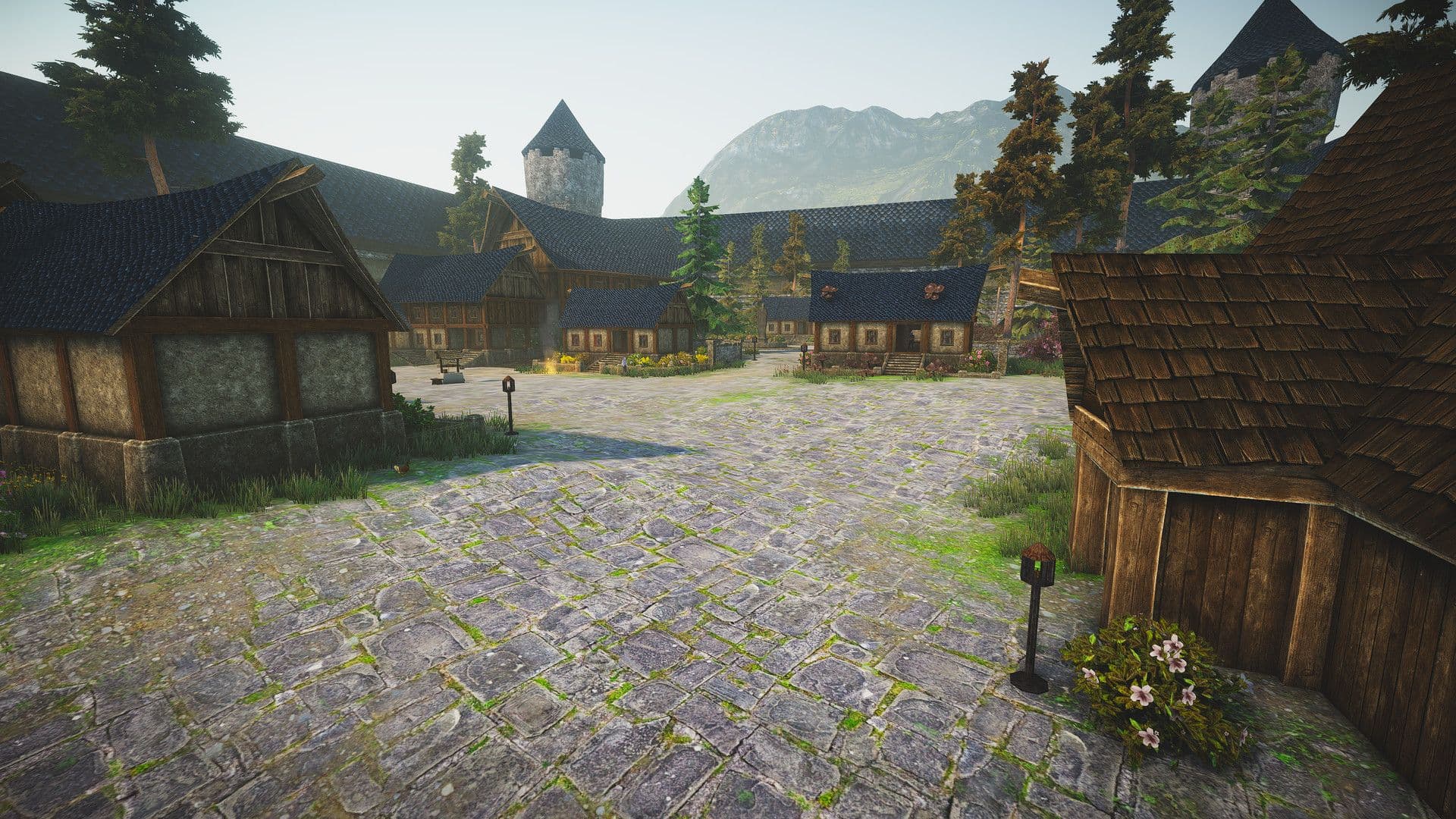
Project: Gorgon is an indie fantasy MMORPG from Elder Game, an American micro-studio founded by Eric Heimburg and Sandra Powers, both veterans of Asheron's Call and EverQuest II. It left Steam Early Access on January 28, 2026, after nearly eight years on the platform and well over a decade of development, arriving with a rebuilt character model system, a new capital city and higher skill caps. Its appeal has never been production value — this is a classless sandbox with no quest markers and a stubborn conviction that players should work the world out for themselves.
Quick take: Project: Gorgon earns its $24.99 if the phrase “no quest markers” reads as a feature rather than a warning. Its systems are deeper and stranger than anything else running in 2026, and its interface, art and grind are precisely as rough as the screenshots suggest. The free demo covers three full zones and carries progress over, which makes it the only sensible way to find out which camp you fall into.
The first hour is a test the game never admits it is running. You wake on Anagoge Island wearing crude underwear, with a basic grasp of fists, swords and bows, and no objective marker anywhere on screen. There is an old elf named Elmetaph in a lighthouse who will teach you Teleportation if you bring him an amethyst, and who then asks you to find four obelisks and read him the code they spell out before he will move your recall point. That is the tutorial. It ends when you cast a spell you assembled yourself and land outside Serbule Keep.
What the island is actually teaching is that skills are hidden in the scenery. There are roughly fifteen learnable skills scattered across one starter island, and most of them are not handed out by a quest giver. Cheer up a depressed elf with a potion you brewed and you learn Psychology, which turns out to be a full combat skill. Get mauled by a mangy wolf and you catch lice, which requires finding a comb. Swing at a training dummy that shrugs off physical damage and you learn, without being told, that damage types matter here.
The friction is real and it is not all intentional. The interface is the game's oldest wound — menus are dense, unlabelled and inconsistent, and Steam reviewers have flagged it steadily for years. A chat command, /leavetut, lets impatient players skip the island once per account. Players who use it generally regret it, because Anagoge is where the game's actual rules get explained.
Project: Gorgon replaces classes with a bank of skills that level through use, and combat skills are the closest thing it has to an archetype. You keep two combat skills active at once, each with its own hotbar, and the pairing defines your character the way a class would elsewhere. Sword and Unarmed are the standard opening; Psychology pairs with everything, including animal forms, which is why guides push it on newcomers. Nothing is permanent. Swapping to a different pair costs you time relearning, not a character slot.
Progression is measured in skill levels rather than character levels, and the ceiling now sits at 100 after the 1.0 update raised training caps. Getting there is deliberately expensive: training costs climb sharply past level 50 and climb again past 70, which is the game's way of discouraging players from levelling everything at once. Equipment reinforces the same pressure, since gear modifiers are tied to specific skills — a sword enchantment is worthless to an archer, and the sixty hours you sank into Fire Magic do not transfer.
The result is a character sheet that looks nothing like a WoW-style build. A veteran might have Sword at 100, Cheesemaking at 80, Teleportation at 60 for the travel network, Skinning for income, and Psychology sitting on the second hotbar because it covers a damage type their sword does not. That breadth is the point, and it is also the grind: skill-based progression with no classes means there is no natural moment where a character is finished.
By 2026 standards, no — Project: Gorgon's combat is a tab-target system with dated animations and weight that never quite lands. Nobody buys this game for the feel of a sword swing, and the developers have never pretended otherwise. What the combat does have is unusually strange rules underneath a plain surface.
Abilities interact with conditions most MMOs ignore. Unarmed Combat shifts behaviour depending on where you are standing and what time the in-game day says it is. Combat Psychology attacks through fear and mental pressure rather than damage types you can armour against. Rage management sits at the centre of tanking, and the community's preferred beginner tank is not a knight in plate — it is a player who got cursed into a cow and kept the form because cow abilities taunt and mitigate better than shields do at low levels.
Group content is built around six players rather than twenty, so encounter design leans on positioning and skill coverage rather than raid choreography. Bosses hit hard enough that losing is a normal outcome, which matters more here than in most MMOs, because losing has consequences the genre abandoned twenty years ago.
Death to a boss can leave you cursed, and several curses transform you into an animal. Fail against Maronesa in the Crystal Cavern and you become a cow, reversible by killing her or by drinking a Minor Panacea. Deer, pig and spider forms exist too, each triggered differently and each cured by a specific juice you may not be carrying. Drink Spider Juice unprepared and the cure sits at the far end of Serbule Crypt, which means fighting your way through the whole dungeon as a spider or finding another player willing to help.
Lycanthropy is the deep version of the same idea. It grants a genuinely powerful skill line, it can be toggled once you have the skill, and you are locked into wolf form on a real-world full moon whether that is convenient or not. Animal forms also strip away services: most shopkeepers refuse to speak to beasts until you have built up favour with the ones who will, so income and storage access can collapse overnight for an unprepared character.
All of this started as a punishment mechanic. Heimburg has said the cow curse was meant as a temporary humiliation to be cured immediately, and was surprised to find players choosing to stay cows. Beast forms grew into full skill trees because the community treated a penalty as a build. That story explains the design philosophy better than any feature list: systems here are allowed to collide, and the developers follow players into whatever the collision produces.
Crafting is not a side activity in Project: Gorgon — it is where a large share of the game's content is stored. Cooking produces the food buffs that keep a character viable, Alchemy and Brewing cover temporary effects, and the list runs out to Cheesemaking, Mycology, Candle Making, Flower Arrangement and Gadgeteering. Crafting is also the delivery mechanism for systems other MMOs handle separately: Fire Magic spells are learned through research recipes bought from NPCs, teleport bindings are cast as recipes, and skull study runs through Phrenology.
Money comes from work orders rather than corpses. Monsters rarely drop currency, so income arrives through the Work Order boards scattered across Alharth, where merchants post requests for crafted goods and gathered materials. The Industry skill governs how many orders you can hold at once and improves the payout, and experienced players build routes — craft in bulk, then run a circuit of boards in Serbule, the Casino, Amulna and Kur Mountains turning everything in at once. It is repetitive by design, and it is also the most reliable path to a horse and better gear.
The trading layer is where the design shows real strain. There is no auction house, only player-run stalls in a shared building, and finding a specific item means clicking through dozens of individual shops. Because gear modifiers are skill-locked, most of what you find is useless to you anyway. With a modest population, the result is an economy that rewards patience and connections far more than it rewards shopping — a fair reflection of 1999 MMO design and a genuine obstacle for anyone arriving alone.
The 1.0 endgame is Statehelm, a capital city Elder Game describes as the largest and most complex map it has built. It shipped with more than 200 new quests, more than 750 storage spaces and raised skill training caps, and it functions as the hub for level 100 play. In June 2026 the Statehelm Crypt was rebuilt with new artwork and a group wing opened behind a lever at the end of the solo section — a six-player, level 100 dungeon the developers describe as tough but fair, with adjustments promised based on feedback.
Updates have continued at a steady clip since launch. February added a starter area for combat levels 1 to 15 through a golden portal outside the Serbule gate. The July 2026 patch brought a daily login reward system counting total logins rather than consecutive days, stealth checks for monsters, an animal visual overhaul and a new Situational Awareness skill for careful movement and tracking. That patch required an almost complete redownload, though it left the install roughly 10GB smaller.
Population tells a more complicated story. The game peaked at 4,126 concurrent players on Steam in late February 2026, prompting Elder Game to open a fifth server, Laeth, and revamp spawn density to cope. Recent Steam figures sit far lower, in the range of roughly 250 to 600 concurrent depending on the hour, averaging somewhere near 450 across a month. Steam reviews follow the same shape: 81% positive across more than 4,100 reviews overall, but a Mixed rating in the last 30 days from a much smaller sample.
The community is load-bearing here in a way it rarely is elsewhere. With no quest markers, no auction house and a wiki-dependent skill system, global chat and Discord function as the game's actual help system, and long-time players answer newcomer questions constantly. Elder Game has built tooling around this: bulletin boards, mechanisms for player-created quest content, and bookshelves where players write and submit their own books for others to read and vote on.
Guilds, limited instanced housing and player-managed vendor stalls fill out the social layer, and live events lean on story rather than seasonal grind. The friction is deliberate — refusing convenience features is what produces the conversations. The trade-off is that a player who dislikes asking strangers for directions will have a worse time than a player who enjoys it, and some Steam reviewers have raised complaints about heavy-handed moderation in chat.
No. Project: Gorgon is buy-to-play at $24.99 with no required subscription, no loot boxes and no power sold anywhere. The purchase includes one character slot per server, and a free demo covers the first three areas, including the Serbule hub, with progress carrying over if you buy.
The optional VIP membership costs $11.99 a month and is more substantial than cosmetics. It adds four character slots, 25 extra slots in each item-transfer chest, and access to Autodidacticism, a skill allowing offline advancement. Storage is a genuine constraint in this game, and offline progress on a title built around slow skill levelling is a real convenience, so VIP reads as a quality-of-life tier rather than a cosmetic one. Elder Game also sells supporter packages through its own shop off Steam, bundling VIP time with minor extras — a $60 summer 2026 package included 120 days of VIP alongside a portal recipe and other trinkets. None of it sells combat power, and the historical purpose of these packages was funding development rather than shortcutting progression.
The studio's history matters because it shapes what players can reasonably expect next. Heimburg and Powers began development in 2011 and ran a Kickstarter in 2014 that failed; a second campaign in 2015 raised close to $75,000 against a $20,000 goal and funded the 2018 Steam Early Access release. In 2022, Powers announced she had been diagnosed with liposarcoma, a rare cancer. By late 2023 the studio had run out of money and moved to part-time development, and players raised roughly $30,000 to keep it going. Powers died in January 2025 at the age of 52.
The 1.0 release came a year later, built on work the two of them had planned together, with Heimburg and a small group of long-time staff finishing it. Massively Overpowered handed the studio its Studio of the Year and Most Underrated MMO awards shortly before launch. For a buyer, the practical reading is straightforward: this is a tiny team with no publisher behind it, patching a Unity 6.3 client on a schedule that has held up well through 2026, but with none of the structural safety net a funded studio provides.
Project: Gorgon will never be a popular MMO, and that is exactly why it is worth the money. Every choice that keeps its numbers small — the refusal to signpost, the absence of an auction house, the interface nobody sanded down, the willingness to turn a player into a cow — is also what makes it the only place in 2026 where an MMO can still surprise you. Nothing here has been focus-tested into safety.
The honest counterweight is that a decade of accumulated systems has never been paired with a decade of accumulated polish, and it never will be, because Elder Game does not have the people. What you buy for $24.99 is a strange, dense, unfashionable world maintained by a studio that has already survived worse than a lukewarm month of Steam reviews. Play the demo. You will know inside two hours whether the friction reads as texture or as tedium, and there is no arguing anyone out of their answer.
No. Project: Gorgon costs $24.99 on Steam as a one-time purchase, though a free demo gives full access to the first three areas and carries progress over if you buy the game.
It is worth playing if you value system depth and self-directed discovery over presentation. Players who need clear objectives, modern combat feel and a busy world will bounce off it quickly.
PvP is not a pillar of the game. Project: Gorgon is built as a cooperative PvE sandbox, and its group content, economy and social tools all assume players are working together rather than against each other.
Steam trackers showed roughly 250 to 600 concurrent players in mid-2026, down from a peak of 4,126 in February. Those figures exclude players using Elder Game's own launcher, so the real total is higher by an unknown amount.
Yes, most of the game is soloable, including crafting, exploration and the majority of quests. Level 100 group dungeons like the Statehelm Crypt are built for six players, and the trading economy works better with contacts.