 F2P · Live
Lineage 2
Aden's castles never stay in the same hands for long, and Lineage II has built an entire twenty-three-year…
BitCraft Online drops you into a single, shared world shaped entirely by its players — terraform the land, master one of twelve interdependent professions, and build a settlement that can grow into a ...
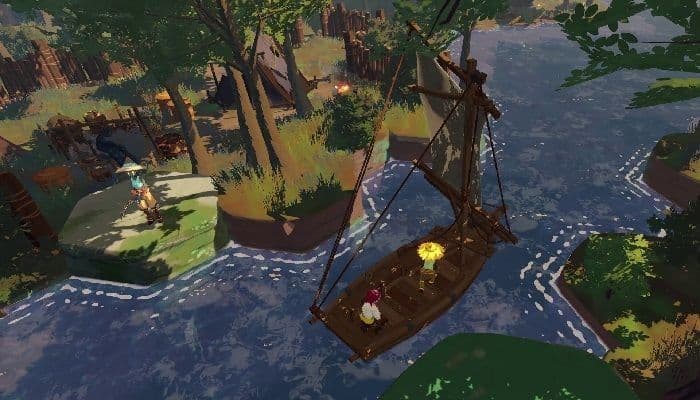
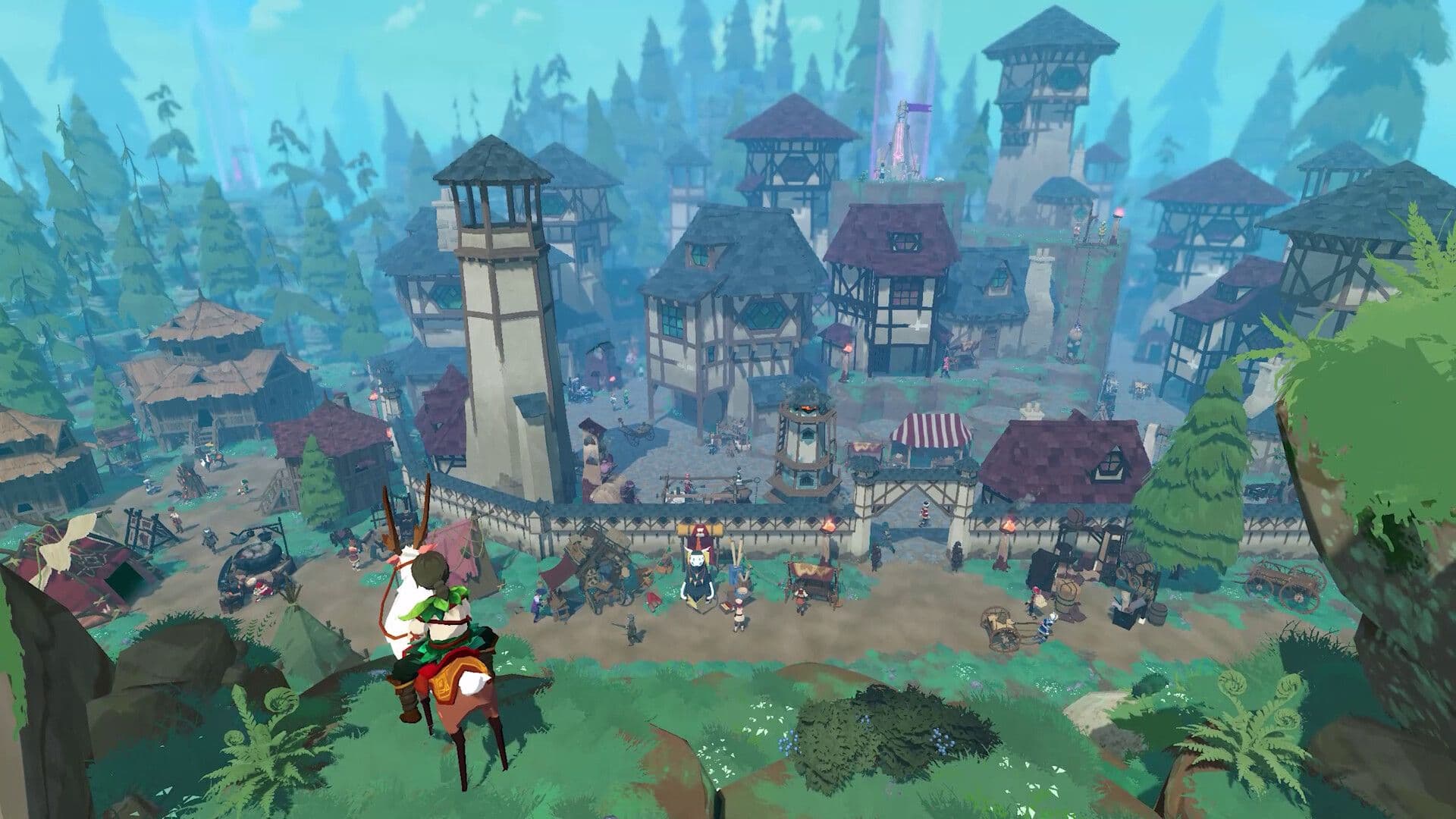
BitCraft Online is a sandbox MMORPG developed and published by Clockwork Laboratories, a San Francisco studio that entered Steam Early Access on June 21, 2025, following four years of alpha testing and a venture-backed detour into building its own multiplayer database technology. It's built around a single persistent world shared by every player rather than parallel servers, a player-driven economy running on twelve interlocking professions, and a promise that the terrain itself — rivers, hills, forests — can be permanently reshaped by whoever's willing to put in the labor. A year into Early Access, the studio has already wiped the world once for a major relaunch and cut the price along the way, and this BitCraft Online review looks at what that year of testing has actually produced.
BitCraft doesn't lean hard on plot. The framing is thin and mostly implicit: an older, more advanced society collapsed at some point in the past, and the world you're dropped into is scattered with the Ancients' ruins, buried Codex fragments, and half-swallowed relics that your own settlements now grow up around. There's no voiced narrator explaining the fall, no quest chain unpacking a villain — the lore exists mostly as flavor text and environmental dressing around a game that's far more interested in what you build next than in why the old world ended. That's a deliberate trade-off, and whether it lands depends entirely on what you came here for.
What the setting does deliver is scale and permanence. The world runs on a single shard — there's no server list, no regional split, just one map that every player, from launch day to whoever logs in a year from now, occupies together. Terrain isn't fixed scenery either: flattening a hill, filling in a riverbank, or clear-cutting a forest for a new settlement leaves a mark that persists until someone else changes it back. It's a smaller-scale echo of the kind of promise Ultima Online made decades ago about a world players actually inhabit rather than pass through, filtered through a much more crafting-and-economy-first lens.
Character creation is quick — pick a look, skip the class screen entirely, because BitCraft doesn't have one. You spawn with a starter tool or two and a nudge toward the nearest resource node, and the actual tutorial is the Traveler task list: NPCs scattered around early zones hand out simple fetch-and-craft objectives that double as an unofficial walkthrough of how professions interlock. Chop a tree with the starter axe, and you're doing Forestry. Take the logs to a sawpit and turn them into planks, and you've crossed into Carpentry. Within the first hour you'll likely have dabbled in three or four professions without the game ever using that word.
This is where the newcomer and the veteran start seeing two different games. To a first-time player, the early hours feel genuinely generous — Traveler tasks pay out Hex Coins steadily, low-tier recipes unlock fast, and there's a real dopamine hit the first time a research page comes together from parts you gathered yourself. To a returning veteran, especially one who played through the game's first Early Access world before the February 2026 relaunch, the early game is a familiar treadmill they've already run once — the Early Access 2 update reset every character and settlement to give the new quest system and rebalanced experience curve a clean start, meaning months of accumulated progress from 2025 simply don't exist anymore for anyone who stuck around.
Twelve professions carry essentially all of BitCraft's progression, split between gathering (Foraging, Hunting, Mining, Fishing, Forestry, Farming) and crafting (Carpentry, Smithing, Masonry, Leatherworking, Tailoring, Cooking), with a Scholar track layered on top to turn processed goods into the research pages that unlock new recipes and settlement upgrades. The loop underneath all of it reads like a supply chain rather than a talent tree: mine ore, smelt it into ingots at a forge, hammer the ingots into tool heads, then hand those off to a Carpenter for handles before anything usable comes out the other end. A single finished sword or set of masonry blocks can pass through six or seven professions before it's done, and no one player is meant to run that whole chain alone.
That interdependency is the game's clearest design statement, and it plays very differently depending on who's doing it. A veteran running a specialized settlement treats this as the entire point — pick one primary profession, maybe a complementary second, and let trade fill the rest, the way RuneScape veterans have organized guild economies around specialization for two decades. A newcomer playing solo, by contrast, runs into the wall almost immediately: crafting a basic tool set can require ingredients from eight different professions, and grinding all of them yourself to a usable level is a multi-week project rather than an afternoon's errand. The game is candid about this trade-off rather than hiding it — solo play works, but it's visibly not the intended shape of the experience.
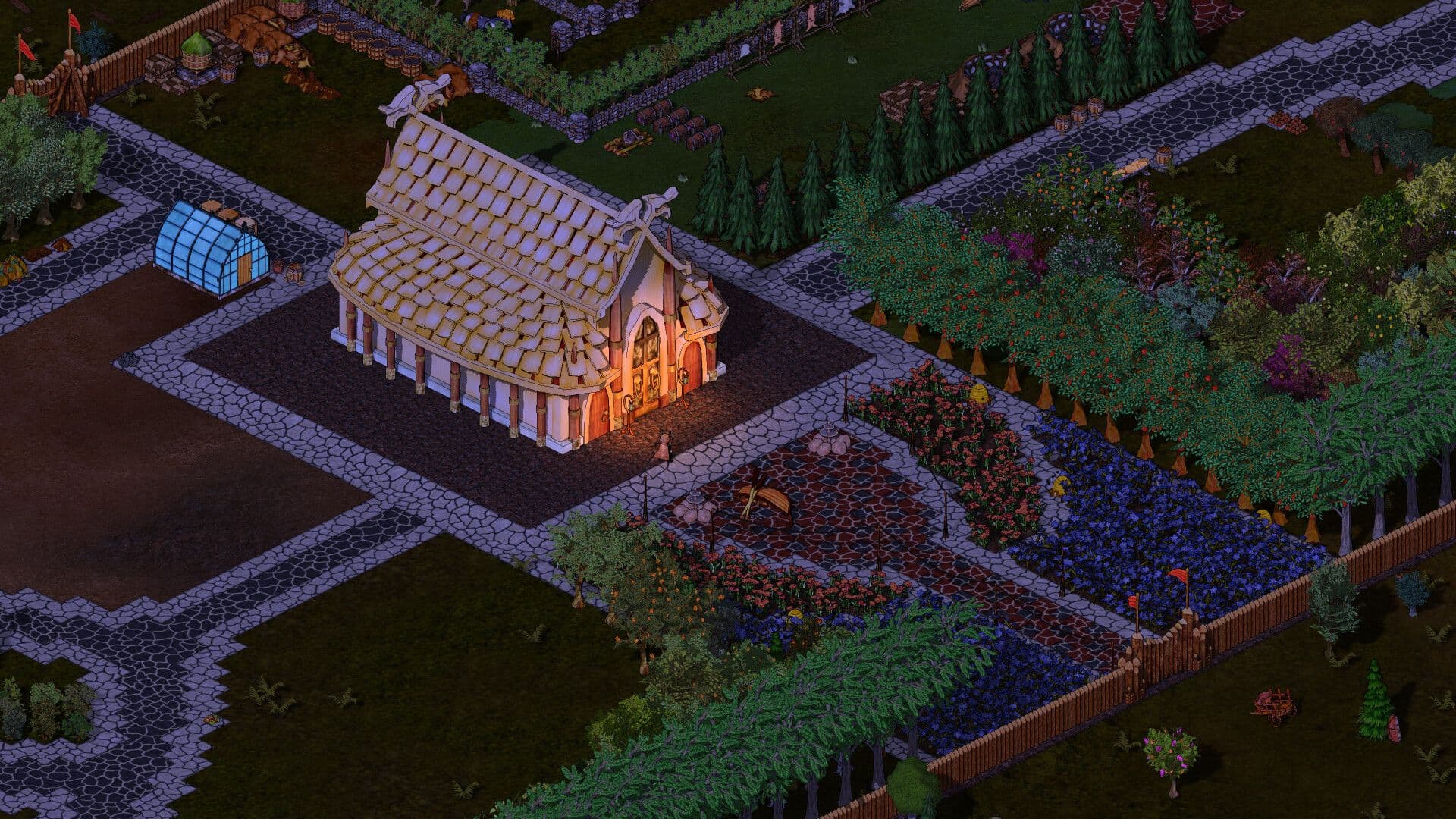
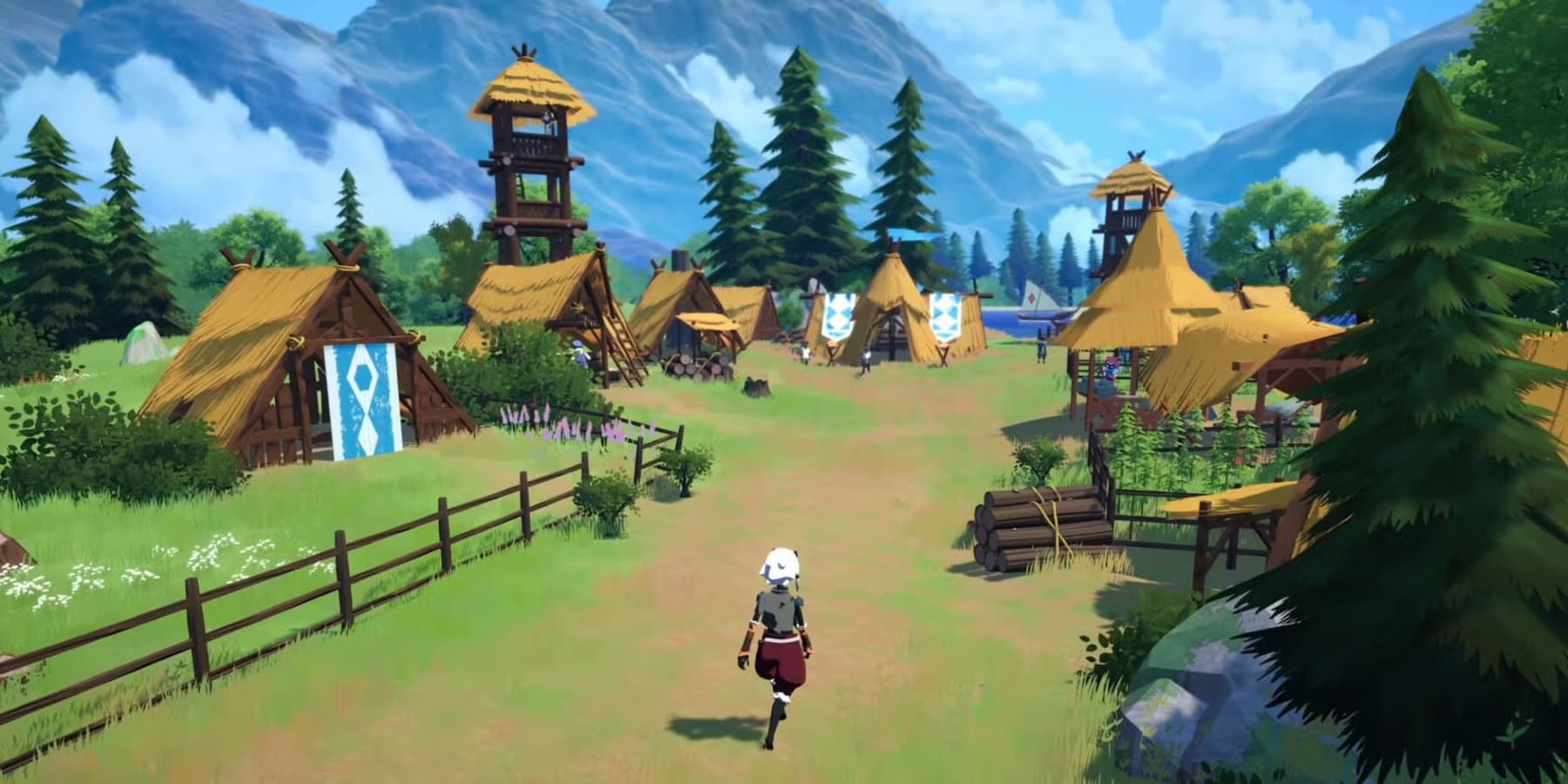
Claiming land and founding a Settlement is the point where BitCraft stops being a solo crafting sim and starts being a society-builder. A Writ of Settlement Foundation, bought with accumulated Hex Coins and a crafted Codex, lets a player or group stake unclaimed territory and start placing the Workstations that make higher-tier crafting possible — before that, a lot of production is bottlenecked behind facilities you simply can't access without a claim. Settlements can then band together into Empires, a political layer built on watchtowers, banners, and titles rather than borders that restrict what anyone can build. Here the newcomer/veteran split gets sharpest. To someone three days in, an Empire looks like ambient flavor — cosmetic capes, chat tags, an emblem on the map. To a veteran who's watched the system since its 2024 design blog, it's a case study in a promise not yet delivered: Empire "conflict" currently runs on Hexite Capsules, a currency spent to fortify or contest a rival's watchtower, and the loudest recurring complaint in the Steam community is that this amounts to two groups trading premium currency back and forth rather than anything resembling a siege. Clockwork Labs has been transparent that this is an interim system — the studio's own 2026 roadmap lists Empire diplomacy and battles as still in development — but a year into Early Access, "coming later" is wearing thin for the players who were sold on political intrigue at launch.
BitCraft has never pretended combat is the draw. For most of its Early Access life, fighting meant swinging at aggressive wildlife that threatens gathering runs or ambushes travelers on the road — functional, unremarkable, and openly described by the developers as under-invested next to the game's crafting and economy systems. That's shifting: an April 2025 dev post promised deeper PvE, including small-scale dungeons, tougher enemies, and a dedicated Monster Slayer skill line, and July 2026 brought a reworked professions pass that Clockwork Labs frames as the first proof of a broader push toward more active, less repetitive gameplay across the board.
Player-versus-player combat, meanwhile, exists only as opt-in dueling — added initially for internal testing, kept because players wanted a way to spar or run informal tournaments. There is no open-world PvP and no character-scale empire warfare despite marketing materials that have shown concept footage suggesting otherwise; the studio has said openly that sieges are the natural long-term destination for empire conflict, without committing to when that actually ships. Anyone drawn in by promotional language about empires fighting for territory should know that, as of mid-2026, that fight is still fought with a currency meter, not a weapon.
The player-driven marketplace is where BitCraft's design philosophy pays off most cleanly. There's no auction house pulling goods from across the map — trade happens at physical stalls in settlements, which means geography and travel time actually matter to what something's worth. A remote settlement without a dedicated Miner will pay more for ore than a hub with three, and the Compendium tool — part crafting encyclopedia, part shopping list — makes tracking down what a build needs, and where it might be cheapest, a real skill of its own rather than a UI convenience. It's a slower, more grounded model than the instant-liquidity markets most MMORPGs run on, and it rewards players who treat trade as a profession in its own right rather than a side errand.
No — and the studio has been unusually consistent about that promise since well before launch. Early Access currently costs $15.99 after a price cut from the original $30 box, a number the studio has framed as a way to gate a single shared world while it scales, plus revenue to keep development funded. On top of the box price sits Hexite Shards, a premium currency spent on cosmetics: empire banners and fanfare, character-scale outfits, and — the one area drawing genuine criticism — the Hexite Capsules used in that watchtower-based empire conflict system. Clockwork Labs has stated plainly that shards will never buy experience, levels, or gear, and nothing observed in testing so far contradicts that. When BitCraft eventually exits Early Access, the box price disappears entirely and the game goes free-to-play, with the cosmetic shop as its only planned monetization.
The fairer criticism isn't pay-to-win in the traditional sense — it's that spending real money to influence empire territory, even through a cosmetic-adjacent system, sits uncomfortably close to a line the studio says it doesn't want to cross. It's not gear or stats, but it is leverage in a social and political system other players care about, and that tension is worth watching as the empire system matures rather than dismissing outright.
Steam user reviews sit at roughly 72% positive across the game's Early Access life, a "Mostly Positive" rating built on real appreciation for the crafting depth and the novelty of a single shared world, tempered by a steady undercurrent of frustration over unfinished systems and reliance on community-made tools to track recipes the game itself doesn't surface cleanly. The last-30-days figure runs closer to 58%, reflecting the bumpiness of the Early Access 2 relaunch and character wipe. Concurrent player counts have fallen substantially from a June 2025 peak north of 4,400 to roughly 1,000 a year later — a normal Early Access curve for a niche crafting sandbox, though it does mean the "thousands of players in a single world" pitch reads more aspirational than literal at any given moment today.
The crafting interdependency is a genuine strength for anyone who wants an MMORPG built around cooperation rather than solo grinding, and the single-shard, terraforming world delivers a sense of permanence few sandbox MMOs actually commit to. Against that: the empire system doesn't yet deliver the conflict it advertises, combat remains a work in progress the studio itself admits is under-baked, and a solo player will hit walls that a full settlement simply won't.
If you're the kind of player who finds genuine satisfaction in a supply chain — mining your own ore, trading it to a neighbor's forge, and watching a settlement grow because everyone specialized instead of duplicating each other's work — BitCraft Online delivers that experience more sincerely than almost anything else currently in Early Access, and the fifteen-dollar entry price is a fair ask for a game this actively supported. If you came for the empire warfare shown in trailers, or you want combat and PvP as anything more than a background feature, wait: those systems are acknowledged works in progress, not finished pillars, and the gap between what's promised and what's shipped is still wide enough to matter. Check back once sieges and the expanded combat pass actually land — that update, more than anything written here, will tell you what kind of game BitCraft is finally becoming.