 F2P · Live
Lineage 2
Aden's castles never stay in the same hands for long, and Lineage II has built an entire twenty-three-year…
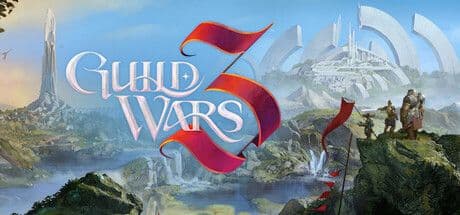
Guild Wars 3 takes the series back to ancient Orr, a frontier of nature spirits and rival guilds a thousand years before the Tyria players know. Announced for PC and PlayStation 5 with no subscription...
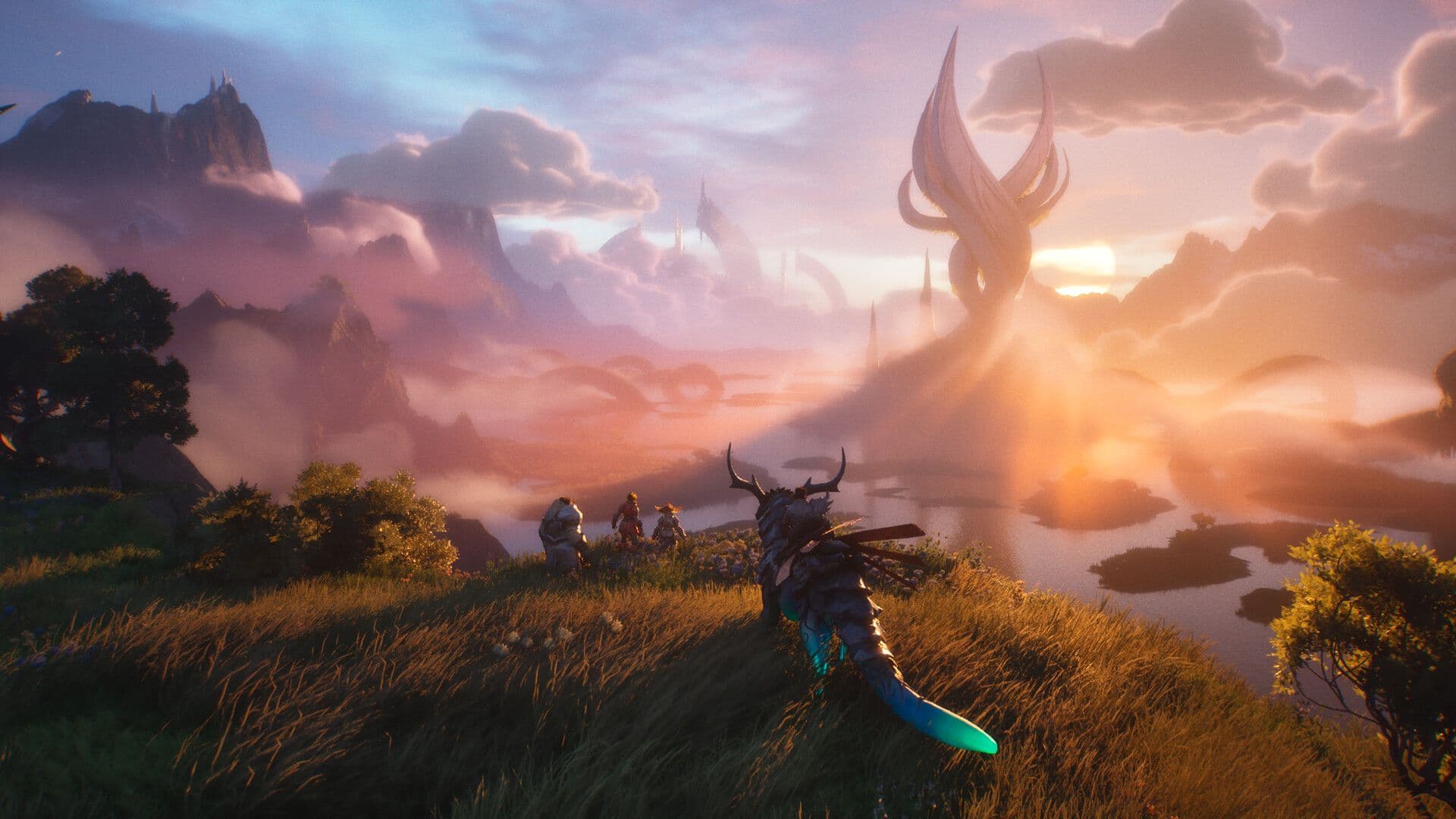
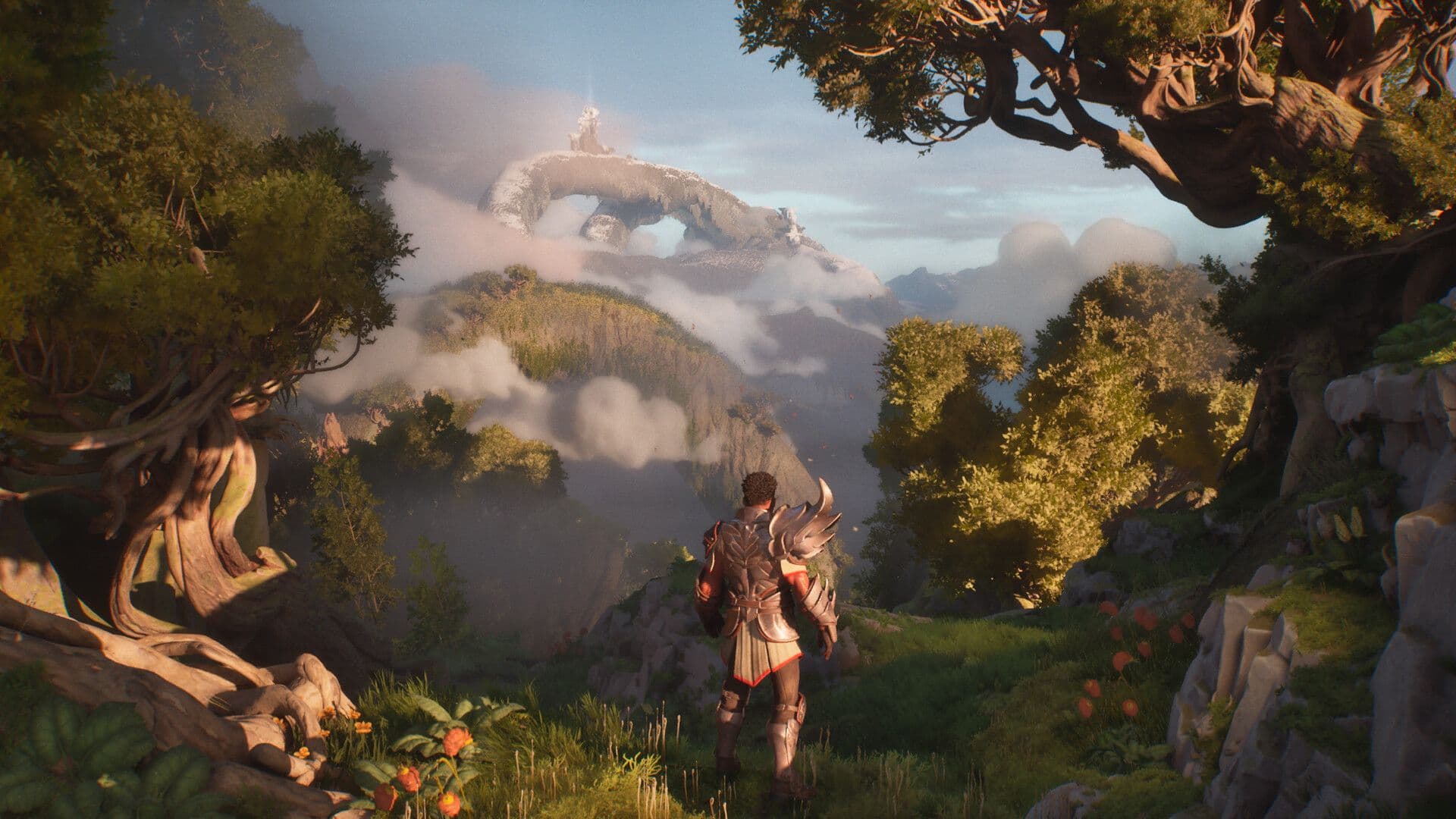
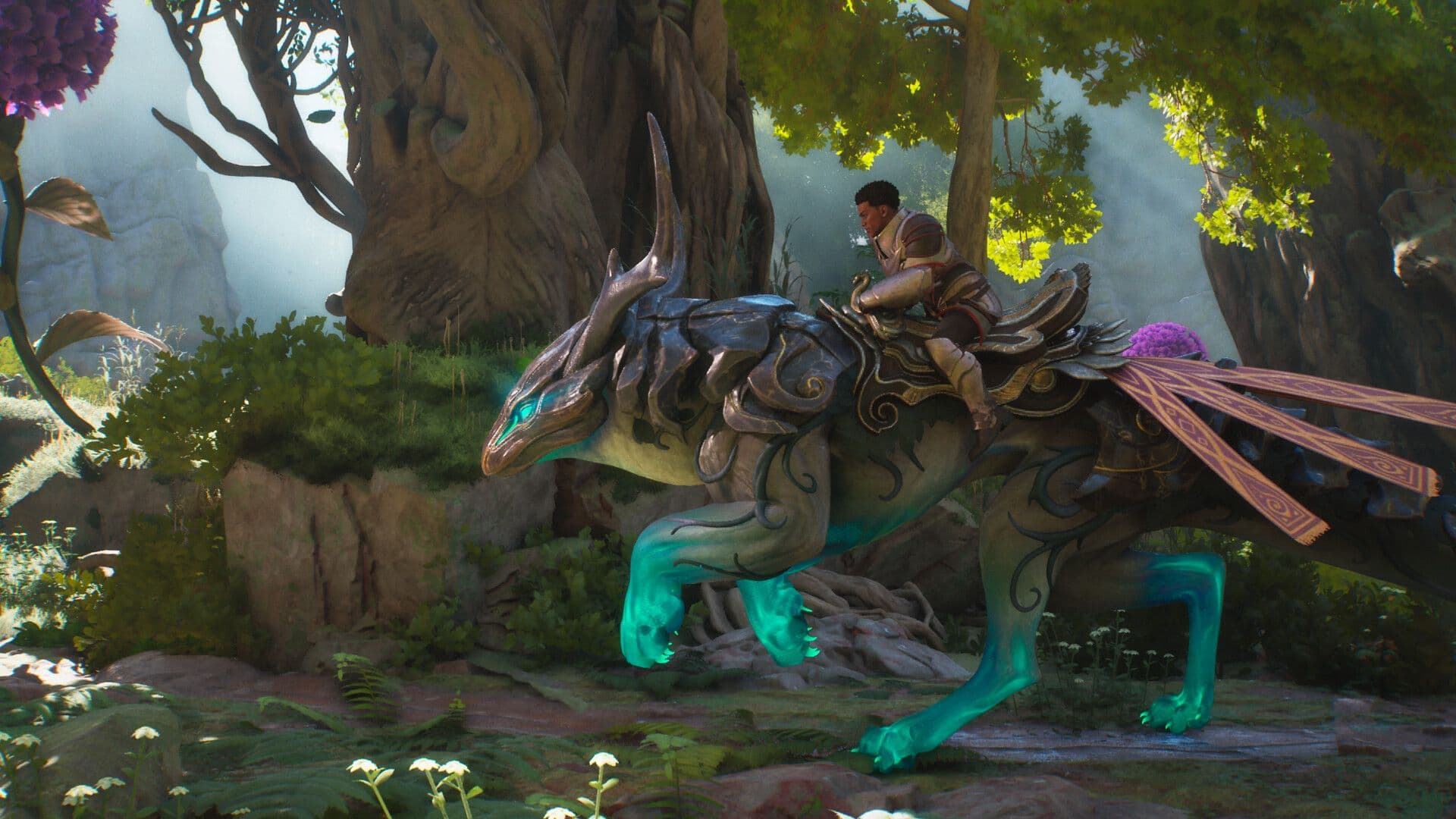
Guild Wars 3 is an action-adventure MMORPG from ArenaNet, announced at Summer Game Fest on 5 June 2026 and built in Unreal Engine 5 for PC and PlayStation 5. It is the studio's first new game since Guild Wars 2 launched in 2012, it is set in the region of Orr more than a thousand years before the first Guild Wars, and it will be sold buy-to-play with no subscription. There is no release date. The first beta test is scheduled for fall 2027.
ArenaNet is pitching Guild Wars 3 as a third, separate Guild Wars game rather than a replacement for the other two. Guild Wars Reforged and Guild Wars 2 both continue development during and after GW3's launch, and the studio has committed publicly to running all three at once. That is an unusual position in a genre where a sequel normally means the previous game quietly enters maintenance mode.
The reveal itself was cinematic rather than technical. The Steam page describes an action-adventure MMORPG built around action combat, character building and skill collection, and the trailer showed a Vaelwarden riding a wolf-like mount and scaling cliffs on foot. In-engine footage, yes — gameplay footage, not really. Twenty months out from a first beta, that is roughly what a reveal is supposed to be, and it means most of what follows is a description of intent rather than of a game.
Two audiences are reading that intent very differently, and the split matters more here than in most preview coverage. Players who came up on the original 2005 Guild Wars hear a return to tight, build-driven, small-team play. Players who have spent a decade in Guild Wars 2's map-wide meta events and World versus World hear something that might not have room for what they log in for. Almost every confirmed detail so far lands differently depending on which of those two you are.
The setting is Orr in its golden age, long before it sank beneath the Sea of Sorrows and rose again as the undead wasteland Guild Wars 2 players know. Magic is rationed rather than common: the human gods, residing in the floating city of Arah, entrust it to guilds chosen by a high council, which is also why rival guilds spend the period fighting over who protects the frontier and who exploits it. Players join the Vaelwardens, the oldest of those guilds, sworn to protect the land, its people, and the nature spirits called Vael who embody it.
ArenaNet describes the tone as more restrained high fantasy than Guild Wars 2, with almost no technology in the mix. The story opens shortly after Grenth has taken over from Dhuum as god of death, which places it at a specific and fairly loaded point on the series timeline. A splinter group of lowland kodan has migrated south to Orr, and asura are living above ground at Rata Pten — both playable-race hints the concept art appears to support, though ArenaNet has not confirmed a race list.
For a GW2 veteran, this is the appeal in its purest form: seeing Orr green. For someone who started with the original, the pull is different — the era being dramatized is literally the guild wars the series was named after, told for the first time as a place rather than a footnote in a lore compendium.
Movement is the mechanical centerpiece, and it is the one area where ArenaNet has been specific. The game has a traversal system covering gliding, sprinting, sliding, jumping, wall-running and riding, and momentum carries between those modes rather than resetting when you switch. Speed built up in one form of travel is meant to convert into damage and impact when you drop into a fight, which folds the mount into combat instead of parking it at the edge of the arena.
Every player gets a Seeker — a Vael spirit that functions as both mount and the character's connection to Orr's magic. ArenaNet has repeatedly used the phrase "joy of movement" to describe what it is chasing here, and the reveal trailer spent most of its runtime on it rather than on combat encounters.
Combat is described as action RPG fighting crossed with Guild Wars build-making, with depth coming from skill choice, positioning and movement. It is designed for controller and mouse-and-keyboard in parallel, which is a consequence of the PS5 release rather than a preference: this is the first Guild Wars game on a console, and console-first control design tends to leave marks on ability counts, targeting and UI density. Whether that reads as modernization or as compromise is the first genuinely contested question about the game, and there is no footage yet to settle it.
ArenaNet has confirmed skill collection as a pillar of Guild Wars 3 but has not explained how it works. The phrase is doing heavy lifting for a specific part of the audience: in the 2005 Guild Wars, more than 1,300 skills existed across eight professions, characters equipped only eight at a time, elite skills had to be captured from specific bosses, and a secondary profession doubled the pool you could draw from. Build-crafting was the game's actual endgame, and Guild Wars 2 deliberately narrowed it for balance reasons.
Skeptics read the same two words in the opposite direction. Skill collection is also standard vocabulary for games that hand out abilities from a shared pool instead of committing to distinct professions, and the Steam page's "play solo or form a band of adventurers" framing has been picked apart on the game's own forums as a hint at small instanced content rather than a persistent world. Neither reading is confirmed. ArenaNet has published nothing on classes, professions or the size of the skill pool, and the lore diaries — which describe signets as gems holding fixed expressions of magic — are suggestive rather than mechanical.
Guild Wars 3 is designed for smaller groups than Guild Wars 2, and ArenaNet has said so plainly. Studio head Colin Johanson has placed the game "near the middle of the MMO spectrum" — more of an MMORPG than the heavily instanced original, but explicitly not attempting to reproduce the large-scale pillars that define GW2. There are no announced plans for WvW-style mass warfare or map-wide meta events on the GW2 model.
Johanson has acknowledged that this positioning is broad and vague, and it is the most consequential unknown in the entire announcement. A GW1 player hears the game finally admitting that ArenaNet's best work happens at party scale. A WvW commander hears that the mode they have organized their evenings around for a decade is not in the sequel, which is a substantial thing to tell a playerbase eighteen months before a beta.
The competitive context sharpens it. NCSoft's own Aion 2 is chasing large server-wide player counts at the same moment its western studio is deliberately walking away from them, and Aion 2's producer has publicly framed the two as friendly competition during a rough period for the genre. Guild Wars 3 is making a bet that the crowd was never the point.
No. Guild Wars 3 is buy-to-play with no subscription and no battle pass, and ArenaNet has stated it in writing rather than leaving it to interview soundbites. A June developer blog laid out the reasoning: the studio argues that subscriptions have not disappeared from the genre so much as been rebuilt as paid seasonal tracks and passes, and it is ruling out both forms. Revenue is meant to come from the box, paid expansions, and optional cosmetics, along the lines of Guild Wars 2's Gem Store.
Johanson has also committed to no pay-to-win, meaning purchases stay cosmetic or non-competitive rather than touching progression or PvP power. The franchise's record is the strongest evidence that the promise holds — Guild Wars has been sold without a subscription since 2005, and Guild Wars 2 has run on the same model since 2012 without ever converting.
The caveat worth stating is that expansion pricing, box price and cosmetic pricing are all unannounced, and "no subscription" has historically coexisted with aggressive cash shops elsewhere in the genre. ArenaNet's own shop has been comparatively restrained for fourteen years, which is a reason for confidence rather than a guarantee.
Guild Wars 2 is not being shut down or shelved, but it is pausing expansion development. ArenaNet has scheduled roughly eighteen months of quality-of-life work — modernizing older content to current design standards — before returning to annual major releases after Guild Wars 3 ships. In the meantime GW2 gets a new World versus World map, its first in years, and a new explorable zone set in Orr intended as a narrative bridge to the sequel.
A new Hall of Monuments system will carry Guild Wars 2 account achievements into Guild Wars 3, echoing the original game's link into GW2. That is a meaningful gesture to players who have banked a decade in Tyria, and it is also the clearest signal that ArenaNet expects a substantial share of its existing audience to move rather than split.
Whether an eighteen-month expansion pause reads as reasonable or as the beginning of a slow handoff depends entirely on how good the quality-of-life work turns out to be. The studio has committed to continued development of all three games after launch; a studio committing to three live games is also a studio that has to staff three live games.
ArenaNet's track record cuts both ways, and any honest preview has to say so. The studio has shipped two genre-influential MMOs and maintained one of them for fourteen years without a subscription — a run almost nobody in this space can match. It has also been through hard contraction: in early 2019, ArenaNet cut 143 jobs at its Bellevue headquarters, over a third of its staff, as NCSoft restructured its western operations and cancelled unannounced projects.
Guild Wars 3 is the first new game the studio has announced in nearly two decades, developed in an engine the team has not previously shipped an MMO on, for a console platform it has never released on, during a period when the MMO market has been shedding projects rather than adding them. NCSoft has backed it publicly, and the fall 2027 beta target is at least a date rather than a wish. What nobody can assess yet is whether the ambition and the headcount line up.
The most useful thing to understand about Guild Wars 3 in 2026 is that ArenaNet has already told you it is building a different kind of game, and a large part of the audience has not absorbed that yet. The hype cycle since June has largely treated GW3 as Guild Wars 2 with better graphics — bigger metas, better-looking WvW, the same game with fourteen years of hindsight applied. The studio's own blog says the opposite in plain language, twice.
What is on offer is a mid-scale, movement-driven, build-focused MMORPG that sits closer to the 2005 game's philosophy than to the one most current players actually play, sold under a business model that has been consistently honest for two decades. That is a genuinely interesting proposition, and it is also a narrower one than the announcement hype implies. Anyone waiting for Guild Wars 3 because Guild Wars 2's zerg content is showing its age should reset expectations now rather than in fall 2027.
ArenaNet has not announced a release date or window. The first beta test is scheduled for fall 2027, and the studio has said more information will follow through 2026 and into 2027.
No. Guild Wars 3 is buy-to-play with no monthly fee and no paid battle pass. ArenaNet plans to fund it through the box price, paid expansions and optional cosmetics.
PC — via a standalone client and Steam — and PlayStation 5. This is the first Guild Wars game to release on a home console.
No. ArenaNet has committed to developing Guild Wars 2 and Guild Wars Reforged alongside Guild Wars 3, with GW2 returning to annual expansions after the sequel ships.
Both, in a sense. It is the third game in the series but is set more than a thousand years before the events of the original Guild Wars, in Orr before its destruction.