 F2P · Live
Lineage 2 Essence
Lineage 2 Essence is NCSoft's free-to-play take on the classic Korean MMORPG Lineage II, built around faster…
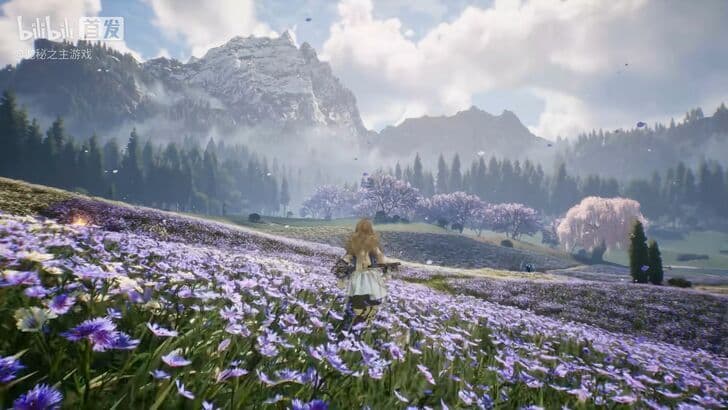
Adapted from one of the best-selling web novels in Chinese fiction, with an English translation that has reached millions of readers worldwide, Lord of Mysteries is SPARK NEXA's upcoming Unreal Engine...
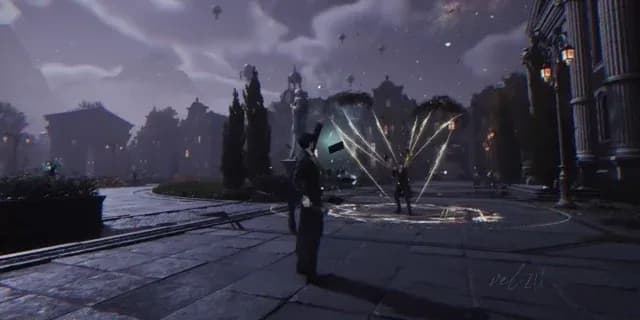
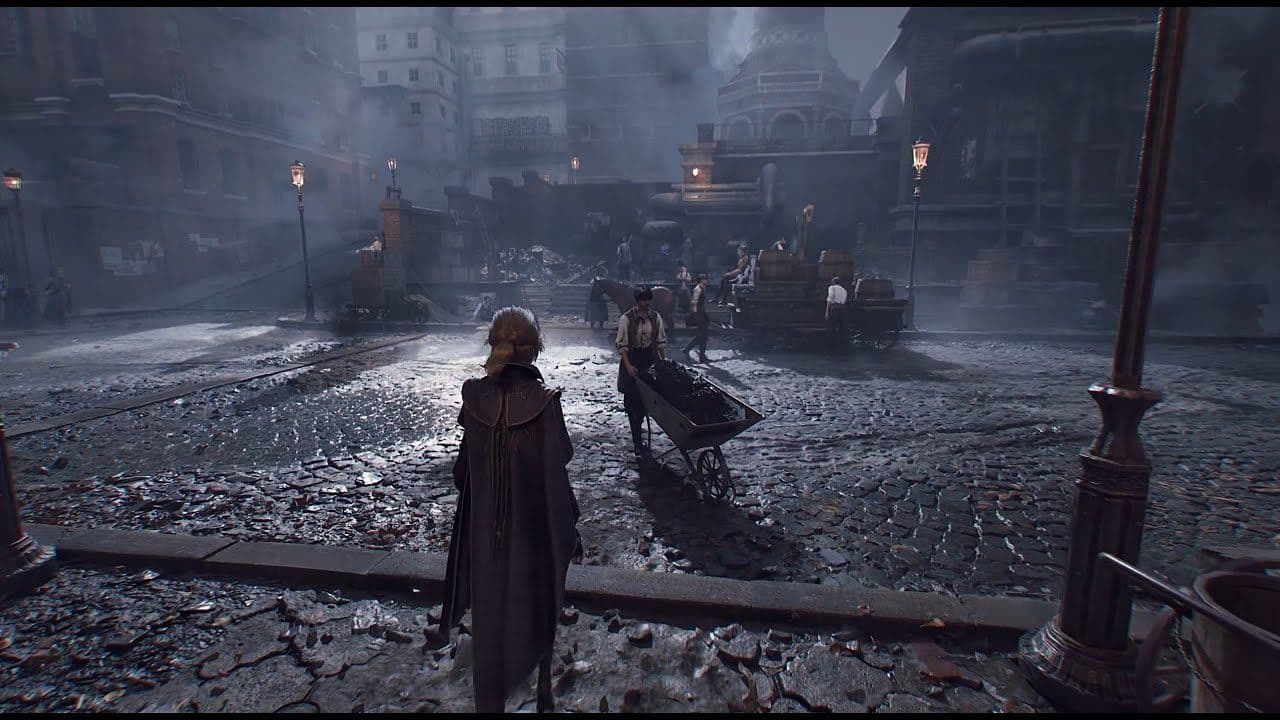
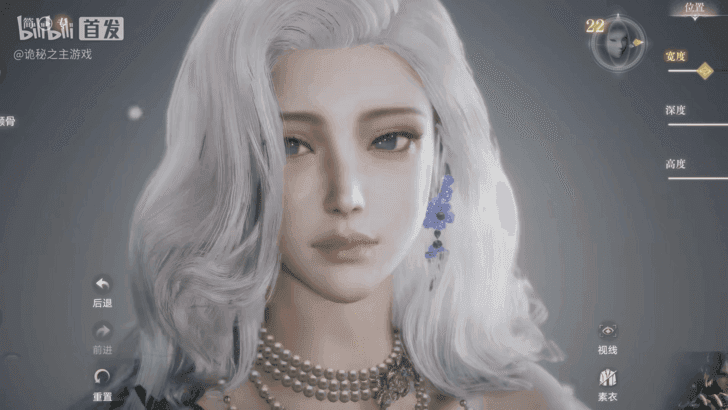
Lord of Mysteries is an upcoming Victorian-occult MMORPG from SPARK NEXA, the Hangzhou-based studio owned by Kuaishou, adapting the enormously popular Chinese web novel of the same name (诡秘之主) by Cuttlefish That Loves Diving. Built in Unreal Engine 5, it casts players as a "Beyonder" chasing forbidden knowledge in a steampunk city shadowed by cosmic horror. It has not launched yet — two closed betas have run in China, a domestic public beta is confirmed for August 21, 2026, and a global release with English, Japanese, and Korean support is signposted for later in the year without a firm date. This preview is built on what SPARK NEXA has actually shown and confirmed so far, not on marketing promises.
The novel this game is drawn from is not a niche curiosity. Translated into more than a dozen languages and claiming an audience north of 100 million readers, it has already spun off a donghua adaptation that found its way to Crunchyroll, which means SPARK NEXA isn't introducing this world to players so much as building a stage for a fanbase that already knows every street corner. The setting is Victorian in silhouette but wrong in the details: gas lamps and steam engines share the skyline with tarot-numbered secret societies, and the fog over Tingen City hides things that were never meant to be counted or named. Players take on the role of a fresh Beyonder rather than reprising protagonist Klein Moretti directly, though the campaign is built to overlap with his story — his history surfaces as recurring "Mr. Fool" visions woven into the player's own arc.
That's a clever hedge. Readers get the fan service of walking through Tingen and later Backlund with the novel's landmarks intact; newcomers get an original protagonist and a reason to care about the plot without needing two million words of homework first. Whether it actually lands depends on execution nobody outside China has been able to judge yet, since both closed tests required a mainland Chinese phone number and WeChat account to even sign in.
Lord of Mysteries throws out the traditional warrior/mage/healer trinity in favor of Pathways — the same 22 routes to supernatural power that structure the source novel, each one tethered to a different Great Old One. Pick the Seer and you're reading fate off a card table; pick the Warrior and you're trading blows on raw physical grit; pick the Spectator and you're reading a room before you've said a word. Only six of the 22 have been made playable so far — Seer, Apprentice, Spectator, Warrior, Bard, and Mystery Pryer — with Assassin and Hunter explicitly withheld from testing and the rest confirmed to exist but not yet implemented.
Within a Pathway, advancement runs on the Sequence system: ten ranks numbered backward, starting at Sequence 9 and climbing toward the god-tier Sequence 0, unlocked through rituals, specific consumed materials, and story gates rather than a flat experience bar. SPARK NEXA has said progression will stop extending past Sequence 7 at launch, with the higher ranks rolled out afterward as live-service content — a pacing decision that mirrors how slowly the novel itself doled out power to its cast.
The tutorial solves an obvious problem with starting at the bottom of a ten-rank ladder: a "Mr. Fool" grafting mechanic temporarily lends a new Sequence 9 character borrowed copies of higher-rank abilities, watered down in strength but wide enough in scope that the opening hours don't feel like playing a rat in a much bigger creature's game. It's a workaround, and a smart one, for the same pacing problem that makes low-level MMO characters feel thin everywhere else in the genre.
Combat in the beta builds blends manual light and heavy attacks — guns, blades, fists — with Pathway-specific Beyonder powers layered on top, so a Warrior trading melee combos looks and plays nothing like a Seer manipulating a battlefield through misdirection and fate-twisting card tricks. Progression inside a Pathway is gated behind something SPARK NEXA calls the Acting Method: rather than just grinding kills, characters have to behave in ways consistent with their Sequence's in-world persona to advance, a system that borrows directly from how the novel's Beyonders maintain a public "Character" to avoid attracting the attention of things that punish inconsistency. It's an unusually literary requirement to bolt onto an action combat system, and it's also the single biggest open question for how the game will actually feel at scale — persona-gated progression is easy to describe in a trailer and hard to make satisfying across hundreds of hours.
Exploration gets its own identity rather than existing purely as travel time between quest markers. A tabletop-style dice system lets players resolve investigation scenes through chance and deduction, a direct nod to the novel's own Tarot Club structure, and SPARK NEXA has described wandering Tingen's streets as a legitimate way to spend a session — no combat required. That's a rarer design bet than it sounds: most MMORPGs treat their open world as connective tissue, not a destination in its own right.
Five PvP formats have been named across the two beta phases: 3v3 and 6v6 skirmishes, 12v12 battles, a battle royale mode, and a larger structured event called the Four Emperors War. That's a broad enough spread to cover both quick queue-and-forget matches and something closer to a server event, though neither beta has shown enough of the Four Emperors War publicly for outside observers to judge its scale or stakes. Whether Pathway diversity translates into genuinely different PvP roles, or collapses into a handful of dominant picks the way gacha PvP metas often do, is exactly the kind of question that stays unanswered until a wider audience gets hands-on time.
Here's the honest answer to the search people are typing: is Lord of Mysteries pay to win? Nobody outside SPARK NEXA can say yet. The confirmed shape is free-to-play with a cosmetic cash shop and a premium currency, and payments were enabled during the Grey Fog Test purely to stress-test the storefront — but specific gacha rates, a battle pass structure, or anything resembling the shard systems common to the genre have not been finalized or published. Given that both the novel's own storytelling and the Pathway system are built around slow, earned power, there's reason for cautious optimism that combat won't be trivially bought. But optimism isn't a fact, and this preview isn't going to manufacture rates that don't exist yet.
The project has moved carefully. It was first announced in 2023 under the placeholder title "Code: Mystery," years before most players had anything concrete to look at. The Crimson Test opened as a PC-only closed beta in China on February 5, 2026, restricted to Tingen City. The Grey Fog Test followed in June 2026, expanding to a three-platform build — PC, Android, and iOS — with cross-play enabled between them, still China-only. The domestic public beta on August 21, 2026 will be the first time the game is broadly accessible rather than invite-gated, though it remains a Mainland China release; a separate global version with full localization has been signposted for later in 2026 without a confirmed date.
Here's the question underneath the question: does a game need to justify itself before it exists? Lord of Mysteries is asking a hundred million readers, plus everyone the anime pulled in afterward, to trust that a Pathway is more than a class with a new coat of paint, and that the Acting Method is more than a gimmick that reads well on a feature list and plays like busywork in practice. The pieces revealed so far — the grafted early-game powers, the tarot-flavored exploration, the sheer breadth of confirmed PvP modes — suggest a studio that has actually read the source material rather than just licensed the name. What nobody can tell you yet, including this preview, is whether combat holds up past the tenth hour, or whether the shop turns generous once real money is on the table. Ask again after August 21, when the answer stops being a beta promise and starts being something you can log in and test yourself.