 F2P · Live
Lineage 2
Aden's castles never stay in the same hands for long, and Lineage II has built an entire twenty-three-year…
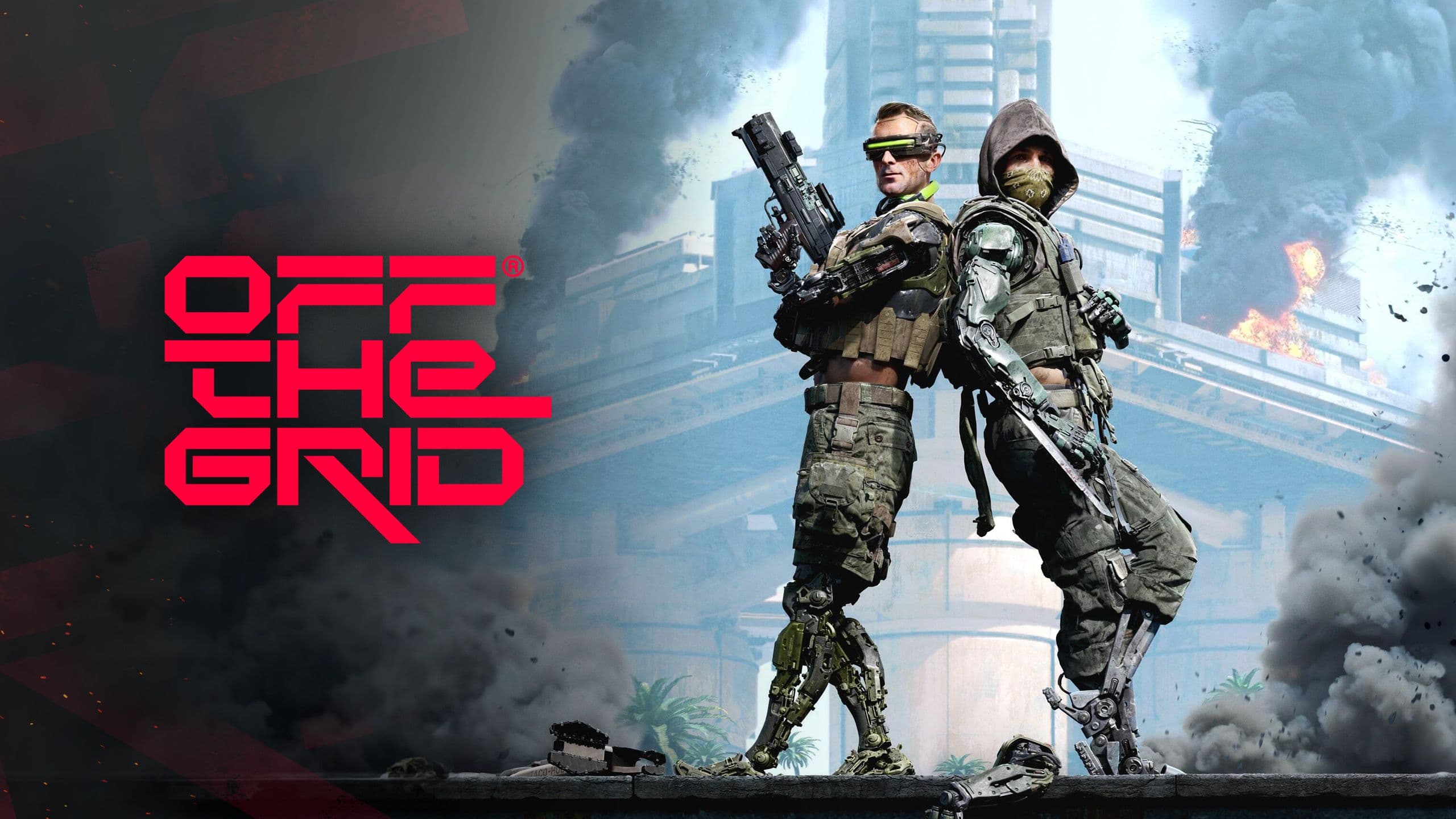
Drop into Teardrop with cybernetic limbs bolted on, and every fight in Off The Grid becomes a gamble between staying human and going full machine. Gunzilla Games' cyberpunk battle royale comes from di...
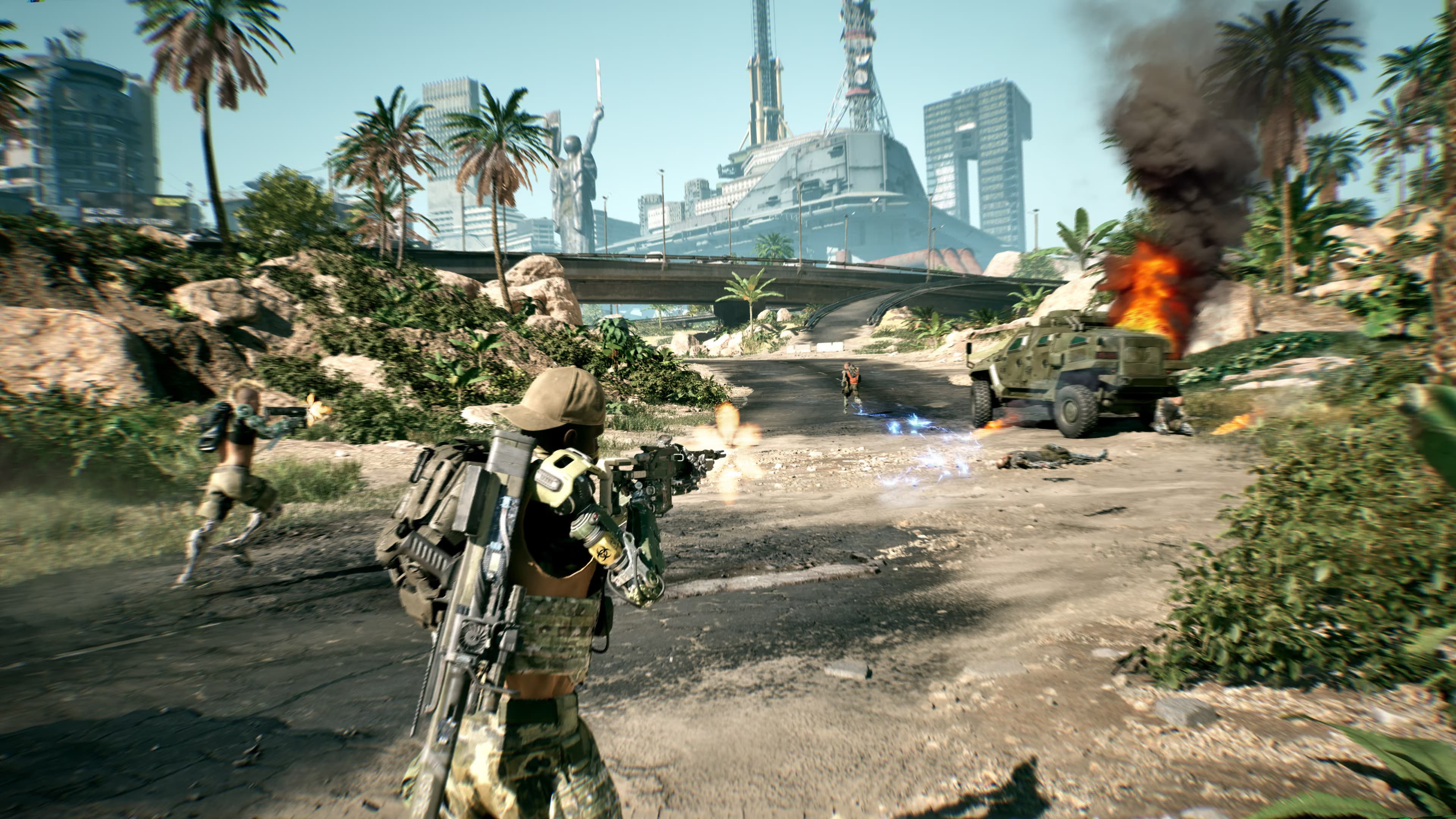
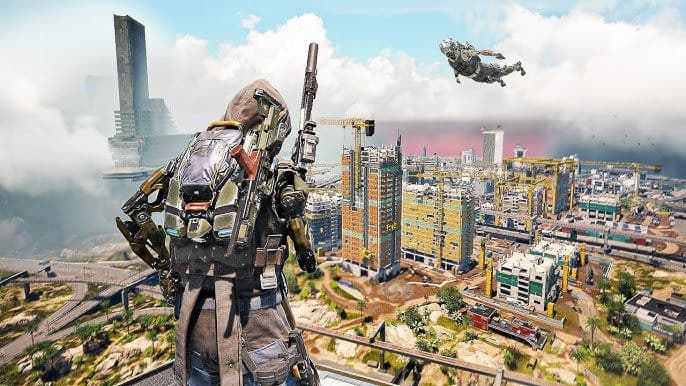
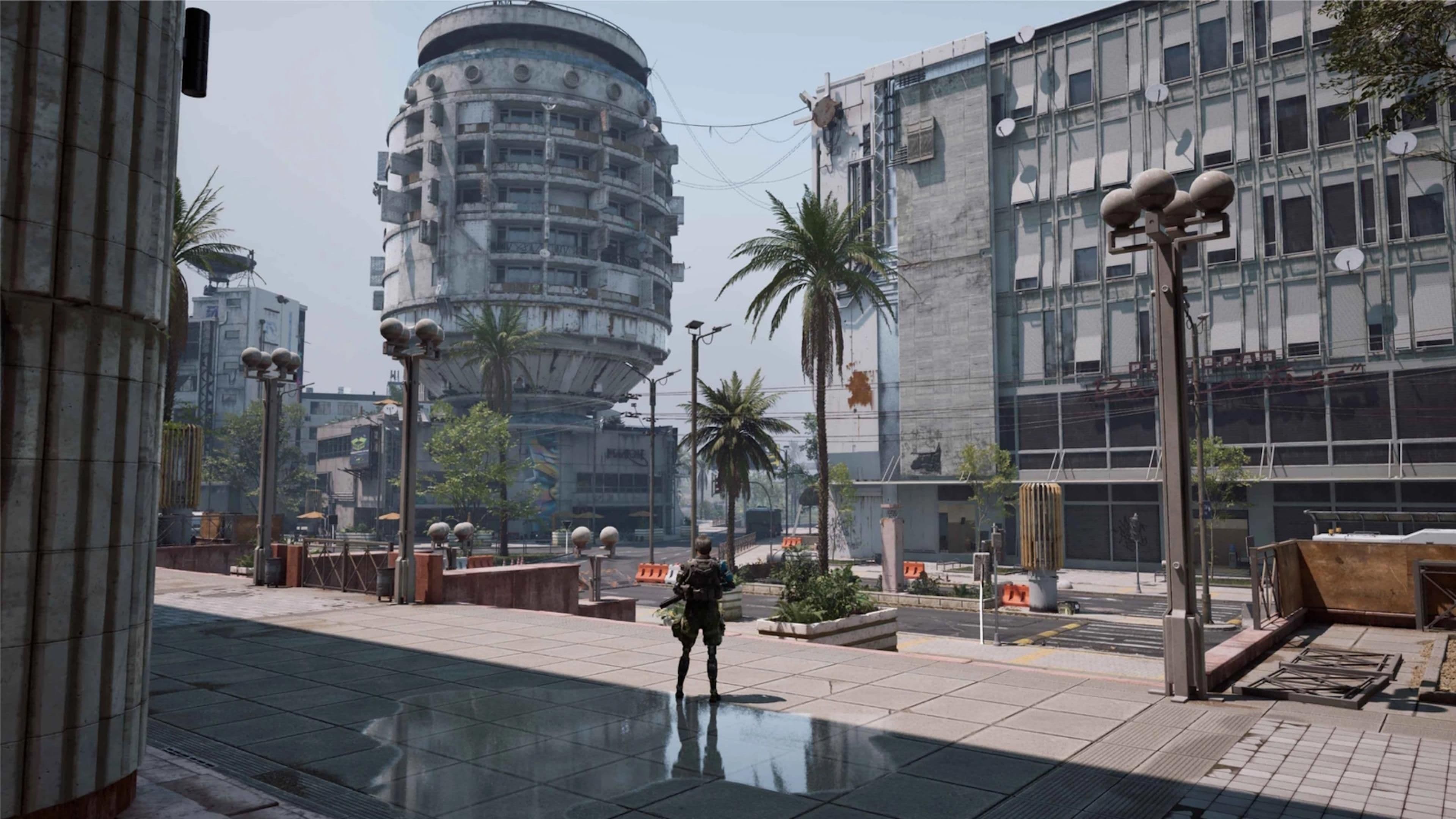
Off The Grid is a free-to-play cyberpunk battle royale developed and published by Gunzilla Games, a studio founded by former CryEngine and Crysis developers and creatively steered by District 9 director Neill Blomkamp. It entered early access on all platforms on October 8, 2024, and Gunzilla has set October 2026 — the game's two-year anniversary — as the target for full release, backed by a five-month roadmap of major updates running from June through that date. The pitch is a battle royale built around swappable cybernetic limbs, an extraction-shooter loot loop, and a player-owned economy running on the studio's own blockchain, which makes Off The Grid one of the more ambitious and more scrutinized live-service shooters heading into 2026.
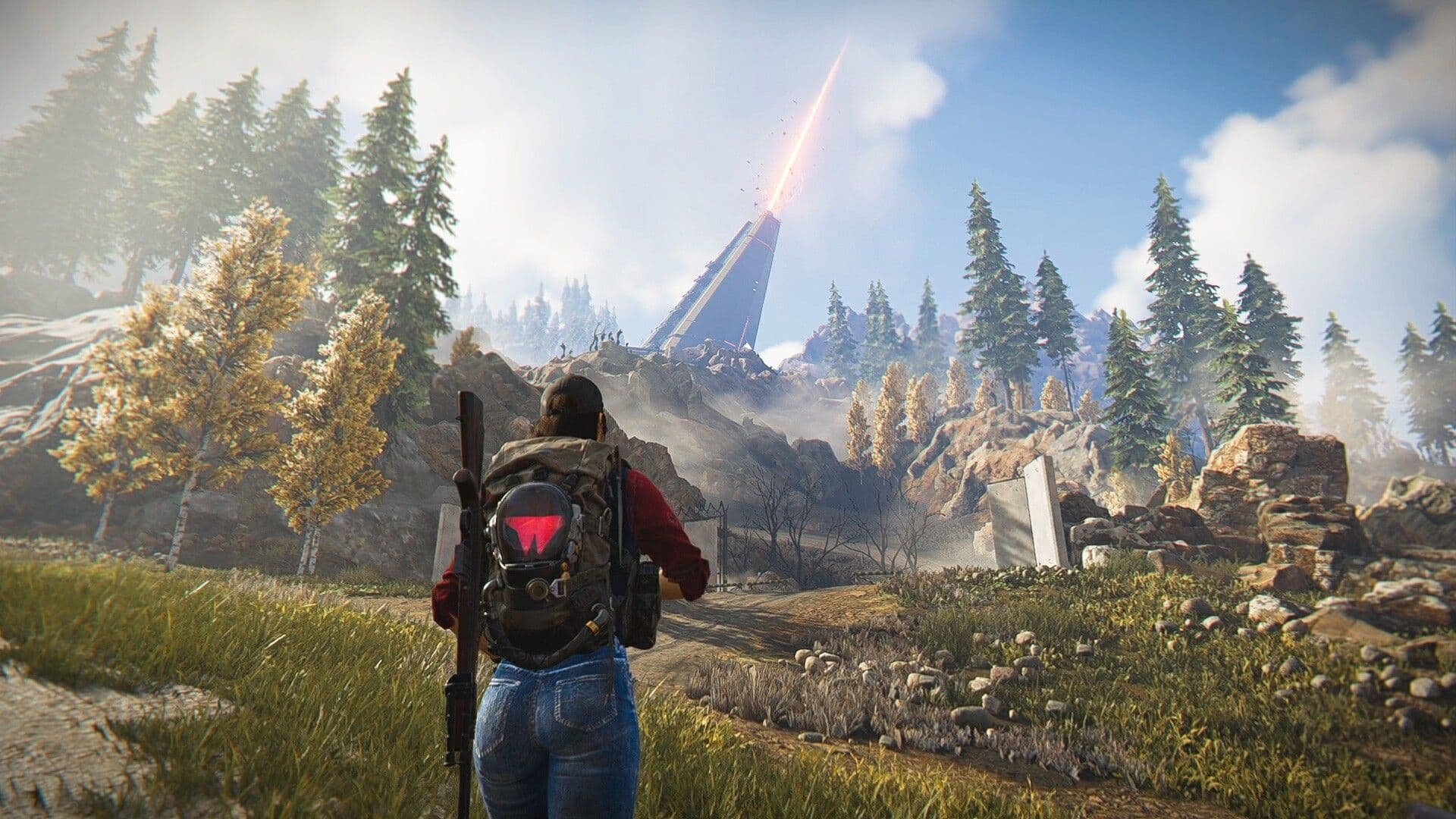
The fiction is straightforward dystopian noir: contestants are cybernetically rebuilt and dropped onto Teardrop Island, a corporate-controlled arena where death is temporary but ratings are everything. Blomkamp handles the visual direction, and novelist Richard K. Morgan — best known for the cyberpunk classic Altered Carbon — writes the narrative missions threaded through matches. Neither name turns Off The Grid into a story-first game; the missions exist to justify why 150 augmented gladiators keep dropping onto the same island every few minutes, not to deliver a plot worth following on its own. What the setting buys the game is a coherent visual identity — rain-slicked megacity blocks, corporate signage, and body horror played for style rather than shock — that separates it from the sun-bleached islands most battle royales default to.
A fresh account starts with a stock set of cyberlimbs and a basic sidearm, then gets dropped from a transport ship alongside two squadmates onto whichever district the match rolls. The opening minute looks the same as any battle royale — scavenge nearby buildings for a real weapon before someone else gets there first — but the second minute usually isn't. A dead enemy or an unlocked crate might drop a Roadrunner leg instead of ammunition, and swapping it on mid-fight for a burst of speed to close distance or break away is a decision the game hands you within the first few engagements, not after hours of unlocking a tech tree. That immediacy is Off The Grid's strongest first impression: the cyberlimb you loot in minute three can change how the rest of the match plays out, and the game trusts new players to figure that out by doing it rather than by reading a tutorial screen.
Off The Grid runs on a mode called Extraction Royale rather than a traditional last-team-standing format. Squads of three drop in, loot the map, and can choose to either fight toward being the last team alive or extract early with whatever they've gathered — a structural choice borrowed from extraction shooters like Escape from Tarkov and grafted onto a battle royale's scale. Scattered across the map are Hextractor stations, and reaching one lets a team claim a Hex: a loot container holding permanent progression items — weapons, skins, and cyberlimbs that persist between matches rather than resetting at the next drop. Triggering an extraction starts a countdown visible to every squad still alive, which reliably turns the last thirty seconds of a good match into a firefight over who actually gets to leave with the loot.
The system that sets Off The Grid apart from Fortnite, Apex Legends, or PUBG is its cyberlimbs — arms and legs that swap in and out mid-match and carry an active ability apiece. Leg types alone include Leapers for a mobility jump, Thumpers for a mortar strike, Hammerheads for a slam that launches nearby enemies, and Roadrunners for a speed boost that leaves a trail allies can ride. Arms add another fourteen options on top, covering everything from rocket launchers to grappling hooks to short bursts of invisibility, and with more than thirty pieces total, no two squads necessarily build the same way. Limbs aren't locked to a character or a match — find a better leg on a dead opponent and you can swap it on immediately, which turns looting into a genuine tactical decision rather than a stat-check upgrade.
The 2025 "Kill The Feed" update added a universal Dodge ability — three regenerating charges usable in any direction, on the ground or mid-air, and cancelable into aiming or reloading for advanced players who learn the timing. It's the single change that pushed Off The Grid's combat identity closest to a traditional shooter's skill ceiling rather than a positioning-and-ability game, and it arrived alongside PainKilla, a support-oriented cyberlimb that gave squads their first real reason to build around healing instead of pure damage. Weapons themselves span the expected assault rifles, SMGs, sniper rifles, and shotguns, each with attachment slots that open up as a weapon's rarity climbs — a familiar loot-shooter structure, but one the cyberlimb system keeps from feeling like a reskin of everything else in the genre.
Individual matches reset most of what you're carrying, but Off The Grid layers meta-progression on top through account experience, a seasonal Battle Pass, and the persistent Hexes claimed from successful extractions. Players who'd rather not gamble on random floor loot can spend in-match currency to call in a preferred loadout by drone — a convenience that shortens the gap between a fresh drop and being combat-ready, though it also means players who've stockpiled currency from previous matches start every new one with a real head start. An optional OTG Pro subscription, priced around $11.99 a month with a three-day trial, multiplies token-earning rate up to fivefold and unlocks the ability to list items on the in-game marketplace — a structure worth flagging plainly, since it ties a subscription fee to how efficiently you can convert play into tradable value.
Is Off The Grid pay-to-win? In the traditional sense — no purchase grants a direct combat advantage that can't also be earned by playing. But Off The Grid is also one of the only AAA-adjacent shooters built around an entire dedicated blockchain, and that's worth explaining rather than dismissing. GUNZ is an Avalanche-based Layer 1 chain Gunzilla built specifically for this game, and it went live alongside its native GUN token in March 2025. In-game items — weapons, cyberlimbs, cosmetics — can be minted as NFTs and traded on the GUNZ marketplace or on OpenSea, and the studio has committed to channeling 30% of the game's gross revenue into buying back GUN tokens for distribution based on player performance. Gunzilla insists it won't sell NFTs directly itself, framing its cut as marketplace fees and Pro subscriptions instead.
Whether that model has delivered on its promise is a separate question from whether it's technically pay-to-win, and the honest answer is mixed. GUN launched trading near $0.115 and had slid to roughly $0.027 by early 2026, a decline that mirrors the broader collapse in play-to-earn token values across the industry rather than anything specific to this game. The reassuring part for anyone allergic to crypto is that none of it is mandatory — blockchain features are opt-in, and a player who never touches the marketplace or mints a single NFT experiences the same core loop as anyone chasing token yield. The less reassuring part is that a subscription tier exists specifically to multiply how fast you accumulate a tradable currency, which is a different kind of monetization pressure than a cosmetics-only shop, even if it never touches raw gunplay power.
Set against that backdrop, Gunzilla's public messaging has stayed upbeat: a July 2026 performance patch delivered what the studio describes as frame-rate gains of up to 100 FPS on weaker hardware, and the five-month roadmap toward October's full release promises several more major content updates before early access ends. The game has real momentum to point to as well — a five-category sweep at the 2025 GAM3 Awards, including Game of the Year, and continued cross-play support tying together Steam, Epic, PlayStation, and Xbox player bases into shared lobbies. Whether a studio navigating vendor disputes and salary complaints can sustain a six-year live-service commitment through and past its full launch is a fair thing to watch rather than assume either way.
Steam's own listing puts Off The Grid at a Mixed rating, with 61% of its user reviews positive — a number that reflects a genuinely divisive game rather than a broken one, with praise for the cyberlimb system sitting next to complaints about balance, bugs, and the crypto layer some players simply don't want attached to their shooter. Concurrent player counts have cooled from an all-time Steam peak in the 15,000 range, reached in the game's most recent surge, down to a range that third-party trackers currently place somewhere between roughly 6,000 and 11,000 depending on time of day and which tracking service is doing the counting — a real decline from peak, but still a functioning, matchmaking-viable population rather than a dead lobby. As with most live titles, treat any single figure as an approximation; what matters more is that squads are still filling and matches are still starting.
The GAM3 Awards sweep wasn't an isolated marketing moment, either — Gunzilla has continued positioning Off The Grid as a competitive title, and the studio's cross-play infrastructure means a Steam squad, an Epic Games Store player, and a console contestant can all end up in the same lobby without anyone needing a second account. That matters more for a shooter still building its audience than it would for an established giant: fragmenting an already-cooling population across separate platform queues would have made matchmaking noticeably worse than it currently is.
Strip away the blockchain scaffolding and Off The Grid is a genuinely inventive battle royale — the cyberlimb system is the kind of idea other studios will be quietly borrowing within a couple of years, and the Extraction Royale format gives every closing circle a second decision layer that Fortnite and its imitators never bothered to add. Keep the blockchain scaffolding in view, though, and the picture gets more complicated: a token that's lost three-quarters of its value, a studio fielding real questions about paying its own people, and a subscription that multiplies your crypto yield all sitting underneath a shooter that plays well enough not to need any of it. Off The Grid right now feels like two different games wearing the same cybernetic skin — one is a sharp, free-to-play extraction shooter worth a squad's evening; the other is a speculative Web3 economy asking you to trust a company currently answering uncomfortable questions about its own bills. Play it for the former. Go in with open eyes about the latter, and don't let anyone talk you into treating the token as anything but a bonus.