 F2P · Live
Lineage 2 Essence
Lineage 2 Essence is NCSoft's free-to-play take on the classic Korean MMORPG Lineage II, built around faster…
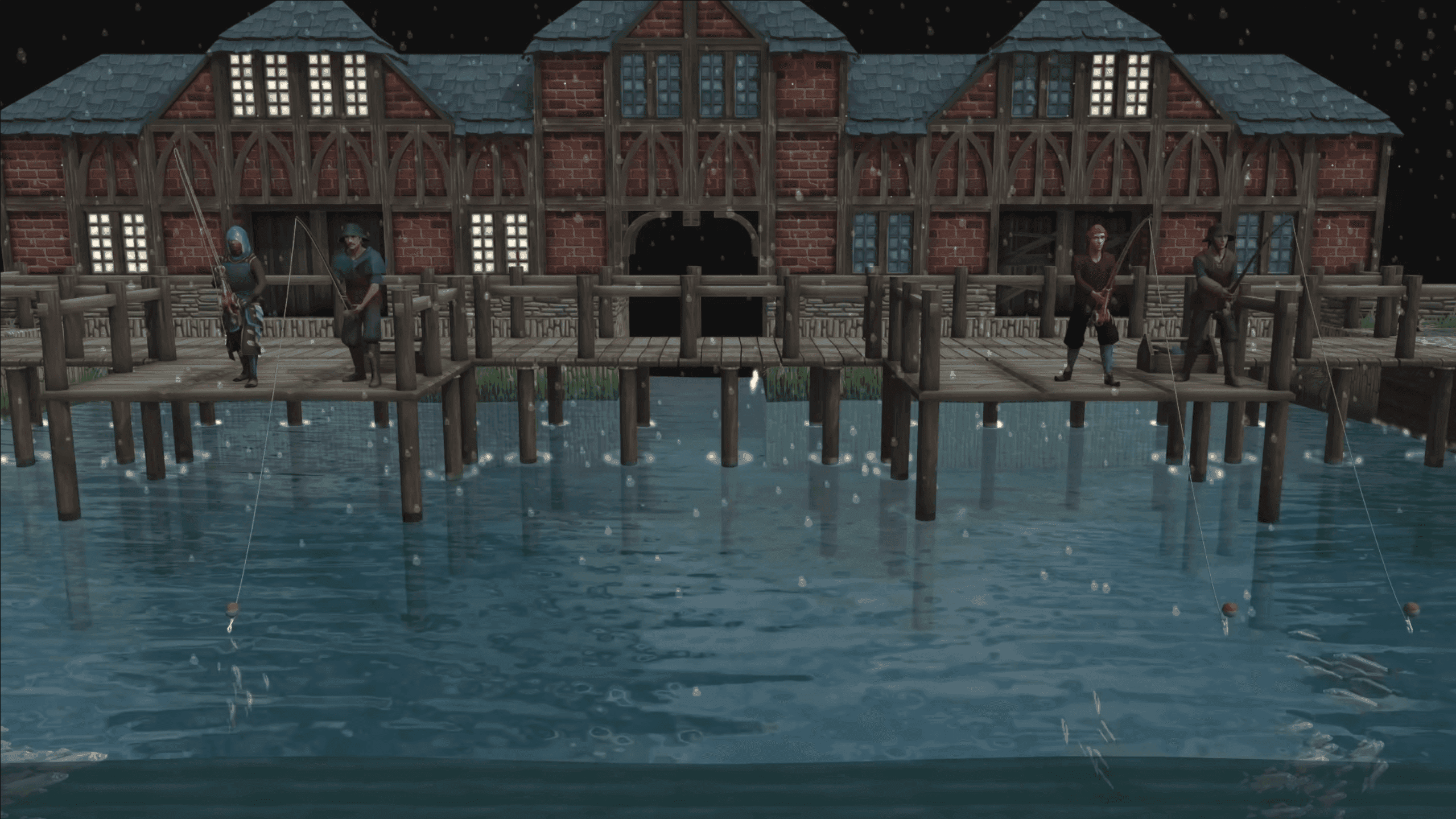
Brighter Shores is a free-to-play episodic MMORPG from Fen Research, the studio founded by RuneScape co-creator Andrew Gower, built on a custom engine and released into Steam early access in November ...
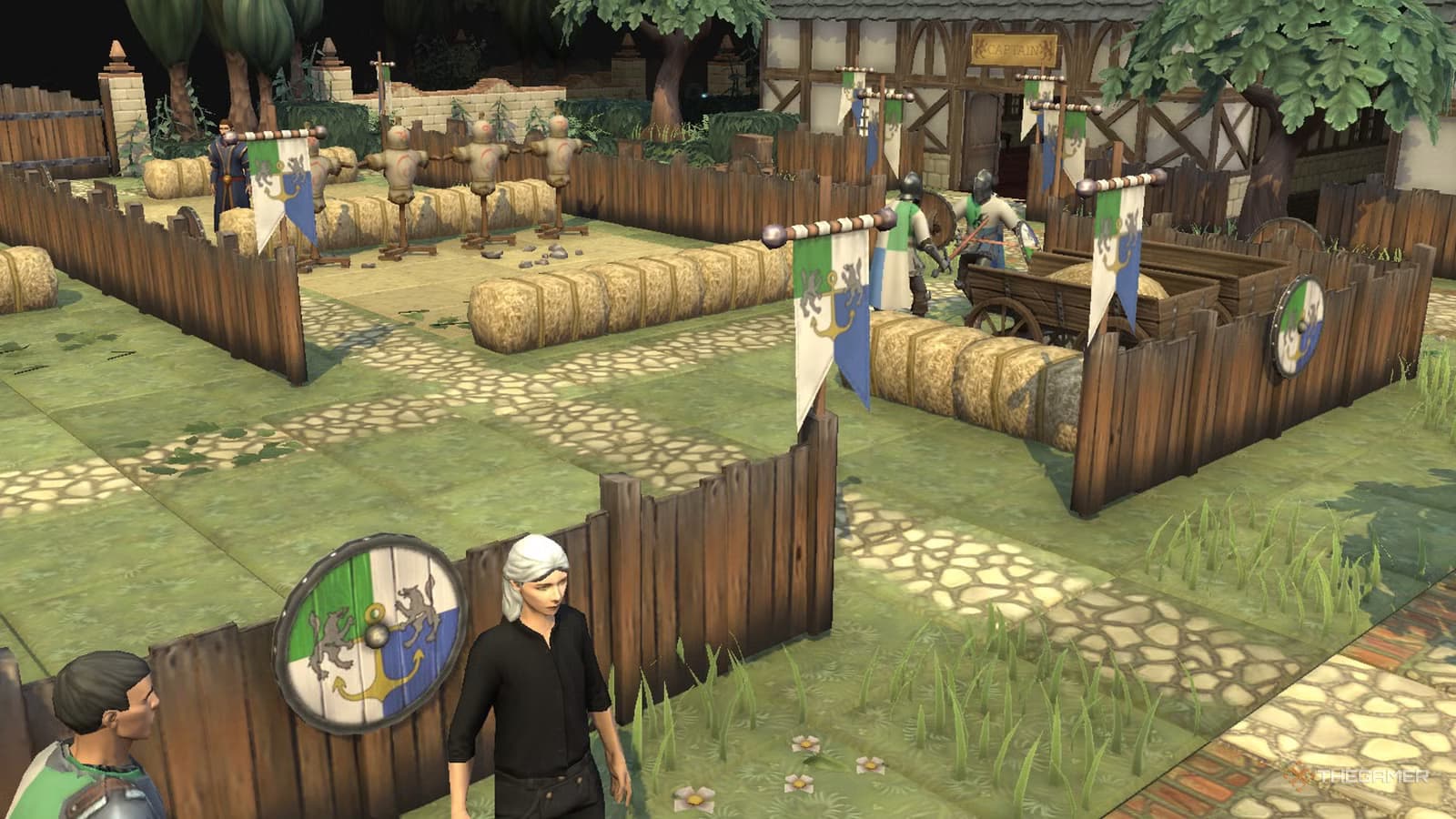
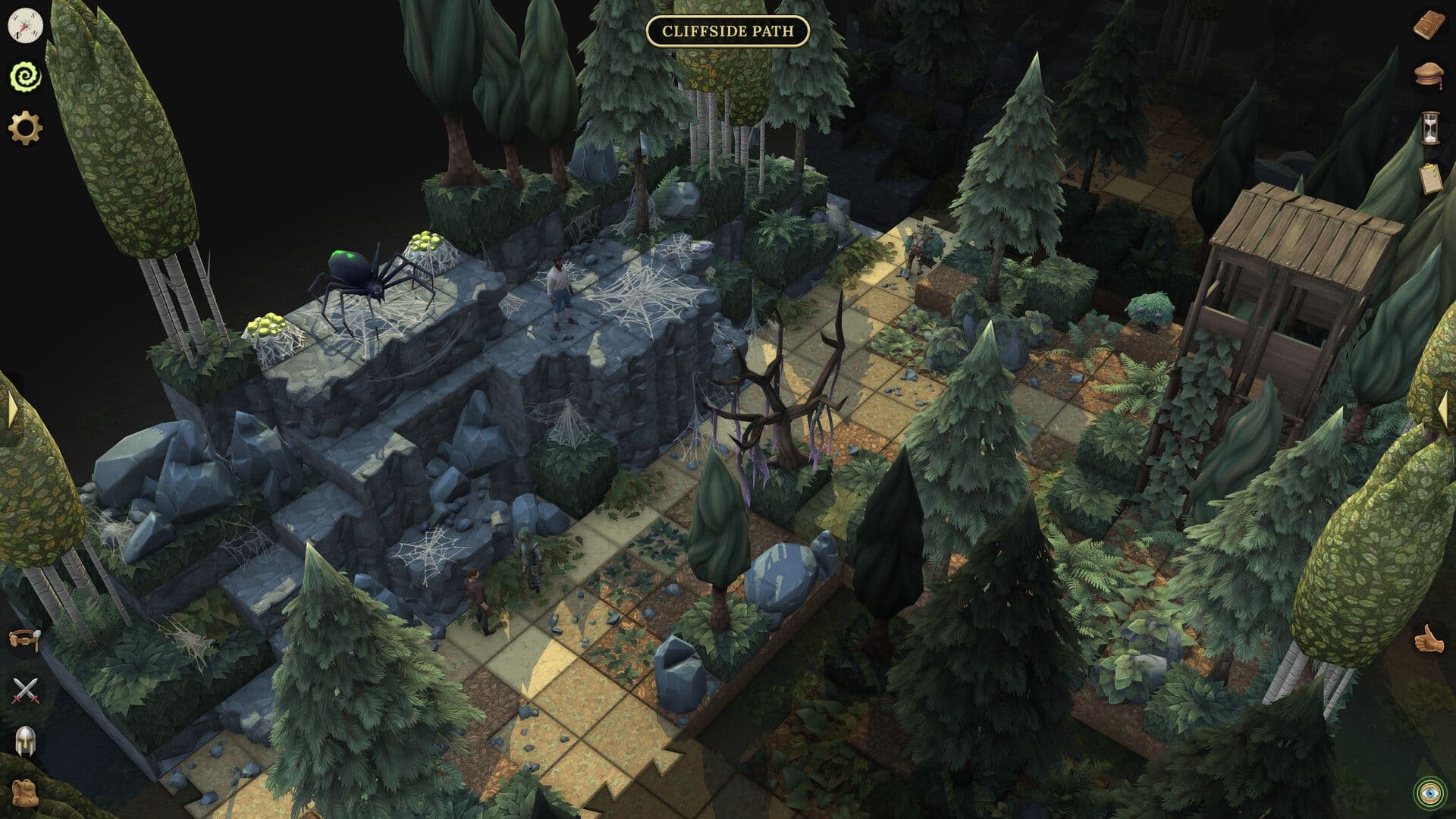
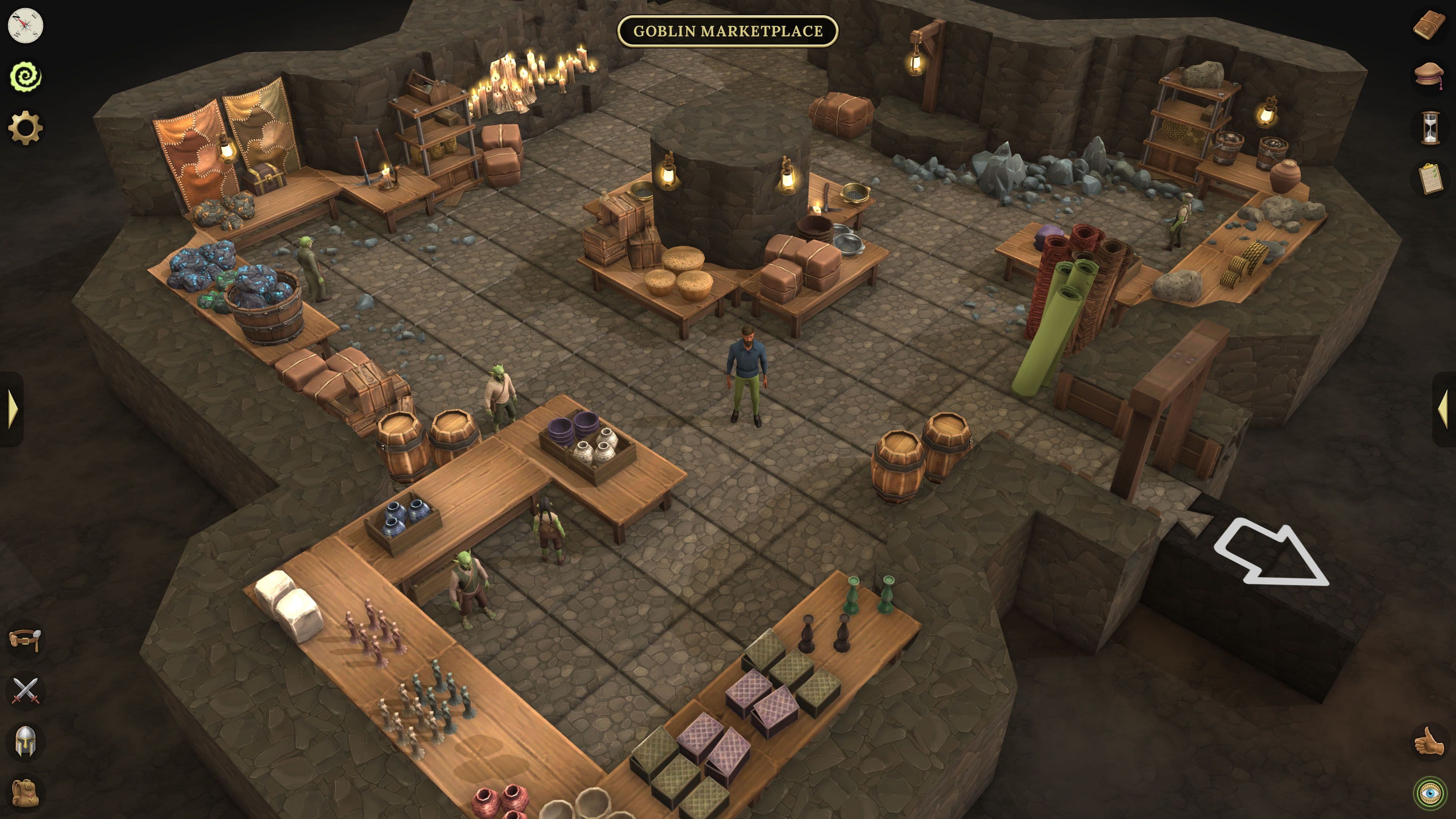
Brighter Shores is a free-to-play episodic MMORPG from Fen Research, the Cambridge studio founded by Andrew Gower, who co-created RuneScape and wrote its original engine. It entered Steam early access on 6 November 2024 for Windows and macOS, running on Fenforge, a custom engine Gower built rather than licensing Unity or Unreal. Twenty-one months later it is still in early access, still short of its fifth episode, and still being patched most weeks.
What separates it from the RuneScape lineage it obviously descends from is the shape of its progression. The world is divided into episodes, each with its own set of professions, and most of those professions keep earning experience while the game is closed. There are no loot boxes and no cosmetic store — one optional pass, one price, and everything else is time.
Quick take: Brighter Shores is worth installing if the leveling itself is the point rather than a means to an end. The February 2026 Milestones overhaul repaired the leveling curve that drove people off in the first year, but it did not add the group content, dungeons or PvP the game has been promising since launch. Two free episodes are enough of a sample to decide.
Brighter Shores opens with a guard shift, not a chosen-one prophecy. You arrive in the harbour town of Hopeport as the newest recruit in the town watch, and the opening quest chain has you patrolling streets, breaking up trouble around the docks, and handling the fallout of a storm and a goblin problem inland. Within that first hour you will also fish, cook what you caught, forage along the shoreline, and mix a basic potion.
Movement is point-and-click through discrete rooms rather than a continuous map. Each screen is a fixed, hand-painted diorama — a market square, a kitchen, a stretch of beach — and you cross between them by clicking an exit. It looks like a picture book you turn one page at a time, and how you feel about that in the first ten minutes is a reasonable predictor of how you will feel about the next hundred hours.
The class choice lands early and matters less than it sounds. You become a Cryoknight, a Guardian or a Hammermage, and the practical difference is which crafting profession supplies your gear: Blacksmith for Cryoknights, Bonewright for Guardians, Stonemason for Hammermages. All three fight the same way. The choice determines your equipment supply chain and your cosmetic identity, not your rotation.
Adothria is a small, dense, deliberately unglamorous fantasy setting, and the room structure is the reason it works at all. Hopeport is a working port with a fish market and a guardhouse. Hopeforest is woodland with a greenhouse and bramble-blocked shortcuts that only open as your Woodcutter level rises. The Mine of Mantuban is exactly what the name promises, and Crenopolis is a crime-ridden city where the local profession is Detective.
Paul Gower, who wrote RuneScape's quests, handles the writing here, and the tone carries over: dry, faintly absurd, occasionally very good. Quests are rated by difficulty in stars and released steadily rather than in expansions — The Imposter arrived in January 2026, Fractured Reality in May, Rags to Riches in June. They are the strongest content the game has.
The cost of the room design is scale. You never get the feeling of a continent that keeps unfolding, because the map is a finite set of screens and you will have seen most of them within a week. Fen Research has been rebuilding and expanding those maps through 2026 — new streets and buildings in Crenopolis, replaced trees and new shortcuts in Hopeforest — but the ceiling is structural.
Professions are the game, and there are fifteen of them: fourteen tied to specific episodes plus one global combat profession. Hopeport gives you Forager, Fisher, Chef and Alchemist. Hopeforest adds Botanist, Woodcutter and Carpenter. The Mine of Mantuban brings Miner, Bonewright, Blacksmith and Stonemason, and Crenopolis contributes Detective, Leatherworker and Merchant. Each caps at level 500.
Since February 2026, every profession is divided into ten milestones of fifty levels each. Reaching a new milestone upgrades that profession's whole activity set at once — new fish appear, trees change species, recipes get replaced — which is the closest thing the game has to a difficulty tier. Milestone 1 Chef work is salmon quiche and apple pie; later milestones move you onto pufferfish sashimi that needs boxes from a Carpenter to catch the fish in the first place.
The mechanic that most defines the game is passive training. Professions keep earning experience while the game is closed, capped at 24 hours or by how many input items you left in your backpack — roughly one item per hour. Gower's stated reason is anti-bot design: give people a sanctioned way to make numbers go up overnight and they have less reason to run scripts. It also makes Brighter Shores unusually forgiving of adult schedules.
The Milestones update was a genuine correction rather than a coat of paint. It replaced the experience curve, removed the notorious difficulty cliff at level 200, spread activities more evenly instead of clustering them at low levels, and closed the gaps between linked activities — potatoes and the first recipe using them went from 38 levels apart to four.
No — Brighter Shores combat is functional and thin, and Fen Research says so openly. You click a monster, your character auto-attacks, you drink a potion if it goes badly, and you wait. There are no special attacks and no skill trees; nothing to dodge, no rotation to learn. In July 2026 the studio wrote that improving combat means reconsidering how the existing system works rather than layering extras on top of it, which is a fair admission and also an admission that the work has not started in earnest.
Getting here took a full rebuild already. At launch, each episode had its own combat profession — Guard, Scout, Minefighter, Watchperson — and moving to a new region reset you to zero. Players hated it loudly enough that Fen Research merged all four into one global Combat profession in March 2025 and scrapped a fifth before it shipped.
The current system layers a choice on top of that merge. Each time you unlock a new combat milestone you pick a "foe pack" — which episode's monsters you want to fight next — while base enemies stay at fixed levels per region: Hopeport 0–24, Hopeforest 25–49, Mantuban 50–74, Crenopolis 75–99. It solves the progression-reset complaint cleanly. It does not make the fighting more interesting.
Brighter Shores is free for its first two episodes and subscription-gated after that. Hopeport and Hopeforest cost nothing, which covers eight of the fifteen professions and the first two chapters of the main story. Everything past that — the Mine of Mantuban, Crenopolis, all future episodes, player-to-player trading, a unique character name and city dyes — requires the Premium Pass.
The pass costs $5.99 for 30 days, $23.99 for 90 or $74.99 for a year, with equivalents in sterling, euros, Canadian and Australian dollars. Nothing else is for sale — the pass is the entire monetization model, with no loot boxes and no cosmetic shop. Fen Research has committed to holding the price for existing recurring subscribers when it eventually rises.
It is a clean model with one uncomfortable consequence: half the professions and the entire trading system sit behind it. If your premium access lapses you keep all your progress and your name, but you are teleported back to Hopeport and locked out of the two paid regions until you resubscribe. Call that honest rather than predatory — the terms are stated plainly and there is no second currency — but a free player is sampling the game, not playing it.
The crafting chains are the most carefully built thing in Brighter Shores, and the 2026 changes made them matter more. A Guardian shield starts as a shark jaw from Forager and an ash log from Woodcutter, becomes planks at the Carpenter, and finishes at the Bonewright. Weapons work the same way, with each crafting milestone producing weapons usable across a fixed five-milestone combat band.
Until this year you could shortcut nearly all of that by buying the inputs from shops. The Milestones update removed a targeted list of ingredients from vendors entirely — nettle and wrack for strength potions, gurnard for soup, hickory for posts, duraben for Cryoknight shields, gold for jewellery — and those same items give the best experience rates in the professions that consume them. Levelling a Fisher now unlocks recipes a non-Fisher simply cannot make.
Trading itself is deliberately restrained. There is no auction house; player-to-player trades run through the Merchant's Guild in Crenopolis, with bank-to-bank trading at the city's player markets, and the whole system requires premium access. That keeps gold-selling pressure low and keeps the economy legible. It also means a free player has no economy at all.
Not much yet, and this is the honest weak point of the game in 2026. There are no dungeons, no raids, no world events, no party system and no PvP. Endgame currently means maxing professions, chasing leaderboard positions, and running bounties — small repeatable tasks from profession boards that Fen Research has been adding one profession at a time through the year: Fisher in February, Blacksmith and Stonemason in March, Bonewright in April, Miner in May, Alchemist and Forager in June, Botanist in July.
That rollout is Phase 3 of Project Milestone, and it is the stated plan for endgame — bounties first, then multiplayer world events, then dungeons, then milestone cosmetics. July 2026 added clue divination, letting Bonewrights quest for a skull that generates clues for Detective investigation bounties, which is the first sign of professions feeding each other at the top end rather than only at the crafting bench.
Meanwhile the fifth episode remains unreleased. Stonemaw Hill, PvP and combat skill trees are all still outstanding from the original early-access checklist, alongside dungeons and a party system. Of the eleven features Fen Research listed as prerequisites for leaving early access, four are ticked off.
The multiplayer layer is the thinnest part of the design. There is chat, a friends list, shared rooms where you can see other players working the same nodes, leaderboards, and gated trading — and that is the list. Guilds do not exist, grouping does not exist, and no piece of content requires or rewards a second person.
The population makes this more noticeable. Steam trackers put concurrent players in the region of 130 to 200 on a typical day, against an all-time peak of roughly 21,000 on launch day in November 2024. Steam is the only distribution channel, so those figures are a fair proxy rather than an undercount. The rooms are not empty, but a busy one holds a handful of people.
Steam reviews sit at about 67% positive across roughly 8,500 ratings, with recent monthly samples running negative on very low volume — a dozen or so reviews a month, which says as much about the size of the active base as about sentiment. Third-party estimates put average playtime near 30 hours, which reads like a game people try, enjoy for a while, and set down.
Brighter Shores is the best-designed idle game currently pretending to be an MMO. Read that as a description rather than a put-down: it is the frame in which the game makes complete sense. Judged as a massively multiplayer world it fails on the basics: nothing requires another player, nothing rewards one, and the population is small enough that the question rarely comes up. Judged as a profession simulator with an offline timer and a very good quest writer, it is unusually well-built and unusually fair about money.
The Milestones work in 2026 proves Fen Research can execute serious structural repair when it commits. What twenty-one months of early access have not proved is that the studio can build the multiplayer half of a multiplayer game. Bounties are landing profession by profession, dungeons and world events are next on the plan, and the entire endgame case rests on features that exist as roadmap bullets.
Install the free episodes and give them an evening. If the loop of chopping, refining and crafting holds you on its own terms, the pass is fairly priced and the game will keep you occupied for months. If you spend that evening waiting for the part where it becomes an MMO, stop waiting — that part has not been written yet.
Yes, the first two episodes — Hopeport and Hopeforest — are completely free, with no time limit and no cosmetic store. The Mine of Mantuban, Crenopolis and player trading require the Premium Pass at $5.99 a month.
No. It has been in Steam early access since 6 November 2024, and Fen Research has not announced a full release date. Four of the eleven features the studio listed as prerequisites for launch are complete.
Not yet. Fen Research has described a concept for opt-in, stake-based duels where both players wager what they are willing to lose, but nothing has been implemented and no date has been given.
It shares a designer, a writer and a philosophy of skill grinding, but the structure is different: room-by-room navigation instead of an open map, episode-specific professions instead of a single skill list, and offline progression as a core system rather than a mobile add-on.
No, and the design actively assumes you will not. Passive activities run for up to 24 hours after you log out, and the milestone system is built around medium-term goals rather than daily login streaks.