 F2P · Live
Lineage 2
Aden's castles never stay in the same hands for long, and Lineage II has built an entire twenty-three-year…
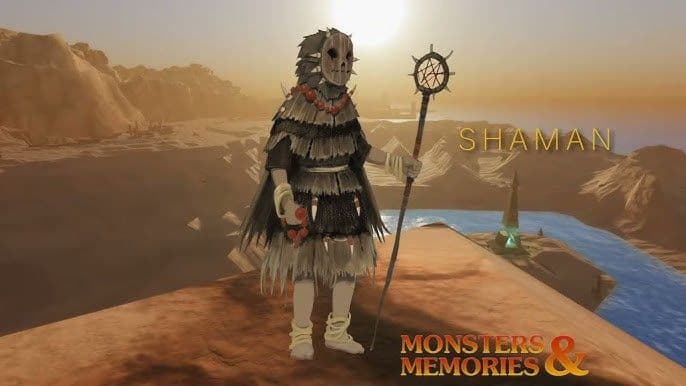
Monsters & Memories is a subscription-based classic-style MMORPG built by Niche Worlds Cult, an all-volunteer indie studio chasing the social complexity and difficulty of early-2000s MMOs rather than ...
Monsters & Memories is an in-development MMORPG from Niche Worlds Cult, a volunteer studio that grew out of a 2020 livestream conversation about what a smaller, deliberately unfashionable fantasy MMO might look like if nobody had to answer to a publisher. It's a subscription-only game with no box price and no cash shop, built around the group-dependent, slow-burn design of late-1990s and early-2000s MMORPGs, and it's currently in closed beta ahead of an Early Access launch set for October 1, 2026. Because the game isn't live yet, this isn't a verdict on a finished product — it's a look at what the beta, the class reveals, and two years of playtests say about what Niche Worlds Cult is actually building.
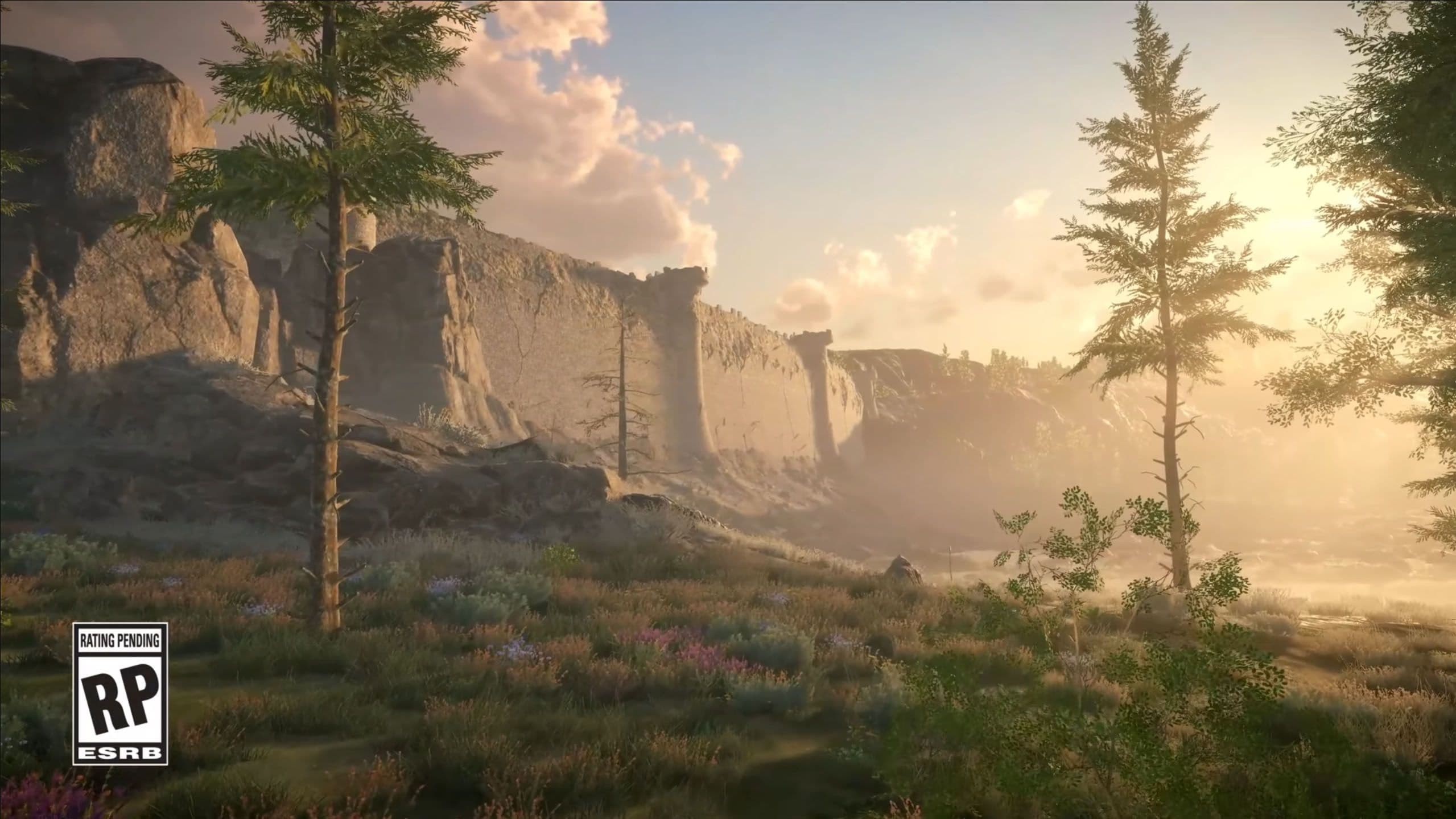
Aêthoril is the continent Monsters & Memories is built around — traditional Western fantasy on the surface, but with an entire underworld region called the Deep threaded beneath it, home to races and factions who broke off from the surface world after some past cataclysm. It's a new setting rather than a reskin of an existing IP, and the lore leans on faction friction: the isolationist, purity-obsessed high elves who call themselves the last uncorrupted remnant of a fallen empire; the gnomes whose relentless curiosity has occasionally tipped a few of them toward darker research; the Deep Dwarves, reshaped by "corrupted stone and titan's blood" into something colder than their surface cousins. None of this is groundbreaking on its own. What matters more is how a new player and a veteran of the genre are likely to read it differently.
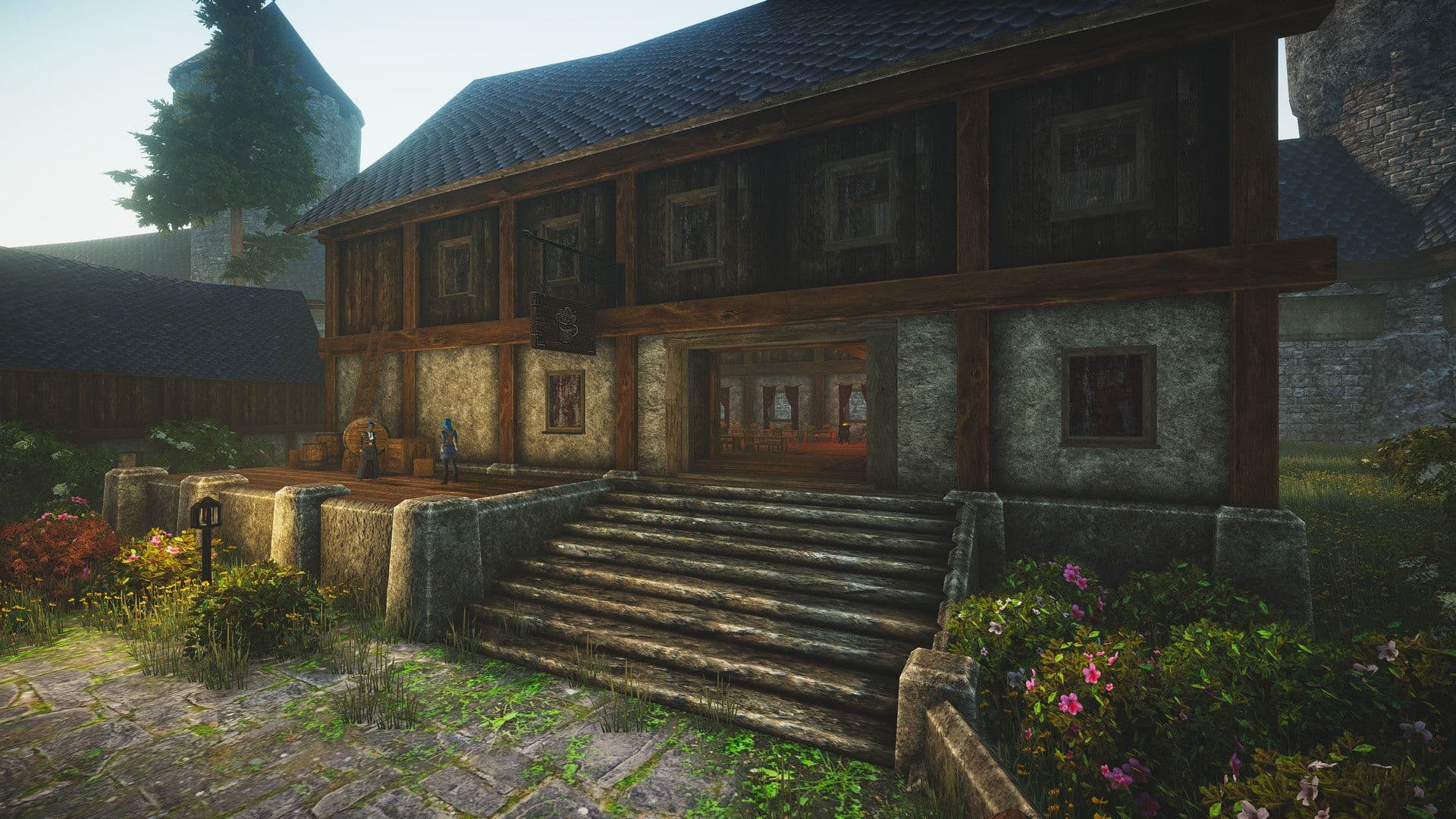
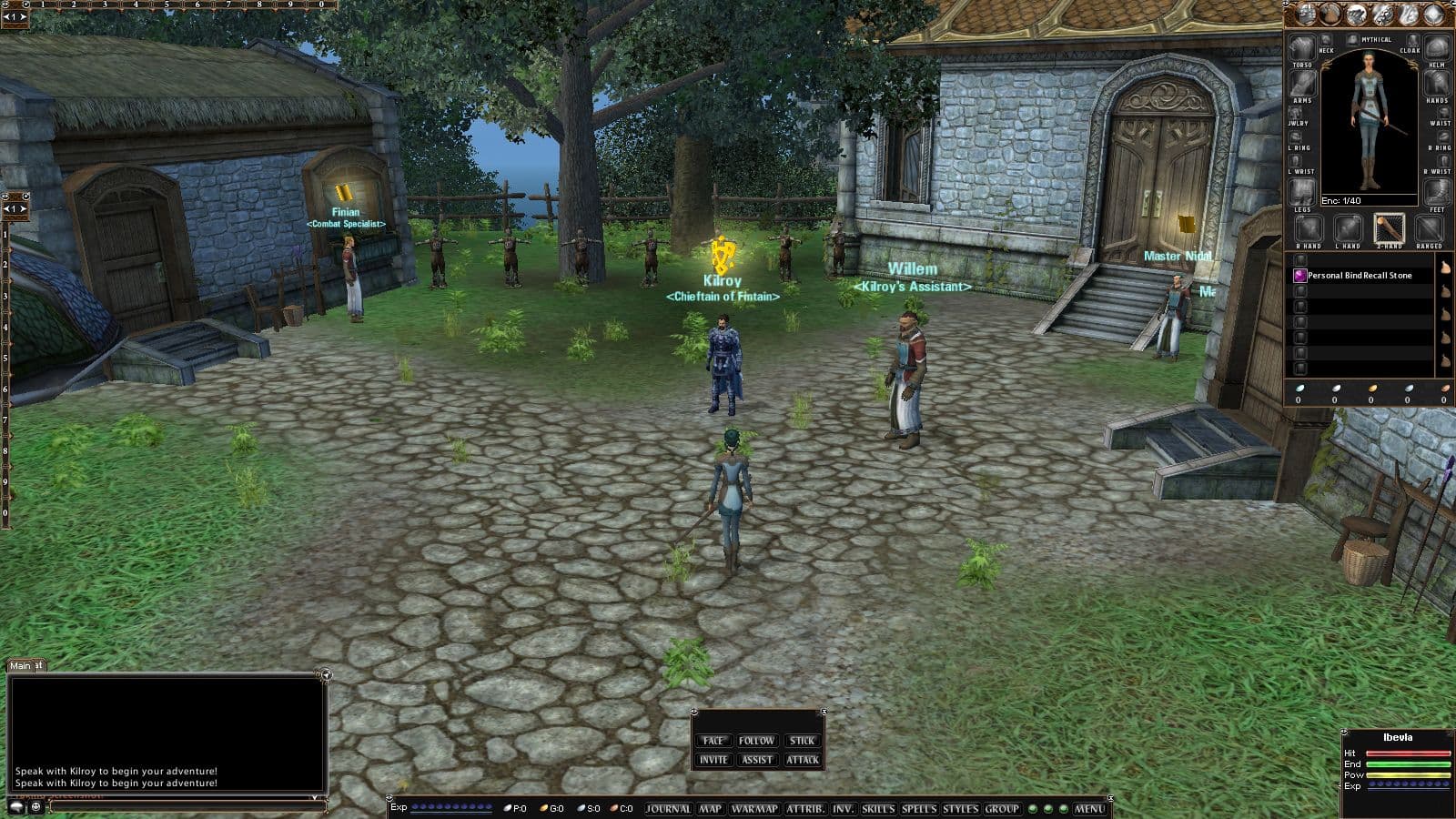
To a newcomer, Night Harbor — the coastal starting region — reads like a normal fantasy MMO opening: a port town, a few nearby zones, some early quests. To someone who cut their teeth on early EverQuest or Dark Age of Camelot, the details land harder. There's no waypoint arrow. There's no minimap ping guiding you to the quest giver. Niche Worlds Cult has said plainly that stripping out those conveniences is deliberate — the idea is that navigating by landmarks and asking other players for directions is what actually built the sense of a shared, inhabited world in the genre's early days, and that convenience quietly erased it. A newcomer used to modern UI hand-holding will likely find the first hour disorienting. A veteran will recognize exactly what's being restored, on purpose.
Character creation starts with race, not class — pick a race first and the game highlights which of its classes that race can actually play, since not every combination is available. Thirteen races are planned, split between surface peoples like Humans, Wood Elves, Dwarves, Gnomes, Halflings, Ogres, Trolls, and the insular high elves (the Cilindrine), and three Deep-adapted races — Deep Dwarves, Deep Gnomes, and Deep Elves — who get unusual class access like the Deep Dwarf Inquisitor. After race and class, players distribute seven points across six attributes: Strength, Dexterity, Intelligence, Charisma, Stamina, and one more governing their build's core competency, on top of a baseline the race/class combination already provides.
For a newcomer, this is just character building with more knobs than they're used to — mildly overwhelming, easy enough to push through with a guide open in a second tab. For a veteran, it's an immediate signal about what kind of game this is: a race/class matrix this granular, with real mechanical consequences for the combination you pick, is a design choice aimed squarely at players who want that decision to matter for the entire life of the character, not just the character screen.
Roughly eighteen classes are planned across the usual tank/healer/DPS spread, plus utility and crowd control treated as pillars in their own right rather than afterthoughts bolted onto a damage class. The Fighter is the clearest example of the game's philosophy in action: it runs on a shared cooldown pool and a set of combat stances that shift its kit between offense, defense, and control, with the strongest aggro-generation tools in the roster and retaliation mechanics that reward standing and taking a hit rather than kiting around it. Niche Worlds Cult has said outright that they're narrowing the Fighter into a dedicated tank rather than a class that also competes on damage — a trade-off a modern MMO would probably avoid, and a very EverQuest-coded one to make on purpose.
The Spellblade sits at the more technical end: a melee fighter who channels telekinetic, electric, and pure arcane energy through weapon strikes rather than casting from range, built around an infusion-and-conduit system where holding energy versus spending it immediately defines how the fight goes. Teleportation is being treated as a real combat tool for this class — blinking behind a target or yanking them out of position — not a flavor ability tacked onto the kit.
Then there's the mechanic that will do more than any other to sort newcomers from veterans on sight: casters memorize spells. Literally — they scribe spells into a spellbook and select a limited number to slot onto their bar before heading into a fight, and taking damage mid-cast can interrupt the spell entirely, which makes positioning and pulling technique matter as much as gear. A newcomer's first reaction to this Vancian memorization system is usually mild confusion — why can't my wizard just cast whatever spell I want whenever I want? A veteran's reaction tends to be closer to relief: it's the exact friction that turned casters in games like this into the players everyone else in the group had to plan around, not just a ranged damage slot.
The leveling arc runs the full span from 1 to 60, and the studio has been explicit that this is intentional pacing rather than a placeholder number waiting to be trimmed for launch — their stated position is that leveling should be something worth savoring, not a wall between the player and the "real" game. Death carries a genuine penalty: experience loss, the possibility of dropping back a level entirely, and your equipped items staying on your corpse until you run back — unequipped and vulnerable — to retrieve them.
To a newcomer coming from almost any MMO released in the last fifteen years, this reads as borderline hostile design. Losing levels for dying is not a mechanic most current players have ever encountered outside a roguelike. To a veteran, it's the entire point: a death penalty with actual teeth is what makes careful pulling, competent healing, and a tank who knows the pull order feel like they matter, instead of death being a fifteen-second inconvenience on the way back to the fight. Neither reaction is wrong. They're just responses to a game that was built for one of those audiences specifically, and is betting the other one will come around to it.
Niche Worlds Cult's own framing of the moment-to-moment gameplay is worth taking at face value: the emphasis is on planning and tactics over fast reflexes or a memorized ability rotation, and the class kits are deliberately built so that players need each other rather than merely benefiting from grouping up. That's a harder sell to a newcomer than it sounds — modern MMOs have spent two decades optimizing away the moments where you're standing around waiting for a healer, and Monsters & Memories is reintroducing exactly that waiting, betting that the payoff of a coordinated group pull is worth the friction of assembling one. A veteran, especially one who spent years in an EverQuest guild coordinating camps and corpse runs over voice chat, will recognize the bet immediately and likely already knows whether they're in.
Guilds sit at the center of that structure, though with the game still in beta, the deeper social systems — how factions interact, what endgame group content ultimately looks like — are still being built out in real time rather than fully revealed. What is public is the studio's habit of publishing detailed class-by-class design breakdowns and openly asking the community for feedback before locking mechanics in, which is a genuinely unusual level of transparency for a project this size, and one that's kept a dedicated Discord and wiki community engaged well ahead of launch.
The playtesting track record so far tells its own story. An open week-long playtest in mid-2025 drew more than 7,700 participants, a strong turnout for an indie project with no marketing budget to speak of, and closed beta proper began on March 1, 2026, running through the spring before the build locked down ahead of the (since-delayed) June launch. Reception across that stretch has been genuinely mixed rather than uniformly glowing — some players have flagged a beta build with rough environment art and stray quest bugs, criticism the studio hasn't tried to spin away, given that the October delay was explicitly framed around giving performance, systems, and content more time to bake. The team has also grown considerably in that window, from roughly ten people in the early livestream days to something closer to fifty contributors by the spring of 2026, which tracks with a project trying to go from proof-of-concept to a real launch without outside funding forcing the pace.
Early Access, whenever it lands, will ship with Module 1: Descent into the Deep — meaning players can start from four locations instead of two, including the Deep Elf capital of Ail'vorith and the Wood Elf home of Faelindral, with Deep Elves and Deep Gnomes playable from day one rather than added later. That's a meaningfully bigger opening slice of the game than what most of the beta testers have actually played, which makes any playtest impressions, including the ones cited above, a preview of a preview.
No, and the studio has built its entire pitch around that answer. Subscriptions will run $15 a month with no upfront box price and no in-game microtransactions of any kind — a direct rejection of the cash-shop-plus-subscription model that even major subscription MMOs like World of Warcraft and Final Guild Wars-scale competitors have leaned into. There's no funding round or crowdsourced early-access sale propping the studio up either; development has been paid for out of pocket by the founders, which is precisely why the team stayed small for years and why the subscription price is the whole business model rather than one revenue stream among several. It's a bet that a genuinely committed niche audience paying a flat monthly fee beats a much larger audience paying nothing and occasionally buying cosmetics — and it's not a bet every indie MMO project has been able to sustain long-term, which is worth keeping in mind heading into launch.
If you spent real hours in EverQuest, Dark Age of Camelot, or early Ultima Online and have spent the years since half-convinced nobody would ever build that kind of friction again on purpose, Monsters & Memories is worth putting on your calendar for October — it is, as close as anything currently in development, actually trying to be that game rather than a nostalgia-flavored version of a modern one. If you tried a session and bounced off the lack of a minimap or the idea of losing levels to a bad pull, this isn't a game that's going to soften those edges for you later; they're the point, not a rough draft of something friendlier. And if you're simply curious but have no particular attachment to the genre's classic era, the honest answer is to wait for October and read what the first weeks of Early Access actually look like — a beta build from a volunteer team fifty people strong is not the same thing as a finished game, and right now, nobody outside Niche Worlds Cult knows for certain which one Aêthoril will turn out to be.