 F2P · Live
Lineage 2
Aden's castles never stay in the same hands for long, and Lineage II has built an entire twenty-three-year…
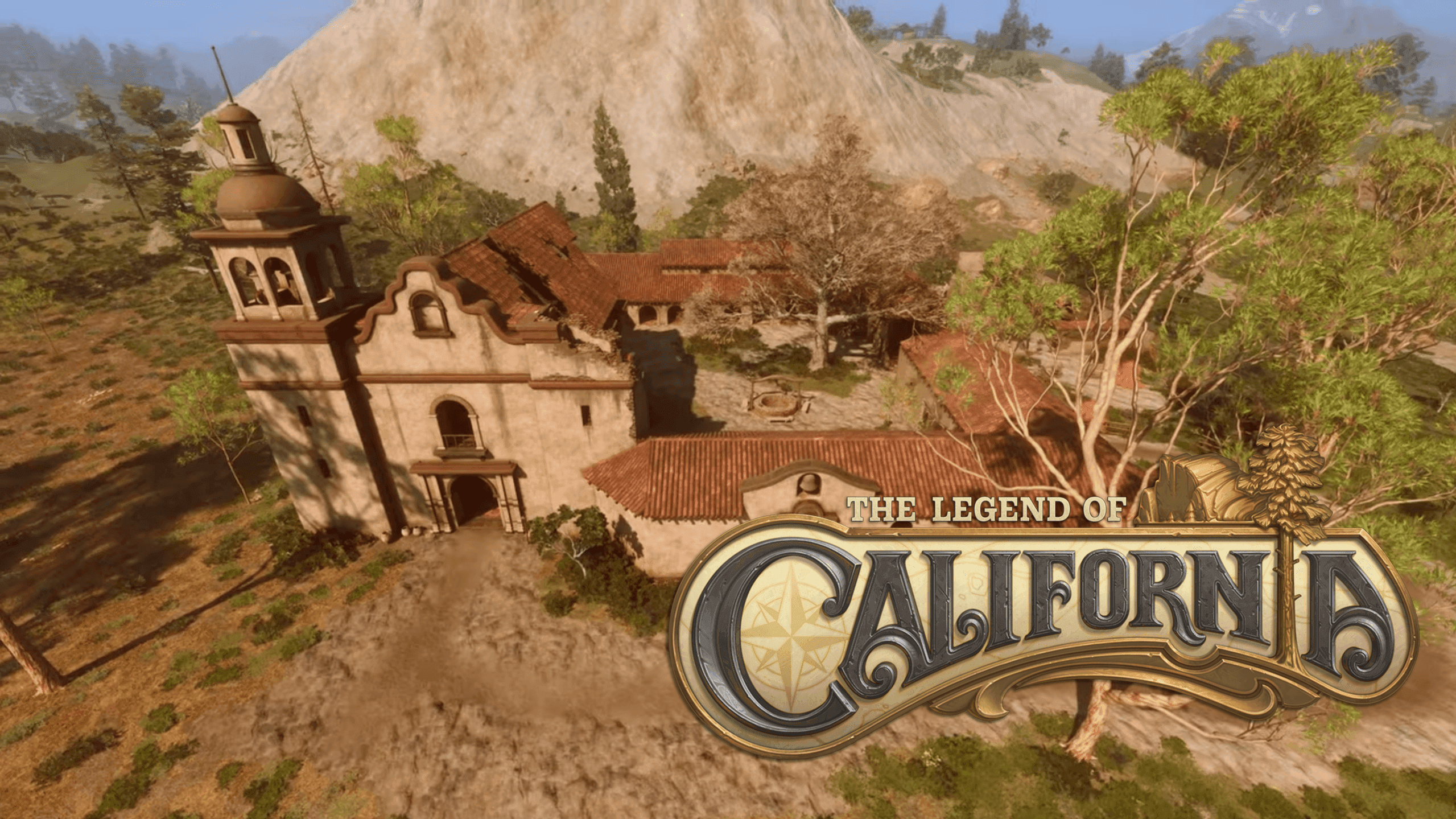
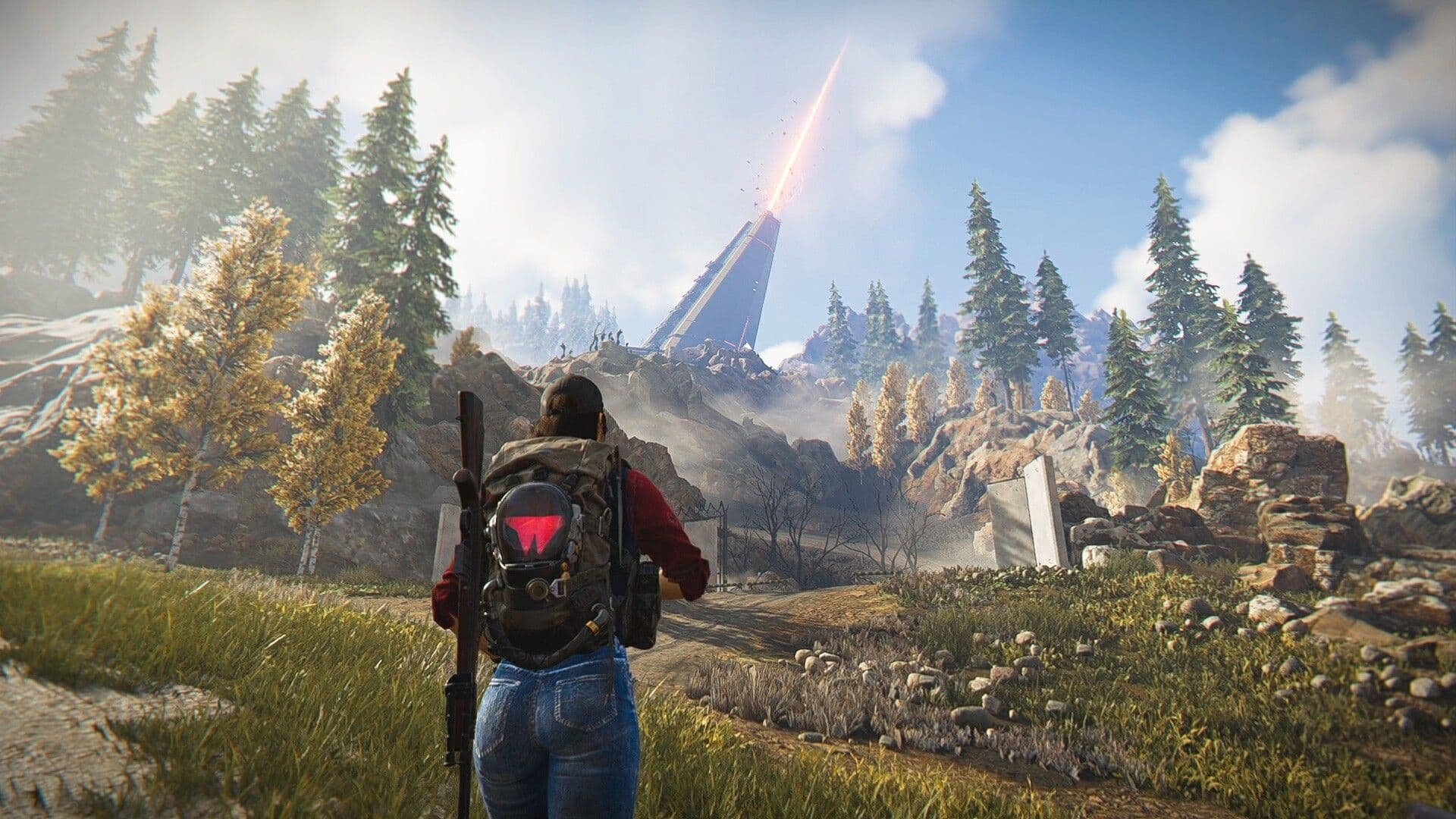
The Legend of California is an open-world action-survival FPS set on a mythical, alternate-history version of California discovered as an island off the mainland during the Gold Rush. It's the debut p...
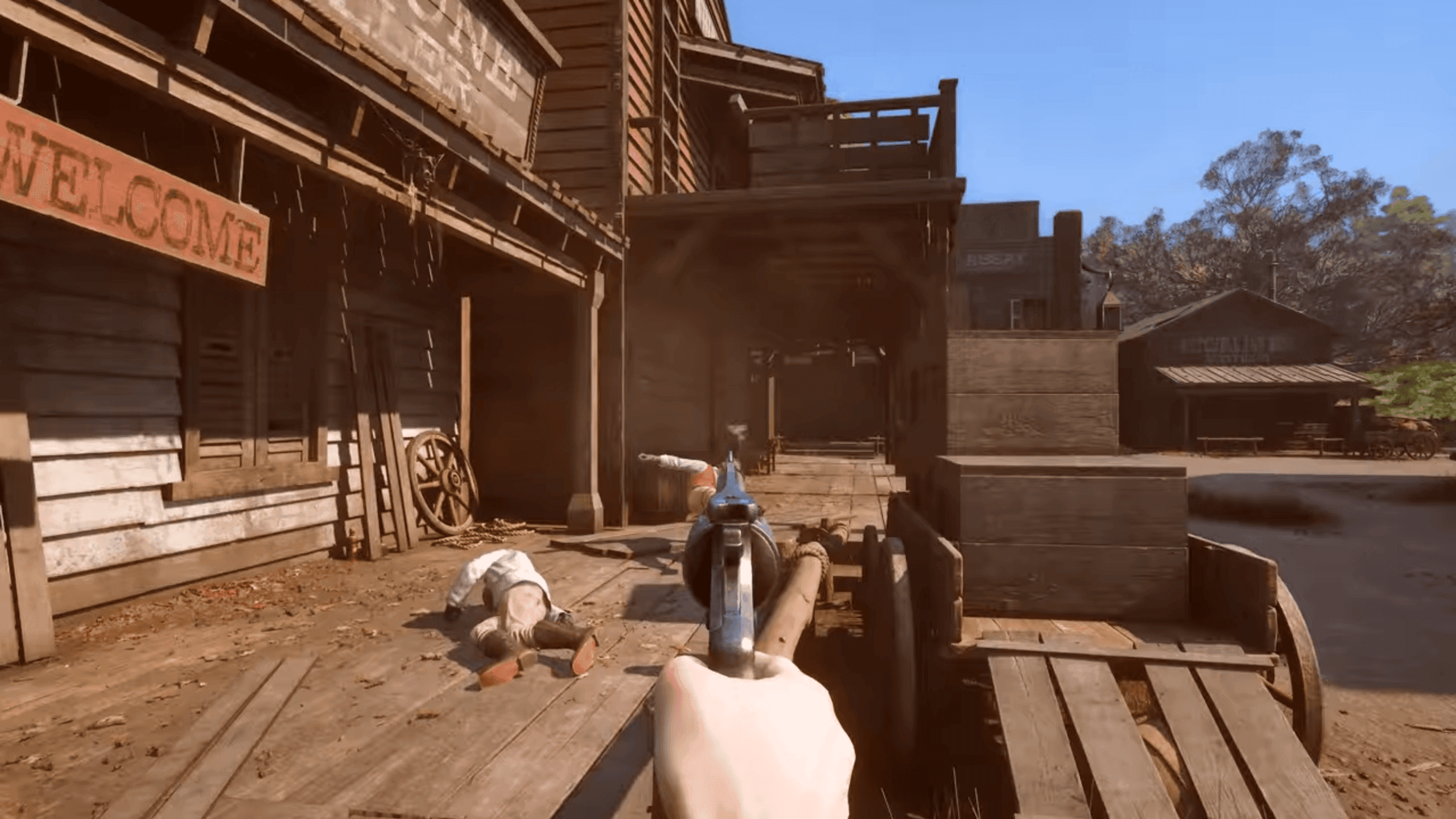
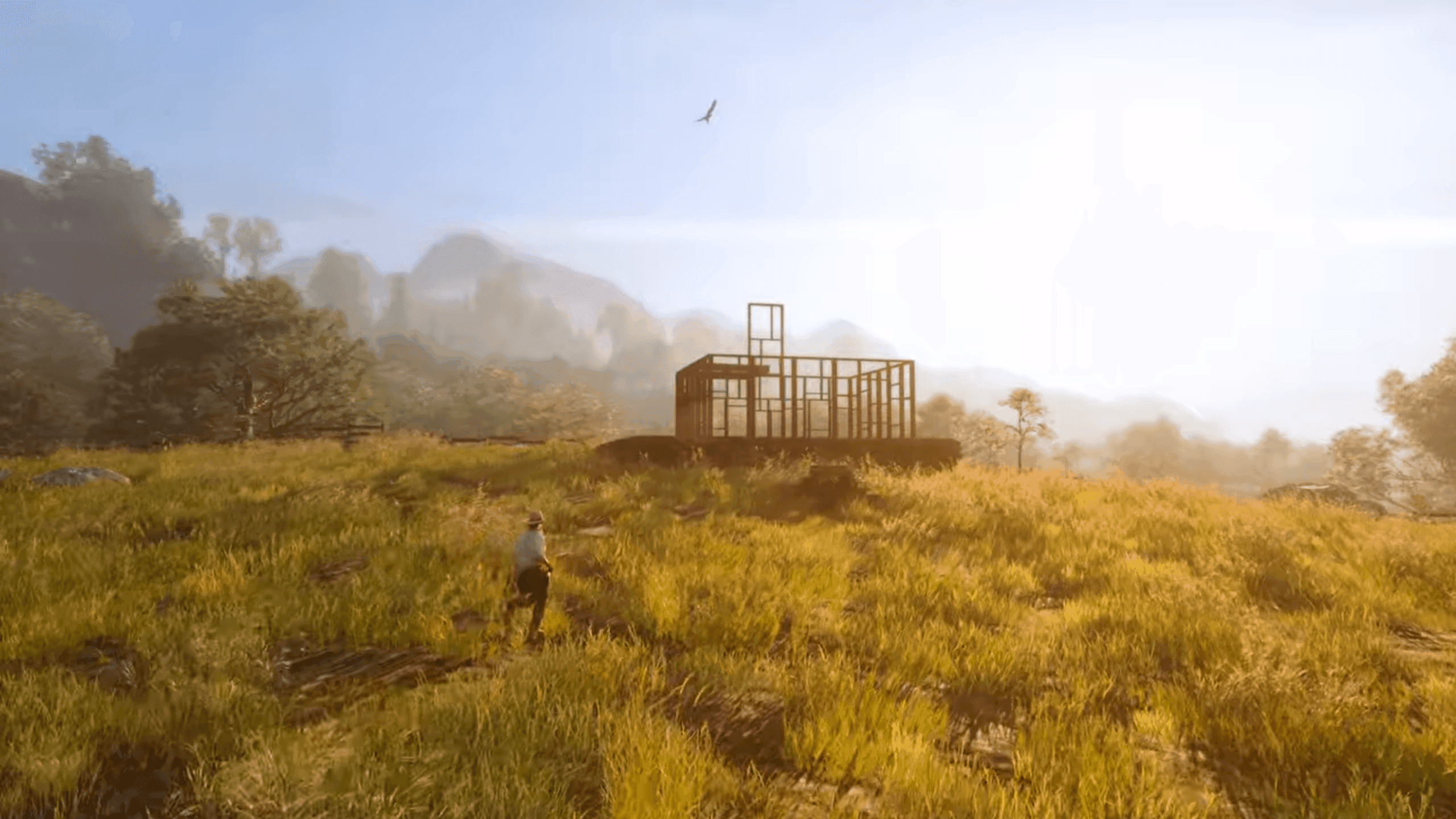
The Legend of California is an open-world survival shooter from Kintsugiyama, the 34-person studio Jeff Kaplan founded after leaving his post as Overwatch's lead director in 2021. Published by Dreamhaven, Michael Morhaime's company, it drops players onto a fictionalized "Island of California" during the gold rush, mixing first-person combat with ranch-building, voxel mining, and optional PvP. The game hasn't launched — it's run two public alpha playtests on Steam so far, with a larger beta planned before an Early Access release targeted for later in 2026. This preview covers what those tests have actually shown, not the pitch on the store page.
Start at the top, because that's where Kintsugiyama's own admissions are most revealing. Push a company of four through the current build fast enough — Kaplan pegs it at roughly 25 hours for an experienced group — and you land in a Tier 4 zone: the toughest wildlife, the richest voxel mine seams, and dynamic world events built to test a fully-geared crew. There's a legendary coat shown off in a developer stream as the current pinnacle of prestige gear, the kind of cosmetic flex meant to say a company conquered the hardest content on their server. And then, according to Kintsugiyama's own post-playtest notes, you run out of things to do. "We know a true end game is something we're missing," the studio wrote after its second alpha. "Getting to Tier 4 is fun but after a few hours in Tier 4 you run out of content and goals."
That's an unusually candid admission for a debut title from an ex-Blizzard veteran, and it frames everything else about the game correctly: The Legend of California right now is a strong opening act with no third act yet written. The per-server tier system itself is genuinely clever — rather than fixed difficulty zones, the map's four tiers get shuffled by server seed, so the same stretch of coastline that's a gentle newbie area on one server might be an endgame gauntlet on the next. "Mohave might be the easiest newbie area on your server, but on my server it's an endgame Tier 4 area," Kaplan explained when the system was revealed. It's a smart way to keep a hand-built 80-square-kilometer island — roughly twice the size of Skyrim — from ever feeling solved. What it doesn't yet do is give a Tier 4 company a reason to keep logging in once the coat is earned.
Kintsugiyama isn't pretending this is history. The gold rush setting is a springboard into an invented geography — an "Island of California" borrowed from the old cartographic myth that California was once mapped as separated from the mainland — populated with recognizable landmarks stretched into something stranger and more dangerous than the real state ever was. It's a deliberate choice that frees the art team from historical accuracy while keeping the frontier atmosphere: dust storms rolling over foothills, oak woodlands lit by the kind of sunrise a lighting programmer clearly spent real time tuning, hostile encampments and untamed wildlife standing between a new arrival and the next vein of ore.
A new arrival's first job is embarrassingly small: pitch a tent. That single structure is the entire early-game safety net — storage, a respawn point, a foothold before there's anything worth calling a home. From there the loop widens fast. Hunt wildlife for food, salvage what a hostile encampment drops, and start feeding ore into your first crude tools. Kaplan has been explicit that this stage is meant to be short by design, a conscious rejection of survival-genre convention. "What excites us is the guns," he said in a developer video, describing an intent to fast-forward players past busywork and into "the guns, the mining, the exploration, having a horse" as quickly as the game reasonably can. Tim Ford, also at Kintsugiyama, put it more bluntly: the studio doesn't consider itself a survival-game shop and doesn't want the opening hours to feel like one.
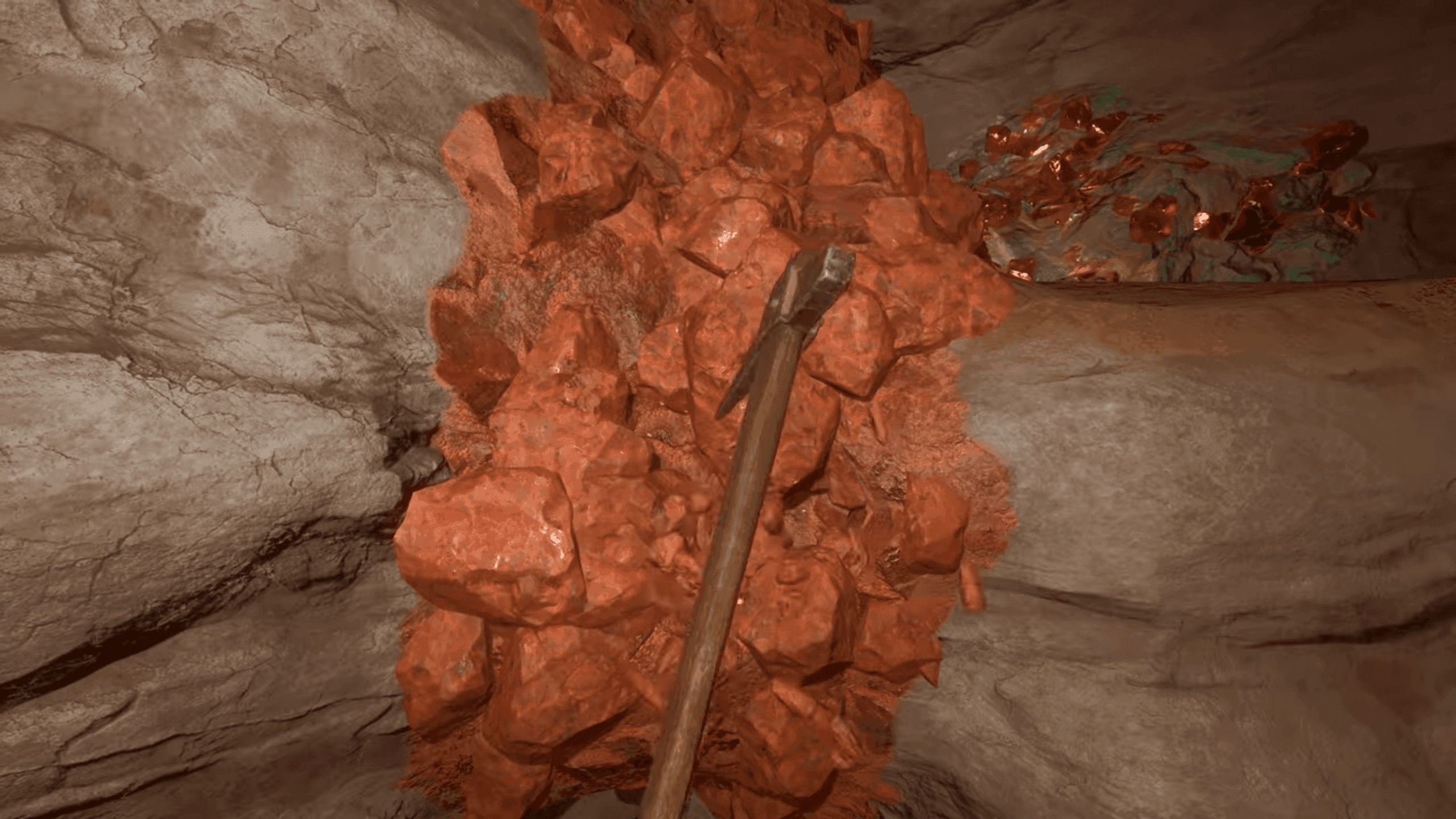
Within the first few hours a company — the game's term for its company co-op structure, capped at four players sharing resources and a base — usually has a proper ranch going. That's the real hub: a customizable house, a lumber mill, and crafting stations that unlock as the company's tools improve. Below the ranch sits the mine head, which generates a procedural voxel mine running up to ten stories deep. Digging and blasting your way down is a genuine spatial puzzle rather than a resource-bar abstraction — distinct rooms, elevators, and rarer minerals wait at depth, and a company's mining strategy becomes as much a shared project as its combat is.
Combat is fully first-person and built to reward precision over stat checks — closer to a tactical shooter's gunplay than the looter-shooter spray of many survival titles, which tracks given Kaplan's history designing Overwatch's cast around distinct, readable skill expression. Wildlife hunts feed the food loop; encampment raids feed the coin and loot loop; and territory defense against other companies is where the optional PvP layer kicks in, entirely avoidable on servers that don't want it.
Building runs on a hybrid system: modular, piece-by-piece snapping for players who want a genuinely unique ranch layout, alongside prefabricated structures for anyone who'd rather skip the architecture and get back outside. It's a sensible concession — a four-person company doesn't always have someone who wants to spend an evening squaring up wall pieces, and the prefab option means base-building ambition and base-building patience aren't the same requirement.
Is The Legend of California a PvP game? Right now, barely — and Kintsugiyama says as much itself. Feedback from the July alpha showed most players parked in Tier 1 and Tier 2 simply getting their footing, with little appetite for fighting other companies at that stage, especially on servers running PvE rules. PvP activity did pick up as the test weekend wore on, but the studio's own read on its dedicated PvP World Events was that the systems are still new enough that players haven't fully learned them, and the rewards on offer "could be better." Kintsugiyama has floated experiments with PvP events that bleed outside designated PvP zones — with safeguards for players who'd rather not be dragged in — and confirmed that fully dedicated PvP-ruleset servers are in active development for a future alpha or the summer beta. Kaplan has separately compared the intended structure to WoW Classic's opt-in PvP servers: present for those who want it, invisible for those who don't.
There's no guild system here in the traditional MMO sense — the company, capped at four, is the social unit the whole game is built around. Servers reset monthly, wiping ranch progress and resources, but legacy unlocks like cosmetics and certain recipes persist across the reset. It's a structure that borrows from roguelite seasonal design more than from persistent-world MMO convention, and it means a company's reputation on a given server is temporary by design, even if their account-wide unlocks aren't.
The studio's testing cadence tells its own story. The first public alpha ran March 26–30, 2026, was well received for its concept and feel, but fell short of the team's own performance bar — client and server stability weren't where Kintsugiyama wanted them. Rather than push forward on a shaky foundation, the studio kept the game in alpha and spent the following months specifically on stability and performance work. The second alpha, which wrapped roughly a week before this preview was written, delivered on that work: Kintsugiyama reported the technical side exceeded expectations and the weekend played well end to end. That's a meaningful signal for a 34-person indie studio building on a heavily modified version of Unreal Engine 5 — the team stripped out Unreal's default networking and physics layers entirely to hit its target of around 100 concurrent players per server, and getting that custom foundation solid before layering in more content is the right order of operations, even if it means the endgame gap identified above is still open.
A larger public beta is still to come this summer, ahead of an Early Access launch Kintsugiyama and Dreamhaven are targeting for later in 2026 on Steam and the Epic Games Store. Console versions haven't been ruled in or out; as of the most recent official word, other platform support remains undecided.
Nobody can answer that yet, because Kintsugiyama hasn't announced a business model — but Kaplan has been unusually pointed about which direction he doesn't want to go. He's described free-to-play as a model that effectively demands "8 billion players and 2 thousand devs cranking out keychains like a sweatshop," a pretty direct signal that a buy-to-play structure is the likelier landing spot, though nothing is locked in. No cash shop has appeared in either alpha test, and pricing hasn't been disclosed. Given how central the ranch, mine, and gear-crafting loop is to the design, a shop that let money shortcut any of that would undercut the whole pitch — worth watching closely once Kintsugiyama actually reveals its plan.
The concept is stronger than most survival-shooter pitches this year — a tier system that reshuffles per server instead of flattening into a known solved map, a mining loop with actual spatial depth, and a studio willing to publicly admit its endgame doesn't exist yet rather than paper over the gap. But admitting the gap isn't the same as closing it, and Tier 4 running dry after a few hours is a structural problem, not a polish item; it needs new systems, not just more of the current ones. PvP is even further behind — the World Events aren't landing yet, and the dedicated PvP servers players actually want are still in development rather than in players' hands. A five-day alpha with improved netcode is a good sign for a launch, not proof the moment-to-moment loop holds up past the first few tiers.
If you're drawn to survival-shooter concepts and want to see a studio prove out something genuinely different before you commit, this is worth tracking closely — the per-server tier shuffle alone is a smarter idea than most of the genre has offered in years, and a team that delays its own alpha to fix netcode first is one worth some patience. If what you actually want is something to sink real hours into today, there's nothing here yet: no endgame loop, no confirmed price, no confirmed console path, and a PvP layer that's still mostly a plan on a whiteboard. Wishlist it, watch for the summer beta, and check back once Kintsugiyama says what a Tier 4 company is supposed to do on its fortieth hour rather than its fourth.