 F2P · Live
Lineage 2
Aden's castles never stay in the same hands for long, and Lineage II has built an entire twenty-three-year…
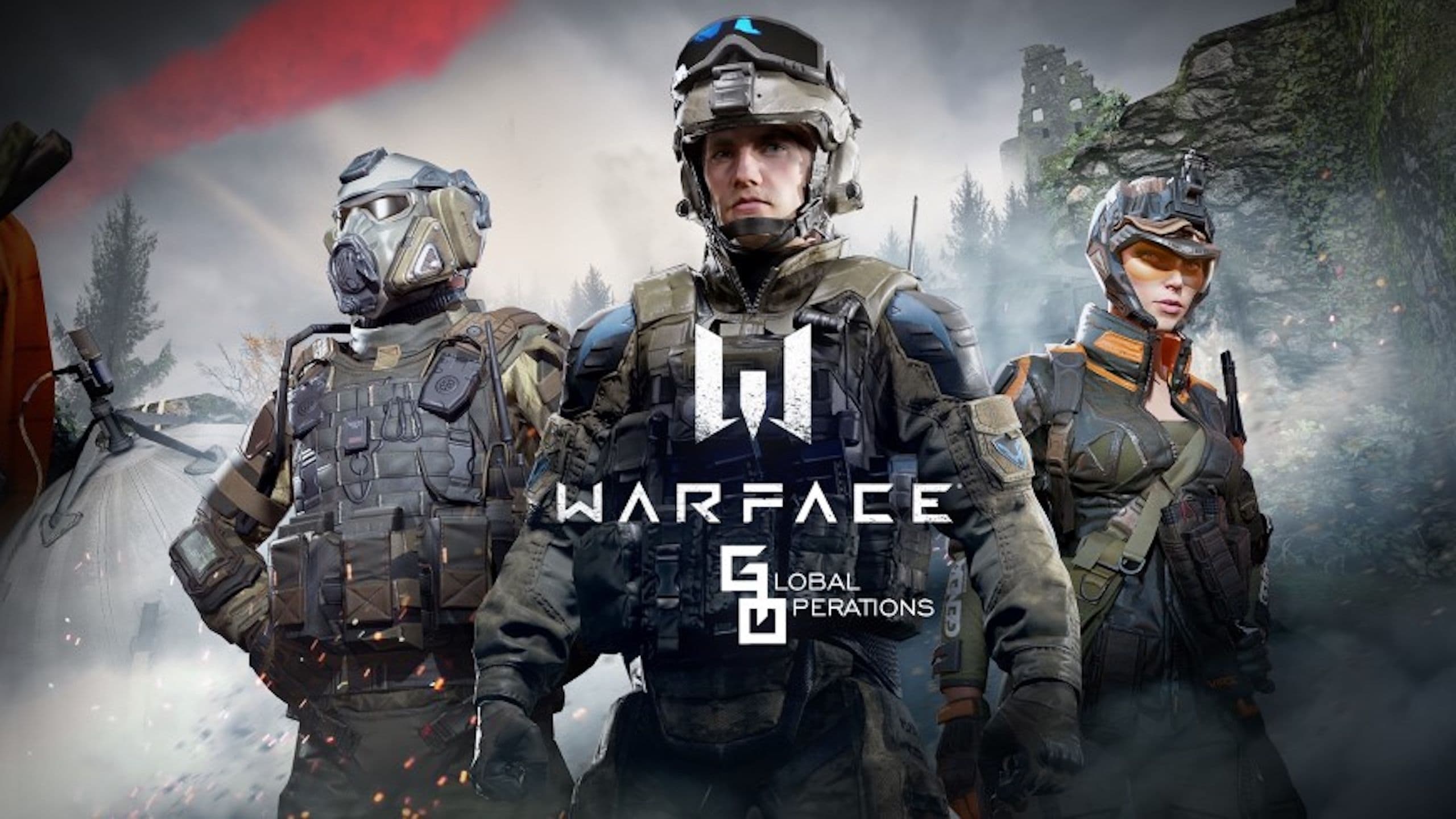
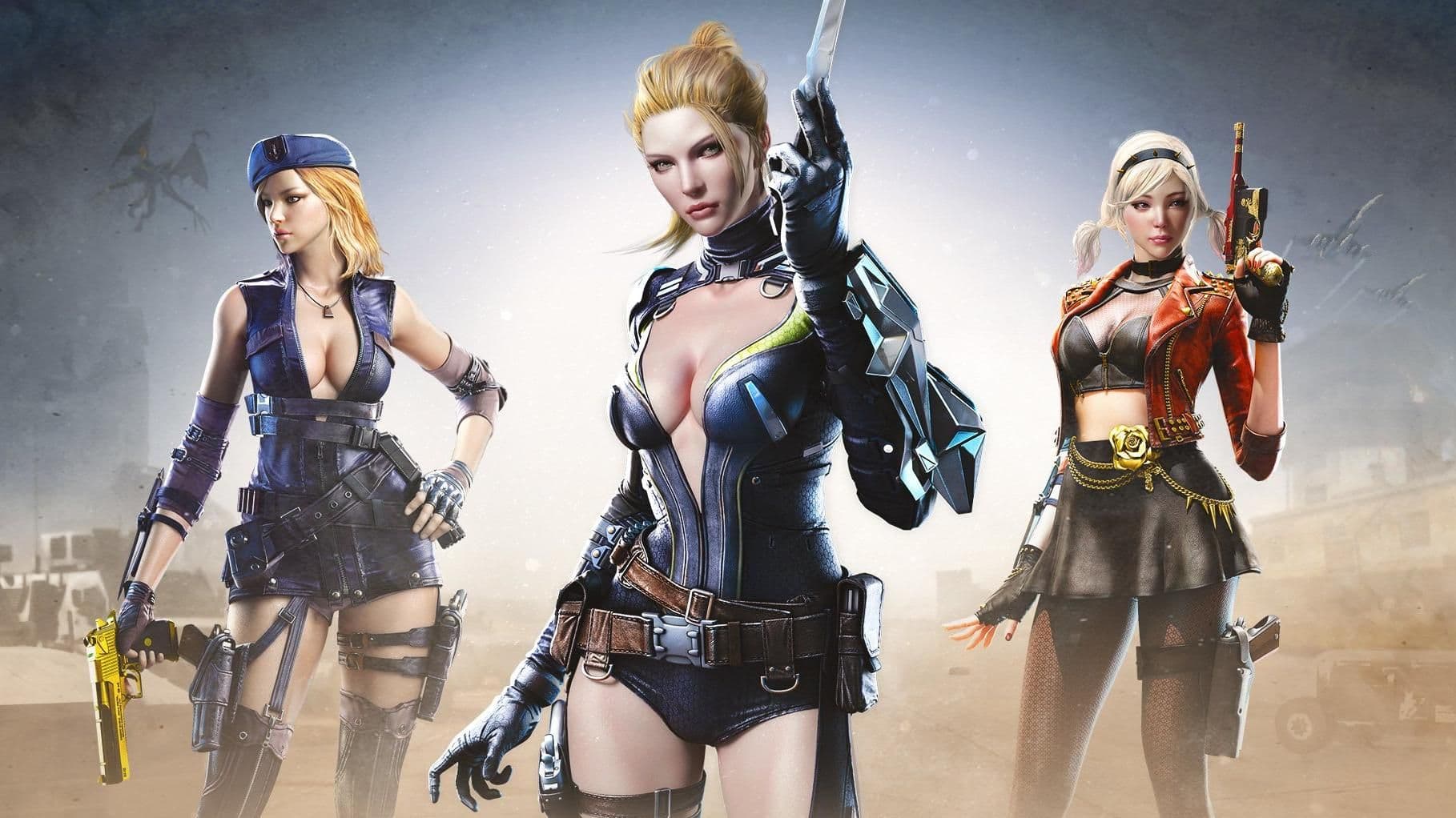
Launched in 2013 on Crytek's CryEngine, Warface is a free-to-play tactical shooter built around four classes, cooperative special operations, and competitive PvP matches. Squad up as a Rifleman, Snipe...
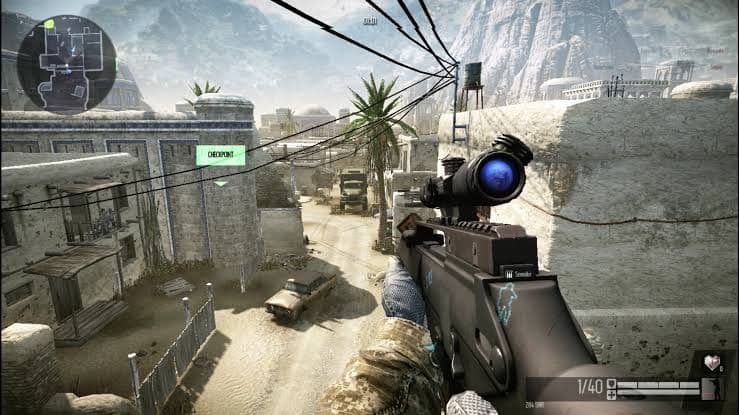
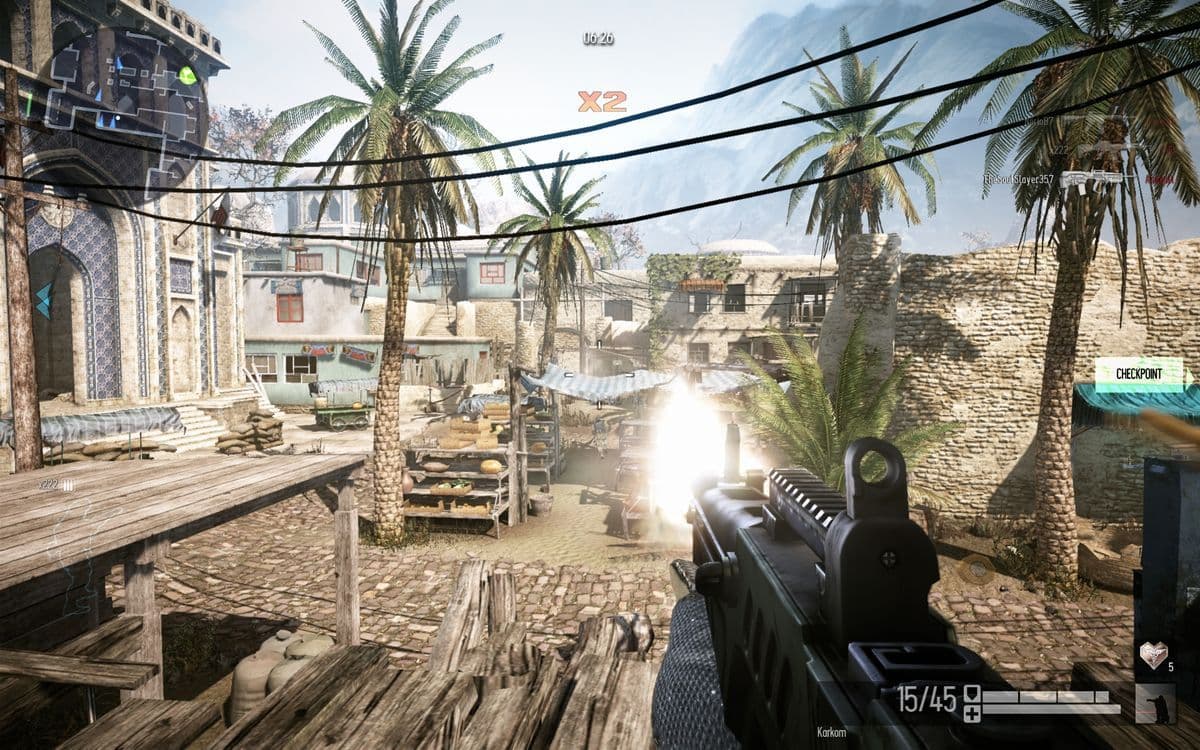
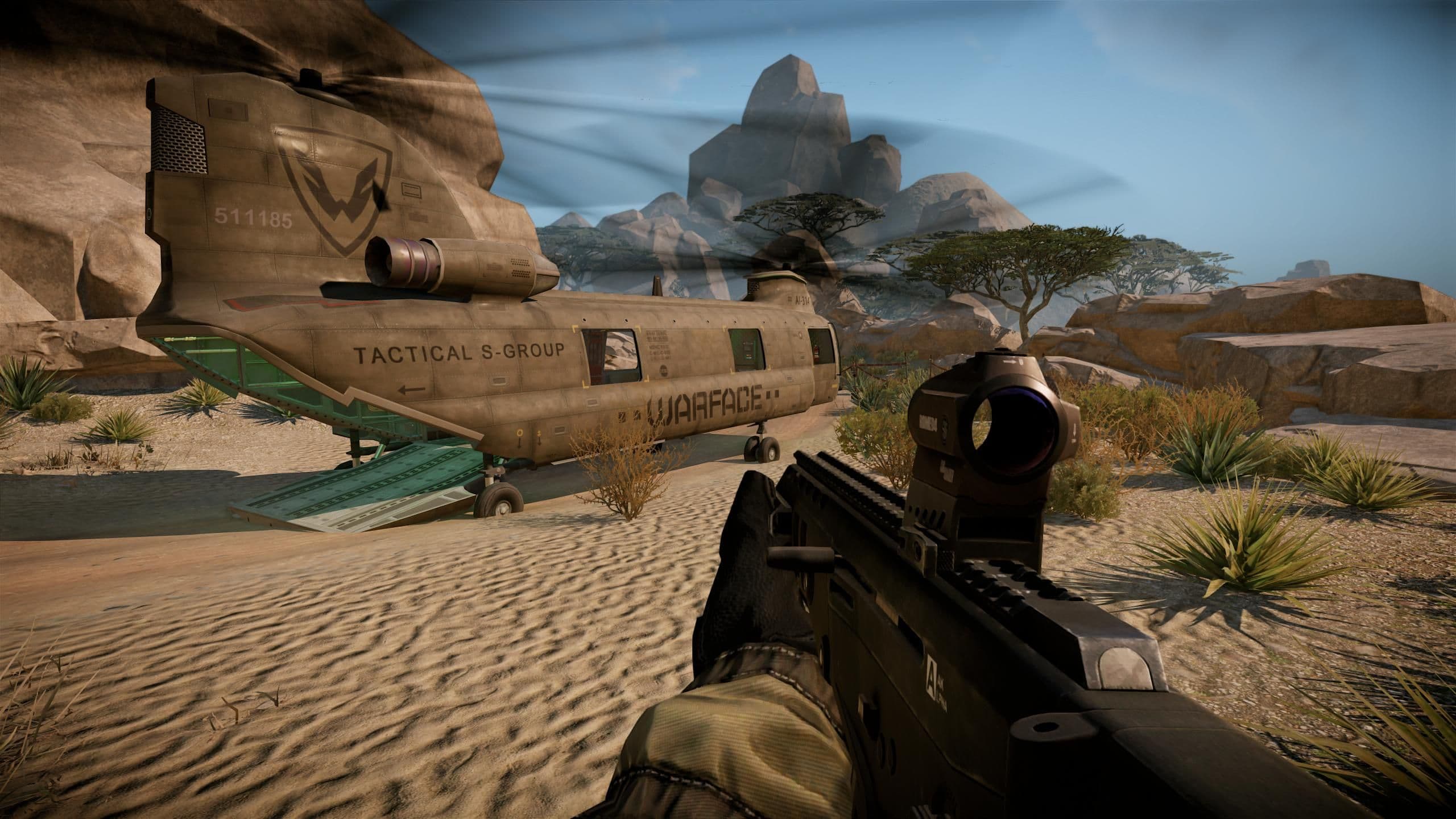
Warface is a free-to-play tactical shooter originally built by Crytek's Kiev, Seoul, and Frankfurt studios on CryEngine, with the Russian-language version launching on October 21, 2013. The game runs on a simple four-class setup — Rifleman, Sniper, Medic, Engineer — paired with cooperative PvE special operations and a rotating set of competitive PvP modes. By 2026 the project has split cleanly in two: the Russian-language build lives on under publisher Astrum Entertainment, while the international version, relaunched by MY.GAMES as Warface: Clutch, is shutting down on a published schedule.
Quick take: Warface's Russian-language version remains a genuinely active free-to-play shooter with regular esports and content updates, but the international build under the Clutch name is closing for good in 2026 — so which version you're asking about changes the answer completely.
The story framing in Warface exists to justify the maps, not to carry the game. A private military company called Blackwood squares off against the Warface special-forces alliance, and the two sides fight over flashpoints ranging from Arctic outposts to jungle ruins. Cutscenes tied to seasonal events occasionally flesh out a commander or an operation, but narrative depth was never the point over twelve years of live service — the setting explains why two squads are shooting at each other on a given map, and stops there. Nobody at the studio is pretending this rivals a scripted campaign, and the game is better off for not trying.
Warface was pitched as an alternative to the Call of Duty and Battlefield duopoly: a free shooter running on a serious engine for its time, built around classes instead of the usual perk system, with cooperative missions treated as a first-class mode rather than an afterthought. The visuals stood out early — in 2013, running CryEngine on a free-to-play shooter looked almost defiant next to competitors that trimmed fidelity to reach a wider audience.
Mail.Ru Group, later rebranded MY.GAMES, published the game for its first decade, while Trion Worlds handled the release outside the CIS. That single publisher shaped most of the game's history: console ports on PlayStation and Xbox followed, along with a steady drip of content and dozens of themed special operations — a frozen research station, an abandoned factory floor, a buried cult tomb.
The break came in 2022, when MY.GAMES announced it was leaving the Russian market. Local assets, Warface included, transferred to Astrum Entertainment, a publisher whose portfolio already includes Lost Ark and ArcheAge, while MY.GAMES kept the international audience under a rebranded product. From that point the two builds stopped sharing content and started running on separate roadmaps — two branches grown from one root, tended very differently ever since.
A brand-new player picks one of four classes before the first match even loads, and the differences are obvious within a single round rather than after hours of menu-diving. The Rifleman carries an assault rifle or a light machine gun and drops ammo boxes for teammates — the only class that can resupply the squad, which makes it the easiest first pick. The Sniper stays behind the group and picks off the most dangerous targets: machine gunners and rocket troopers in PvE, key players in PvP. The Medic revives downed teammates with a defibrillator and heals with syringes, while carrying a shotgun that turns deadly at close range. The Engineer plants anti-personnel mines, patches squad armor, and fights best at short-to-medium distance with a submachine gun. The Rifleman alone has close to a dozen weapon variants unlockable through ordinary progression, plus a handful of exclusive models tied to paid currency and PvE Crowns — enough spread to find a firing rhythm that fits a given player's reflexes.
None of this involves cooldown-heavy abilities or skill trees to memorize before a match makes sense. Combat runs on manual aim and positioning rather than scripted combos — land the shot or fall back to the spawn point, no third option. That plainness is exactly why the game still onboards new players well: the rules are readable from the first firefight, not the tenth. Weapon attachments follow the same logic — sights, grips, and muzzle devices attach through a straightforward slot system rather than a deep modification tree, so a new player can meaningfully customize a loadout within the first hour instead of hitting a wall of unfamiliar terminology.
Someone who played Warface back when Mail.Ru Group ran it will recognize almost everything about the moment-to-moment shooting — and almost nothing about the business behind it. The four classes have barely changed their roles since launch, which is either a sign of a design that got it right the first time or a sign of a studio that stopped experimenting, depending on who you ask on the forums. What has changed is the ownership behind it, covered in more detail below.
For a veteran, that split explains a lot of the current confusion around the game's identity. The Russian build still runs an annual esports series, Astrum League, complete with regional qualifiers and a LAN final where eight teams compete for a prize pool worth tens of millions of rubles. Summer 2026 brought a crossover event with Atomic Heart and a follow-up seasonal event called "Sea Predators." None of that activity exists on the international side, where the story is running in the opposite direction.
Yes, but only one version of it. The Russian-language build under Astrum Entertainment continues to receive seasonal events, crossovers, and its own esports calendar. The international version, rebranded Warface: Clutch under MY.GAMES, is being wound down: sales and in-game purchases stopped on February 26, 2026, PC servers go dark on May 27, 2026, and console servers on PlayStation, Xbox, and Nintendo Switch follow on August 25, 2026.
Cooperative missions are the reason a lot of players show up in the first place. Named special operations like "Eclipse," "Icebreaker," and "Anubis" run for squads of up to five and alternate firefights, scripted set pieces, and a boss encounter at the end. Difficulty scales from a tutorial-level "Training" mode all the way to "Pro," where one mistake can sink the whole squad — an unprotected sniper or a medic who ran out of syringes dies almost instantly at that tier, and enemies hit harder and more accurately than they do on the middle difficulties.
Solo runs with AI-controlled bots are possible, but they turn into an exercise in patience the moment the difficulty climbs: bot pathing gets stuck behind cover in situations a human teammate would clear in a heartbeat. "Pro" difficulty was clearly built around a live five-person squad, not a lone player propped up by allies. Successful runs pay out in-game currency and a shot at rare gear, and the developers themselves point to special operations, not standard PvP matches, as the fastest path to leveling a character. Missions like "Eclipse," "Icebreaker," and "Anubis" each build toward a distinct boss fight rather than recycling the same encounter with a new coat of paint.
The competitive side sticks to genre standards rather than reinventing anything: Team Deathmatch for straightforward kill counts, Capture Points for zone control, and Bomb — a plant-and-defuse mode familiar from tactical shooters two decades older. The bet here is on content density instead of mechanical novelty: dozens of maps at different scales and paces, a ranked ladder for players who want to measure their skill, and casual matches for anyone who just wants to shoot something after work.
Veteran players have complained for years about the gap between paid and free loadouts in ranked matches — premium weapons frequently fire more accurately and kill faster than their free counterparts, and that gap is felt hardest here rather than in cooperative play against bots. On the upside, the ranked queue stays populated enough to find a match at nearly any hour, at least on Russian-language servers, and the map roster spans everything from tight indoor firefights to wide outdoor engagements where sniper duels take over.
Weapons and gear aren't unlocked all at once — they're researched using Warbucks, the free in-game currency that accumulates from any activity. Kredits, the paid currency, speed up that process and unlock premium weapons and attachments that aren't available through ordinary progression at all. A third currency, Crowns, is earned exclusively from PvE and spent on gear built for cooperative play specifically. Layered on top of all three are loot cases containing weapons, cosmetic skins, and time-limited items, earned by clearing special operations, winning ranked matches, or purchased directly. Some of that loot trades on a built-in marketplace, where rare camouflage patterns and collectible weapon series carry real prices players argue about almost as much as the stats.
New players find this confusing for the first few hours — three currencies, dozens of weapon types, temporary weapon rental contracts that let you try a gun before committing resources to unlocking it outright. The system settles once it clicks that Warbucks accumulate on their own from ordinary play, while Kredits mainly buy speed rather than access to content that would otherwise be locked away.
The social layer runs through clans, which come with their own progression track, internal tournaments, and a visible role in the organized community around the game. Astrum League is built directly on top of that clan structure — a recurring tournament series with qualifying rounds and a LAN final that brings together the country's eight strongest teams, with prize money at the final stage running into the millions of rubles. For a shooter well into its second decade, a competitive scene of that scale is unusual, and it says more about the state of the game in 2026 than any online population figure would.
Warface is free to enter and earns money from paid currency, premium weapons, cosmetics, and loot cases. Progress without spending is genuinely achievable — the full weapon roster can technically be unlocked with Warbucks alone, just more slowly. But in competitive PvP, the gap between a fully kitted paying player and a free one is visible within the first minute of a match. The model sits closer to "pay for speed and convenience" than to outright pay-to-win in the sense of direct combat advantages sold for cash, though where exactly that line falls is something each player ends up drawing for themselves.
Would you actually open a twelve-year-old shooter that just watched its own publisher split into two companies with two different fates? If you're after a deep story campaign or a technical showcase, the answer is a clear no — Warface stopped competing on either front a long time ago, and pretending otherwise would be dishonest. But if what you want is a free tactical shooter with readable classes, no long onboarding curve, regular cooperative content, and a genuinely active community that still runs tournaments with real prize money, the Russian-language build answers that request more convincingly than a shooter this old has any right to. Just be clear on which version you're downloading — the Astrum Entertainment build is the one that's still alive, not the international Warface: Clutch running out its final weeks.
Is Warface free to play? Yes. The core game and its full weapon roster are unlockable through normal play, with paid currency mainly speeding up progress rather than gating content outright.
Does Warface have PvP? Yes — Team Deathmatch, Capture Points, and Bomb modes across dozens of maps, plus a ranked ladder for competitive play.
Is the international version of Warface still available? No, not for long. Warface: Clutch is shutting down on a published schedule — PC servers close May 27, 2026, and console servers close August 25, 2026.
Is Warface worth playing in 2026? The Russian-language build under Astrum Entertainment is genuinely active, with regular events and an esports scene, though the international version is not a realistic option going forward.
Is Warface: Clutch the same game as the Russian-language Warface? They share the original CryEngine codebase and class system, but the two have run independently since 2022 under separate publishers, with different content, currencies, and — as of 2026 — very different futures.