 F2P · Live
Lineage 2
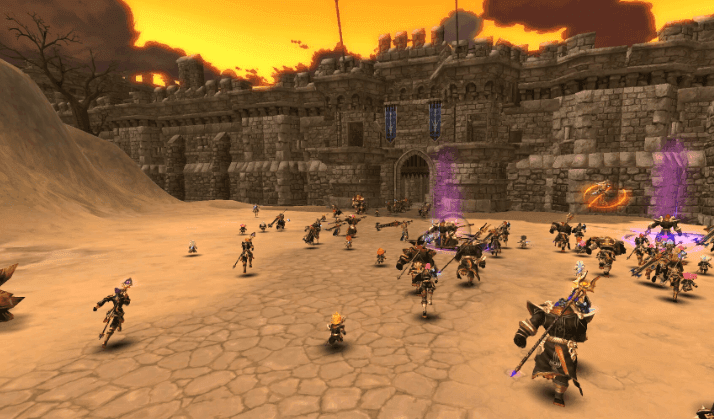
Aden's castles never stay in the same hands for long, and Lineage II has built an entire twenty-three-year…
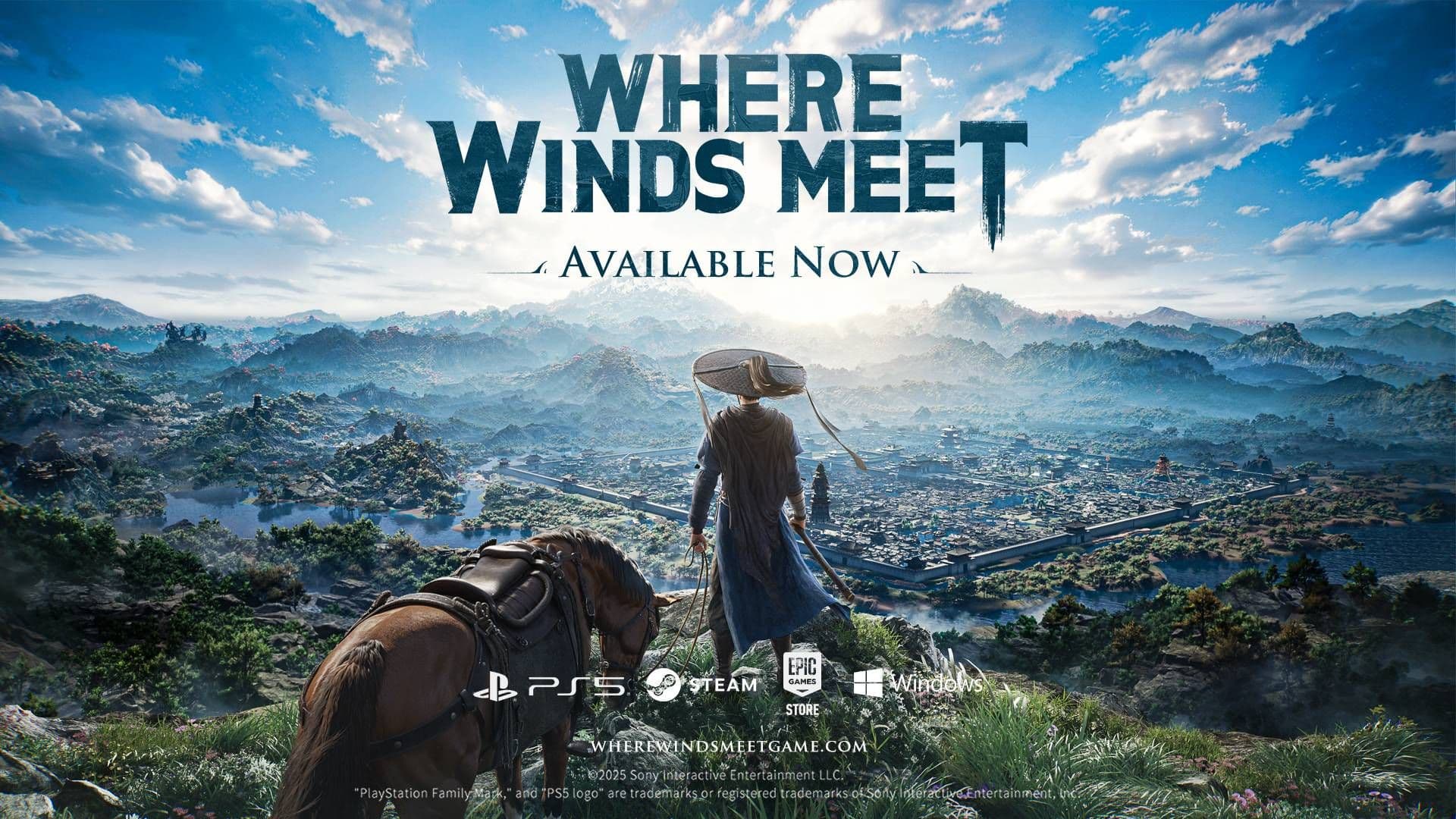
Pick a weapon, join a sect or steal your skills the hard way, and Where Winds Meet drops you into tenth-century China's jianghu as a wandering martial artist choosing between honor and profit. Eversto...
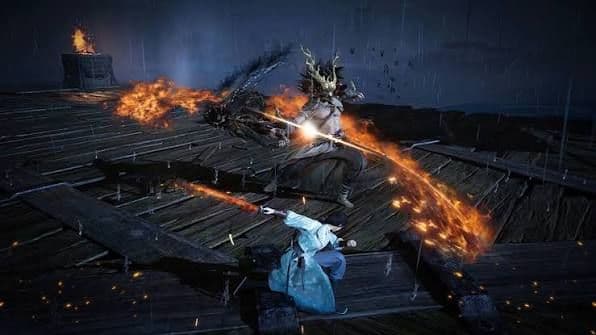
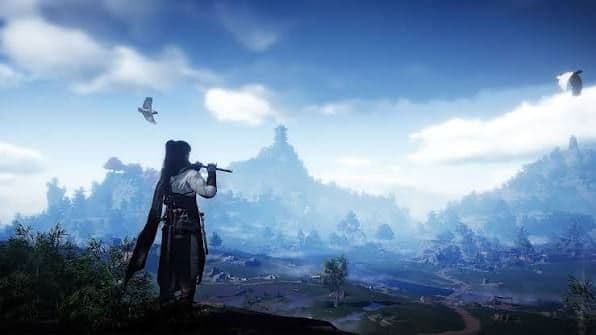
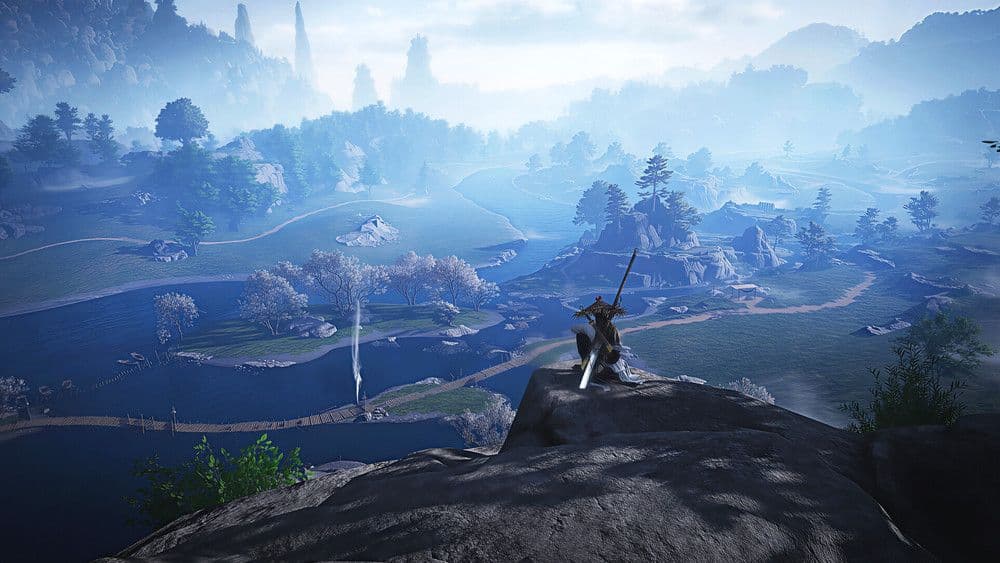
Where Winds Meet is an open-world wuxia action RPG from Chinese developer Everstone Studio, published by NetEase Games and built on the studio's own Messiah Engine. It launched in China in December 2024, then arrived globally on PC and PlayStation 5 on November 14, 2025, with Android and iOS versions following a month later. Nearly a year on, the game is still very much alive: Steam shows roughly 15,000-17,000 concurrent players on a typical day, a 24-hour peak around 20,000, and an 87% positive rating across more than 113,000 reviews.
The setting is the Five Dynasties and Ten Kingdoms period, a genuinely unusual choice for the genre — tenth-century China during a stretch when dynasties rose and fell within a generation and real authority sat with whichever warlord could hold a province. Large-scale wuxia MMOs have mostly stayed confined to the Chinese market; the genre's best-known Western export, Age of Wushu, ran on a fraction of this budget and never matched this scope. Where Winds Meet is the first attempt at treating wuxia as a full-scale global tentpole release rather than a niche import.
Players step into the jianghu, the lawless world of wandering swordsmen, secret sects, and merchants that exists outside imperial control, and the game leans hard into wuxia's honor-code storytelling: help the weak and build a reputation as a righteous hero, or exploit them and rack up bounties instead. Where Winds Meet treats that choice as more than flavor text — standing with different factions changes who'll trade with a character and which story branches even open up.
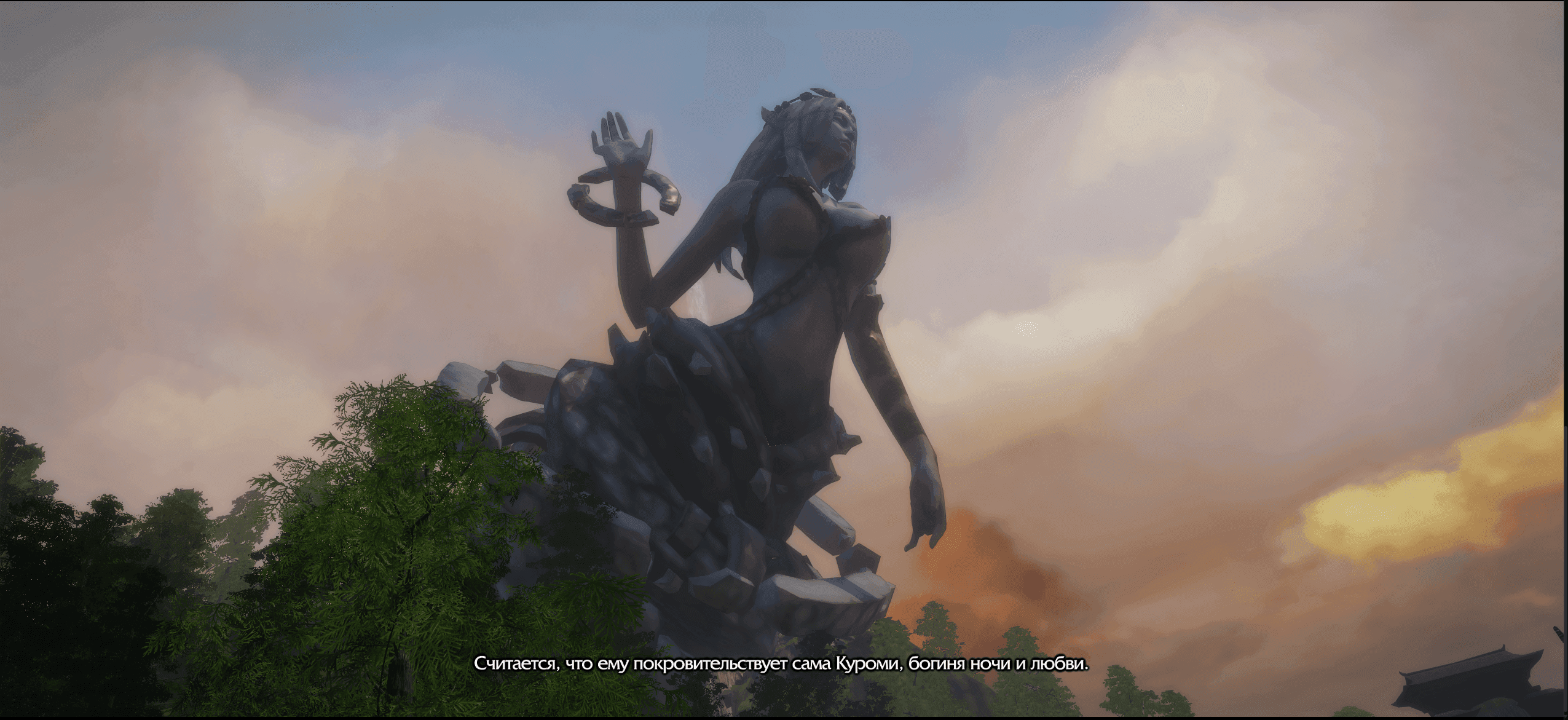
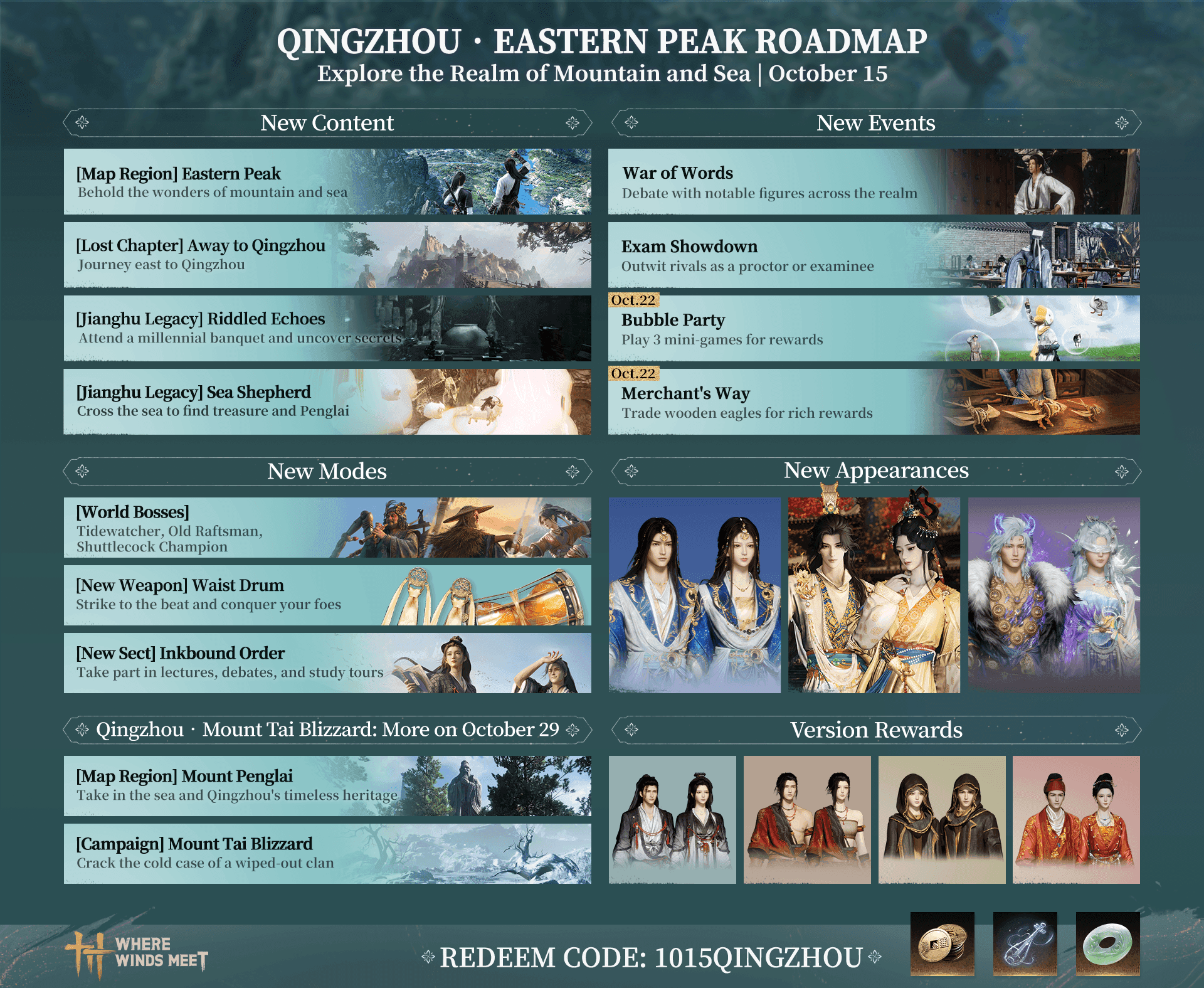
The map itself spans more than twenty distinct regions, from the imperial capital to snow-bound northern outposts added in later patches, and full facial animation and voice acting carry the cutscenes — mostly in Chinese and English, which is part of why the game can feel like a genuine AAA production one scene and a rough fan translation the next.
The opening hours read less like an MMO and more like a single-player wuxia adventure. A new character steps out from under a guardian's watch into a densely populated capital where NPCs keep actual schedules, quests play out as staged dialogue scenes rather than map markers, and the camera doesn't rush anyone toward the next objective. Two starting fighting styles — Nameless Sword and Nameless Spear — are enough to learn the basics: light and heavy attacks, a dodge, a block, and a color-coded telegraph system where red attacks can be parried for an opening and gold attacks can't be blocked at all, only dodged.
Traversal gets just as much attention as combat: a grappling hook shows up early for rooftop-to-rooftop rushes, and a glider handles the long drops off cliffs, turning the capital into something closer to a parkour playground than a simple hub to walk through. Day-night cycles and weather aren't cosmetic either — some NPCs only appear after dark, and a handful of quests are locked to a specific time of day.
Every weapon and fighting style in the game belongs to one system, and it's worth naming up front because nearly everything else builds on it: instead of classes, Where Winds Meet hands players seven weapon types — sword, spear, dual blades, fan, umbrella, mo blade, and rope dart — each carrying two distinct martial arts, for fourteen total combat styles on the global build. Two can be equipped at once and swapped mid-fight through a dual-weapon skill, so a tank-leaning stone-type style can sit next to a support-leaning silk-type style on the same loadout, or a player can stack two aggressive bamboo-type styles and just lean into pressure. There are no traditional classes at all — identity here is whatever combination of styles a player has actually learned, and switching from tank to healer doesn't require a new character, just time spent leveling different gear.
Styles aren't handed out on a quest chain. The primary method is Skill Theft, a genuine stealth minigame: track down a master of the style in question, disguise yourself convincingly enough to get close — sometimes literally changing clothes — and steal the technique while trying not to get caught. The alternative is joining one of eleven sects, which discounts the styles that sect teaches and unlocks its own shop, cosmetics, and titles. Each sect enforces its own code — some ban attacking fellow members, others require a weekly quota of resources gathered in their name — and breaking it dings internal standing meters like virtue or karma that quietly shape which dialogue options and NPC reactions show up later.
Combat rewards pattern recognition over raw reflexes. Reading telegraphs, parrying red attacks for a counter window, and dodging gold attacks on time matters more against tougher enemies than button-mashing ever will, and the mid-game introduces wuxia-movie flourishes on top of straightforward swordplay — telekinetic pushes, a slow-motion dodge window, and precision strikes that briefly lock down an opponent. It's the kind of toolkit that martial-arts cinema usually chalks up to inner energy, and the game is happy to let players feel like the movie hero for a few seconds at a time.
Compact instanced dungeons show up not long after, built for one or two players rather than a full raid party, with tougher versions of familiar enemies and a unique boss at the end. That's a deliberate design lane: Everstone clearly wants solo or duo players clearing this content without needing a guild, saving the large group events for the endgame proper. Difficulty on the harder settings leans on the same fundamentals as the boss fights — reading a telegraph and reacting on time — so these early dungeons double as a check on whether the basics have actually sunk in.
Crafting runs on resources gathered in the open world — herbs, ore, animal hides, timber — turned into gear and upgrades at workbenches in a player's own camp or a guild hall. The trade side is the more unusual piece: there's no centralized auction house on the global server the way China's version has, and the community regularly asks NetEase to add one back. In its place sits the Trade Commission, a straightforward buy-low-sell-high loop — stock up on goods in one city, haul them to another where prices run higher, and pocket the difference — plus a separate option to hand consumables like potions straight to NPC factions for coin. It functions more like a traveling-merchant sim bolted onto an action RPG than a real marketplace, but the price swings between regions are real enough that knowing where to sell becomes its own small skill.
Guild creation unlocks at level 20 for 300 Echo Jade Coins, and a player picks from three lines — Bladesworn Gang for PvP and guild warfare, Farshore Hall for cooperative content, or Changle Pavilion for social play like banquets and minigames. A guild base supports 60 members and functions as a real hub rather than a lobby: a dueling arena, crafting stations, a shop that runs on guild currency, and a commander's post, with specific upgrades speeding up treasury growth or unlocking access to rarer instructors.
A guild-exclusive dungeon opens weekly, and scheduled world-boss events — the Drunken Martial Artist and the Coffin Master are two recurring examples — draw either the whole guild or whoever's nearby in the open world. Leaving a guild carries a six-hour lockout before joining another, a deliberate friction point aimed at guild-hopping right before a war rather than at casual members.
The headline PvP mode is a 30-versus-30 Guild War fought across three lanes: teams tear down towers, defend a giant guardian goose, and escort a "lucky tree," with a handful of players pulled aside for personal 1-on-1 duels mid-match. Open-world duels and a battle-royale-style PvPvE mode round out the rest, though there's no free-for-all open PvP — nearly all conflict happens inside flagged, structured modes rather than a random ambush while gathering herbs, which keeps the chaos level well below what a fully open-world PvP sandbox would allow.
Away from combat, the game runs a genuinely deep life-sim layer: fishing, cooking, calligraphy, and a set of "jianghu identities" — doctor, architect, bodyguard, musician, and several others — each with its own open-world activity chain and NPC clientele. On top of that sits a run of purely social minigames that never involve a weapon: banquet trivia, group games at the guild hall, and other party activities that lean closer to a life sim than a martial-arts MMO — a real outlet for players who just want a break from the grind.
Base building sits alongside it, letting a small hut grow into a working estate with hired NPCs, automated gathering, and its own micro-economy; production buildings like an ink workshop or a pottery studio each need their own resource chain, which is roughly why the game nudges building toward friends and guildmates rather than solo perfectionists. Around level 40, the Arsenal system opens up and lets old gear get broken down into permanent stat bonuses instead of simply being sold, which finally makes retiring outdated equipment feel like progression rather than loss.
No, not in any meaningful sense. Combat progression, gear, and story content are entirely free, and NetEase has repeatedly stated on the record that it won't sell power. Money buys appearance: outfits, mounts, and weapon visual effects through gacha banners paid for with a premium currency that can only be bought, never earned; a battle pass with free and paid tracks running roughly $10-$20 a season; and a monthly pass around $5 that modestly speeds up the regeneration of the stamina resource gating daily combat rewards.
The one system that edges toward a gray area is buying skill manuals with a semi-premium currency that's earnable in-game — it shortens the time to unlock and level up styles, but the advantage is measured in days saved, not a power ceiling that free players can never reach. Plenty of players still eye the sheer number of overlapping currencies with suspicion, even when the actual math backs up NetEase's claim. To date there's no public example of that promise slipping, which counts for something in a genre where "we'll never sell power" launch-day statements have a spotty track record.
Reviewers took an unusually long time settling on a verdict for this one, and several outlets said so directly — the game changes fast enough that scoring it at launch felt premature. What's emerged since is a fairly consistent split. The world, the wuxia atmosphere, and the boss fights land: parrying a red attack into a clean counter still feels great a hundred hours in, and Everstone has kept shipping new regions, weapons, and bosses at a pace few free-to-play launches manage. Fatigue sets in elsewhere — the number of overlapping currencies, meters, and menus has only grown since launch, open-world skirmishes start blurring together past a certain point, and cooperative content takes a real story investment to unlock, which frustrates players who came in specifically to play with friends from hour one.
Technical rough edges linger too. A year on, players and critics alike still report characters clipping through geometry, the occasional dropped audio line during story beats, and controller bindings that lock up until the game restarts — nothing close to a dealbreaker for solo play, but combined with the menu sprawl it adds up to a game that ships content faster than it polishes it. Localization has drawn its own share of complaints on the English build, with menu labels that read as direct translations and dialogue that occasionally explains a character's motivation like a summary read aloud rather than something a person would actually say.
Critics have split roughly along the same lines: some outlets call it one of the most generous free-to-play releases on the market, others argue that trying to be a martial-arts epic, a social sandbox, and a mystical adventure all at once means none of those ambitions gets fully realized. User scores on Metacritic sit closer to seven out of ten, noticeably below the enthusiasm on Steam, where the binary thumbs-up-or-down format tends to flatten mixed feelings into a simple recommendation.
Where Winds Meet is one of the few free-to-play releases in years that doesn't feel like it's apologizing for being free. The combat system alone — fourteen styles, real parry timing, zero cash shop involvement in any of it — would carry a full-price release, and wrapping it in a wuxia setting this specific is a genuine rarity in a genre that keeps recycling the same handful of fantasy templates. The friction is real, too: a trading system built around regional arbitrage instead of an auction house, a currency list that keeps growing, and a technical polish level that still hasn't fully caught up with the game's ambitions.
None of that is disqualifying on its own. Stacked together, it's the difference between a game that's merely good and one that would be genuinely great with another six months in the oven — and NetEase, to its credit, keeps giving it exactly that, one update at a time. A game this ambitious was never going to launch finished; the question worth asking isn't whether it's polished yet, but whether the direction of travel over the past year has earned some patience.
Is Where Winds Meet free to play? Yes. The story campaign, combat progression, and gear are entirely free; paid content is limited to cosmetics, a battle pass, and a monthly pass.
Is Where Winds Meet pay-to-win? No. NetEase has publicly committed to never selling combat power, and the only monetized shortcut — skill manuals bought with an earnable currency — saves time rather than raising a power ceiling.
Does Where Winds Meet have PvP? Yes, mainly through 30-versus-30 Guild Wars, open-world 1-on-1 duels, and a PvPvE battle-royale-style mode; there's no unrestricted open-world PvP.
Is Where Winds Meet worth playing in 2026? For story-focused and solo players, yes without much hesitation. For players chasing a tight, low-friction MMO economy, the missing auction house and the system sprawl are worth weighing first.