 F2P · Live
Lineage 2
Aden's castles never stay in the same hands for long, and Lineage II has built an entire twenty-three-year…
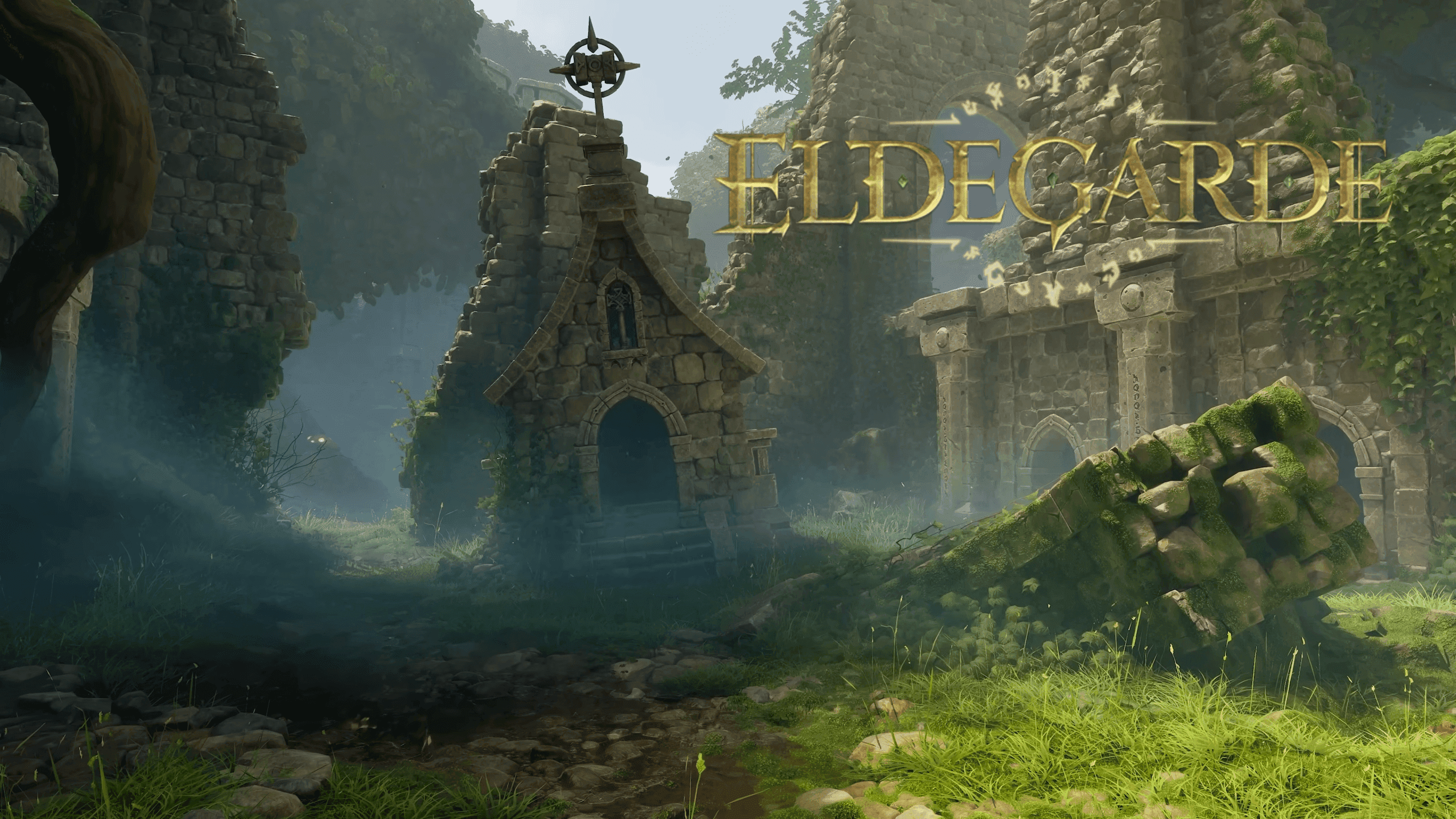
Eldegarde spent a year as Legacy: Steel & Sorcery, rebranded into a mini-MMO, and shut down ten weeks after its 1.0 launch. A look back at what a team of Warcraft veterans actually built — the ext...
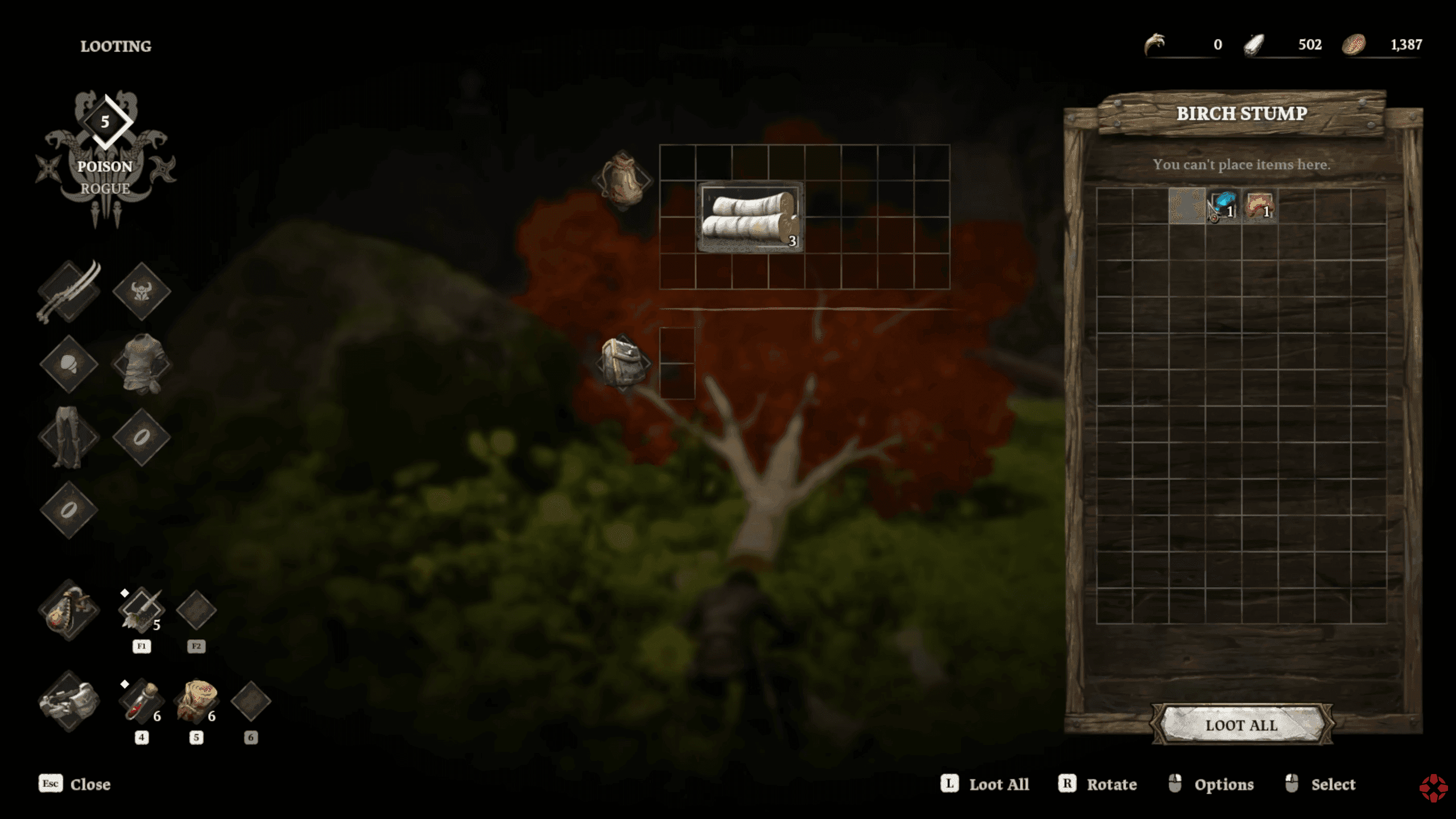
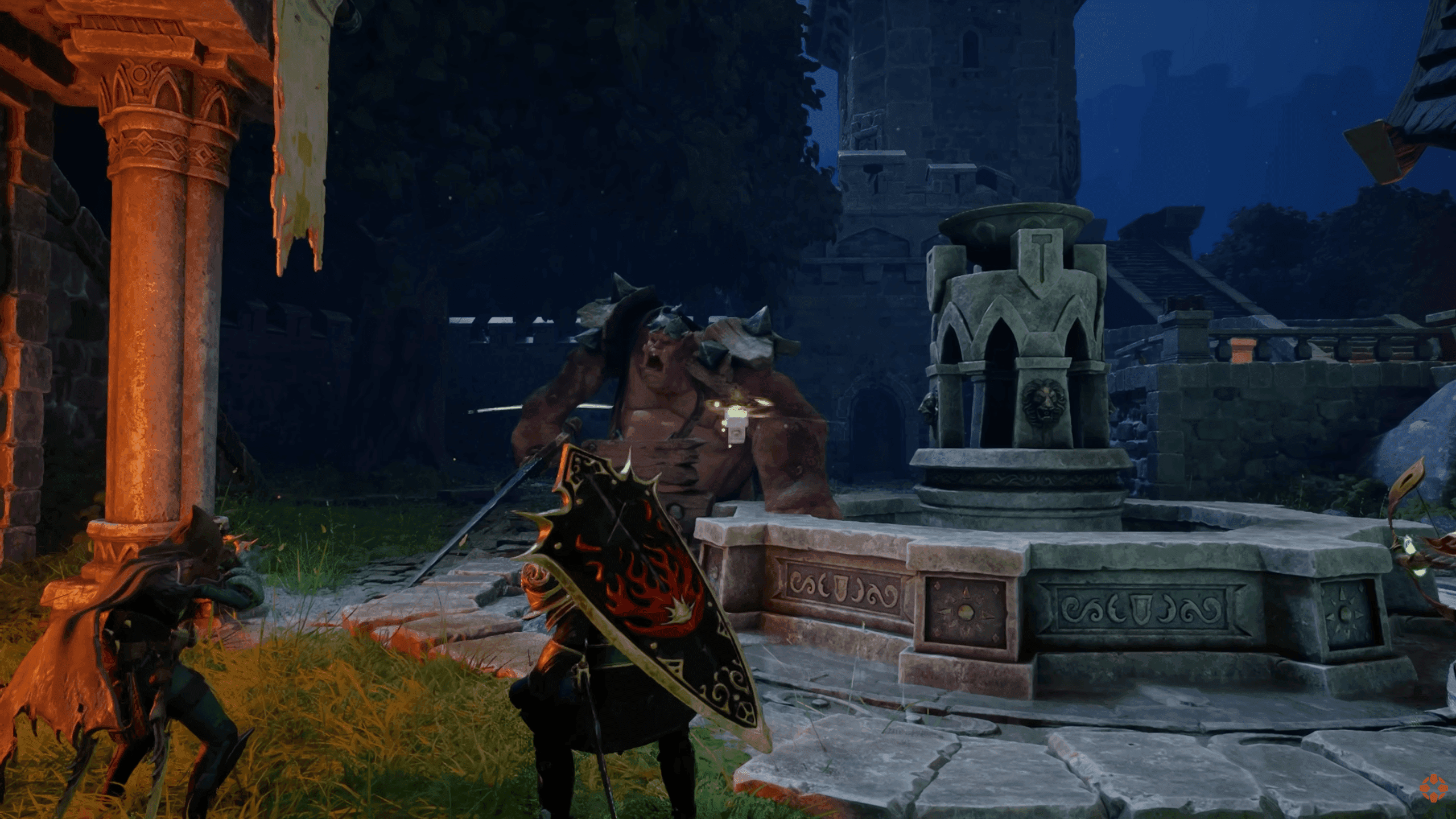
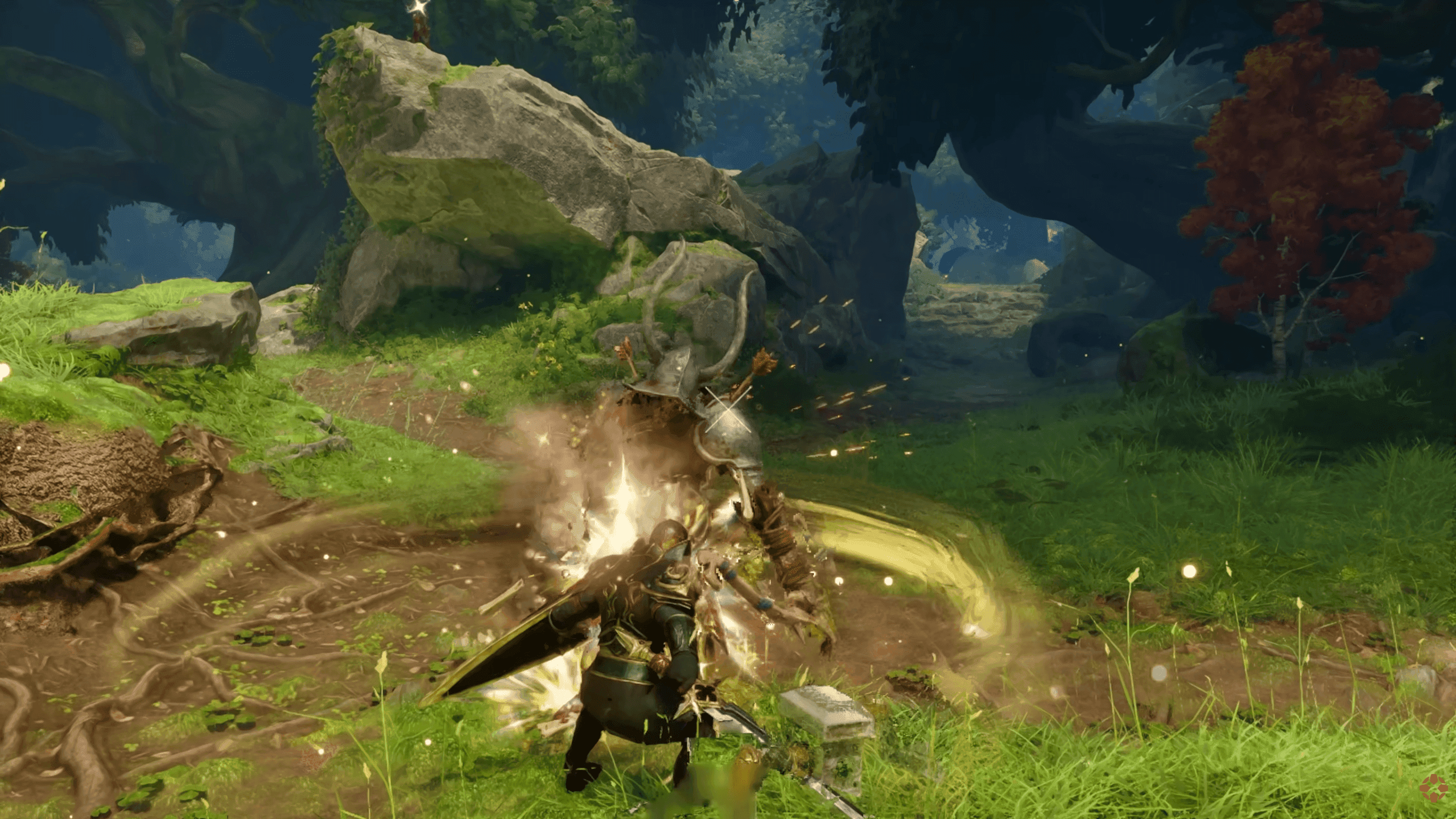
Eldegarde was a fantasy extraction RPG developed and self-published by Notorious Studios, a small California team founded in 2022 by former World of Warcraft designers Chris Kaleiki and Douglas Frazer. It spent eleven months in Steam Early Access under the name Legacy: Steel & Sorcery, relaunched as Eldegarde on January 21, 2026, and went offline for good on March 31 of the same year. What follows is an account of what the game was, and what went wrong with it.
Eldegarde shut down because it never sold enough copies to keep an independent studio funded, and Notorious said so plainly. Founder and CEO Chris Kaleiki announced the sunset in the game's Discord and posted a longer statement on Steam, writing that the studio was proud of what it had built but that the game hadn't drawn the traction needed to sustain the company. The game was delisted immediately and the servers ran for another few weeks, giving the remaining players ten weeks between the 1.0 launch and the shutdown notice.
The numbers behind that decision are unusually easy to read. Early Access opened strong: the game peaked at around 3,698 concurrent players and held roughly 70% positive across nearly 3,900 reviews, though sources place that high-water mark at slightly different points in 2025, so treat the exact figure as approximate rather than precise. By December 2025 the concurrent count had dropped to double digits, then recovered past a thousand on the strength of the rebrand. The 1.0 relaunch peaked at 1,140 players on January 25, 2026. For a paid multiplayer game with three separate matchmaking pools, that is not a recoverable position.
Kaleiki framed the closure in industry terms as well as financial ones, arguing that some games take years to find their audience and that the current market rarely allows for that patience. It's a fair point, and also a slightly incomplete one — Eldegarde had a year of Early Access, a high-profile launch, and OTK investment behind it. The runway existed. What it did with that runway is the more interesting question.
The setting was competent high fantasy with visible Warcraft DNA, and that was both its strongest sales hook and its identity problem. Eldegarde took place in Mithrigarde, a kingdom smothered by a mysterious fog, its wealth scattered across ruins that only armed adventurers could reach. Goblins, ogres, skeletons, wolves, and hostile knights filled out the bestiary. The art direction leaned stylized and warm rather than grimy and desaturated, which set it apart from a genre otherwise dominated by military-realistic browns.
Stonehaven served as the hub — a walled city where you sold loot, rebuilt your kit, cooked meals, and organized a stash between runs. The between-runs layer was where the game felt least like an extraction shooter and most like an MMO's capital city, and multiple reviewers singled it out as the part that gave the loop a reason to continue. The comparison writers kept reaching for was some blend of World of Warcraft and ARC Raiders, which tells you the pitch landed even when the execution didn't.
Not everyone was convinced by the visual rebrand that came with 1.0. Players on the Steam forums complained that the new Eldegarde branding traded distinctive artwork for something more generic, and that the name change knocked the game off wishlists and out of search results built up over a year. A rebrand is meant to solve a discovery problem; this one arguably created a second.
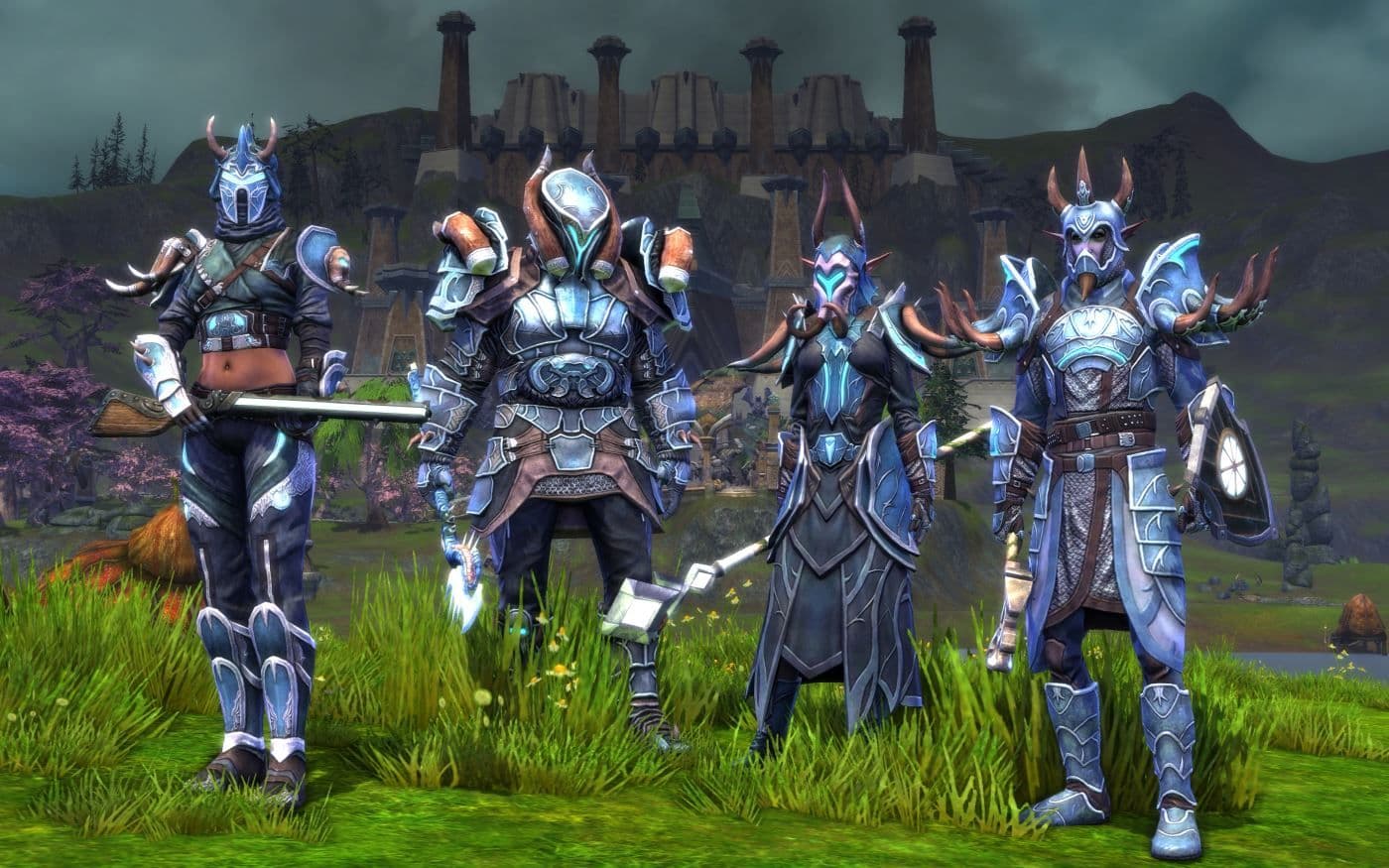
You began by picking one of six fixed classes, and that choice was permanent in a way most modern RPGs avoid. Warrior, Rogue, Hunter, Priest, Wizard, and Paladin each shipped with their own character model, armor sets, weapons, and skill list — no creator, no build-your-own-face, just a role you stepped into. Four of those classes existed at Early Access launch; Paladin and Wizard arrived over the following year.
The onboarding path ran through PvE Expeditions starting at Goldbrook Farmstead, where the early campaign pointed you at Mor'thog the Cruel and taught the fundamentals against monsters that wouldn't ambush you with a stun-lock. From there the world opened into five zones holding up to 32 distinct creature encounters, with a party cap of three players — you, and up to two friends. That small squad size shaped everything: the game was tuned around trios, and solo runs were noticeably harsher.
The loop itself was straightforward and unforgiving. You loaded in with the gear and potions you were willing to lose, fought your way to whatever the map was hiding, and made it back to an extraction point before something killed you. Death cost you everything you carried in, and in the PvP-enabled modes another player could walk away with it. Levels, campaign progress, and stash contents survived; the kit on your body did not.
Mostly, yes — with a stiffness that a lot of players never got past. Eldegarde ran without a target lock or auto-attack, asking you to aim manually, block, dodge, sprint, and cast against a stamina budget. Kaleiki's team built the system for PvP first and tuned the PvE around it, which is the reverse of how most fantasy MMOs are assembled and explains why fights against ordinary mobs carried more weight than the genre norm.
The class abilities extended into traversal, which was the most inventive thing in the game. Warriors charged through walls and hurled boulders. Priests levitated over hazards and out of bad positions. Each class had its own way of treating the terrain as a tool rather than scenery, and it meant a chase through the woods played differently depending on who was chasing whom.
Where it lost people was the animation commitment. You couldn't move freely while attacking — the design locked you in place for the swing, with a short dodge as the only escape — and long-time action-game players read that as clunkiness rather than deliberate weight. Reviewers at 1.0 flagged stiff animations and a cluttered UI in the same breath. Class balance drew steady complaints too, with Rogues singled out through much of Early Access for stealth-and-stun sequences that ended fights before they started. None of this made the combat bad. It made it a system you had to accept on its own terms, which is a hard sell for a game trying to widen its audience.
Crafting and player housing carried more of the progression than the extraction runs did, which was unusual for the genre and quietly one of the game's better ideas. Five vendors in Stonehaven each ran their own reputation track; earning standing with them unlocked recipes, rare materials, and gear you couldn't reliably find in the field. If the loot gods refused to cooperate, you could build the item instead.
Your personal Lodge was the other half of that system. You expanded it with functional furnishings — a Forge to process ore, a Loom, a Tanner, a Transmutation Device, a Bed that generated rested experience while you were logged out, and a Critter Habitat where you housed Goldgrubs that spun golden thread for passive income. It was a small idle-game layer bolted onto a tense loot shooter, and the combination worked better than it sounds. Logging in to collect thread and smelt ore gave the game a daily rhythm that pure extraction titles usually lack.
Eldegarde's fatal structural decision was splitting a small population across three matchmaking pools. PvE Expeditions offered cooperative runs with no hostile players. PvPvE Extraction kept the original full-loot tension, where the spoils went to whoever survived. Arena provided fast instanced PvP with no gear at risk — pride only. Each mode was defensible on its own. Together, at a peak of 1,140 concurrent players spread across regions and time zones, they starved each other.
The content around those modes was more generous than the playercount suggests. Seventeen campaign questlines carried the lore and handed out meaningful rewards. A Quest Board rotated more than 110 daily and weekly objectives. Seasons layered on top of all of it, and seasonal resets wiped character progression so everyone restarted together — a design borrowed from ARPGs that assumes a population large enough to make a fresh start feel communal rather than lonely. The first season, Shadow's Reach, launched in May 2025.
By 1.0, the promised roadmap included a Witch class and an epic zone called Karth. Neither shipped.
Eldegarde was buy-to-play at $24.99 with cosmetic microtransactions and optional supporter packs, and nobody seriously argued it was pay-to-win. That's worth stating clearly, because the game's failure gets lumped in with live-service cash grabs and it doesn't belong there. There was no energy timer and no gacha, and nothing in the store made your character stronger. You bought the game and you owned it.
Notorious ran two free weekends during Early Access, in May and October 2025, both aimed at converting curiosity into purchases ahead of content updates. The wishlist numbers suggest the interest was real — estimates put the game near 170,000 wishlists — but wishlists are not sales, and a $24.99 price tag on an unproven multiplayer game asks a player to gamble on a population that might not be there next month.
The refund handling at shutdown produced the sourest note in the whole story. Players who had purchased within the previous two weeks were offered full refunds, forfeiting access, and the studio said it had arranged a process with Valve for longer-tenured owners. Months later, the Steam forums still carry posts from players who say those refunds never came through, alongside accusations of a rug pull. Whether or not that framing is fair to a studio that ran out of money, it's the last thing many owners will remember.
The pivot from Legacy: Steel & Sorcery to Eldegarde was a correct diagnosis delivered about eight months after the patient needed it. Kaleiki was candid about the reasoning: the game had begun as a hardcore PvPvE title, and the team learned over time that players wanted a PvE experience — something closer to a mini-MMO. So 1.0 brought a dedicated PvE mode, arenas, a social hub, a dungeon, and a name taken from the world itself rather than from the genre.
The trouble is when that lesson landed. The game had fallen to roughly 40 concurrent players by December 2025 before the rebrand was announced. Adding a PvE mode to a full-loot extraction game after the extraction audience has already left is a rescue operation, not a launch strategy, and it meant Eldegarde spent its single most valuable asset — the attention a 1.0 release buys — introducing itself for the second time under a name nobody recognized.
It also unsettled the players who had stayed. Steam forum posts from the period read like people watching a genre swap mid-flight, and the critical consensus at launch reflected the same confusion: promising ideas, a rougher execution, runs that started to blur, and a rebrand that muddied rather than clarified what the game was. Reviewers who liked it liked it with caveats about a lack of players — the review that becomes self-fulfilling for a multiplayer title.
A team of Warcraft veterans built a genuinely inventive fantasy extraction RPG and then spent its only year of public visibility arguing with itself about which genre it belonged to. The market gives a small studio one first impression; Eldegarde used its allotment twice, under two different names, and the second attempt was aimed at an audience that had already scrolled past.
The version of this story where Notorious ships the PvE mode in June 2025 instead of January 2026 is not obviously a failure. Neither is the version where the game launches at $14.99, or free-to-play with cosmetics, and treats the extraction crowd as a beachhead rather than the whole market. Instead there's a Steam page with sales switched off, a Discord full of goodbyes, and a volunteer effort to build an offline client that the studio itself described as challenging, possibly unachievable, and explicitly not a promise. Nothing has shipped in the four months since.
Eldegarde is worth remembering as a design document rather than a cautionary tale about ambition. The ideas were sound. The sequencing killed it.
No. The servers went offline permanently on March 31, 2026, and the game requires an online connection to function. It is also no longer purchasable on Steam.
Notorious Studios could not sustain itself financially on the game's sales. CEO Chris Kaleiki stated that Eldegarde had not gained enough traction to keep the studio running long-term, and cited broader instability in the games industry as a contributing factor.
It launched into Steam Early Access on February 12, 2025 as Legacy: Steel & Sorcery. The rename to Eldegarde — the name of the game's world — was announced on December 19, 2025, alongside the 1.0 release date.
A small group of former staff volunteered to convert the game into an offline or client-hosted version, but the studio was explicit that this was a difficult project, not a commitment, and might never happen. No build has appeared as of August 2026.
Notorious offered full refunds to anyone who bought the game in the two weeks before the shutdown announcement and said it had arranged a process with Valve for longer-term owners. Community reports on whether those requests were honored are mixed; affected owners should contact Steam Support directly.