 F2P · Live
Lineage 2
Aden's castles never stay in the same hands for long, and Lineage II has built an entire twenty-three-year…
Eternal Tombs is an upcoming sandbox MMORPG from Triune Studios, built on Unreal Engine 5 and set in the dark-fantasy world of Mithir. Its defining feature is the Tomb Master system: live staff who ru...
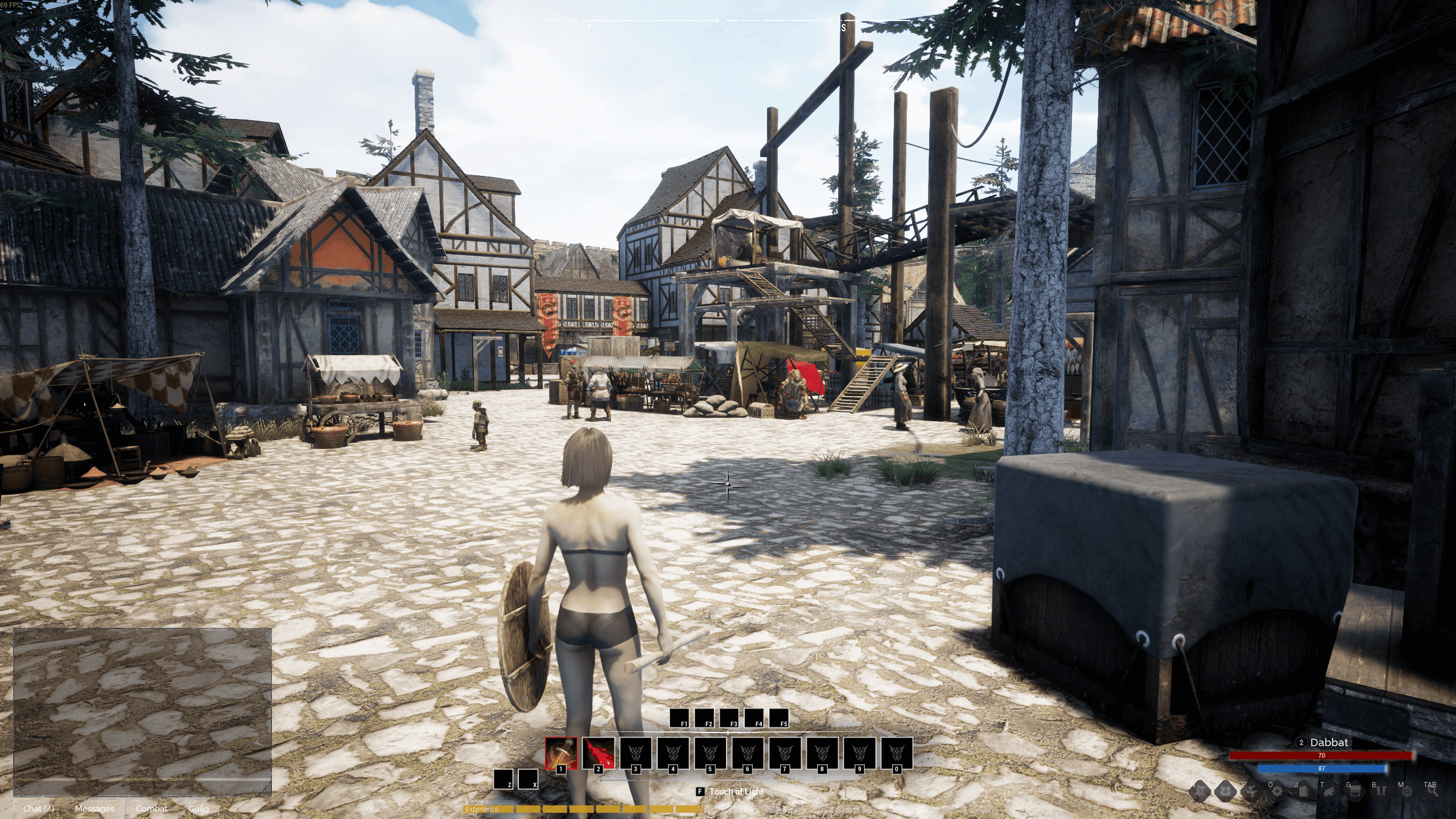
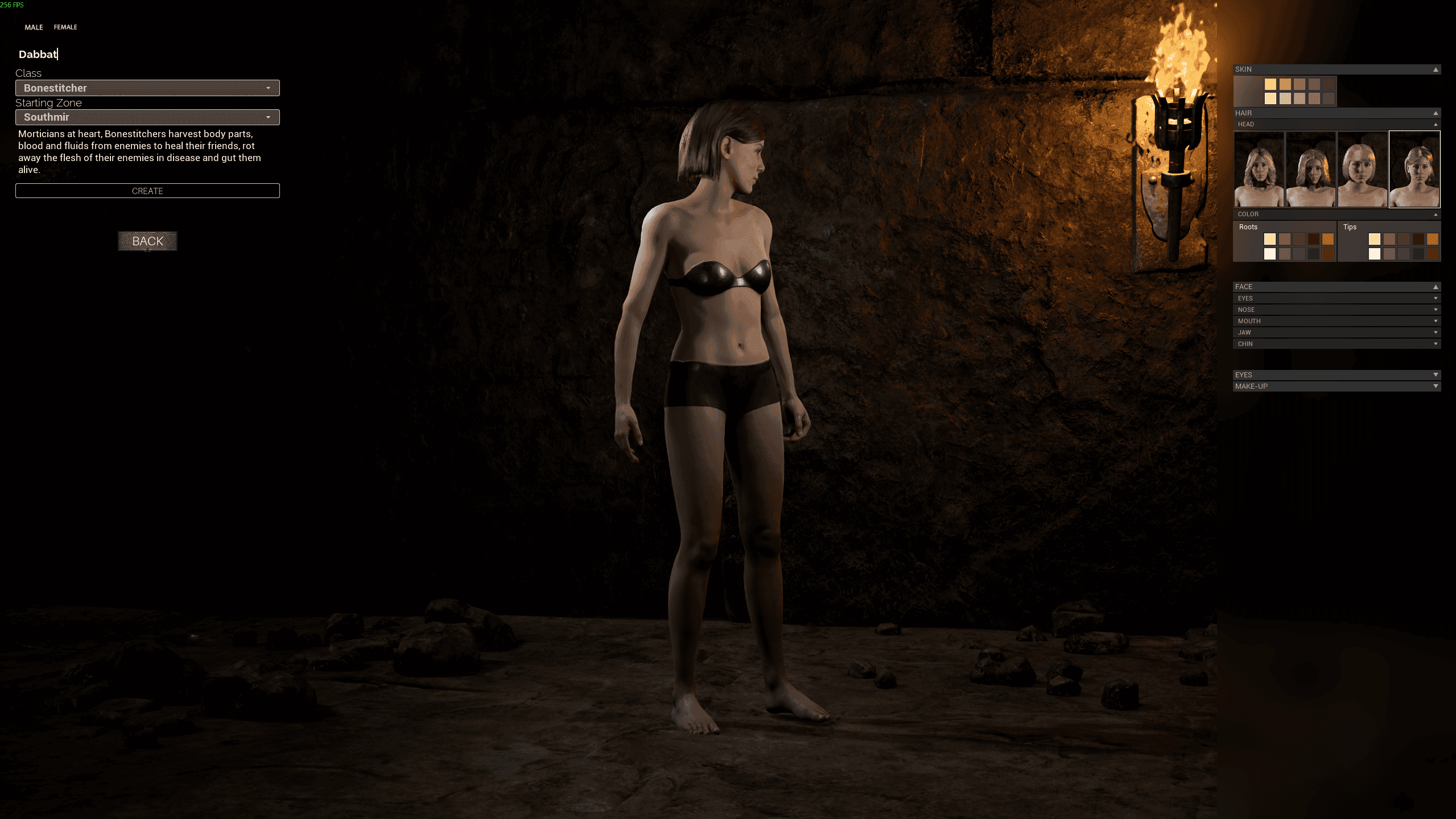
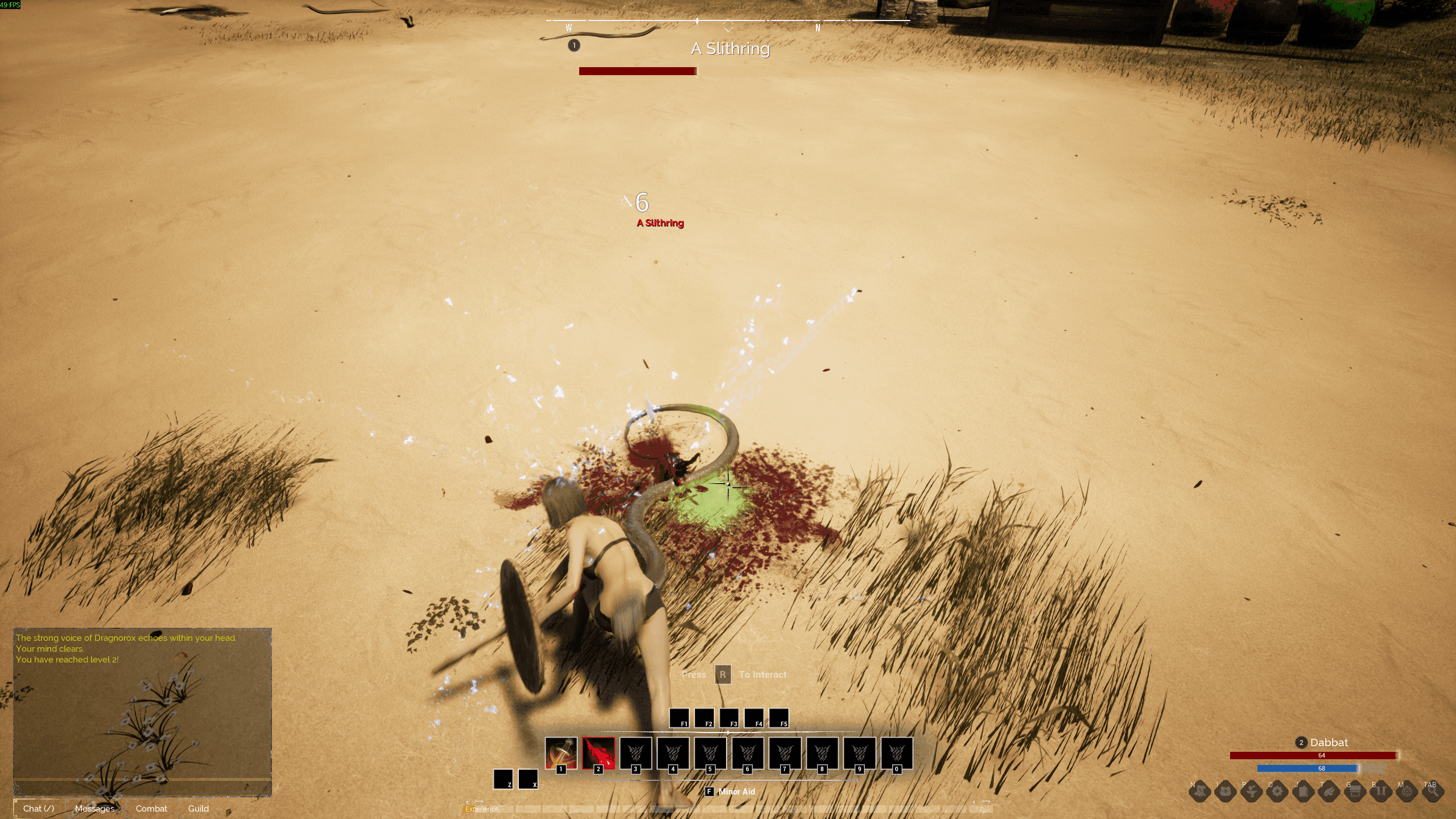
Eternal Tombs is a sandbox MMORPG from Triune Studios, a small independent team based in Bend, Oregon, currently in closed testing ahead of a planned early 2027 launch. Originally announced under the name War of Dragnorox, the game runs on Unreal Engine 5 and is built around a feature few current MMOs attempt: human staff members called Tomb Masters who run events, spawn bosses, and reshape the world in real time as players play. Seven years into development and following a major combat rework, Triune is aiming for a full release rather than an Early Access launch.
The setting is Morgath, a world where the sorcerer Dragnorox introduced magic generations ago and used it to twist thousands of creatures into his servants. In response, the dwarven king Rofmak outlawed magic entirely and hunted down anyone corrupted by it. Players take up the fight as members of the Triune, small bands of followers gathering in the region of Mithir to push back against Dragnorox's forces.
It's a fairly standard dark-fantasy premise on paper — a banished evil, a persecuted order, a world scarred by its own magic. What separates it from a template is the presence of the Tomb Masters, who take that setup and run it live rather than leaving it entirely to scripted quest text.
Steam tags the game as dark fantasy with horror elements rather than a straightforward heroic-fantasy MMO, which lines up with the lore's central image: creatures warped into servants of a magic-corrupting villain, hunted by an order that outlawed the very power it's fighting. That horror lean shows up more in tone than in mechanics so far — undead enemies, ruined libraries, corrupted wildlife — but it's a distinct enough flavor that it's worth naming plainly for anyone expecting a brighter high-fantasy setting.
Eternal Tombs ships without an in-game map, a deliberate design choice Triune has repeated across its own materials. The stated goal is to push players toward genuine exploration rather than waypoint-chasing: secret areas, resources, and enemy types are found by looking rather than by following a marker. The game has no in-game map at all, and Triune frames that absence as core to the experience rather than a missing feature.
Early progression leans on a main questline that carries the Dragnorox narrative, backed by side quests that fill out the world. How steep that curve feels in practice is one of the bigger open questions — a mapless sandbox can reward curiosity or just as easily frustrate a first session, and there isn't yet a large enough public playtest to say which way it leans.
Six classes are currently planned, built around an action-combat system running on Unreal Engine 5 that Triune has rebuilt more than once during testing. Specific class names and weapon-set details haven't been fully locked down in public materials yet, which is normal this far from launch, but it also means anyone judging combat depth right now is judging an engine and a design direction rather than a finished kit. The most recent overhaul, rolled out ahead of a 2026 closed test, stripped out weapon attack delays and retuned blocking and movement; testers who returned after sitting out earlier builds reported the change as a substantial improvement over what they'd tried before.
The signature system, though, is the one the game is named around. Tomb Masters are live staff who can trigger events, spawn bosses, and alter conditions in the world as it's happening — a troll invasion one day, a limited-time vendor event the next, decided by a person rather than a timer. It's closer to a tabletop game master's toolkit than anything a typical live-service MMO offers, and it's the one pitch here that can't be replicated by a patch note.
The obvious question is scale. A human running an event for a few dozen closed-test participants is a very different job from running one across a live server with hundreds of concurrent players. Triune hasn't published details on how many Tomb Masters it plans to staff at launch, or how event frequency will hold up once the population grows past what a small internal team can personally shepherd.
Professions in Eternal Tombs aren't unlocked by grinding a skill bar — they're tied to in-world research. Players find tomes, dig through libraries, and study specific subjects to unlock crafting recipes and combat abilities alike. Studying the minerals that scorch undead skin unlocks a salt-throwing ability, which is a good example of the pattern: the fiction and the mechanic are the same system, not a flavor label bolted onto a stat sheet afterward.
It's an ambitious pitch for a small studio to deliver at launch scale — dozens of professions each needing their own research chain is a lot of content to write and balance. Whether the released version supports as many distinct paths as the concept implies is something only a broader test will settle.
Endgame is built around large-scale content rather than a handful of five-player instances. Triune has stated over 20 raids are planned for launch, combining open-world encounters with instanced fights, alongside castle sieges and organized war operations against Dragnorox's forces. Guild-style cooperation is folded into that structure — taking and holding territory is described as a group effort, not a solo grind.
Twenty-plus raids is a launch promise, not a shipped feature list, and indie MMOs have a long history of trimming ambitious endgame plans once a release date gets real. It's worth tracking how much of that number survives to the actual launch build.
Mounts sit alongside that endgame push rather than inside it — players save up an in-game currency called platinum to buy one, which ties transportation to time invested rather than a cash-shop purchase. It's a small detail, but it's consistent with the rest of the progression design: almost everything Triune has described so far routes back through play rather than a shortcut.
PvP unlocks once a character reaches level 30, at which point players choose a side and can opt in or out of factioned combat. Kills earn titles, rankings, and in-game rewards tied to that faction standing. Gating PvP behind a level threshold is a fairly conservative choice for a sandbox MMO — it protects new players from open-world ganking early on, at the cost of delaying the part of the game some sandbox fans show up for specifically.
Eternal Tombs frames its social layer around shared purpose rather than a separate guild-hall feature list: players are pushed to organize into factions and work together to hold ground, staff shops, and push story progress against Dragnorox's forces. Sieges and territory control are explicitly described as group activities, which puts the game's social systems closer to a shared-goal sandbox than a checklist of guild perks and ranks.
Community size right now is what you'd expect from a pre-launch indie MMO running periodic closed tests: a Discord-and-Steam-wishlist audience rather than anything measurable in concurrent players. That's normal for a game more than a year from release, but it also means none of the social systems above have been tested at anything close to server scale.
No — Triune Studios has committed to a microtransaction-free model, with gear, cosmetics, mounts, and experience earned entirely through play. There are no planned microtransactions, and the studio's own materials describe the game as buy-to-play rather than free-to-play, though a final price hasn't been announced. Mounts, for instance, are bought with an in-game currency called platinum rather than real money.
That's a genuinely rare stance in 2026, when even subscription MMOs tend to layer a cosmetic shop on top. It also means Eternal Tombs has no cash-shop revenue cushion if the box-price launch underperforms — a trade-off worth keeping in mind alongside the goodwill it buys.
Triune Studios is a small team, and it shows in the timeline: the project has been in development for roughly seven years, spent an unspecified stretch under the War of Dragnorox name before rebranding, and is currently running closed tests every few months rather than an open beta. The most recent major test took place in March 2026. Triune has publicly targeted an early 2027 launch and says it intends to skip Early Access entirely, releasing the game complete.
None of that points to documented financial trouble — there's no shutdown notice or publisher dispute on record here, just the ordinary math of a small studio building an MMO's worth of systems on its own schedule. That math is still worth naming plainly: long, self-funded development cycles are where ambitious feature lists most often get cut down before release.
Triune is also both developer and publisher here, with no outside studio backing named anywhere in its own materials. That independence cuts both ways — nobody's forcing a premature launch to hit a publisher's fiscal year, but there's also no larger studio's resources to fall back on if testing turns up problems that take longer than expected to fix.
Eternal Tombs is still a hole in the ground with the outline of a tomb chalked around it — the shape is promising, but nobody's confirmed what's actually buried there. The Tomb Master system and the research-based crafting are the kind of ideas that make a sandbox MMO worth a wishlist rather than a shrug, and the no-microtransaction commitment is a real point in the game's favor. Whether Triune's small team can deliver 20-plus raids, six classes, and a living world of staff-run events on schedule is the question an early 2027 launch will eventually have to answer, not this preview.
No. Triune Studios has described it as buy-to-play with no microtransactions, though a final price hasn't been announced.
Triune is targeting early 2027 for a full launch on PC, skipping Early Access. The game remains in closed testing as of mid-2026.
Yes. Open-world, opt-in and opt-out factioned PvP unlocks at level 30, with titles and rankings tied to faction standing.
Tomb Masters are live Triune Studios staff who run in-world events, spawn bosses, and adjust the state of the world as testing and, eventually, live play unfold.
For sandbox fans drawn to live events and research-based crafting, yes — with the caveat that most of its systems are still unproven outside closed tests.