About the game
EverQuest II is a fantasy MMORPG developed by Darkpaw Games (formerly Sony Online Entertainment) and published by Daybreak Games, launched on November 9, 2004, as the successor to the original EverQuest. It went free-to-play in December 2011 and has been expanded every year since, with its twenty-second expansion, Rage of Cthurath, arriving in late 2025 and pushing the level cap to 135. This EverQuest II review looks at what that much accumulated history actually means for someone logging in today, rather than treating the game as a museum piece.
Where Norrath Stands Right Now
Start where the game itself starts its own year: with the next expansion. Darkpaw's head of studio, Jenn Chan, has spent 2026's producer's letters previewing two things — game update 132, subtitled Revelations of Malice, and a late-year expansion that will ship alongside a genuinely new progression system called Personas. Personas let a single character level and play alternate class "personas" without rerolling: you keep your equipment, your achievements, your quest completions, and your house, but you can grind a second or third class from level one to cap on the same avatar instead of maintaining an alt army. For a twenty-two-expansion-deep MMO where switching classes has always meant starting over, that's a meaningful structural change, and it enters beta at the end of July or start of August 2026 depending on server.
Rage of Cthurath itself is the current top of the mountain: a raise from level 130 to 135, a new zone chain built around the Xebrith Tendril and locations like Yon Gorroth, and the raid content that a subset of the playerbase is still grinding through months after launch. Beneath that sits the game's other major 2026 experiment — Wuoshi, a time-locked expansion (TLE) server that opened in Echoes of Faydwer and free-trades its way forward through Chaos Descending, letting a fresh character experience roughly a decade of old content in the order it was originally released, at a pace the community itself votes on. It's a strange and specific kind of nostalgia tourism that live MMOs rarely offer, and EQ2 has quietly kept running it for years.
Getting There: A New Character's First Hours
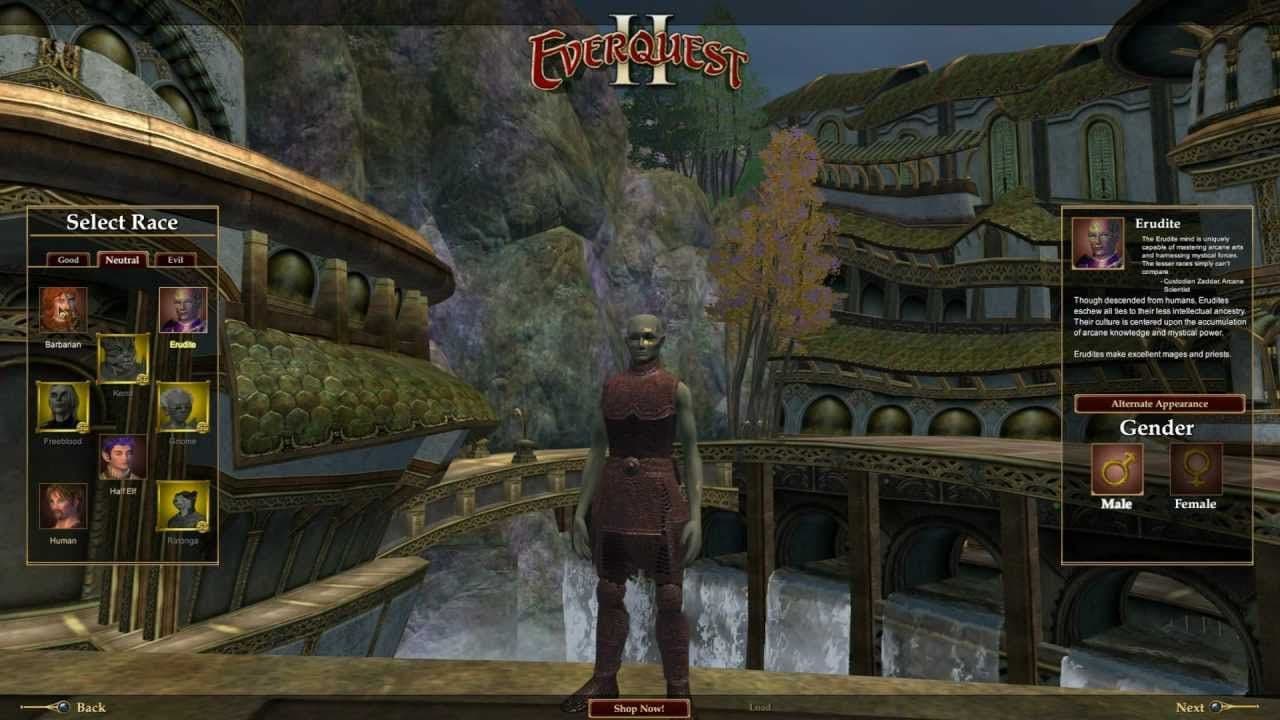
None of that matters if the game underneath it can't hold a new player's attention, so back up two decades and one very different pace of onboarding. A fresh account picks a race and class combination first — the starting choice that still shapes everything else — and lands in one of several newbie zones depending on that pick, each running its own short introductory quest chain that teaches auto-attack, basic ability rotation, and the game's UI before handing you off to a starting city like Qeynos or Freeport.
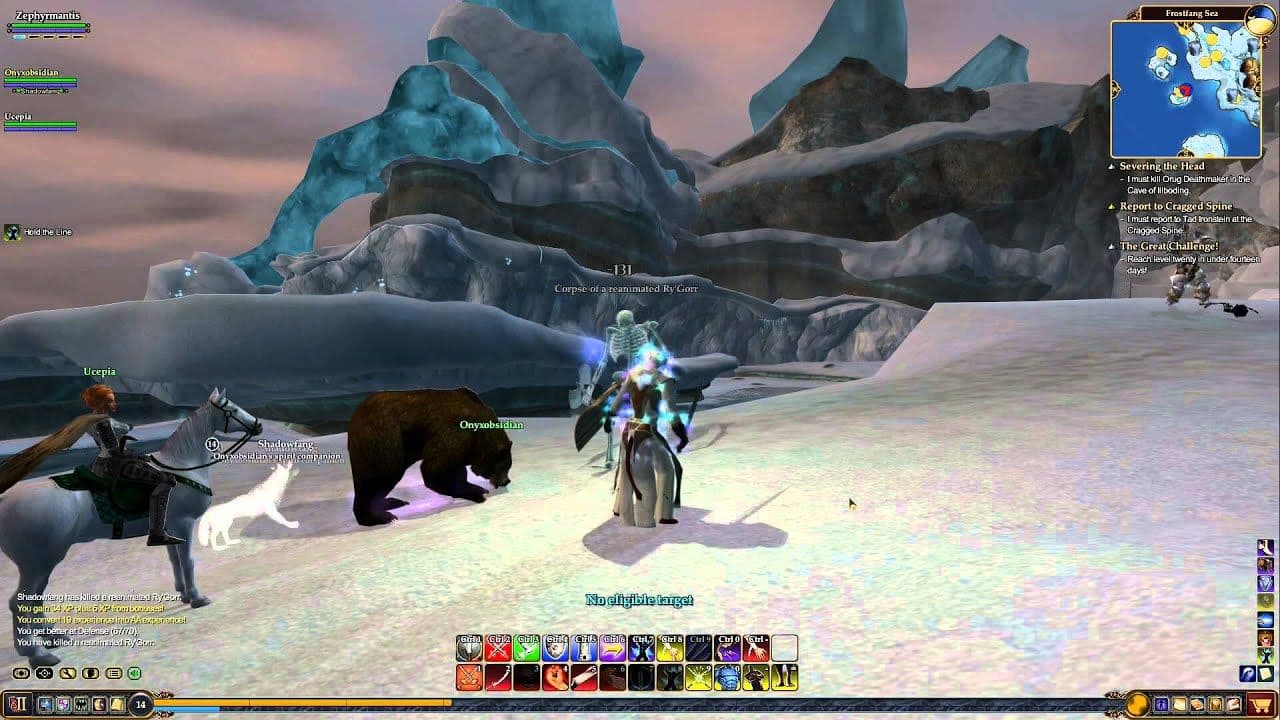
The loop from there is recognizably old-school themepark: kill quest mobs in a zone, turn quests in at a hub, level up, get pointed at the next zone over. What's changed since 2004 is generosity. Free-to-play accounts today can level a character all the way to 110 using nothing but the base game and the content up through the Planes of Prophecy expansion, and the restrictive early free-to-play tiers that once locked out races and bag slots were stripped out back in 2013. A new player in 2026 experiences a version of EQ2 that's had its worst friction sanded off, even before touching a single paid expansion.
Classes and Races: The Deepest Character Creator in the Genre
This is the section where EverQuest II still has a legitimate claim to being unmatched. Every character starts in one of four archetypes — Fighter, Mage, Priest, or Scout — and each archetype branches at level ten or so into a specific subclass, giving 24 total playable classes once every specialization is unlocked. A Gold-tier account gets access to the full roster immediately; free accounts start with a smaller subset and unlock more through play or purchase, with a handful of classes, like Beastlord, historically tied to owning a specific expansion.
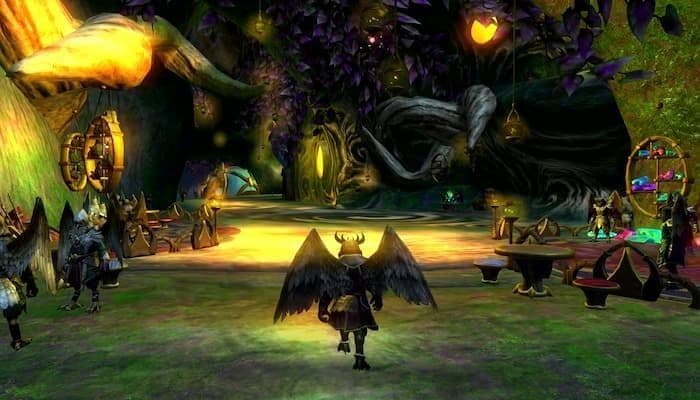
Race selection is where the game gets genuinely strange in a good way. Beyond the expected humans, elves, and dwarves sit options no other major MMORPG offers on this scale: Ratonga (rat-folk), Froglok, Sarnak (lizardfolk), the pixie-like Fae, and half-dragon Drakkin, with a couple of novelty races like the vampiric Freeblood and winged Aerakyn sold separately on the marketplace rather than unlocked through leveling. Combined with the alignment system — good, evil, or neutral, echoing tabletop D&D more than most MMOs bother to — the sheer number of viable starting combinations is still the single most-cited reason longtime fans keep a soft spot for this game over its contemporaries.
Crafting and the Broker Economy
Tradeskills in EverQuest II run on a completely separate leveling track from combat, with their own subclasses — Alchemist, Woodworker, Sage, and others branching off the same Artisan-to-Tradesman-to-Master progression that combat classes use. Crafting a piece of equipment isn't a single click; recipes involve a short interactive minigame of managing progress and durability bars before the item completes, which gives even basic crafting a bit more texture than the "gather ingredients, press button" loop common elsewhere in the genre.
The player-run side of that economy lives in the Broker, EQ2's cross-server auction house, where crafted gear, collectibles, and raid-drop leftovers get listed for platinum. It's one of the steadier virtual economies still running in an MMORPG this age, helped along by the fact that housing — proper player housing, with placeable furniture and guild halls on top — gives crafters an actual reason to keep making decorative and utility items long after anyone needs another sword.
PvE, Raiding, and the Parts of the Game Built for Groups
The dungeon-and-raid structure will be instantly familiar to anyone who's played a themepark MMO in the last twenty years, which is fair, since EQ2 helped write the rulebook a lot of them borrowed from. Instanced dungeons scale to level and group size, raid zones gate the highest-tier loot behind coordinated 12- or 24-person fights, and each expansion adds its own tier of both. Rage of Cthurath alone shipped multiple new raid targets in the Xebrith Tendril, and the community forums are, as of mid-2026, still actively debating class balance around them — a healthy sign for endgame engagement, if a slightly less healthy one for whichever class got hit hardest by the latest patch notes.
PvP exists but has never been the game's identity; dedicated PvP servers have come and gone over the years, and current player discussion on the official forums treats the mode's future as an open question rather than a settled feature. If you're shopping for a PvP-first MMORPG, this isn't where to look, and EQ2 has never really pretended otherwise.
Guilds and the Social Layer
Guild membership unlocks guild halls, a shared crafting and storage space, and — on Gold-tier accounts specifically — the ability to found one in the first place, which is a genuine gate rather than a formality. Grouping still matters here in a way it's stopped mattering in some newer MMOs: while solo content exists throughout the leveling range and free accounts can absolutely level a character alone, the raid tier and a fair amount of the current expansion's harder group content still expect you to have people around you, which keeps EQ2's guild scene more load-bearing than decorative.
Monetization: Is EverQuest II Pay to Win?
EverQuest II runs on a three-tier membership model that's stayed roughly stable for over a decade: Free, Silver, and Gold. Free accounts play a genuinely large slice of the game — races, most classes, and roughly a hundred levels of content — at no cost. Gold, sold as a recurring All Access subscription, unlocks every class, higher item tiers, guild founding, and full Broker access, and functions less like a cosmetic tier and more like the difference between a demo and the full game. On top of membership, Daybreak sells expansions individually, cosmetic and utility items through the marketplace, and Krono — a tradeable time-card item that functions as EQ2's answer to a subscription-for-plat economy, letting players buy game time with in-game currency or vice versa.
So: is it pay to win? Not in the twitch-combat sense — nothing you buy lets you out-play anyone in a fight you'd otherwise lose. But progression-wise, yes, meaningfully: a Gold subscription is closer to a toll gate than a convenience purchase, since huge chunks of class selection, guild features, and item power sit behind it rather than behind pure playtime. That's a different shape of pay-to-win than gacha rates or loot boxes, and it's worth being honest that veterans mostly shrug at a structure they've lived with for fifteen years, while a brand-new player in 2026 is likely to find the Free tier feels more like a trial than a complete game.
Population and Community: How Alive Is Norrath?
Is EverQuest II still populated in 2026? The honest answer requires some hedging, because tracking sites disagree sharply with each other. Steam-only concurrency trackers put the game in the low-to-mid hundreds on a given day, with a lifetime peak of 634 concurrent Steam players and current daily figures well below that. Broader estimate services that fold in non-Steam clients — the majority of the playerbase, since EQ2 predates Steam by six years and most veterans never installed it that way — put monthly active estimates in the low thousands, with a recent-month figure around 2,300 and a documented 30-day range that swings by close to a thousand players depending on events and expansion launches.
What isn't in dispute is that the game is still being actively developed rather than left on autopilot: a 22nd expansion, a new TLE server, and a genuinely new progression system in Personas all shipped or were announced within the last twelve months. Steam's lifetime review score sits at Mostly Positive (79% positive across roughly 2,500-plus reviews), with Metacritic's critic aggregate holding at 83. That's a healthier reception than most 21-year-old live-service games manage to sustain.
Pros and Cons
The character creator alone — 24 classes, over twenty races including options no competitor offers, and an alignment system lifted from tabletop conventions — remains the strongest argument for trying EQ2 in 2026, and Personas is about to make that depth easier to actually explore on one character instead of an alt farm. The crafting-and-Broker economy still gives tradeskilling real purpose, and the sheer volume of accumulated content (22 expansions' worth) means a new player genuinely will not run out of things to do for a very long time. Set against that: the Free tier gates enough of the game that it can feel like a extended trial rather than the finished product, PvP has never been more than an afterthought, and the game's population is real but scattered thin enough across servers and clients that solo players may need to actively seek out a guild rather than stumble into one.
Pros
- Unmatched character-creation depth: 24 classes across four archetypes and over 20 races, several found nowhere else in the genre
- Still actively developed — a 22nd expansion, a new TLE server, and the upcoming Personas system all landed within the last year
- Deep, separate tradeskill progression with a genuine player-driven Broker economy and full housing system
- Free-to-play accounts can reach roughly level 110 on base content alone, a real amount of game before any purchase is required
- Mostly Positive Steam reception and an 83 Metacritic score two decades after launch
Cons
- Gold membership gates enough content (full class list, guild founding, higher item tiers) that Free can feel like a trial rather than the whole game
- PvP has never been a development priority and its future is openly uncertain even among the community
- Population estimates vary widely by source and the real number is thinly spread across servers, launchers, and TLE progression tracks
- Twenty-two expansions of stat inflation have left the leveling curve lopsided — gear power jumps sharply at certain level brackets in a way newer players find jarring
Verdict: Is EverQuest II Worth Playing in 2026?
EverQuest II earns its keep less as a single well-designed game and more as a genuinely large one, and that distinction matters for who should install it. A player drawn to character-building for its own sake — picking a Froglok Necromancer or a Sarnak Berserker because the option exists and nothing else offers it — will find twenty-two expansions of room to disappear into, a crafting economy that still functions, and a development team clearly still building rather than coasting on nostalgia. A player who wants tight, modern combat feel or wants the free tier to already be the whole experience will bounce off the membership wall fast, and that's a fair reason to look elsewhere. What keeps EQ2 relevant this deep into its life isn't that it's aged perfectly; it's that Darkpaw keeps adding reasons to come back, and the Personas system arriving this year is one of the more interesting ones the game has shipped in a long while.