 F2P · Live
Lineage 2
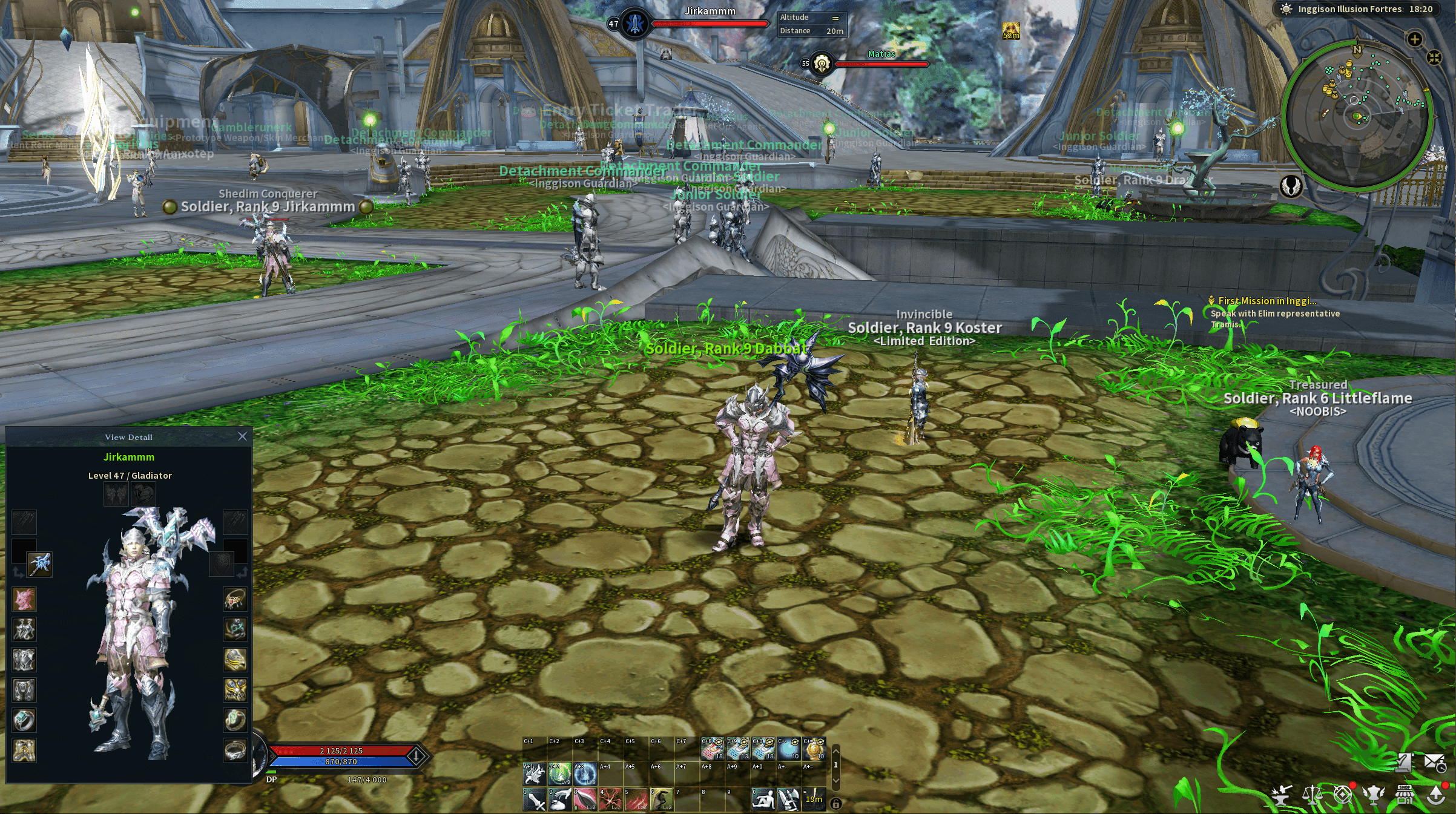
Aden's castles never stay in the same hands for long, and Lineage II has built an entire twenty-three-year…
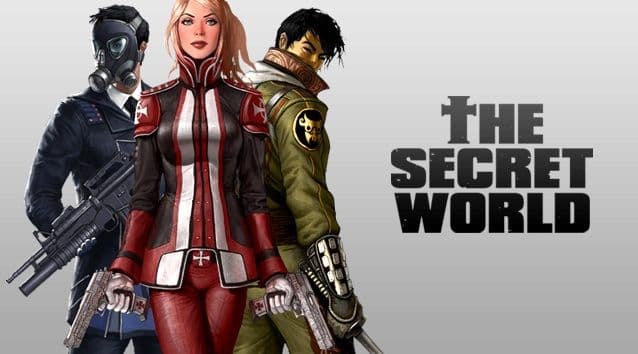
Secret World Legends drops players into a modern world secretly overrun by ancient myths, conspiracies, and monsters, playable as one of three shadowy factions fighting a war most people never see. Fu...
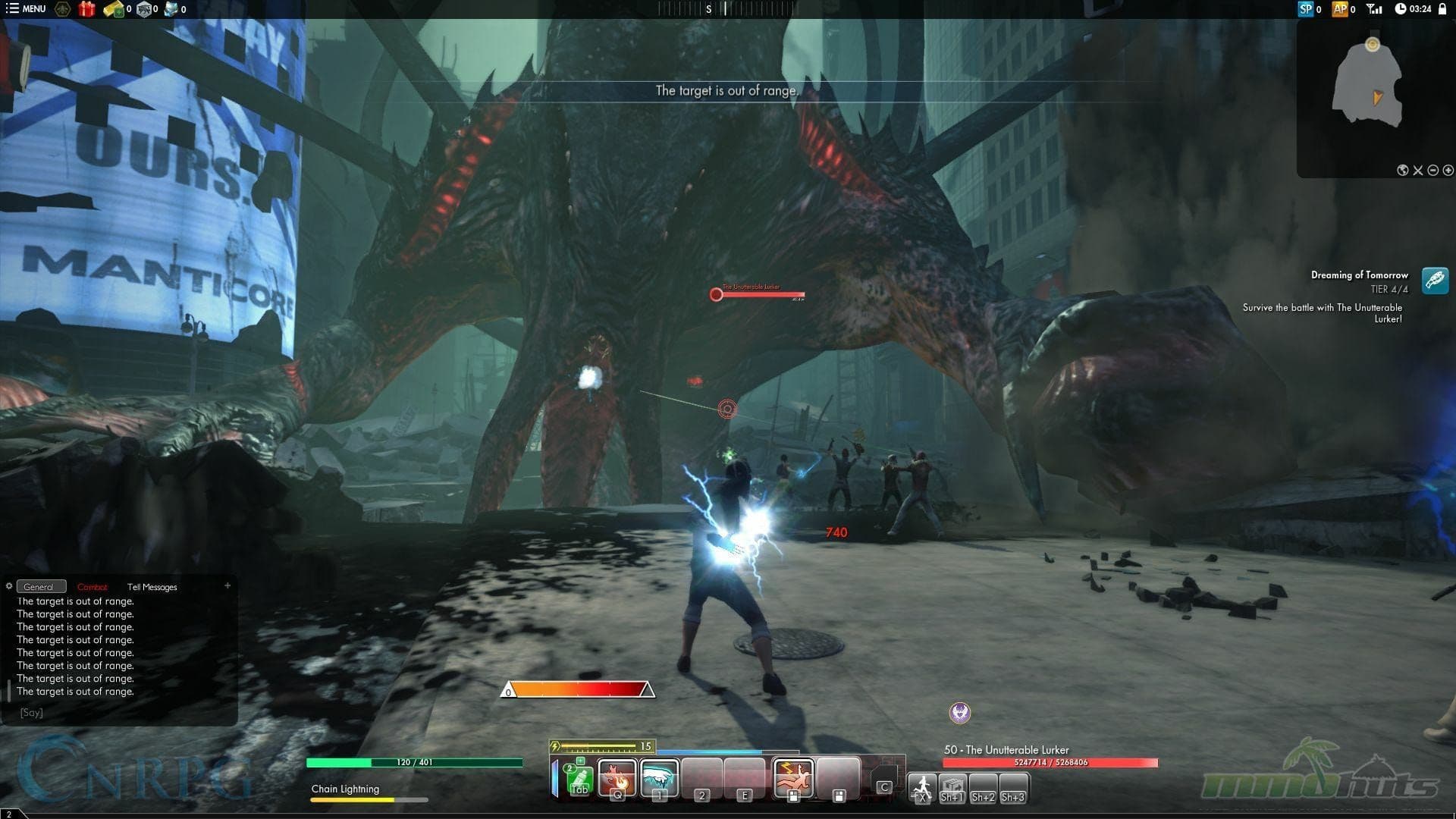
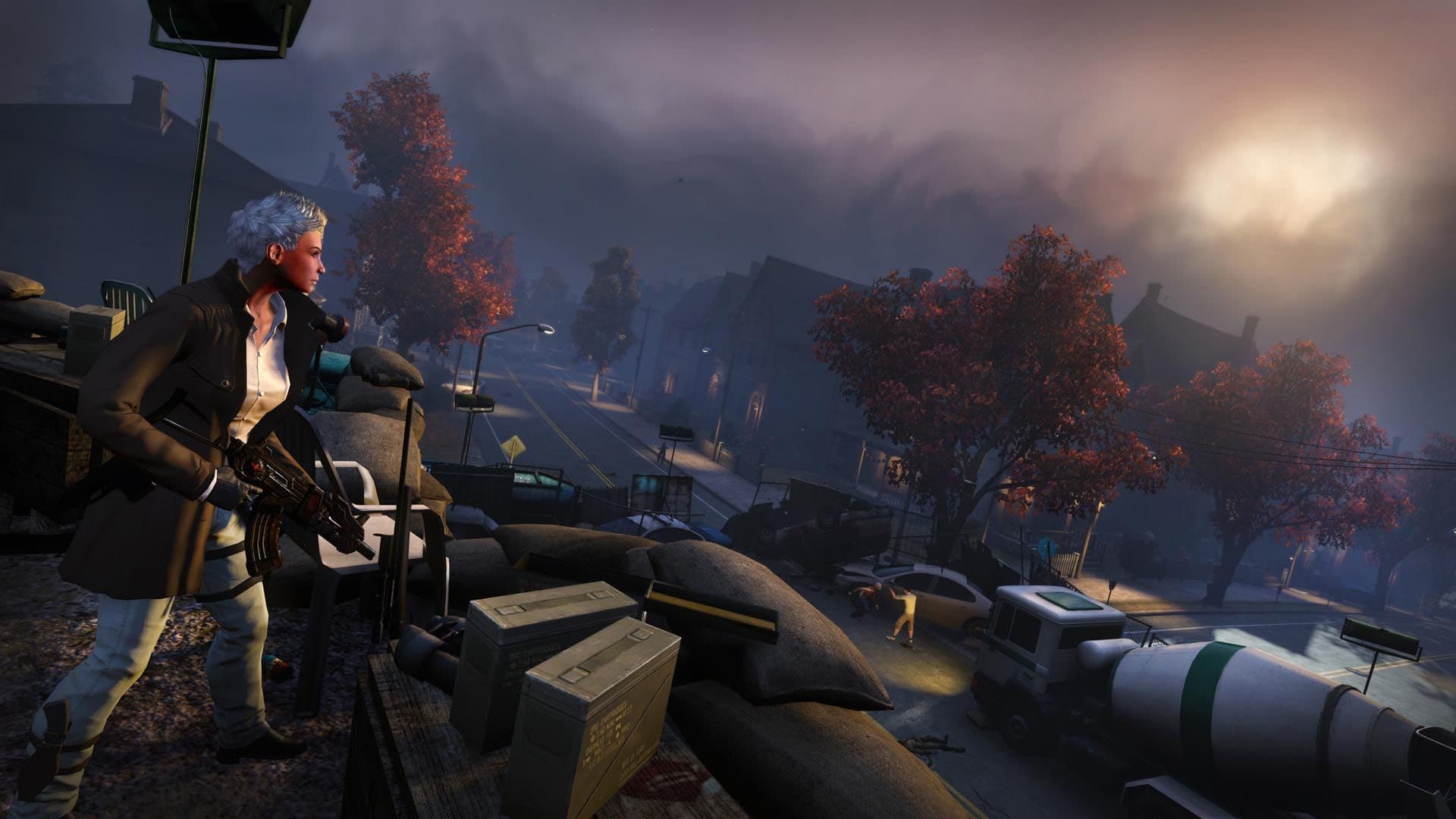
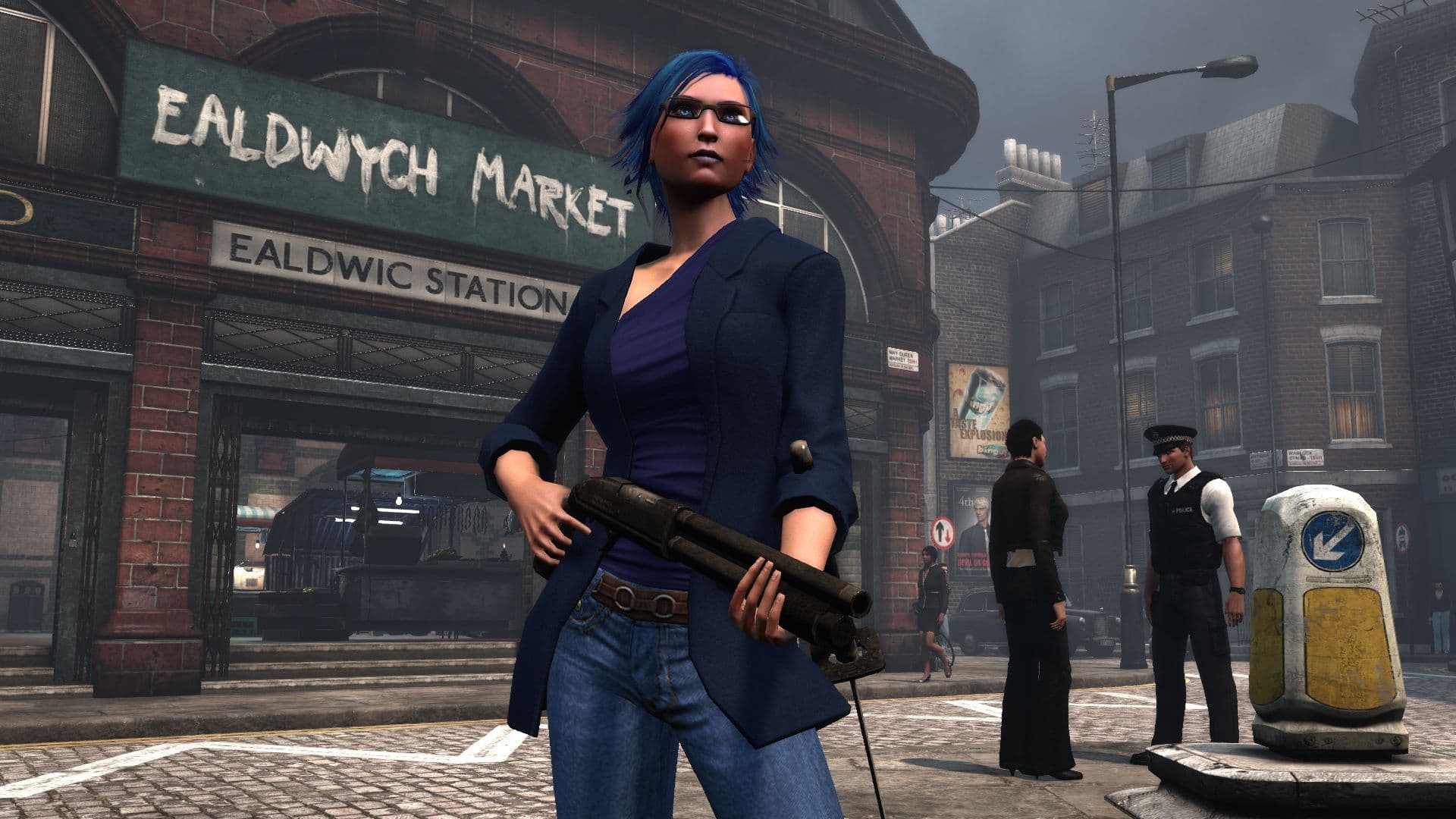
Secret World Legends is a story-driven, free-to-play action RPG from Norwegian studio Funcom, launched on Steam on July 31, 2017, as a ground-up relaunch of 2012's The Secret World. It runs on Funcom's proprietary DreamWorld engine, the same technology base behind Age of Conan and Anarchy Online, and it drops players into a modern Earth where the Illuminati, the Knights Templar, and the Dragon secretly run the show while Cthulhu-adjacent horrors claw at the edges of reality. Nine years after the relaunch and fourteen since the original, it's neither thriving nor dead — it sits in a strange, self-aware limbo that this Secret World Legends review is going to spend some time actually explaining.
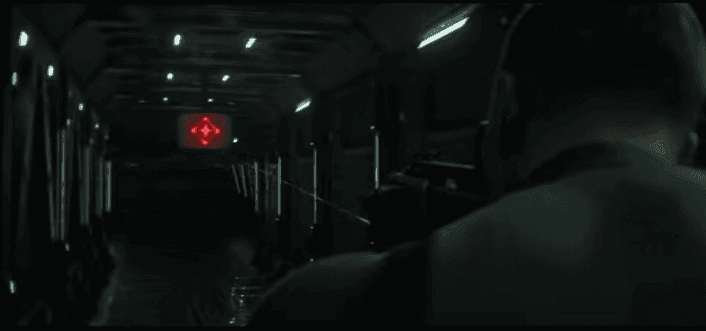
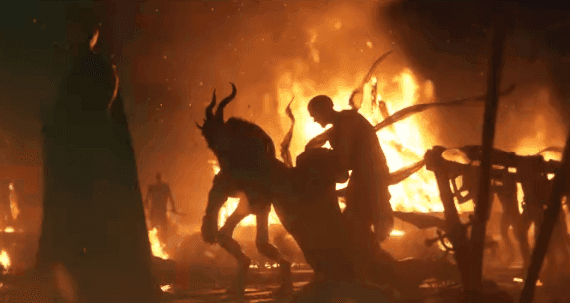
The original pitch, from Longest Journey creator Ragnar Tørnquist, was genuinely strange for its era. No classes. No levels. A skill wheel with more than five hundred abilities, any of which any character could theoretically learn. Three real-world factions — the buttoned-up Templars out of London, the corporate-conspiracy Illuminati out of New York, and the philosophical Dragon out of Seoul — locked in a cold war that mattered more to the fiction than to any actual PvP balance. And beneath all of it, a writing team willing to build entire questlines around browser research: alt-tabbing out to decode a cipher, cross-reference a real Wikipedia article, or solve an anagram before the game would let you proceed. Kingsmouth, the zombie-infested Maine fishing town that served as the newbie zone, remains one of the more atmospheric openings the genre has produced — not because of spectacle, but because the game trusted silence and dread over quest-marker noise.
That ambition came at a cost. The original skill system was so open-ended that build diversity collapsed into a handful of optimal setups almost immediately, and a game with no traditional leveling curve struggled to explain itself to anyone who wasn't already sold on the premise. The Secret World sold respectably but never at the scale EA and Funcom needed, and by 2015 the writing was on the wall for a relaunch rather than a slow fade.
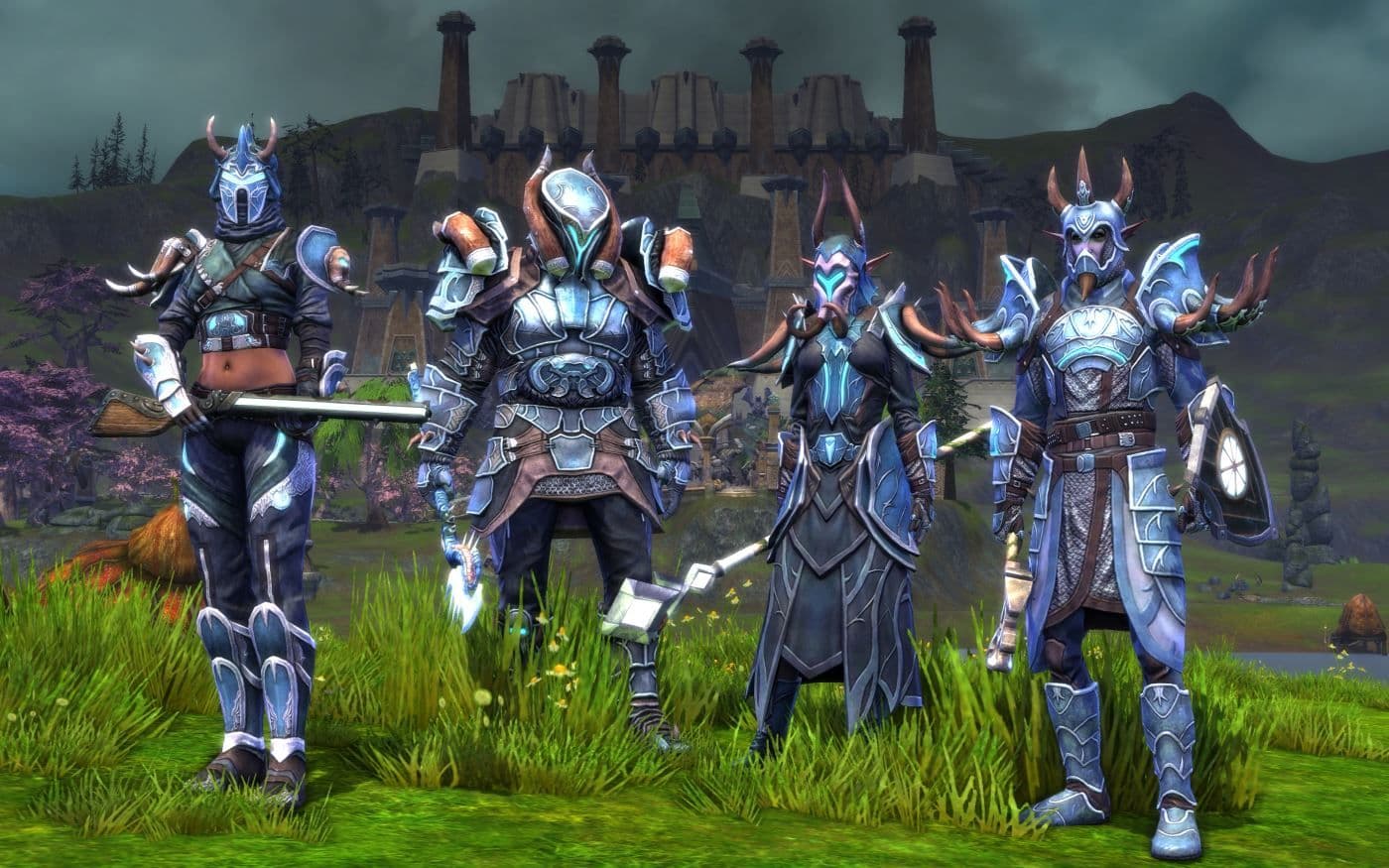
Secret World Legends kept the setting, the factions, and roughly the same map — London, Transylvania, Egypt, the Savage Coast, Tokyo — but rebuilt the mechanical skeleton from the ground up. The freeform skill wheel was gone, replaced by a class system built around weapon pairings: pick a class at creation and you're locked into two specific weapon types (a Blade/Assault Rifle combo, a Shotgun/Chaos Magic combo, a Pistol/Elementalism combo, and so on), each with its own dedicated skill tree of small, gated actives and passives rather than the old sprawling wheel. You can still unlock every other weapon in the game later using in-game currency, but the open-ended "learn anything" fantasy of 2012 was traded for something closer to a conventional action RPG loadout. Traditional character attributes disappeared too — there's no strength or intelligence stat to allocate anywhere in Secret World Legends, just weapon skill trees and the power rating stamped on your gear.
The response split cleanly down generational lines. Newcomers who'd bounced off the original's opacity found SWL's clearer weapon identity and free-to-play entry point genuinely easier to get into. Veterans, by contrast, watched a system they'd spent years theorycrafting get flattened into something more legible and less personal — several long-running community threads still argue, eight years later, that the weapon-lock decision was the single costliest design call Funcom made in the relaunch. Both camps are right about their own experience, which is part of why the game still generates this argument at all.
The moment-to-moment loop is straightforward: run story and side missions across a zone, fight supernatural threats with your two equipped weapons, loot signets and talismans to slot into gear, and spend Anima Shards fusing those items up in power. Combat itself runs on a basic-plus-power-ability rotation per weapon — Blade wants you chaining combo finishers, Chaos Magic wants you juggling heat and consequence mechanics, Assault Rifle wants sustained fire discipline — and at level 20 the Anima Allocation system opens up, letting you redistribute a percentage split across Damage, Healing, and Survivability on the same gear rather than needing entirely separate sets for each role.
What actually sets Secret World Legends apart, though, has nothing to do with combat. The investigation missions are the game's real signature: quests that hand you a cryptic clue instead of a waypoint and expect you to solve it, sometimes by decoding a substitution cipher scrawled on a wall, sometimes by piecing together a real historical or occult reference the game assumes you'll actually look up. There's no combat in most of these, no timer, no hint system beyond a deliberately vague nudge — you either work it out or you don't, and the sense of genuine detective-work satisfaction when a solution clicks is something almost nothing else in the MMO space has bothered to replicate. It's also, honestly, the one part of the game that has aged without needing a single patch.
Group content stacks in the usual MMO shape — story dungeons, a harder "Elite" difficulty ladder that currently scales up through Elite 17, Lairs as smaller boss-rush encounters, and a raid tier at the top for the most committed clans. The endgame gear loop revolves around distillates, glyphs, and signet fusion rather than a straightforward item-level treadmill, which gives min-maxers a genuinely deep system to chase even without new zones to explore.
And that's the catch: there haven't been many new zones to explore. Tokyo, added as a full new region with its own AEGIS defense-network gimmick, was the last major story content Secret World Legends shipped, and the story arc it was building toward was never finished. Funcom has been candid about this rather than pretending otherwise — the game runs on what the community and the developers themselves openly call maintenance mode: seasonal events like Samhain and the recurring Vernal Equinox celebration still arrive on schedule, balance passes and quality-of-life patches still land periodically, and customer support and the cash shop keep functioning, but there's no roadmap for new story chapters. A ninth-anniversary event ran in 2026, which tells you plainly how long this holding pattern has lasted.
To Funcom's credit, nothing here has been abandoned outright — Anarchy Online, a game from 2001, is still running under the same publisher, and SWL gets the same quiet, indefinite life support. If you came looking for a live, evolving world, that's not what you'll find. If you came for a finite, richly built world that happens to still take new visitors, that's exactly what's still standing.
Guilds here are called Cabals, and they matter less to raw progression than in most MMOs — there's no cabal-gated gear tier or weekly obligation forcing attendance, which fits a game built around solo-friendly investigation content in the first place. What a good Cabal actually offers is company for Lairs and dungeons and a channel for players who remember which puzzles trip up newcomers, since the game itself offers only a light nudge toward a solution. Open-world PvP zones exist for players who want them, but they've never been the draw, and Funcom has never pretended otherwise; the three-faction rivalry lives almost entirely in the story rather than on a scoreboard. For a game this size in 2026, that's arguably the right call — a small population spread across mandatory PvP objectives would feel far worse than the same population left free to explore at its own pace.
Secret World Legends runs on two currencies. Marks of Favour are earned entirely through play — daily challenges, selling loot on the Auction House — and cover the Auction House itself, extra weapon unlocks, dungeon keys, and item fusion. Aurum is the premium currency, bought with real money, and covers character slots, inventory expansion, cosmetics, and convenience boosts. The two currencies convert into each other through a player-run Exchange, which means a patient free player can eventually buy anything Aurum unlocks using nothing but Marks of Favour earned in-game, and a paying player can shortcut the grind by buying Aurum and converting it the other way.
So: is it pay to win? Funcom's own answer, that every weapon, skill, and piece of gear is obtainable without spending a cent, holds up reasonably well on inspection — nothing here is a hard content gate the way loot-box gacha rates can be. The honest caveat is that character slots, inventory space, and quality-of-life conveniences are priced steeply enough that several long-time players on Funcom's own forums have called them out directly, and a Patron subscription (roughly $15 a month) exists specifically to soften those costs for people willing to pay monthly. It's less "pay to win" than "pay to stop being mildly annoyed," which is a real distinction but a fine one.
Steam's review score for Secret World Legends currently sits at Mixed, roughly 66% positive across more than nine thousand reviews, with the negative slice weighted heavily toward frustration over the relaunch's weapon-lock system and the long content drought rather than any complaint about the base game's writing or atmosphere. Concurrent player counts are honest about the game's size: recent tracking puts it in the low double digits at any given moment, down from a modest peak that itself was never a mass-market number. That's a fact worth stating plainly rather than dressing up — this is a small, dedicated remnant of a playerbase, not a bustling world, and anyone expecting a busy capital city hub in 2026 should recalibrate that expectation before installing.
What that population figure doesn't capture is how the game is actually built to be played. Investigation missions and most story content were designed around small adventure-zone caps in the first place — the original design intentionally kept crowds thin to preserve the horror atmosphere, with hard limits of roughly a dozen players in open adventure zones and small party sizes for dungeons and Lairs — so a quiet server doesn't break the experience the way it would in a game built around large-scale open-world spectacle. You'll still find people running Lairs and dungeons, just not in the numbers a themepark MMO would need to feel alive, and the community that remains skews heavily toward players who've stuck around since the original 2012 launch rather than a fresh wave of newcomers.
That longevity shows up in the small details more than the big ones. The forums still run seasonal writing contests. The wiki communities still argue actively about optimal weapon pairings for Elite 17 content. And the game's own news page logs a steady, unglamorous drip of "extended maintenance downtime compensation" posts and balance-pass beta announcements rather than silence — the unmistakable rhythm of a title being kept alive rather than left to rot.
Secret World Legends is a museum that's still letting visitors wander the halls after dark — the lights are dimmer than they used to be, nobody's added a new wing in years, and you'll mostly have the place to yourself, but the exhibits that made it worth the trip in the first place are all still standing exactly where they were. If you want a living, expanding MMO with a busy population and a content calendar, this isn't that game and hasn't been for a long time. If what you actually want is a finished, atmospheric story about modern-day myth and monsters, told through quests that ask you to think rather than click, it's still one of the more distinctive things the genre has ever produced — and it costs nothing to walk through the door and find out for yourself.