 F2P · Live
Lineage 2
Aden's castles never stay in the same hands for long, and Lineage II has built an entire twenty-three-year…
Iverian Wars: Craxion vs Defugel is a free-to-play faction MMORPG from Zemi Interactive, rebuilding the world of 4Story on a new in-house engine for a global Steam release. Two successor empires, Crax...
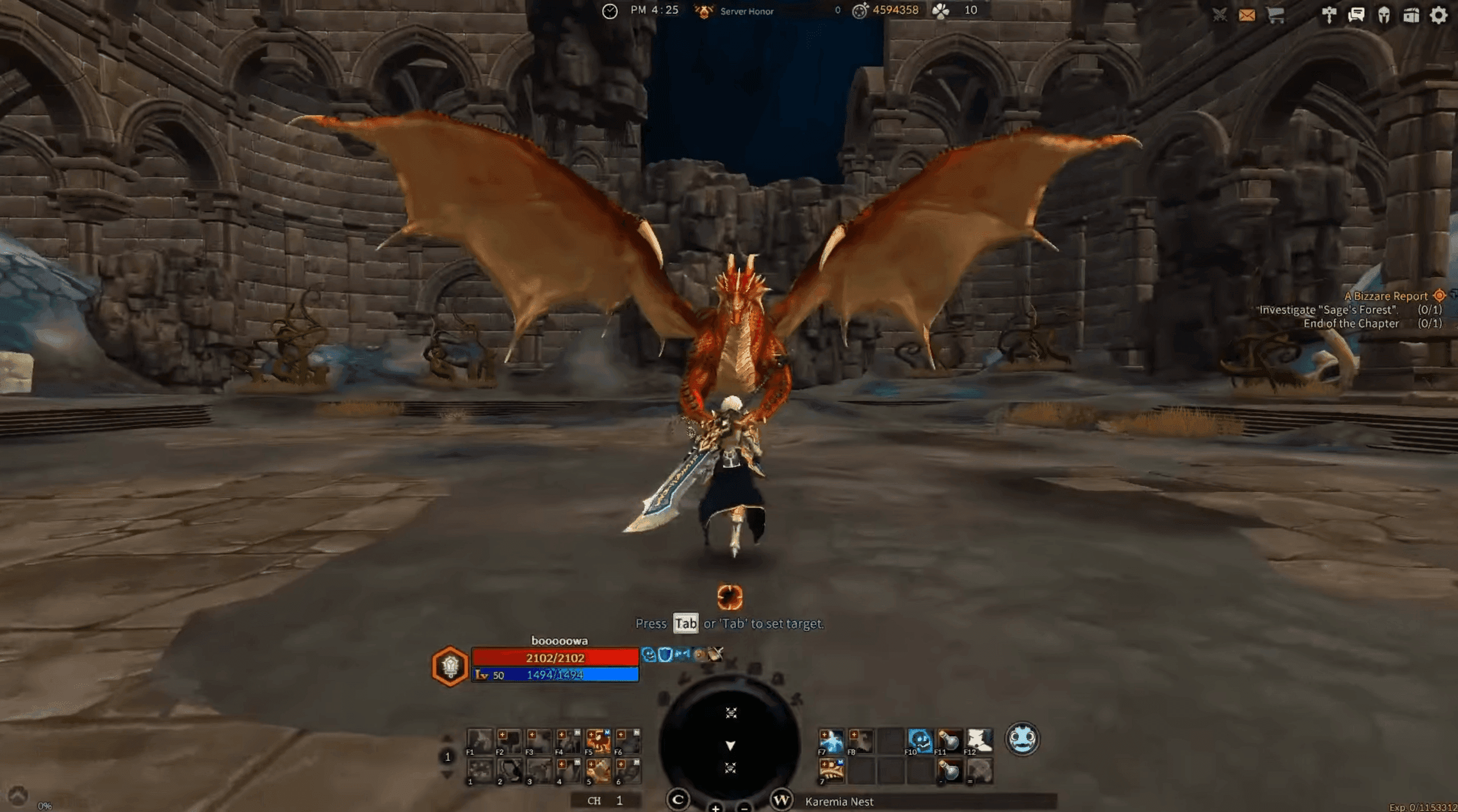
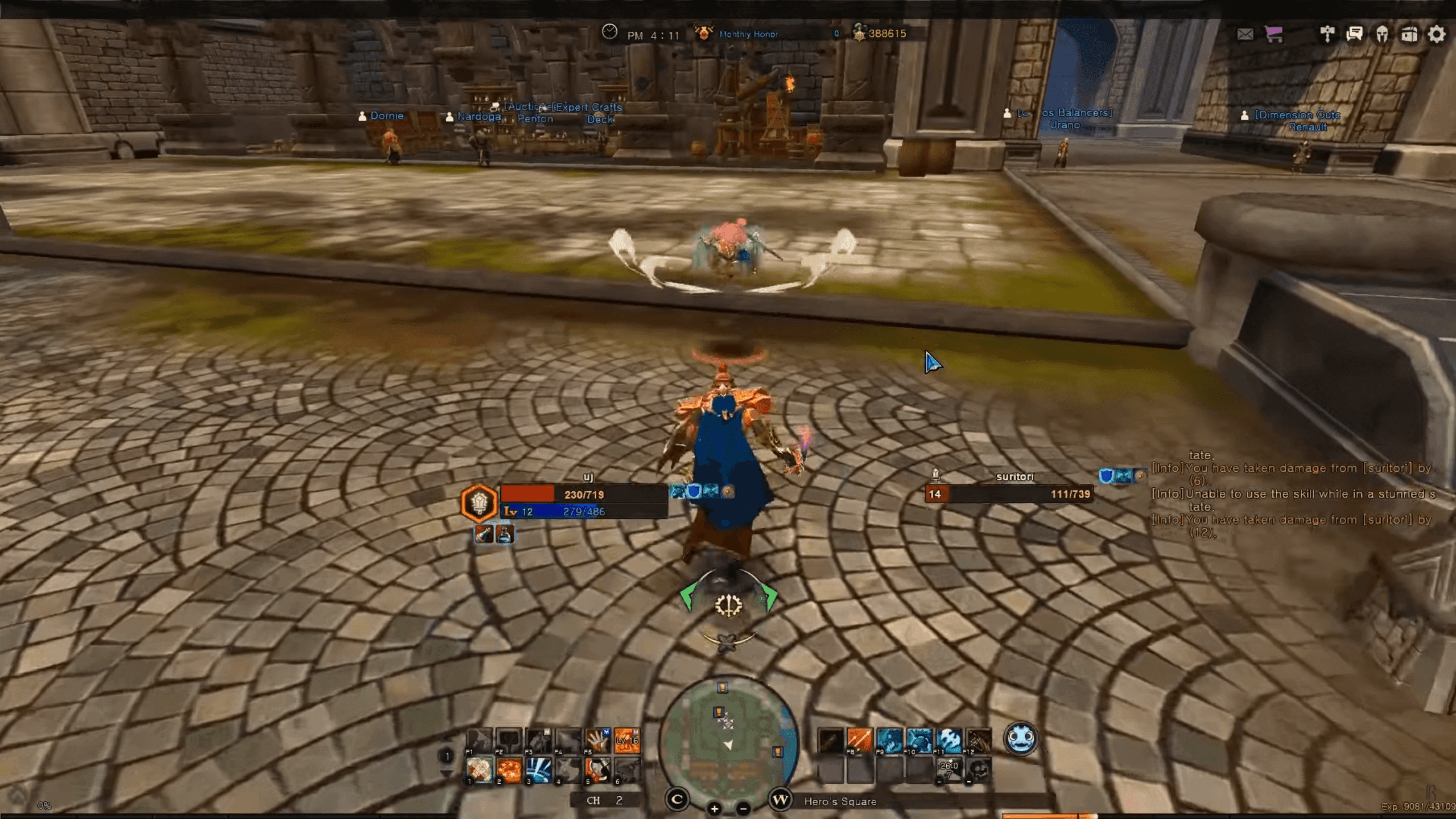
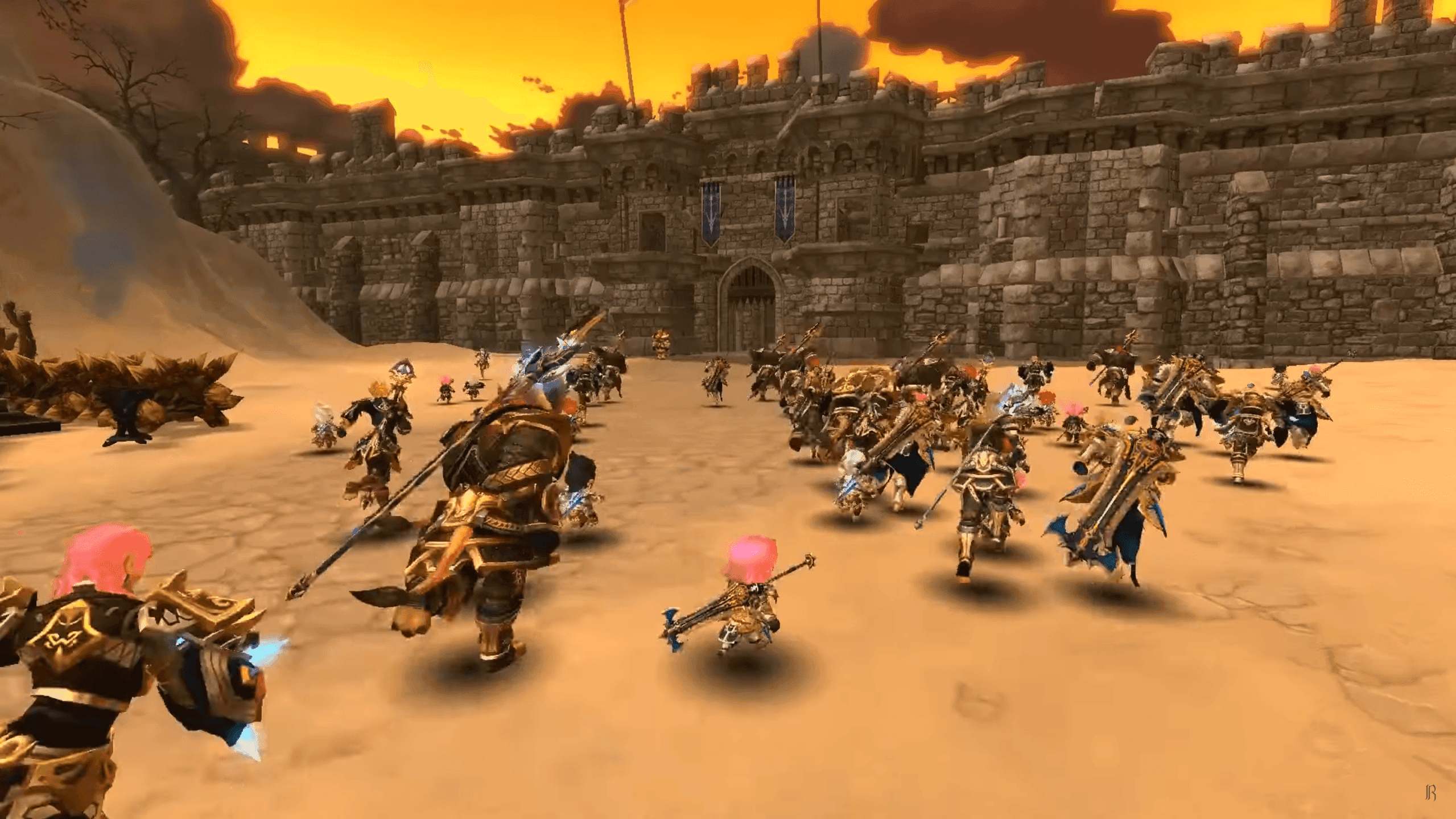
Iverian Wars: Craxion vs Defugel is a free-to-play faction MMORPG from the South Korean studio Zemi Interactive, released into Steam Early Access on 24 February 2026 after roughly six years of development on an in-house engine. It rebuilds 4Story — the 2007 Korean MMO that Gameforge ran in Europe and North America from 2009, also known there as Gates of Andaron — around the one system that game was remembered for: scheduled, server-wide wars over territory. Five months into Early Access, its Steam rating sits at 31% positive across 572 user reviews.
That mix of a genuinely unusual war system and a relaunch that stumbled badly on arrival is what makes the game worth examining rather than writing off. Zemi still patches it most weeks. The wars still start on the clock. Whether anyone shows up to fight them is the harder question.
Quick take: Iverian Wars: Craxion vs Defugel is built around one distinctive idea — daily faction wars fought on a fixed timetable across five zones — and the rest of the game has not been finished to the same standard. The engine buckles at the crowd sizes the design depends on, the shop sells the materials that decide high-end PvP gear, and the Steam population has thinned to the point where those wars struggle to fill out. Free to install, difficult to recommend as somewhere to spend a season.
The setting is a continental civil war with a monster problem underneath it. An old Iverian empire has collapsed, leaving two successor states — Craxion and Defugel — fighting over what it left behind, with the story pointing toward an eventual forced alliance against a third threat. Players commit to one of the two factions when they create their first character, and that choice fixes their side of every war that follows.
Iveria is high fantasy with a Korean MMO accent: three playable races — human, feline and fairy — and six classes carried over from the original lineup, namely Warrior, Archer, Assassin, Priest, Wizard and Summoner. The palette leans bright rather than grim, and the role split is the one everyone already knows: Warriors hold ground, Priests keep them upright, Wizards and Archers deal damage at range, Assassins pick off stragglers, and Summoners field pets that count for more in open ground than in a corridor. The world is functional and readable, and the class silhouettes are clear enough that you can tell a Warrior from a Summoner across a battlefield, which matters more here than art direction does. The complaint that comes up repeatedly in Steam reviews is that the rebuilt engine has not clearly improved on what the 2007 original managed — reviewers point to flickering textures and buildings whose collision does not match what is drawn.
The opening two hours are a conventional quest chain and give almost no sense of what the game is actually for. You pick a faction and class, get handed a starter weapon, and work through kill-and-collect quests around the first hub. A mount arrives early — players report receiving one before level 10, which is generous by the standards of the genre and one of the few onboarding decisions that lands cleanly.
Community guides suggest following quests only to around level 13, then abandoning them for the Dark Portal and grinding there in a full party with experience potions that multiply gains by 500% or 600%. Those potions come from taking part in Territory War, which means the intended route to the level cap runs through the war system rather than around it. It is a coherent design and a badly signposted one — nothing in the early quests tells a new player that the quest log stops being the efficient path a couple of hours in.
Launch week made that worse. Players arriving on 24 February found early quest objectives bottlenecked to the point of being unplayable, with reports of a single spider spawn point serving hundreds of characters at once. Zemi expanded server hardware within the first days and has since fixed the specific chokepoints, but the first impression was set by then, and a large share of the negative reviews on the store page date from that opening week.
Partly, and mostly in ways that reward whoever moves first. Iverian Wars runs a tab-target skill bar with an action layer bolted on top: a dodge roll, jump attacks, side attacks, backward hops, and what the store page calls hidden skills — extra movement options that are meant to be the mastery ceiling. Against monsters it feels reasonable. Against other players it produces a burst-and-disengage pattern that the game has not balanced.
The clearest example is the melee dash. Players have documented that a character mid-dash is invulnerable to attacks, stuns, fear and blinds, which turns a mobility tool into a hard counter to every form of crowd control in the game. One widely-read forum post describes a lone Assassin dashing into a full party at a gate, killing two players, and dashing back out untouched through three blinds and multiple mage casts. That is not an edge case in a game whose endgame is mass PvP.
Zemi does argue these points in public, which is worth crediting. The team posted a proposal to cut the Assassin's Hiding cooldown from ninety seconds to fifteen while lengthening the cast time on Ambush to compensate, and asked the forum to react before shipping it. That is a real feedback loop. It is also a slow one, and five months of Early Access has not produced a class balance pass that PvP players describe as finished.
Territory War is the reason the game exists, and it is the one part of the design that has no obvious equivalent elsewhere in the free-to-play MMO market right now. Rather than a queued battleground, it is a standing appointment: five territories on a fixed daily UTC clock — Chessed at 03:00, Taikonteroka at 05:00, Woodland at 12:00, Ardri at 19:00, Gebura at 21:00. Whichever faction holds a territory holds the buffs and quest access attached to it until the next window opens.
Parties combine into larger units called corps, which is how the game organises anything above eight players. Zemi added a siege tower in March, and the war maps are built around approach lanes and gates rather than open fields, so the fighting has structure — pushes stall at chokepoints, and holding one badly is how a faction loses a territory it should have kept. On paper this is the same architecture that kept 4Story's European servers alive for years, and the social layer is built to serve it: guilds recruit for war attendance, corps leaders call targets, and the fixed schedule means a guild can hold a slot on a calendar the way a raid team does elsewhere.
In practice, the engine cannot carry it. Steam reviewers consistently report frame rates collapsing once ten or more players share a screen, with figures in the single digits cited by players running current hardware. A war system designed for hundreds that degrades at ten is a structural problem, not a tuning issue, and it is the single most repeated complaint in the game's negative reviews.
Winning territory feeds a gear economy rather than a scoreboard. Territory War opens a quest category tied to the game's ongoing story, hands out the experience potions that make levelling viable, and feeds a monthly ranking that resets on the first of each month. Gear progression sits on top of that: crafted equipment with player-assigned names and customisable attribute combinations, which is unusually flexible for a game this traditional in every other respect.
The trading layer has been the weak point. In May and June, players posted at length about the removal of transfer scrolls for weapons and armour and the effect it had on the player market — the complaint being that upgraded items had no route between players, so gold accumulated with nothing to spend it on and gear crafting stalled. For an MMO whose progression depends on a functioning secondary market, that is a serious hole, and it had not been resolved as of the July patches.
Yes, in the way that matters most for a PvP-first MMO. The shop sells premium currency rather than gold directly, which is the distinction Zemi's community managers draw — but players report that high-tier PvP weapons can be crafted almost immediately by buying the upgrade materials with real money, skipping the grind those weapons are supposed to represent. In a game where the endgame is faction combat, the fastest route to a top-end weapon deciding it runs through the store.
The storefront reinforces that reading. Eleven paid packages are listed alongside the free client: six class-specific bundles at $39.99 each, mounts at $20 to $30, and tiered starter packs at $29.99, $59.99 and $89.99, coming to $445.91 for the full set. Zemi's own launch press release described the game as carrying a low monetisation burden. Players who spent launch week comparing the shop to that claim did not agree, and "cash grab" appears often enough in community coverage to have become the shorthand for the game's reputation.
None of the packages are mandatory. A free account can reach the level cap, join Territory War and receive a mount, and the community consensus is that the starter bundles buy convenience — bag space, a saddle, experience boosts — rather than power. The power sits one layer deeper, in the upgrade materials, and that is where the free-to-play ceiling becomes real.
The Steam population has fallen further and faster than the review score alone would suggest. Iverian Wars opened with an all-time peak of 1,839 concurrent players on 24 February 2026 — a modest launch by MMO standards, and enough to briefly overload Zemi's servers, which the studio publicised at the time as evidence of demand.
By early August, SteamDB was recording a 24-hour peak of 30 players. Third-party estimates put lifetime owners somewhere between roughly 13,000 and 20,000 accounts, and the Steam hub holds around 8,400 followers, so the audience that tried the game is far larger than the audience still logging in. Steam is the only storefront Zemi lists for Iverian Wars, and the studio has not published figures for any other channel, so there is no published basis for assuming a larger playerbase elsewhere.
The consequences show up in the war system first. A faction imbalance argument ran through the summer, with the outnumbered Defugel side pushing to keep territory buffs and Craxion players arguing those buffs were being farmed by losing battles deliberately; Zemi eventually put the question to a community poll and imposed a compromise in the meantime. That is a live-service team doing its job. It is also a dispute about how to balance wars that no longer have enough participants to balance themselves.
Zemi spent six years rebuilding a game whose best idea was always the timetable, and then shipped it without the engine work that idea required. That is the whole story. Territory War remains a good system — appointment PvP with map stakes is rare, and the games that do it well tend to keep players for years — but it needs bodies on the field and frames on the screen, and Iverian Wars currently delivers neither reliably.
What makes this frustrating rather than merely disappointing is how much of the failure is technical rather than conceptual. A studio that fixed the crowd rendering, unfroze the market, and moved gear materials out of the shop would have something defensible here, and Zemi has the update cadence to attempt it. Six months of Early Access was the stated plan, that window closes in late August 2026, and the changes promised for full release — new maps, reworked skills, revised playstyles — are the kind that take longer than the time remaining.
Install it if the phrase "daily scheduled faction war" makes you curious enough to spend an evening finding out what that feels like, and go in expecting an evening rather than a season. Anyone weighing money against it should wait for the full-release build and check the concurrent numbers before opening the store page. Veterans of the original 4Story have the least to gain: the version of Iveria they remember still exists on Steam as a separate free client, and it does not stutter.
Yes. The client is free on Steam with optional paid packages ranging from $20 to $89.99, and Zemi has confirmed the game will stay free after it leaves Early Access.
No, though it uses the same setting, races and class lineup. It is a rebuild on a new proprietary engine by Zemi Interactive, the original 4Story developer and IP holder, and the 2007 game is still available separately on Steam.
Very few on Steam — SteamDB logged a 24-hour peak of 30 concurrent players in early August 2026, against a launch-day record of 1,839. Lifetime owner estimates run between roughly 13,000 and 20,000 accounts.
PvP is centred on Territory War, a scheduled faction fight over five named zones at fixed daily times, rather than on unrestricted world PvP. Smaller skirmishes happen around contested areas between those windows.
As a free evening spent on an unusual war system, it is defensible. As a long-term MMO home it is not — the population, the performance under load and the frozen player market all argue against committing time to it in its current state.