 F2P · Live
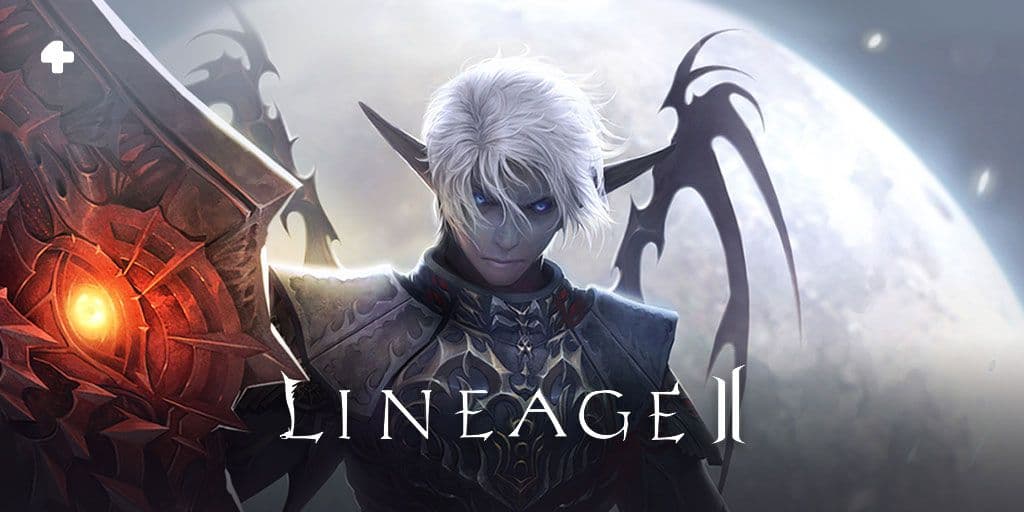
Lineage 2 Essence
Lineage 2 Essence is NCSoft's free-to-play take on the classic Korean MMORPG Lineage II, built around faster…
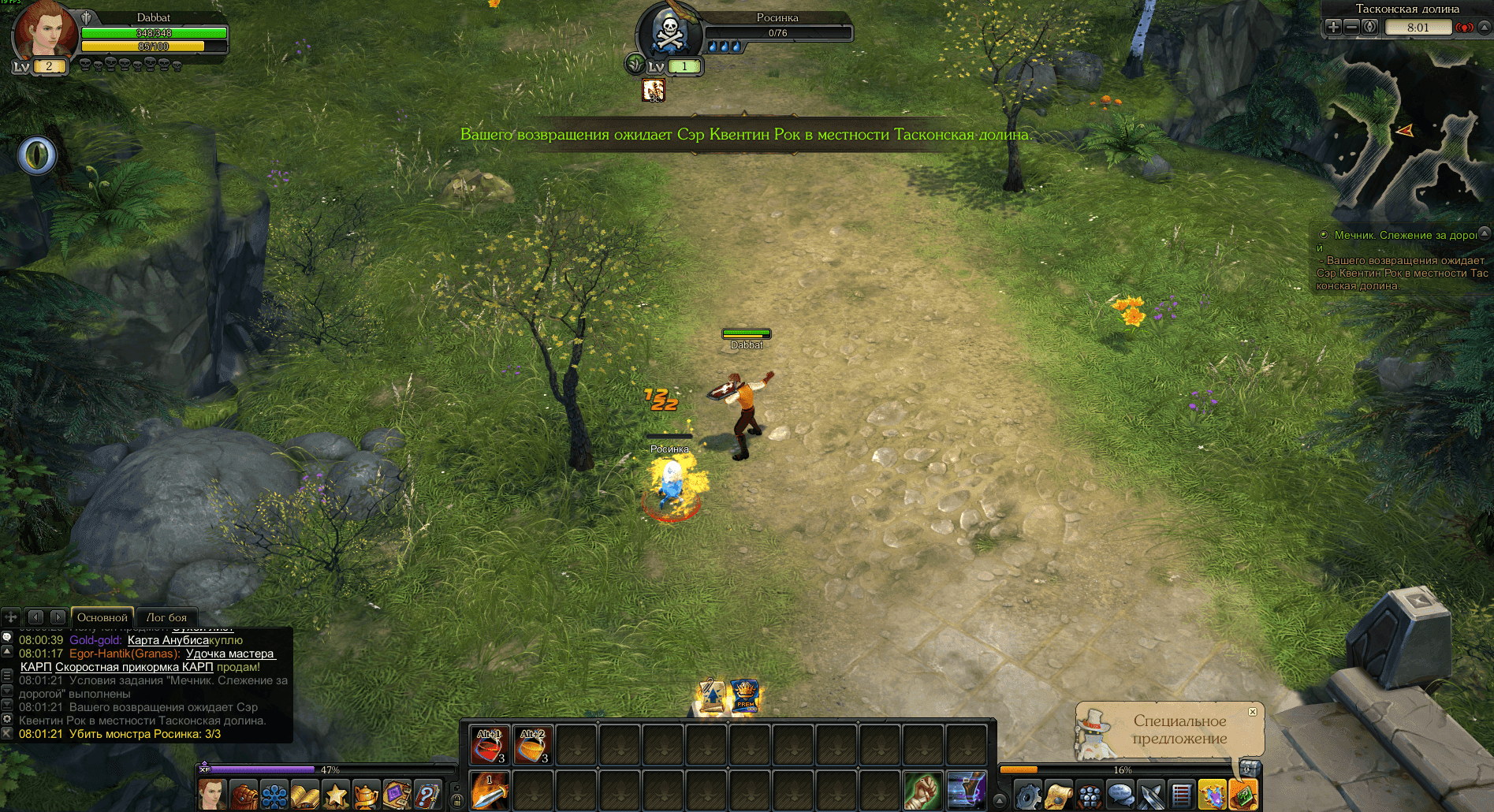
Royal Quest Online is an isometric fantasy MMORPG set in Aura, a world where sorcery, alchemy and early machinery share the same map. Four starting classes branch into eight subclasses, rare monster c...
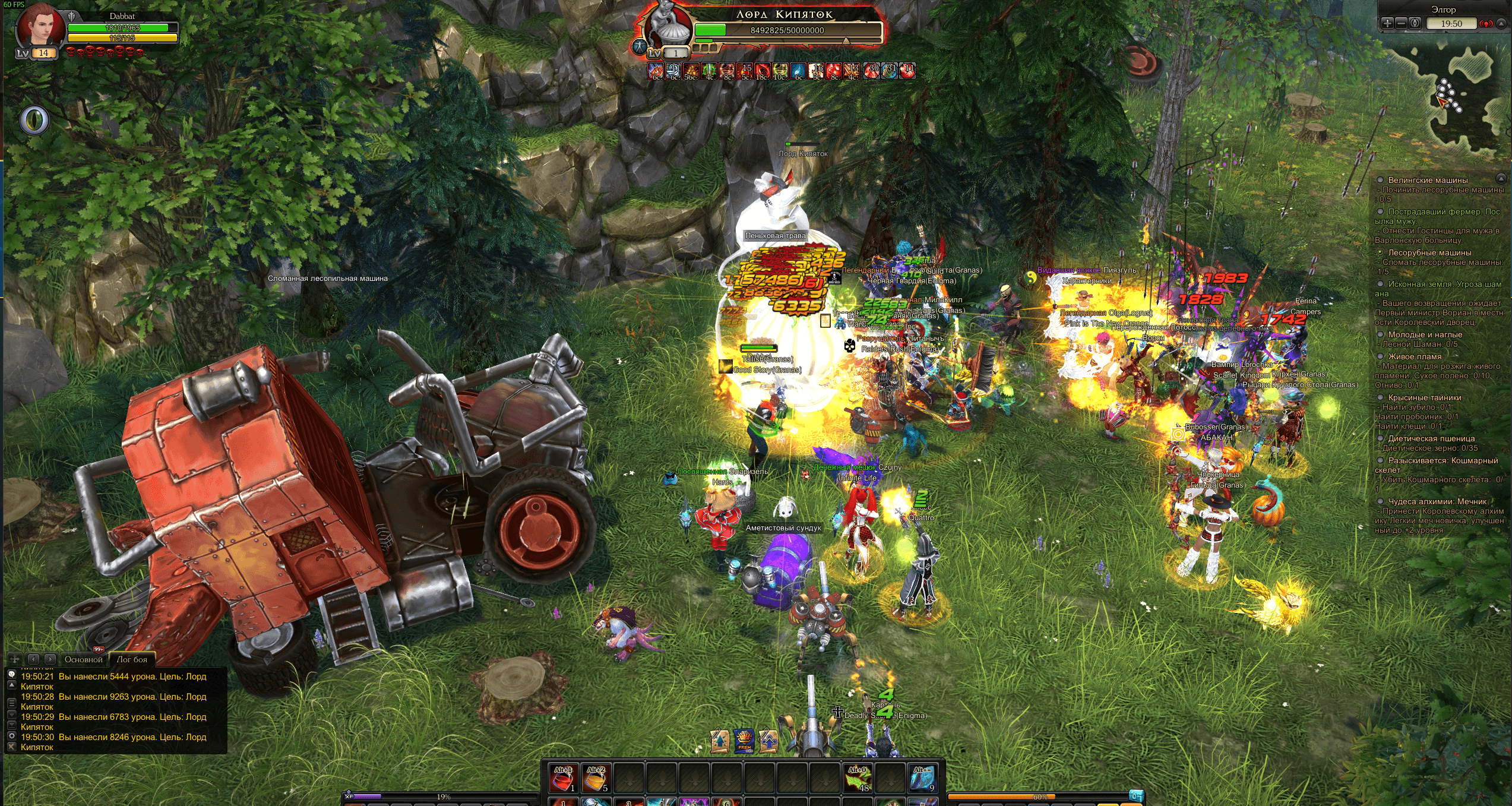
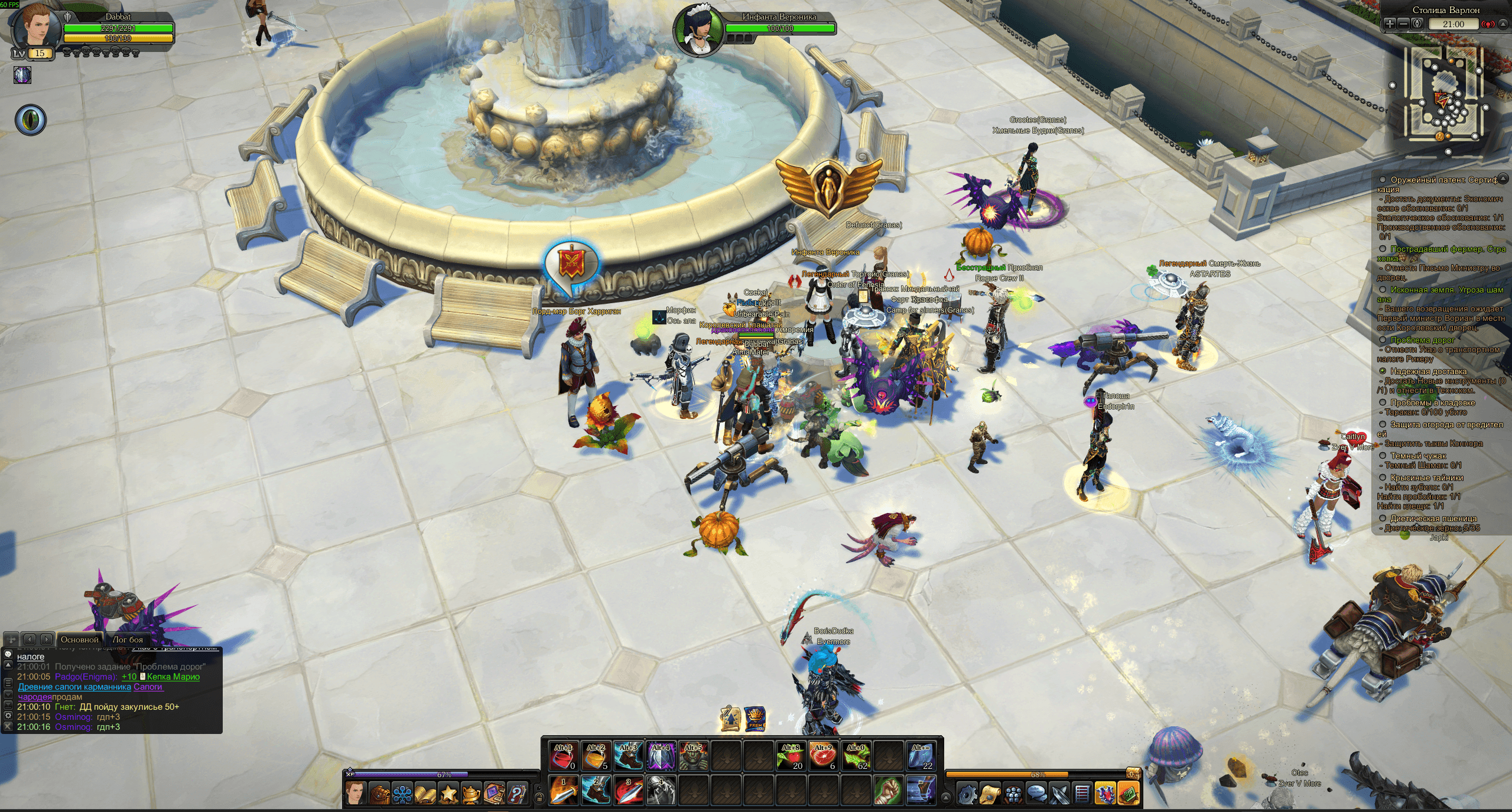
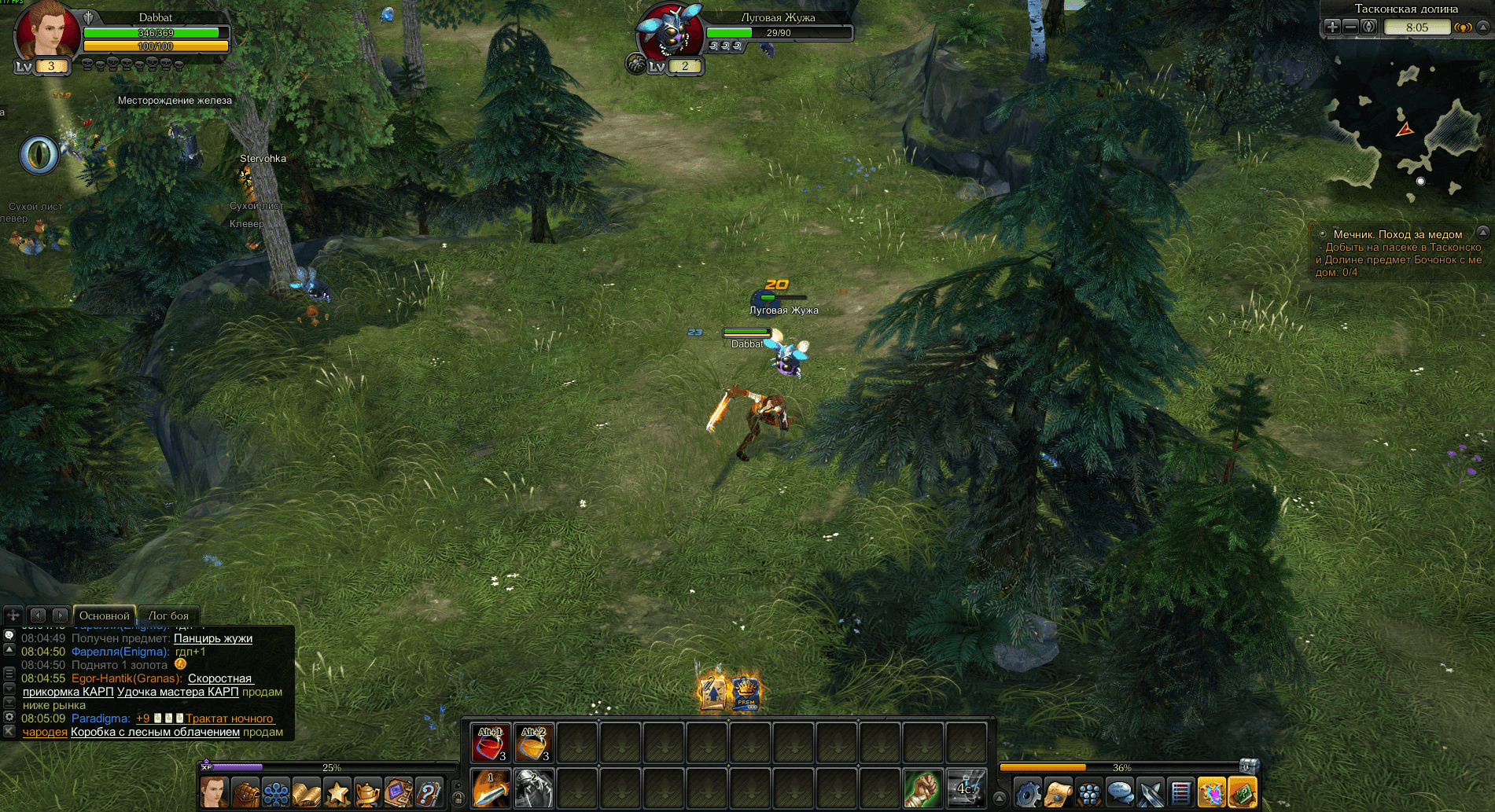
Royal Quest Online is an isometric fantasy MMORPG originally built by Katauri Interactive, the Russian studio behind King's Bounty: The Legend and Space Rangers, and first published by 1C in April 2012. It reached Steam worldwide in 2014, lost its international version to a 2020 shutdown, and came back on December 19, 2024 after Lesta Games took over the rights and rebuilt the game's infrastructure. Fourteen years on, it is still running, still adding seasonal content, and still recognisably the same game underneath.
The setting of Royal Quest Online is a working backdrop rather than a story anyone stays for, and the game has never pretended otherwise. Aura is a world where sorcery, alchemy and early machinery share the same map without much friction. Creatures called the Black Alchemists have arrived from elsewhere hunting Elenium, a rare mineral with unusual properties, and King Roland of Elenia is buying help with titles, land and castles.
What that framing buys is licence to put almost anything on screen. Zones run from enchanted forests and orc camps to sunken palaces, abandoned laboratories and islands hanging in open sky, and the anime-leaning art direction holds them together better than a stricter fantasy setting would. The visuals are dated in resolution and effects work, not in taste — a 2012 art budget spent on silhouette and colour ages far more slowly than one spent on shaders.
The two audiences reading this review will treat all of that differently. Someone arriving now reads the quest text, notices the writing is thin, and moves on. Someone who has played for years does not see zones at all — they see which monster in that zone drops which card, and which weapon element clears it fastest. Both readings are correct, and the gap between them explains most of what follows.
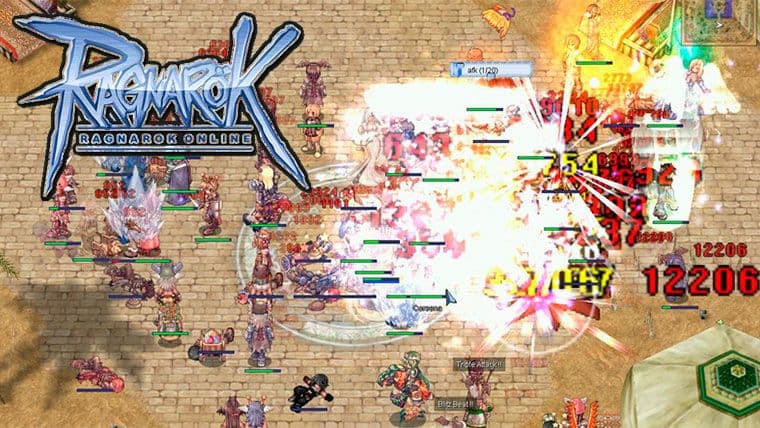
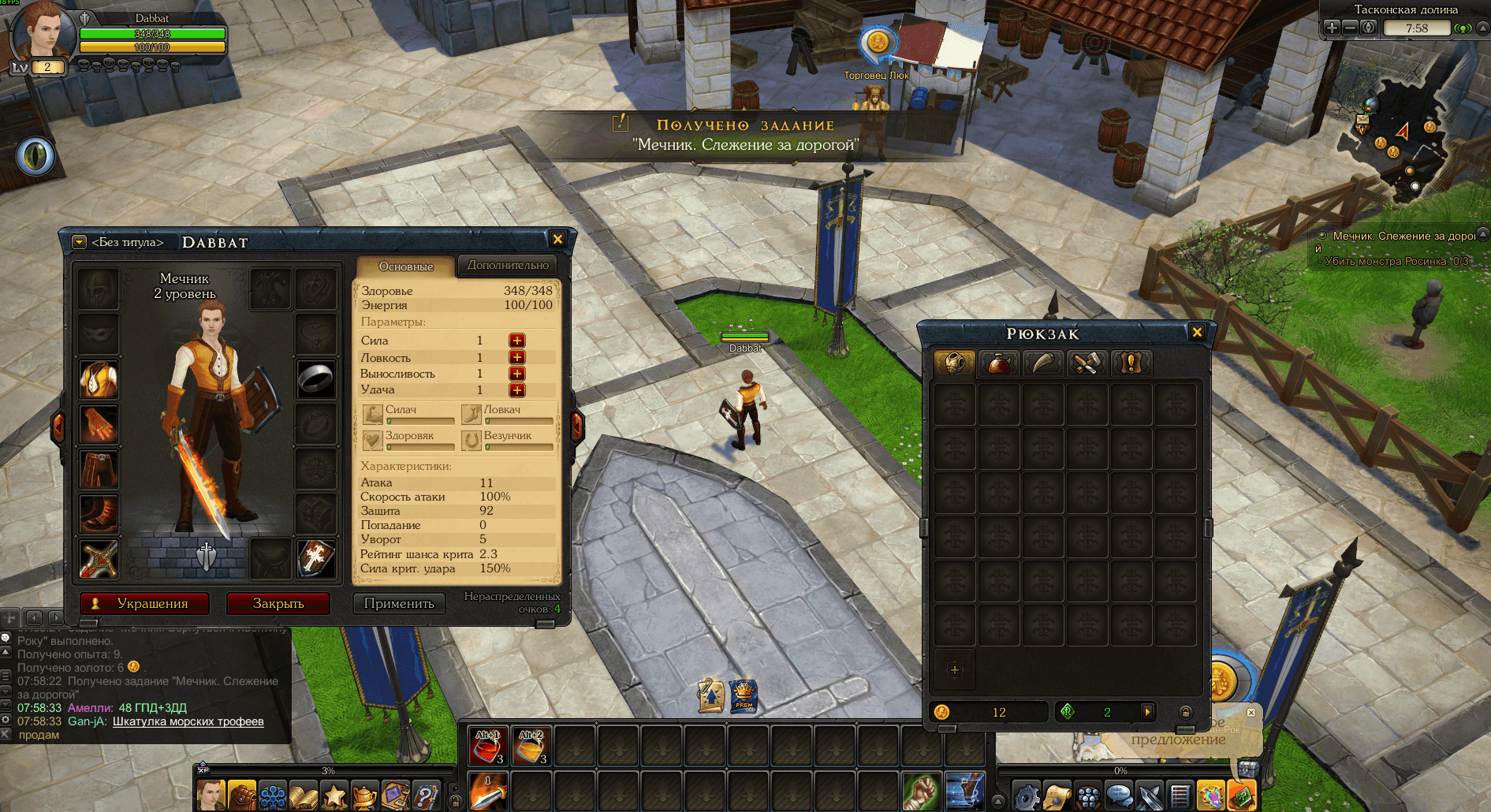
Character creation is short. There is one playable race, humans, and four starting classes: Swordsman, Archer, Rogue and Mage. Combat is click-to-target with automatic attacks layered under manual skill use, closer to Ragnarok Online than to anything action-oriented, and the first ten levels ask very little of anyone.
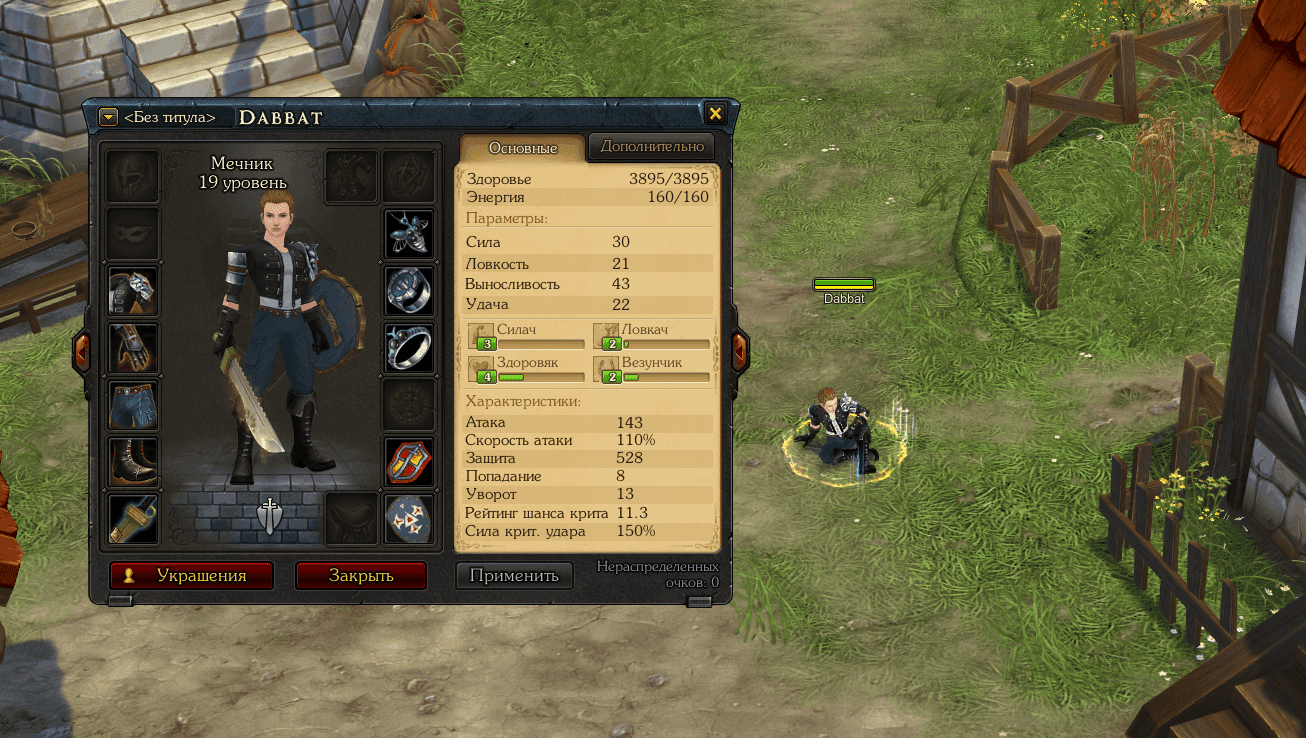
Stat points are allocated by hand across strength, agility, accuracy, endurance, intelligence and luck. That alone marks the game's vintage — most modern MMOs took manual stat allocation away because players resented the possibility of ruining a character, and Royal Quest kept it. The real fork arrives at level twenty, when each starting class splits and the roster opens into eight subclasses branching from four base classes: a Swordsman becomes a Knight or a Dark Knight, a Rogue commits to stealth or to bombs, an Archer picks between bow and rifle-and-turret sniper play.
Pets arrive early and stay useful. Summoned companions follow a character around and pick up loot automatically, which sounds like a convenience feature until a few hours of farming go by and the difference between stopping for every drop and not stopping becomes the difference between two viable farming routes and one. Katauri built the game around long sessions in a single zone, and most of its quality-of-life design points the same direction.
A newcomer will find the first forty levels genuinely easy, generously quested, and paced to keep momentum. A returning veteran will tell them that none of it matters yet, which is both accurate and unhelpful. The friction shows up later, at the point where quest rewards stop covering gear costs and the game hands the problem to the market instead.
Not in the reflex sense — Royal Quest Online has no dodge rolls, no aiming and no combo timing to speak of. Its skill expression sits before the fight, in preparation. Weapons, armour and monsters all carry elemental affinities, and a correct matchup lets a player kill things well above their own level while a bad one turns the same fight into a stalemate.
In practice that means carrying a full set of elemental weapons and swapping between them by zone. Fire against earth-aligned mobs, water against fire, and so on down a matchup table that experienced players know from memory. It is a system borrowed openly from an older generation of Korean MMOs, and it works: the numbers on a monster's level bar are advisory rather than binding, and a well-prepared level-forty character clearing something built for level fifty-five is a normal sight.
The cost is that a fight resolved badly is usually resolved badly before it started. There is no recovery through play, no clever positioning that saves a character who brought the wrong sword — a slower reader of the systems just dies, reloads a different weapon, and comes back. Players who want combat that rewards hands rather than homework will bounce off this within an hour, and no patch in the last decade has changed that.
The endgame of Royal Quest Online is card hunting, and it has been for most of the game's life. Monsters drop cards that slot into gear and grant stat bonuses or passive effects — a chance to heal when struck, resistance against a damage type, a flat boost to a stat a build is starved of. There are hundreds of them, tied to specific monsters, and the drop rates are brutal by design.
Community guides put the realistic acquisition cost of a desirable card at dozens of hours of farming a single spawn, or the gold equivalent on the market. That is the loop: kill the same monsters for days, hope, or buy the card from someone who already did. Everything else in the progression — refining gear, enchanting, chasing a higher level cap — is comparatively bounded. Cards are not.
Running parallel to the card hunt is gear refinement, and it works on the old-school terms that name suggests. Upgrading a weapon past a certain threshold carries a failure chance, and failure can destroy the item outright unless a protective consumable is in the inventory — a consumable the cash shop is happy to sell. Crafting exists alongside it, letting players produce equipment and consumables from gathered materials, but refinement is where the real numbers live, and it is the single mechanic most responsible for the game's reputation among lapsed players.
Whether that reads as depth or as a treadmill depends entirely on which of our two readers is asking. The veteran has a build they have been assembling for years and a clear sense of what the next card is worth. The newcomer sees an item with a fraction-of-a-percent drop chance standing between their character and competitive play, and has to decide in their first week whether that is a hobby or a chore. Royal Quest is honest about which it is, at least; nothing in the game hides the arithmetic.
Guild warfare is the part of Royal Quest Online that still has no obvious equivalent at this price point. Guilds fight scheduled sieges over fortresses, and holding one is not ceremonial: castles pay their owners a regular income, which turns territory into an economic engine rather than a trophy. The winning guild funds its own gear pipeline from land it took by force.
Alongside that sit PvPvE zones, where quest objectives share space with players who are allowed to kill you mid-quest. It is an old idea executed without apology, and it gives the open world a tension that instanced PvP never produces. Rogues in particular are built for it — stealth, poison, and the specific joy of ruining someone's farming run.
The problem for anyone starting now is that castles have owners, and those owners have held them for a long time. A guild formed this month is not taking a fortress from a coalition that has run one since before the Steam relaunch. Newer servers soften this — that is much of the reason they exist — but they trade the crowded, functional market of the older servers for emptier zones and slower group formation. Community discussion on the game's Steam forums keeps circling that exact trade-off, and there is no answer that satisfies both sides.
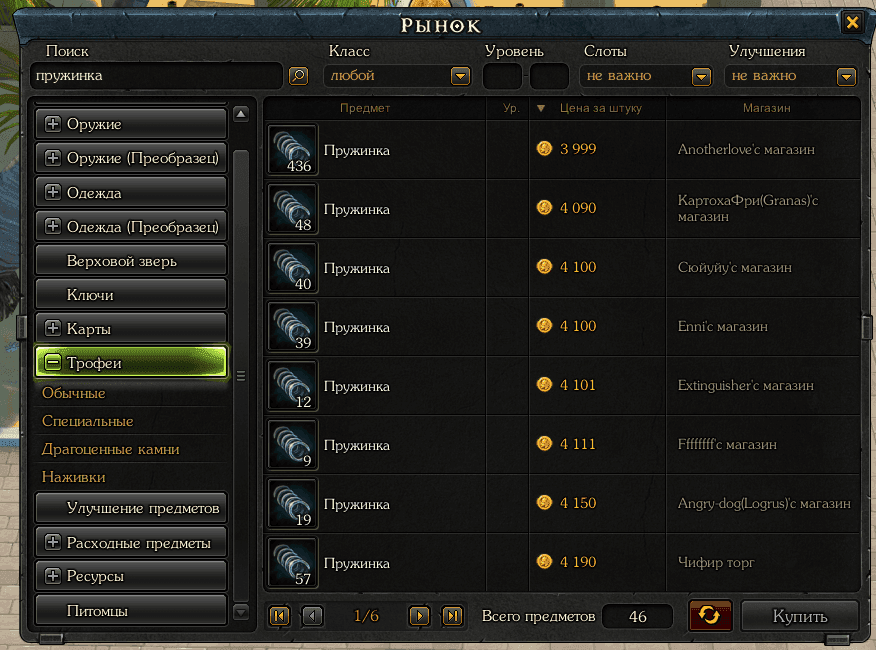
Trading is where the relaunch made its biggest structural change: Royal Quest Online now integrates with the Steam Marketplace, so in-game items can be sold for Steam wallet funds. That is a real feature and a real hazard, and the honest framing is that a game with a fourteen-year-old economy and cash-convertible items will attract people whose goal is not to play it.
Beyond the marketplace, the internal economy behaves the way any long-running MMO economy behaves. Older servers hold enormous item stockpiles and correspondingly deflated prices on common goods and inflated prices on scarce ones; newer servers have thinner supply and less liquidity. Steam reviews from the last several months repeatedly flag bot activity and complain that drop-rate adjustments have pushed more of the economy through the cash shop — the sort of complaint that surfaces in every mature free-to-play MMO, and which is worth reading here as a signal about direction rather than as a verdict.
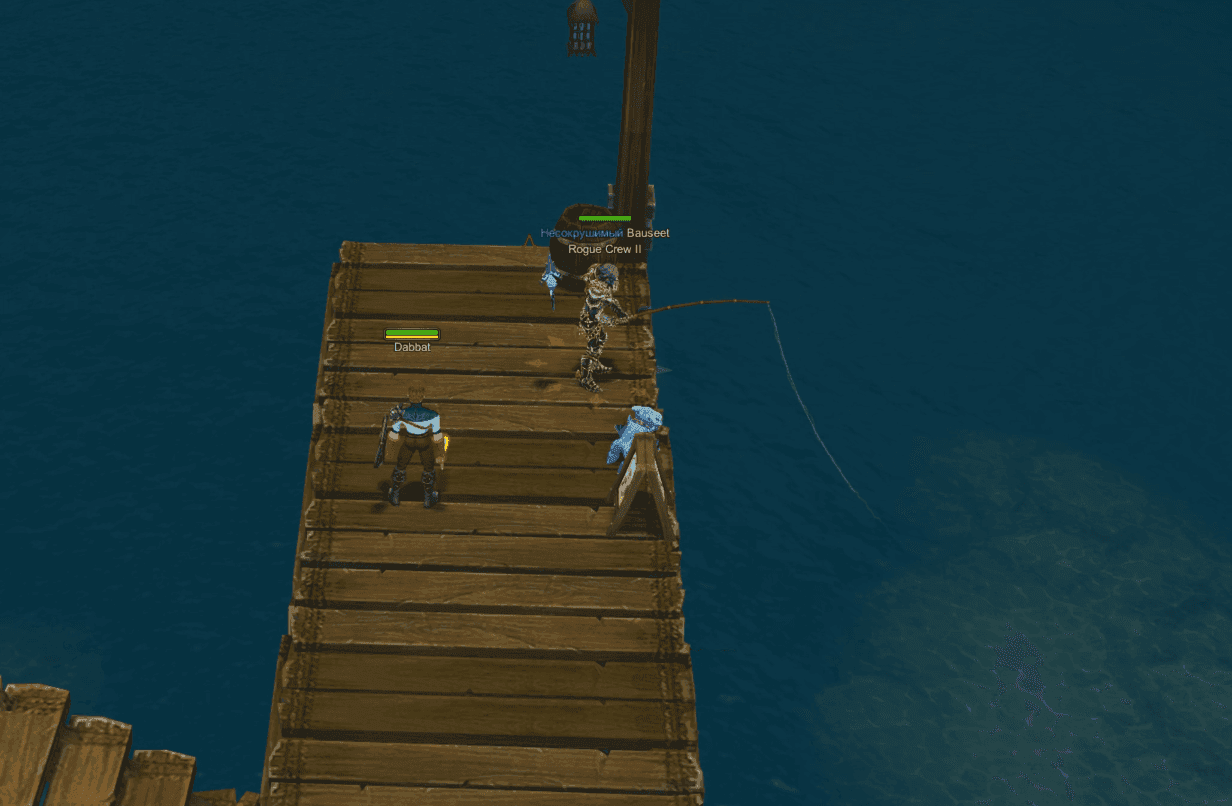
Player-to-player trade itself is unglamorous and effective. Vendor stalls let characters park in a capital city and sell inventory while their owner does something else, and the trade channels carry the rest — a market that runs on shouted offers and reputation as much as on any interface. Anyone arriving from a modern auction house will find it clumsy for a week and then stop noticing.
Royal Quest Online sells advantage, though not content. There is a premium account that multiplies experience and gold gain, a battle pass, chance-based in-game purchases, and nine paid DLC bundles on Steam ranging from $9.90 to $29.90 — roughly $129 for the full set. No zone, dungeon or class is locked behind any of it. Progression speed, inventory comfort and access to the item economy are all directly purchasable.
For a solo player content to level at their own pace, that is survivable; the game remains completable without spending, and plenty of long-term players say so in their reviews. For anyone who wants to compete in sieges or arenas, the money question resolves faster and less pleasantly — card acquisition and gear refinement both scale with time or currency, and currency is available at a checkout.
The Steam review split makes the tension visible. Overall the game sits in mostly-positive territory across nearly five thousand reviews, with the Russian-language reviews at roughly 78% positive and Brazilian Portuguese reviews notably warmer still, while English-language reviews land as mixed and recent thirty-day sentiment has repeatedly dipped below the halfway line during 2026. The most common complaints in that recent window are monetisation pressure, bots, and server performance under load.
Royal Quest Online is populated but small. Steam trackers show concurrent players in the hundreds through most of the day, with daily peaks around the high hundreds to a thousand — a figure that undercounts, since the publisher's own launcher does not report to Steam at all. The developers announced a record above 2,500 simultaneous Steam players following the December 2024 relaunch, which puts the current numbers in context: the relaunch spike has settled, but it settled onto a floor rather than a cliff.
Servers are split across Europe, the Americas and Asia, with the long-established European server carrying most of the game's history and the newer ones offering a cleaner start. Character transfers between servers were not available at relaunch, so the choice is close to permanent — worth ten minutes of forum reading before creating a character rather than after.
Updates arrive on a steady rhythm: seasonal events, boss additions, balance passes, and a server architecture overhaul tested in open beta during 2025. This is a maintained game with a working team behind it, not a title on life support. It is also, unmistakably, a game whose audience is concentrated in Russian and Brazilian Portuguese communities — an English-speaking player will find guides, a translated client, and a smaller pool of people to group with.
Royal Quest Online is worth playing if the specific things it does well are things nobody else is doing for free. Elemental preparation as a combat skill, card hunting as an endgame, castles that pay rent, and open zones where a stranger can end your farming session — that combination belonged to a generation of MMOs that has mostly been retired, and this one is still patched, still translated, and still populated enough to fill a siege.
It is worth skipping if any of three things matter: combat that rewards reflexes, a levelling curve that respects a limited schedule, or a competitive ladder where money is not one of the inputs. None of those are secrets or recent regressions. They are the terms the game has operated on since 2012, and the 2024 relaunch renegotiated none of them.
What Lesta Games inherited was a machine built in another decade, and the honest reading of the last two years is that they have kept it oiled rather than rebuilt it. The bearings are worn in visible places — the drop rates, the cash shop's growing share of the economy, the servers straining under a siege. It still turns, and for the people who learned to operate it a decade ago it turns well. Anyone standing in front of it for the first time should look closely at what it is actually built to produce before committing a season to feeding it.
Yes. The game is free on Steam and through the publisher's launcher, funded by a premium account subscription, a battle pass, chance-based in-game purchases and optional DLC bundles.
Effectively yes. The 2024 Steam release is the same title relaunched under Lesta Games with updated infrastructure, new servers and Steam Marketplace integration, rather than a remake or sequel.
Public Steam trackers show a few hundred concurrent players at most hours, with daily peaks in the high hundreds. Those figures exclude everyone playing through the publisher's own launcher, so the true population is higher by an unpublished margin.
Extensively. Arenas, battlegrounds, open PvPvE zones where other players can attack you during quests, and scheduled guild sieges for castles that generate income for whichever guild holds them.