 F2P · Live
Lineage 2 Essence
Lineage 2 Essence is NCSoft's free-to-play take on the classic Korean MMORPG Lineage II, built around faster…
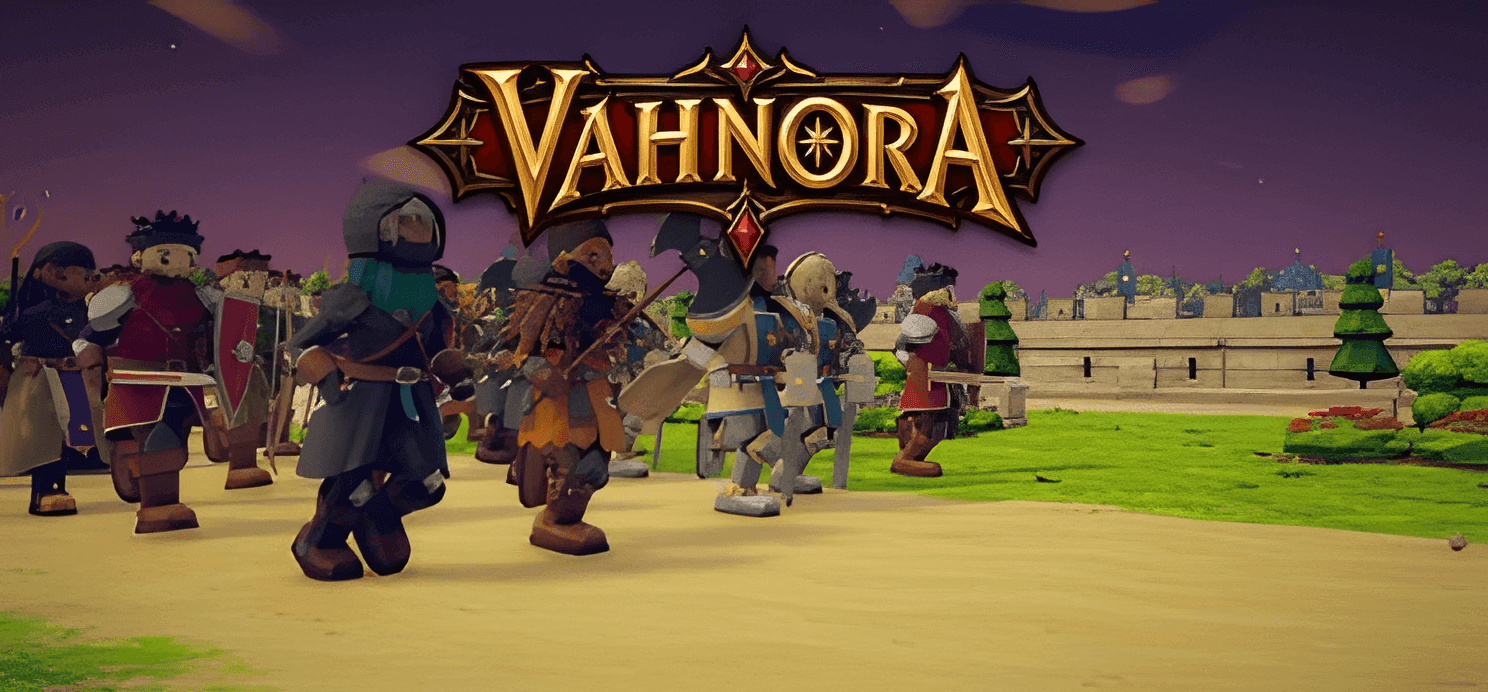
An old-school isometric Action MMORPG featuring manual combat and faction-based relic warfare between Sanctum and Forsaken. Boasts eight distinct classes with dynamic stance switching, the infinite ch...
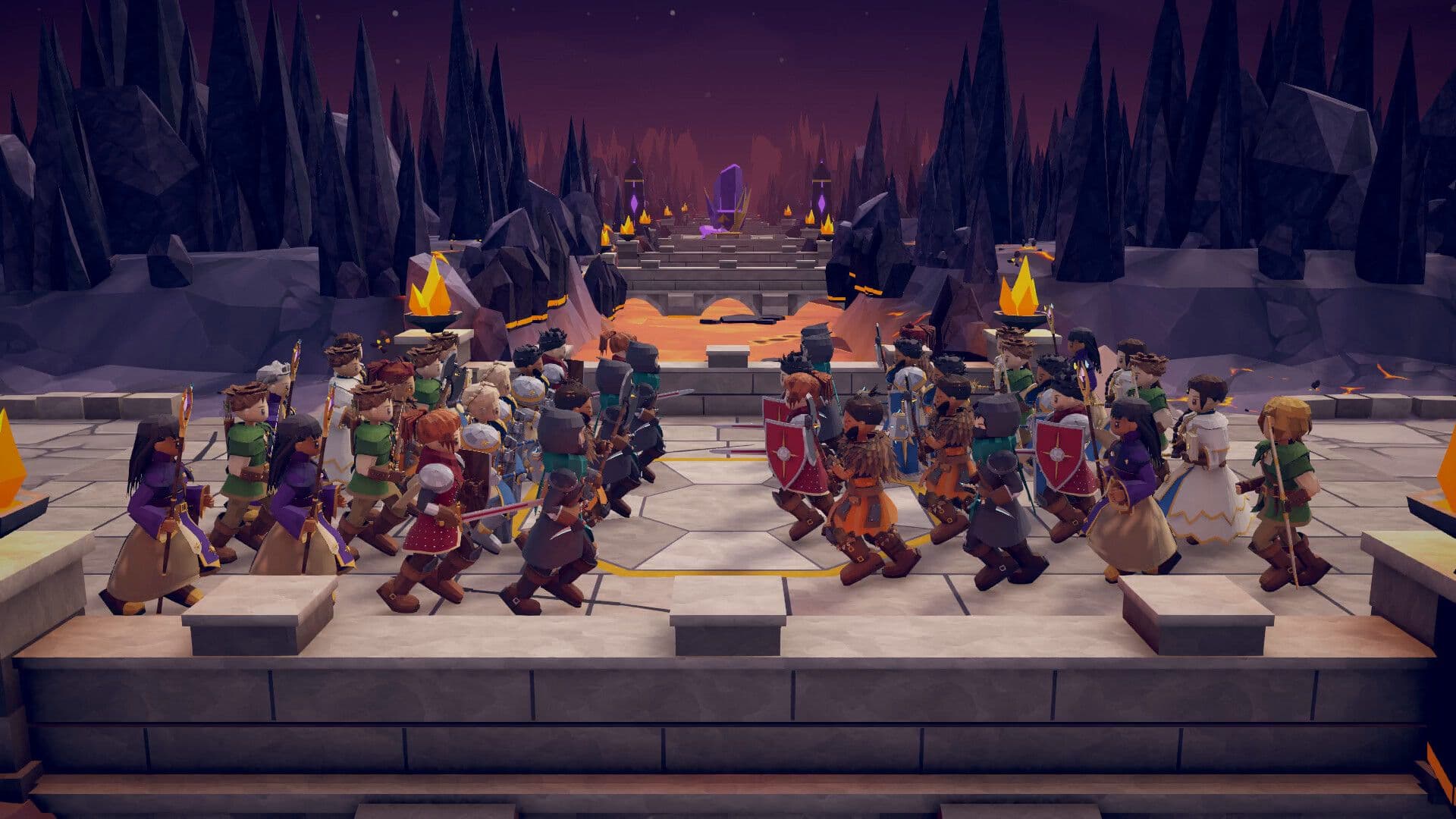
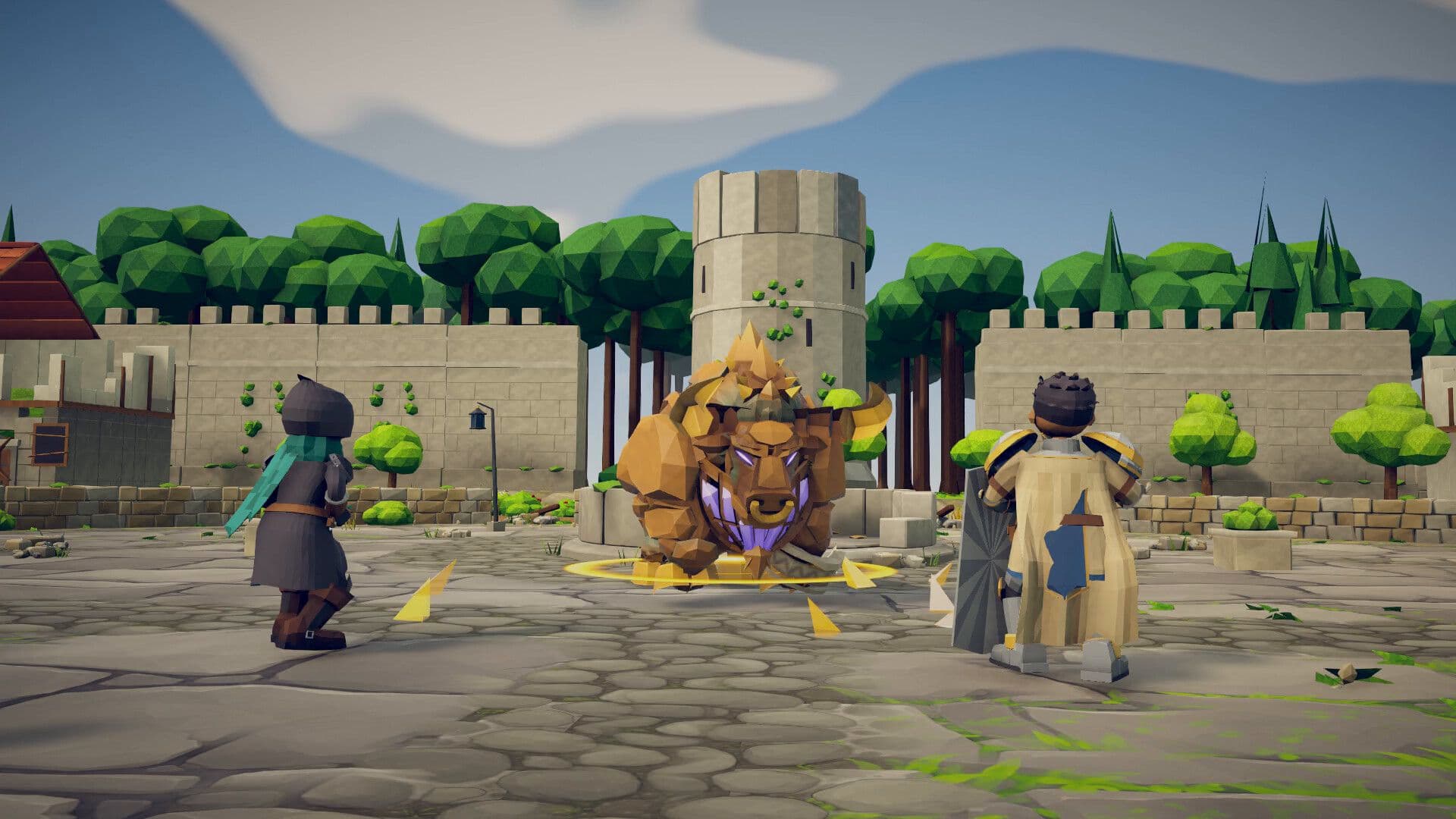
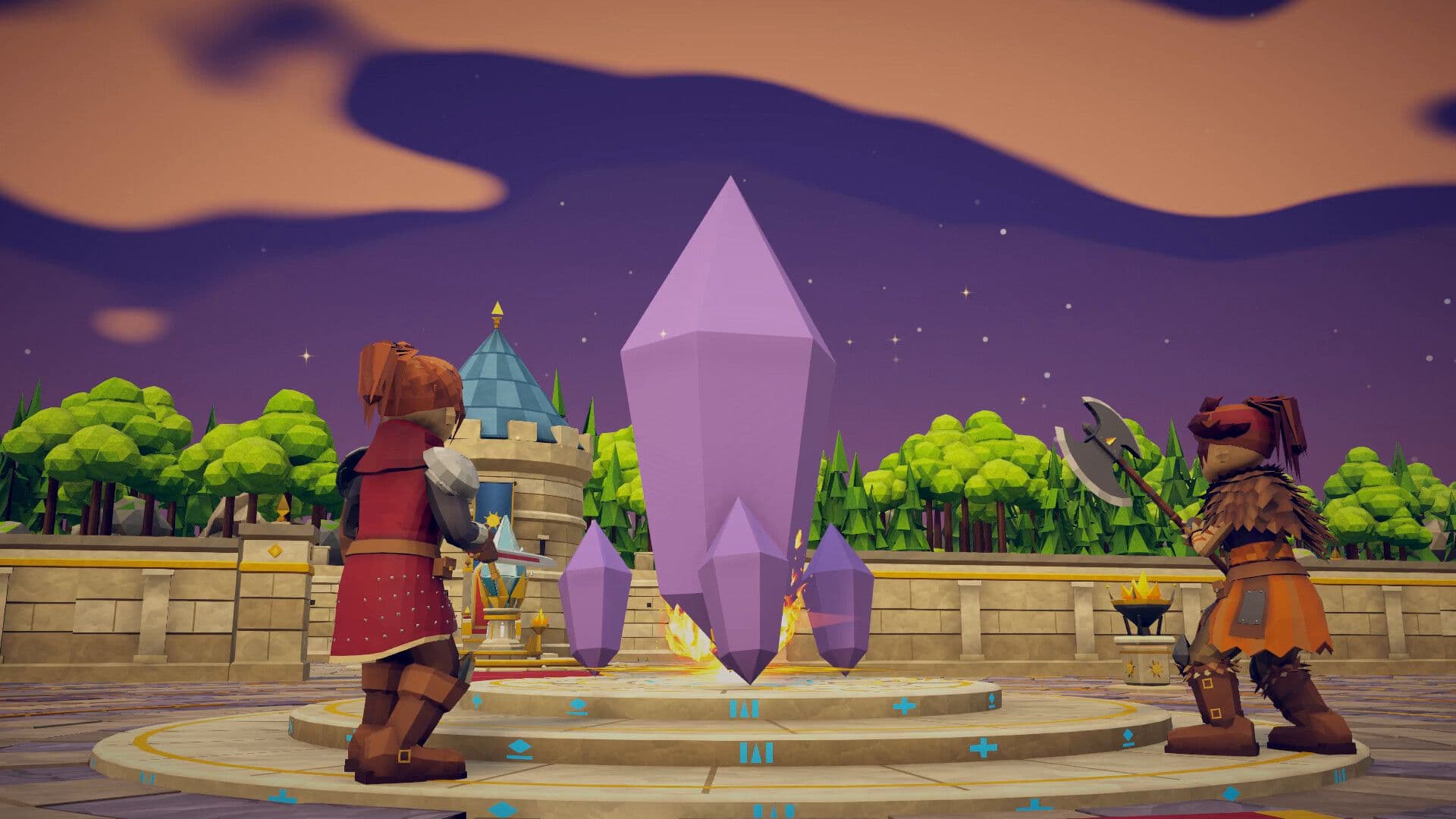
Quick take: A gritty old-school isometric action MMORPG built around perpetual Relic War faction clashes, eight distinct combat archetypes with dynamic stance swapping, and cyclical endgame progression driven by level 50 Reborn cycles. Indie outfit Vahnora Studios has stripped away modern auto-navigation hand-holding, delivering tactile manual exploration and a genuine free-to-play Steam experience unburdened by predatory pay-to-win systems.
Rejecting automated pathfinding in favor of uncompromising manual control serves as the defining calling card with which Vahnora greets players weary of mobile-style auto-clickers. Venturing beyond settled outposts carries tangible risk once more. No safety nets. The project originated in Steam Early Access as a humble two-dimensional experiment, yet by late 2026 the developers executed a sweeping overhaul, rebuilding the entire experience into a full-fledged three-dimensional isometric realm powered by the Unity engine, complete with dynamic lighting and distinct moody aesthetics.
The onboarding experience deliberately discards bloated multi-hour tutorial prologues. Immediately after selecting a character and settling on one of eight combat archetypes, players are deposited directly onto the untamed roads of the realm. There are no glowing directional arrows painted across the dirt, nor clickable quest log hyperlinks that drag your avatar to objectives automatically. Navigation relies entirely on landmark recognition, road forks, and natural terrain topography. Wildlife and hostile brigands do not yield ground politely; initial skirmishes in the wilderness demand disciplined dodging, spatial awareness, and careful potion management.
This design philosophy rekindles the raw atmosphere of classic party-based RPGs and early 2000s Korean sandbox titles. Every scavenged piece of gear carries meaningful weight. Crossing paths with a stranger at an isolated crossroads feels like an organic event rather than background noise, often sparking impromptu partnerships to conquer dangerous mob spawns or anchor a frontline against roaming elite beasts.
Nostalgia, however, demands a steep price. The minimalist interface offers zero hand-holding regarding suboptimal build choices, and enemy density in wilderness hunting grounds remains unforgiving. One misstep, one accidental overpull of an undead patrol, and you are facing a swift jog from the nearest graveyard. This world does not flatter careless wanderers, but that severity is precisely what makes your first completed set of upgraded equipment feel earned.
At the center of geopolitical conflict in Vahnora lies an irreconcilable feud between two global factions: Sanctum and Forsaken. There is no room for compromise here. Choosing a side dictates your entire long-term journey. The loyalists of Sanctum enforce a strict dogmatic order dedicated to protecting ancestral holy relics, whereas the Forsaken gather dissidents who broke away from religious orthodoxies to pursue autonomous power and forbidden mystical arts. The game world is cleaved into occasional neutral sanctuaries and contested frontier battlegrounds where encountering a rival soldier triggers an immediate fight to the death.
The epicenter of this unyielding factional bloodshed is Mortis Pass, a rugged mountain canyon separating both territorial zones. This pass hosts the premier recurring PvP event: the Relic War. Rather than engaging in aimless team deathmatch brawling, participants must coordinate a delicate tactical heist: breach the enemy reliquary, seize their sacred artifact, and manually haul it back through treacherous bottlenecks to their home stronghold.
The mission sounds straightforward: steal and extract. But the escort mechanics are merciless. The player carrying the relic suffers a severe movement speed penalty, loses access to stealth and defensive blinks, and radiates a persistent map beacon broadcasting their location to all nearby enemies. Picking up the artifact paints a massive bullseye on your back. Skirmishes instantly transform into desperate convoy operations. Heavily armored knights form a perimeter around the carrier, healers sustain them with uninterrupted prayers, and stealthy rogues stalk ahead to assassinate opposing spellcasters before they can establish chokepoints. Delivering the relic grants the victorious faction substantial realm-wide buffs to experience gains, drop rates, and combat stats.
Competitive ambitions culminate every Saturday during scheduled castle sieges (Castle Sieges). On siege night, faction unity gives way to guild rivalries. Elite clans batter down fortress gates with rams and clash in close-quarters throne room melees. The conquering guild claims the sovereign crown, the authority to levy regional trade tariffs, and exclusive access to the fortress treasury.
The hazard of open-world faction warfare is familiar to seasoned MMO veterans: numbers rule the battlefield. Whenever server population skews heavily toward one side, holding Mortis Pass degenerates into a grueling spawn camp. The outnumbered faction loses relic access and suffers economic deprivation. Solo wanderers stand zero chance out here: venturing onto the frontline without a coordinated guild and active voice communication rapidly drains both gold and patience.
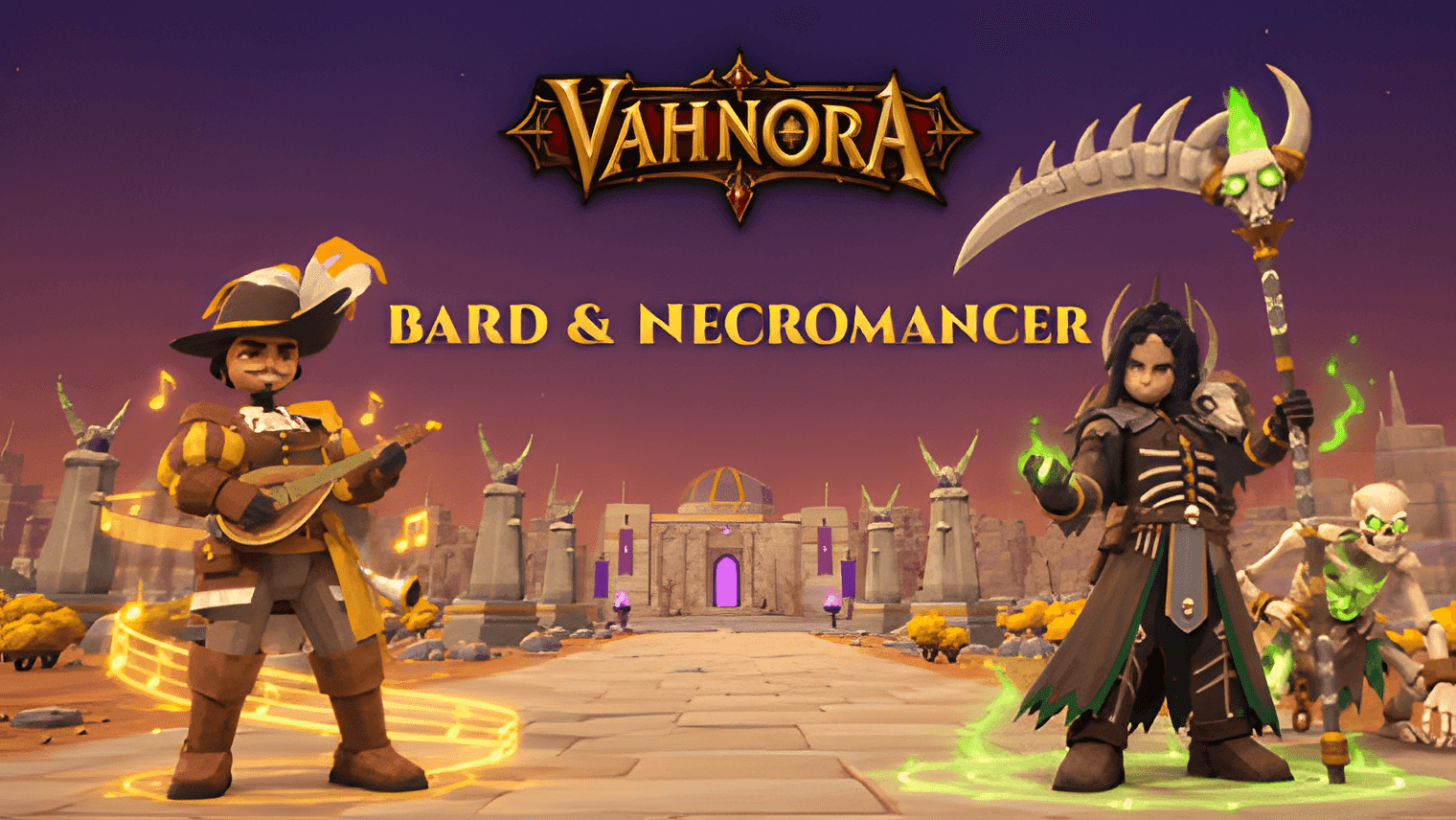
The class architecture of Vahnora rejects homogenized multiclassing, returning instead to the disciplined division of the classic holy trinity. Eight distinct archetypes. Specialized combat assignments. Distinct resource mechanics.
The heavy vanguard anchors the frontline through three divergent playstyles:
Ranged executioners and shadow operatives control burst windows and battlefield spacing:
Support specialists and pet handlers complete the ecosystem. Cleric represents the backbone of party endurance: rejuvenating healing fields, cleanse utility, and clutch revivals prevent team wipes on lethal boss phases. Alongside them stands the Wolfmaster, delivering a true pet-master experience seldom seen in modern isometric titles. The faithful War Wolf is no passive vanity cosmetic: the beast absorbs a portion of incoming damage meant for its master, knockdowns charging enemies, and synchronizes bite combos on command.
A well-drilled squad operates with mechanical precision: the warrior clusters a mob pack, the mage roots them with frost, the wolfmaster's pet disrupts dangerous spellcasters, and the archer peppers the cluster with piercing arrows. Yet solo leveling exacts a steep toll. Clerics endure a painfully sluggish grind against standard outdoor spawns, while fragile rogues and low-health berserkers risk sudden death from a lucky crit delivered by an unassuming skeleton.
Combat encounters in Vahnora completely reject passive stat-check exchanges where combatants trade blows while rooted in place. Every strike demands deliberate aim, precise timing, and continuous spatial repositioning. The battlefield underfoot is a hazardous, evolving arena.
The core survival pillar against dangerous adversaries lies in decoding visual combat telegraphs — Ground Warning Telegraphs. Prior to launching sweeping cleaves, orbital meteor strikes, or directional energy blasts, elite monsters and bosses project distinct geometrical hazard zones onto the floor. Fiery red circles, expanding radial arcs, and narrow sniper lanes dictate movement. Split seconds to react. Never hesitate. Stepping aside means survival. Lingering inside a telegraph guarantees instant death.
Engagements swiftly evolve into high-stakes acrobatic calculations. Ranged spellcasters and bowmen thrive on circular kiting: weaving basic attacks and projectile skills cleanly between movement inputs to keep aggressive packs at arm's length. Vanguard tanks must develop an instinct for animation windows: raising heavy shields at the exact frame an ogre's club descends and positioning massive behemoths so lethal frontal cleaves face away from vulnerable cloth-wearers.
Resource discipline is equally unforgiving. Mindlessly mashing your hardest-hitting abilities rapidly exhausts stamina and mana reserves, leaving you helpless against sudden counterattacks. Every skill carries inherent animation locks and cooldown penalties. Disrupting a boss channel with a timely bash or saving a directional dash for a lethal transition phase decides battles far more decisively than inflated numbers on an equipment sheet.
The peril of this action system is absolute. For fragile glass cannons like mages or rogues, catching a direct hit from a boss telegraph spells an immediate one-shot. Furthermore, real-time action mechanics demand a pristine internet connection: a momentary lag spike or desynchronization while exiting a hazard marker instantly wipes the entire group's progress.
The wilderness of Vahnora is segmented into contrasting geographic biomes featuring distinct environmental threats. Novice adventurers embark across the sun-drenched rolling hills of the Golden Plain, contending with savage beasts and cutthroat bandit warbands. As character power ascends, expeditions plunge into the subterranean chill of the Minmir Caves — a frostbitten maze where sub-zero temperatures dull weapon attack speeds. The ultimate wilderness proving ground lies within the blighted miasma of the Cursed Ruins, crawling with crypt horrors and fanatical occultists.
Reigning at the pinnacle of these wild territories are six monumental world bosses (World Bosses). These are no oversized generic trash mobs with inflated hit-point sponges; they are intricate multi-phase encounters. Each titan commands a dedicated open-air arena, unleashing lethal signature mechanics and summoning waves of enraged minions. Solo triumphs are impossible here. Overcoming these behemoths demands disciplined raid execution, rotating off-tanks to reset deadly bleed stacks, and layering group defensive fields.
The spoils justify the peril. World bosses yield the highest tier of equipment available: legendary weapons and armors rolled with unique baked-in affixes that dramatically elevate class power. In addition, these colossal encounters drop pristine enchanting stones and protective scrolls required to bypass high-level upgrade barriers in the late game.
Yet the true trial stems from open-world spawn rules. World bosses reappear on strict schedules within contested outdoor zones. As the respawn window approaches, war parties from both Sanctum and Forsaken assemble around the perimeter. Slaying the colossus inevitably devolves into a desperate two-front battle. Raiders must simultaneously evade the titan's sweeping area slams while repelling opposing kill squads determined to wipe the tank line and seize the final kill credit.
Six bosses. One prize. If your guild fails to secure the perimeter and neutralize enemy vanguard scouts, hours of patient reconnaissance vanish into thin air. An ambush launched from the shadows can wipe your frontline two seconds before the titan collapses, handing the hard-won spoils straight to the enemy.
For adventurers who prefer measuring their theoretical build limits within controlled PvE environments, the Infinity Tower serves as the definitive benchmark. This towering spire challenges combatants with progressively brutal tiers, where each ascended floor introduces higher elite mob concentrations, tighter enrage timers, and lethal boss combinations. The tower acts as an uncompromising filter: gear score alone will not carry you through; success hinges upon mechanical execution, rotational discipline, and immediate crowd-control management under pressure.
Yet the true depth of the endgame unlocks upon reaching level 50 — the initial maximum character ceiling. At this crossroads, players engage with the engine of long-term character progression: the Reborn mechanic. Initiating the ritual resets character level back to one, forfeiting accumulated experience points. In exchange, your hero permanently retains ancestral legacy points that convert into permanent base attribute bonuses: strength, dexterity, intelligence, vitality, and critical hit rating.
The wheel of Samsara begins to turn. Unlike modern MMOs where reaching level cap stalls progression until the next scheduled content expansion, progression in Vahnora is cyclical. A veteran character who has completed five reborn cycles boasts raw stat totals at level 20 that eclipse an unascended level 50 novice. This power surge unlocks previously insurmountable tower tiers, allows effortless solo farming of contested wilderness spawns, and provides decisive survivability in large-scale faction warfare.
This design revives the unyielding ethos of classic Korean grinds such as MU Online and Mabinogi. Grinding becomes a predictable mathematical progression: every slaughtered monster and cleared tower floor directly fuels your next cycle of personal ascension.
The drawback to this endless cycle is the psychological fatigue of repeated leveling. Reset to level one. Back to the grinder. High-level active skills become temporarily locked, forcing you to revisit introductory mob clearings. Without pre-farmed twink gear and loyal guildmates ready to boost your mob pulls, the reborn journey can feel like an unending routine. This loop demands an authentic passion for systematic monster slaying.
The gear economy of Vahnora underwent a pragmatic evolution: the development team completely dismantled tedious multi-layered crafting components in favor of an exhilarating direct-drop model. Foes slain throughout dungeons and untamed lands drop intact weapons and armor. Every dropped item rolls with an individualized Item Level, a rarity grade, and randomized secondary affixes ranging from life-leech to elemental resistances.
Acquiring a pristine drop, however, is merely the opening step. True power is forged through the gear refining system (Gear Refining), which allows players to progressively upgrade weapons and armor up to a coveted maximum of +12. Each successful refinement stage significantly amplifies weapon attack and damage mitigation, while causing equipment to emanate an unmistakable chromatic glow that turns heads in municipal hubs.
Plus twelve is the pinnacle of ambition. Safe refinement ends at the modest threshold of +4. Beyond that safety cushion lies unadulterated risk. Success odds deteriorate rapidly. A failed attempt mercilessly consumes costly refinement stones, reduces the item's current upgrade level, or permanently shatters your cherished weapon into worthless scrap.
A crucial economic lifeline arrives in the form of the elusive wanderer Kirana. This wandering merchant never lingers in metropolitan plazas; instead, she materializes at random wilderness coordinates across hazardous biomes. Her arrival triggers a realm-wide notification, sparking frantic races among clans to locate her caravan. Only Kirana stocks coveted anti-destruction protection scrolls, concentrated draughts, and specialized consumables unobtainable from mundane city vendors.
The pitfall of this system is heartless. A single unlucky click can vaporize a week of diligent farming into thin air. Attempting to push endgame gear past safe thresholds without Kirana's protective scrolls is reckless folly. Players must either maintain a duplicate spare set in storage or bleed vast fortunes of gold purchasing scarce warding scrolls from guild brokers.
In an online gaming landscape saturated with predatory gacha systems and aggressive monetization walls, Vahnora feels like a breath of fresh air. The independent team at Vahnora Studios made a conscious commitment to treat their community with respect: the Steam client is completely free-to-play, imposes no mandatory monthly subscriptions, and erects no artificial barriers blocking access to endgame challenges.
The in-game cash shop is strictly confined to aesthetic customization and practical convenience. Real money purchases include cosmetic armor sets, alternate coat skins for the Wolfmaster pet, prestigious titles, and quality-of-life expansions for warehouse storage and personal inventory slots. There are no loot boxes containing pre-upgraded +12 legendary armaments. There are no paid invulnerability elixirs or instant rebirth shortcuts. Money cannot buy battlefield supremacy.
The payoff is a level of competitive purity exceedingly rare among modern isometric MMOs. During cutthroat duels across Mortis Pass or violent castle breaches, triumph is governed solely by the quality of your hunted gear, the tally of completed rebirth cycles, guild coordination, and raw mechanical execution. The sharpest blades on the server are forged in the fires of world boss encounters and grueling spire climbs, never through an external banking gateway.
However, this indie integrity incurs inevitable production trade-offs. Rejecting predatory monetization means operating on a lean independent budget. The developers lack deep-pocketed corporate marketing reserves and maintain a compact engineering team. Server optimizations, bug squashing, and ambitious zone expansions progress at a measured, deliberate pace. Players must accept this trade-off: enduring occasional technical growing pains in exchange for a fair, uncompromised battlefield free of pay-to-win manipulation.
The technical foundation of Vahnora relies on the Unity engine, engineered to deliver smooth frame rates alongside accessible hardware requirements. The game maintains a reliable 60 frames per second even on aging entry-level configurations such as a GTX 750 Ti paired with a modest quad-core processor. The visual art direction favors clarity: by avoiding chaotic screen-shake and blinding particle saturation, the developers ensure that tactical telegraphs and player positions remain crystal clear even during dense faction skirmishes.
Among thoughtful interface design choices, the Pin Windows feature stands out as an exceptional quality-of-life inclusion. This setting renders the backdrops of open inventory, stat, and spellbook panels click-through for movement and attack inputs. Players can seamlessly swap equipment or chug health potions while continuing to dodge, kite, and target enemies without fear of an interface window intercepting crucial mouse clicks.
Early Access, nonetheless, carries familiar growing pains. Minor hitching occasionally crops up when entering densely populated town squares, combat animations retain an indie rigidity, and late-night server populations fluctuate depending on regional time zones. The developers actively monitor the Steam Community Hub, deploying frequent balancing hotfixes, though fine-tuning competitive class matchups remains an ongoing endeavor.
Vahnora is an authentic, unapologetic homage to the golden age of MMO gaming. It makes no attempt to cater to autoplay tourists, cutscene skippers, or passive casuals. Instead, it offers a gritty, rewarding gauntlet defined by methodical mob grinding, desperate mountain ambushes over sacred relics, the heart-stopping adrenaline of high-tier gear refinement, and the shared camaraderie of scaling the Infinite Tower shoulder-to-shoulder with dependable allies.